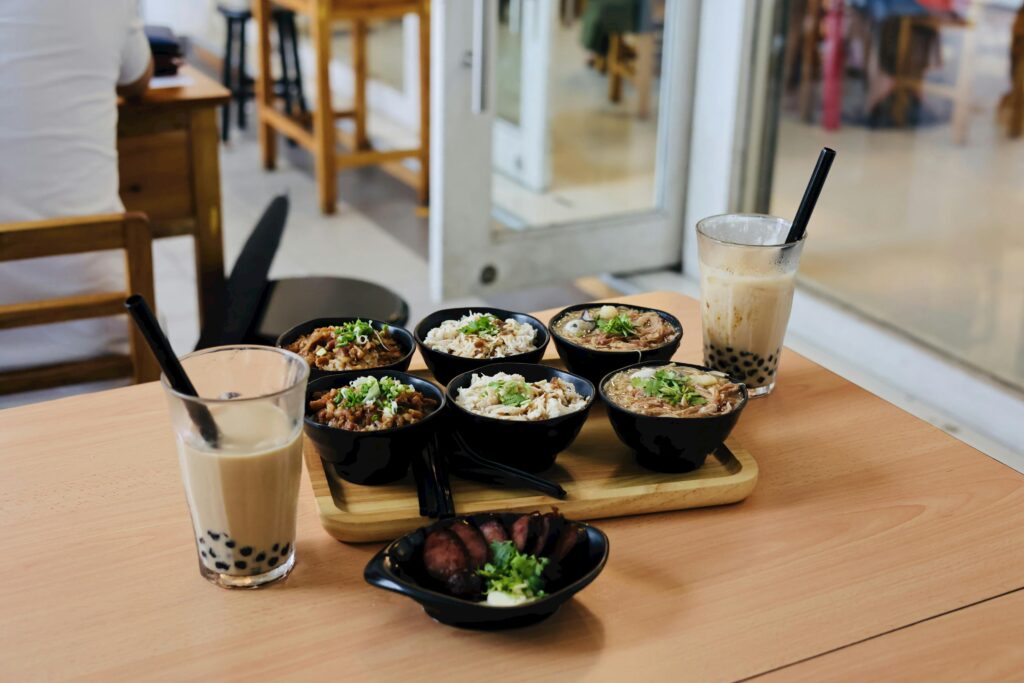
Dawn breaks differently in Singapore. It doesn’t arrive with a rooster’s crow, but with the rhythmic clatter of melamine plates and the hiss of gas fires igniting under seasoned woks. At a neighborhood hawker center, the air is already thick with humidity and the scent of brewing kopi, a robust local coffee roasted with sugar and margarine. Uncles in white singlets move with the precision of dancers, preparing for the morning rush. This is where the city’s heart beats loudest. To understand Singapore, you must eat here.
For the traveler willing to look beyond the polished surface, food in Singapore is more than just sustenance. It is history, memory, and identity served on a plate. It is a daily ritual that binds a multicultural tapestry of Chinese, Malay, Indian, and Peranakan threads into something uniquely Singaporean. This guide invites you to pull up a plastic stool, join the queue, and taste the true spirit of the Lion City.
Understanding the Soul of Singaporean Food
Singaporean cuisine is a delicious collision of cultures, shaped by centuries of migration and trade. Spices from India blend with wok techniques brought by Chinese immigrants, while aromatic herbs from the Malay Archipelago add their unique touch. Every dish tells a story of adaptation and survival, reflecting the vibrant multicultural heritage of the city.
Hawker centers are vibrant stages where this culinary drama unfolds. These open-air food courts serve as communal living rooms where a CEO might sit beside a taxi driver, both savoring a bowl of spicy laksa made with coconut milk. Because social standing does not have a space in a place where the food is democratic, affordable, and incredibly tasty.
An Introduction of Expectations
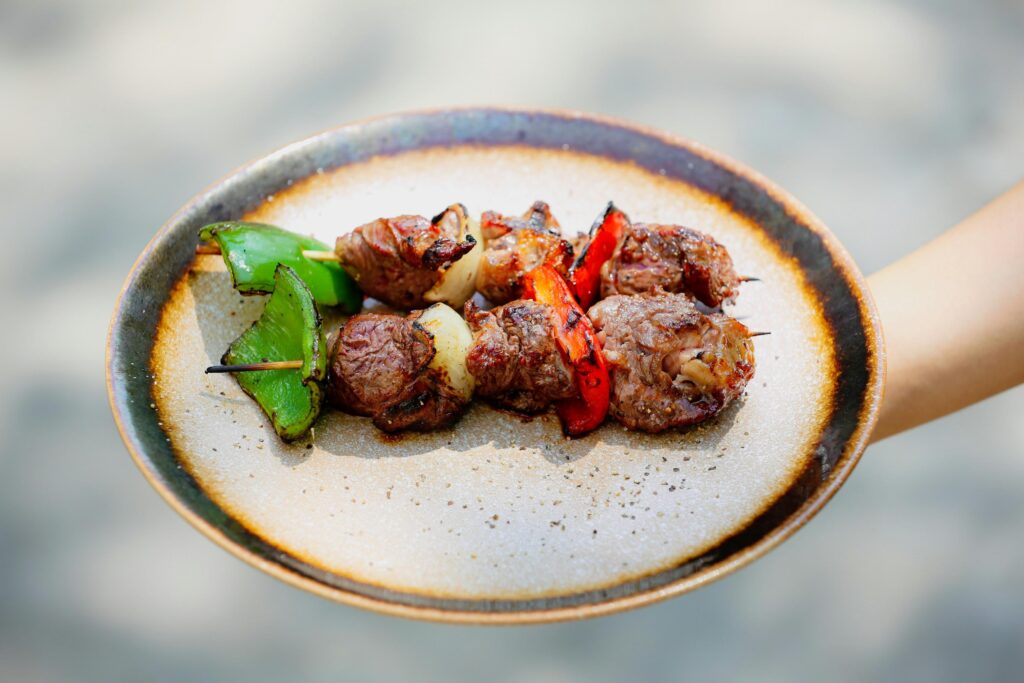
At these best hawker stalls, you can find beloved dishes like bak kut teh, a comforting meat bone tea broth simmered with pork ribs and herbs (which honestly, saved me more times than I can count), served alongside fried tofu and flavorful rice.
Including yong tau foo, featuring tofu stuffed with fish paste and fish balls, or the iconic nasi lemak, fragrant basmati rice cooked in coconut milk and pandan leaves, served with spicy sambal, fried anchovies, and chicken curry. Just by the number of food that I mentioned, you can see how colorful Singapore’s culinary scene is.
Beyond hawker centers, Singapore’s rich culinary scene includes Peranakan food and Indian food specialties found in vibrant neighborhoods like Little India. More so, whether you’ve discovered the oyster omelette, or got your head froze with shaved ice desserts, Singapore offers an incredible variety of dishes that celebrate its diverse heritage.
If you’re a foodie looking to dive deeper, a personal food tour is the perfect way to discover hidden gems and learn the stories behind these iconic flavors, I would know, because that’s what i usually do. After a day of tasting, unwind at a local wine bar or enjoy a classic Singapore Sling cocktail, rounding out your immersive experience of food in Singapore.
Hawker Centre Essentials: How to Order Like a Local
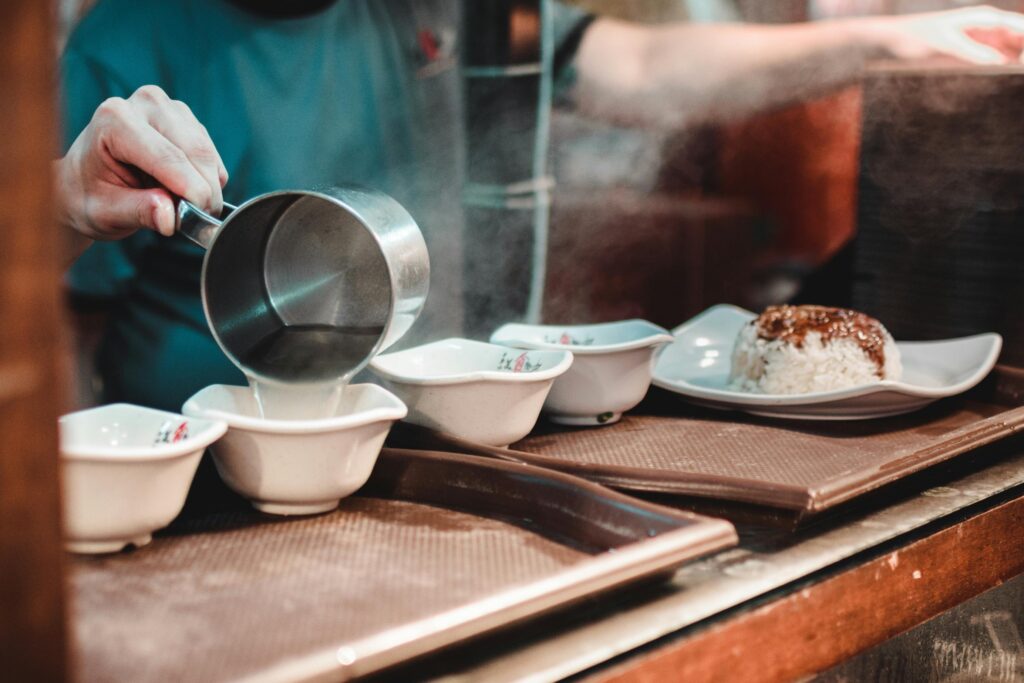
Stepping into a bustling hawker center like Maxwell or Old Airport Road can be overwhelming for the uninitiated. The noise, the heat, and the dizzying array of choices are part of the experience. But navigating it is simpler than it looks if you know the unwritten rules.
First, secure your territory. Before you order, find an empty table and place a packet of tissues on it. This is the “chope” system, a universally respected way of reserving a seat. Once your spot is safe, wander the stalls.
Most hawker centers have a mix of self-service and table service, but generally, you order at the stall, pay in cash, and carry your tray back.
Avoid the peak lunch hour between 12:00 PM and 1:30 PM unless you thrive on chaotic energy. Arriving just before or after guarantees shorter lines and a more relaxed meal.
When ordering, be sure to try popular dishes like hainanese chicken rice with spicy chilli sauce, and fried chicken served with spicy sauce (yes! Singaporeans can definitely hold their spices).
After enjoying your meal, return your tray to the designated station. It is a small act of courtesy that keeps the system flowing and respects the spirit of Singapore’s food scene.
Many stalls offer savory flavors that highlight Singapore’s food culture despite it being plain for other people, this includes rice noodles, flat rice noodles, and rice cakes. And these “plains” go above and beyond in desserts as well, with glutinous rice desserts. In Singapore, there are no plain ingredients, that’s all I could say.
Hawker centers are also home to a variety of Indian restaurants in Singapore offering flavorful curries, roti prata, and beef rendang that reflect the vibrant culinary influences from Southeast Asia.
Local Eating Customs and Nuances
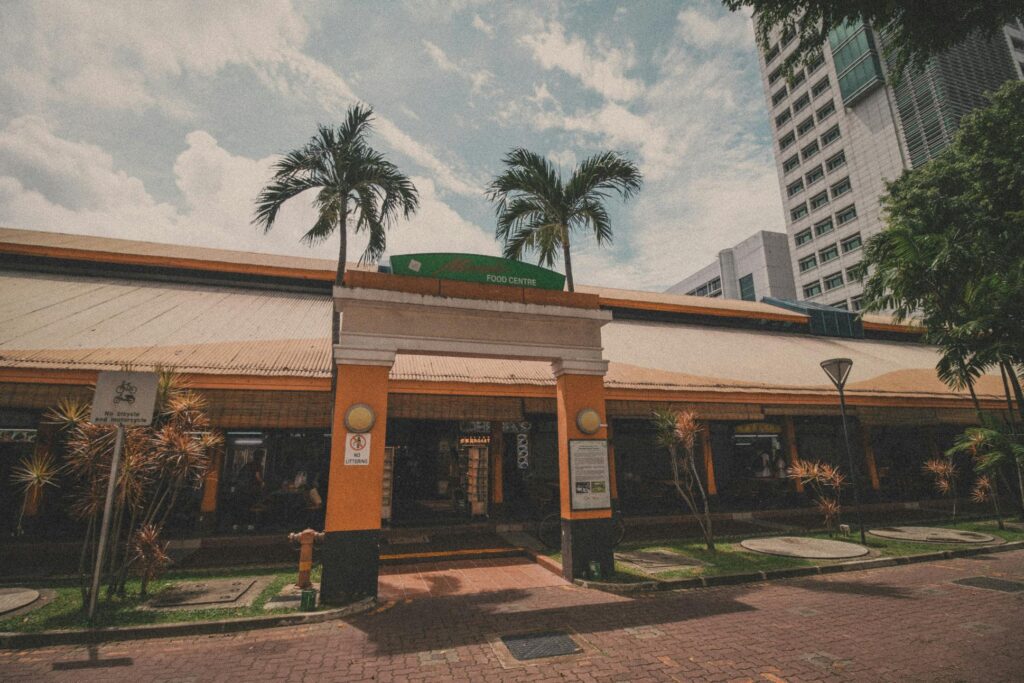
To truly blend in, you need to speak the language of food. When ordering coffee at a kopitiam (traditional coffee shop), asking for a “coffee” might get you a blank stare. Instead, order kopi (coffee with condensed milk), kopi-o (black with sugar), or kopi-c (with evaporated milk and sugar).
At the table, sharing is caring. It is common to order several dishes to place in the center for everyone to try. Be mindful of dietary restrictions; Singapore is home to a large Muslim population, so look for the Halal certification at stalls if you are dining with Muslim friends. And do not be surprised to see locals eating with a spoon and fork, using the fork only to push food onto the spoon. It is the most efficient way to scoop up every drop of delicious gravies and sauces.
A Day of Eating: From Breakfast to Supper
To experience the full spectrum of food in Singapore, let your stomach guide your itinerary through the vibrant hawker stalls and food centres that define Singapore’s food culture. But, before figuring out on where to go, you should know first: what to eat.
Breakfast: Kaya Toast
Start your day at a neighborhood kopitiam like Chin Mee Chin Confectionery or Ya Kun Kaya Toast. Order kaya toast (crispy bread slathered with coconut jam made from palm sugar and butter) and soft boiled eggs. Crack the eggs into a saucer, add a dash of dark soy sauce and white pepper, and dip your toast into the creamy mixture. Enjoy a cup of sweet milk tea or robust kopi alongside this beloved breakfast. The contrast of sweet, savory, and salty is the perfect wake-up call.
Lunch: Hainanese Chicken Rice and Bak Kut Teh
By midday, head to a hawker centre such as Maxwell Food Centre to savor fragrant rice cooked in chicken fat, paired with tender roasted chicken or poached chicken (or just say chicken rice, because that’s what it is). The dish is served with spicy chili sauce, dark soy sauce, and ginger paste to excite your taste buds. Accompanied with bak kut teh, as mentioned, a popular dish of pork ribs simmered with pork bones and herbs in a flavorful broth.
Dinner: Chili Crab, Char Kway Teow & Carrot Cake
As evening falls, visit a Zi Char restaurant or hawker stalls for home-style Chinese dishes. Order chili crab or black pepper crab, coated in rich, savory sauces perfect for dipping fried mantou buns. It’s one of those dishes that just hits the spot all. the. time.
Savor char kway teow made with flat rice noodles stir-fried with egg noodles, pork slices, Chinese sausage, bean sprouts, and pork lard for smoky, savory flavors. Try carrot cake (chai tow kway, that is not a carrot), a dish of rice cakes stir-fried with eggs, preserved radish, and chili sauce. The names may seem too much or even confusing, but my advice would be to choose what looks the most appetizing, or.. order everything and share!
Supper: Satay and Bak Chor Mee
And it doesn’t end with dinner; Singapore’s culinary scene thrives late into the night. Head to popular food centres for my favorite satay, grilled meat skewers marinated in spices and served with a spicy peanut sauce, it’s one of those dishes that you can never go wrong, it’s salty, sweety, chewy, and will get you to always order more.
Pair it with bak chor mee, a beloved dish literally translating to minced pork noodles, featuring egg noodles tossed with minced pork, pork belly, pork slices, and chili sauce. This street food experience under the city’s glow is a quintessential way to savor Singapore’s rich flavors.
A Final Invitation to Eat in Singapore
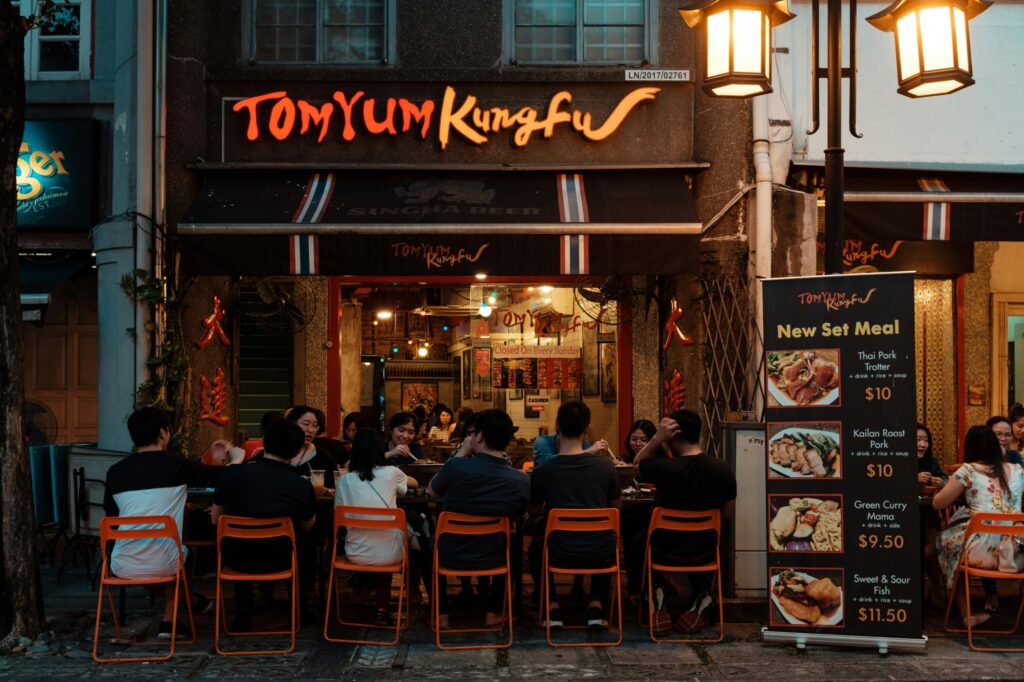
As you sit at a round table, the tropical air cooling slightly on your skin, take a moment to look around. You are not just eating dinner; you are participating in a ritual that defines this island nation. The food in Singapore is a bridge between cultures and generations, a language that everyone speaks fluently.
So as one of your essentials for visiting Singapore, be bold. Order the dish you cannot pronounce. Sit at a table with strangers. Ask the uncle at the drink stall for his recommendation. When you approach Singapore with an open appetite and a curious heart, you will find that you are always welcome at the table. The flavors you discover here will linger in your memory long after you have returned home, a reminder of a city where every meal is a celebration of life itself.