
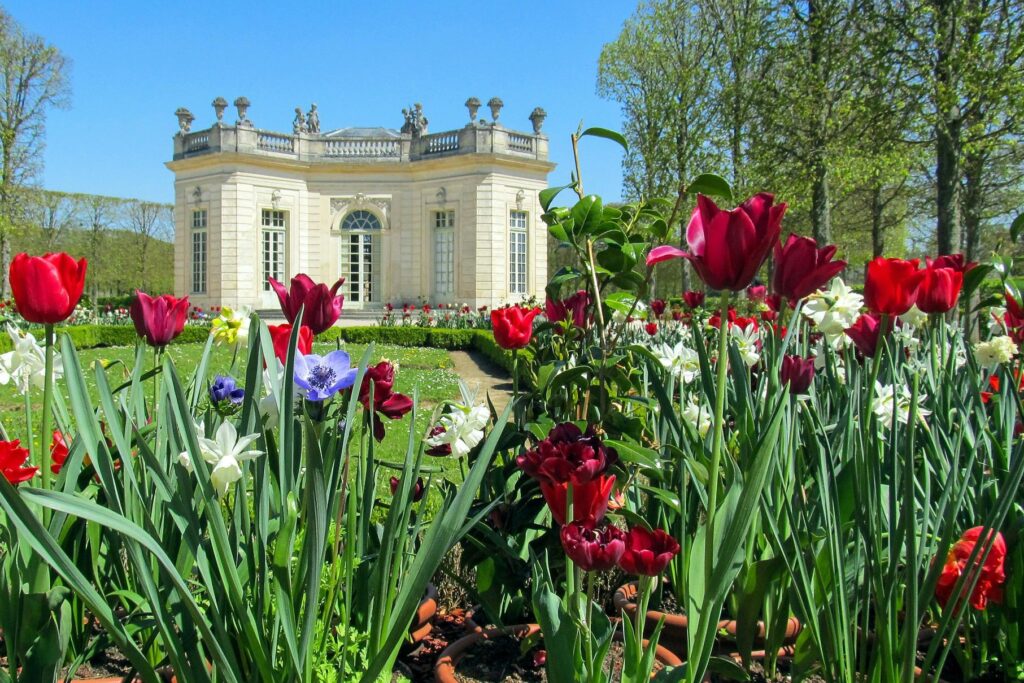
The air at the Petit Trianon sits differently than the rest of Versailles. While the main palace screams with gold leaf and the weight of absolute monarchy, this corner of the estate feels like a secret exhaled by history. It was late afternoon when I wandered past the Temple of Love, the heat of the French summer finally breaking into a soft, honeyed breeze. The smell of crushed lavender and old roses hung heavy in the air, a scent so specific it felt like walking into a memory I didn’t own.
I was sitting on a stone bench near the Queen’s Hamlet, watching the weeping willows dip their fingers into the pond, when she sat down next to me.
She was older, perhaps in her seventies, wearing a straw hat tied with a ribbon the color of a bruised peach. Her hands, resting on the handle of a cane, were elegant but weathered, like fine parchment. She didn’t look like a tourist. She looked like she belonged to the landscape, rooted there as firmly as the ancient oaks.
“She liked the quiet,” the woman said suddenly, her voice crisp and accented, cutting through the hum of the cicadas. “People forget that. They think of the cake and the parties. They forget she just wanted a farm.”
I turned, surprised. “Marie Antoinette?”
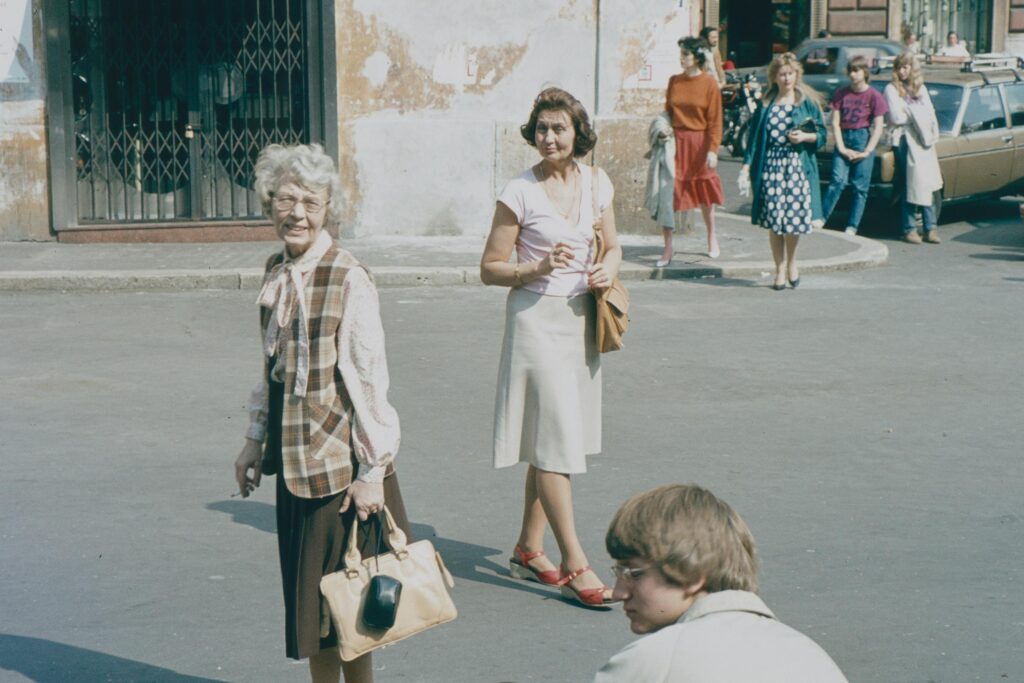
The woman smiled, a small, knowing expression that crinkled the corners of her eyes. “My grandmother,” she corrected gently. “Great-great-great… well, there are many greats. But to us, she is just Grandmère.”
I must have stared, but she didn’t flinch. Whether it was true biological lineage or a spiritual adoption, I couldn’t tell, and frankly, it didn’t matter. She wore the claim with such quiet certainty that the air around us seemed to shift, bridging the centuries.
We sat in companionable silence for a moment before she pointed her cane at a patch of wild daisies growing riotously near the water’s edge, untamed and defiant against the manicured hedges.
“You see those?” she asked. “People try to pull them. They say they are messy. They say they do not fit the plan.” She turned to me, her gaze piercing. “But it is her garden. She chose what grew.”
The conversation drifted, as travel conversations often do, into the territory of the personal. We spoke about the pressure to be something specific; to be professional, to be serious, to minimize the parts of ourselves that feel too soft or too bright. I confessed my own recent struggles with feeling “too much” for the world, my love for vibrant colors and emotional outbursts often dismissed as frivolous.
She laughed, a sound like dry leaves skittering on pavement. “Frivolous? Pfft. That is a word men use when they are afraid of joy.” She leaned in closer, dropping her voice to a conspiratorial whisper. “If you want to wear pink, you wear pink. If you want to build a farm in the middle of a palace, you build it.”
She tapped her chest with a manicured finger. “Being a girl, being a woman… it is not a performance for them. It is for you. It is your garden. You choose what grows. You choose the roses, and you choose the thorns. Do not let anyone come in with their shears and tell you that you are too wild.”
It was a simple metaphor, yet it hit me with the force of a revelation. Standing in the shadow of a woman famously vilified for her excesses, for her refusal to conform to the rigid etiquette of the French court, the message felt radical. It was a reclaiming of space. It was permission to cultivate a life that pleases you, regardless of the audience.
The woman stood up slowly, adjusting her hat. “Tend your soil well, ma chérie,” she said, patting my hand. “And do not apologize for the flowers.”
I watched her walk away down the dusty path, disappearing behind a hedge of blooming jasmine. I stayed on the bench as the sun dipped below the tree line, casting long shadows across the water. The garden around me was no longer just a historical site or a tourist attraction. It was a manifesto. It was a testament to the stubborn, enduring power of deciding who you are, planting your own seeds, and refusing to let the world prune you into something smaller than you were meant to be.