Khao San Road. The name itself conjures images of neon lights, cheap cocktails, and backpackers from around the world. It’s the chaotic, vibrant introduction to Bangkok Thailand for many travelers, myself included. But after a few nights, I felt a pull to find more than this famous street. I wanted to discover the real Thailand Bangkok, the quieter, authentic rhythm beyond the tourist bubble.
My mission was simple: to get lost. I wandered the nameless alleys, or sois, ate where locals ate, and saw the city through the eyes of its residents. Along the way, I found vibrant street food stalls serving mango sticky rice, bustling markets like the Chatuchak Weekend Market, and neighborhoods alive with the daily rhythms of Bangkok’s resident population. Exploring beyond Khao San Road revealed a side shaped by public transport, surrounding provinces, and government agencies that keep this sprawling complex running smoothly.
Why You Should Venture Beyond Khao San Road and Popular Attractions
There’s a certain comfort in the familiar chaos of a tourist hub like Khao San Road. Menus are in English, fellow travelers abound, and everything feels easy. But staying in this bustling city area means missing the essence of Bangkok Thailand: the morning rituals, genuine neighborly smiles, and complex family recipes in the food.
The real Bangkok whispers its charm: the clink of bowls at a noodle stall, incense smoke from neighborhood temples, and children’s laughter in hidden courtyards. To experience this great city, known as Krung Thep Maha Nakhon or the Big Mango, you must step off the beaten path and embrace the unknown.
Journeying to Bangkok Thailand’s Neighborhood Gems
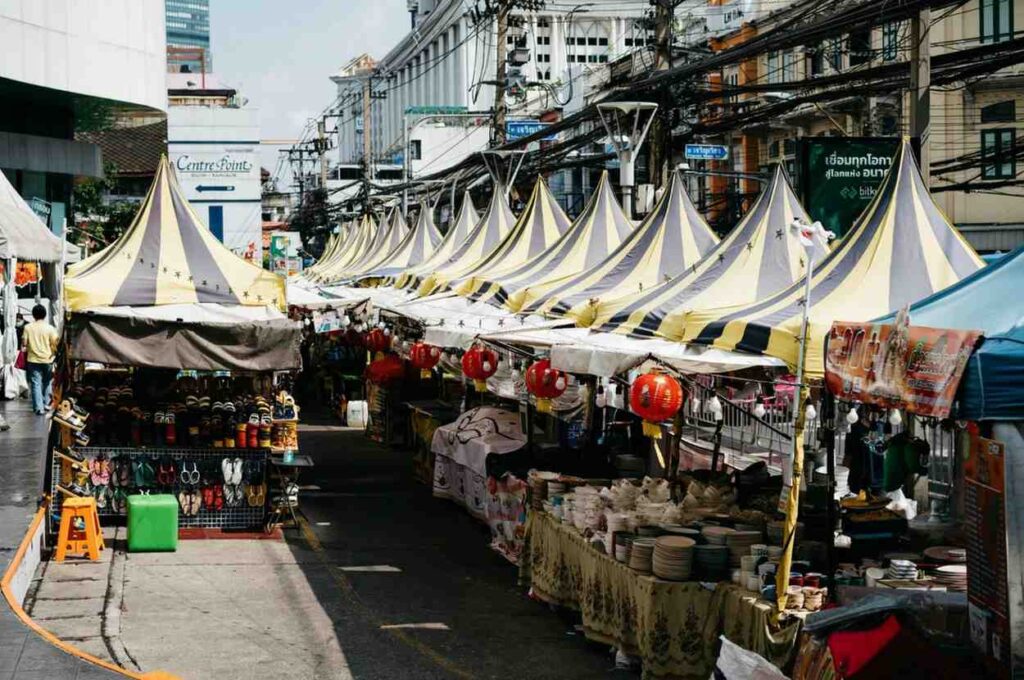
My journey into the authentic side of Thailand Bangkok began with a simple plan: pick a direction and walk. Here are a few of the neighborhoods that captured my heart in this sprawling city, part of the greater Bangkok metropolitan area.
Ari: The Hip and Leafy Enclave
A short Skytrain (BTS) ride away from the bustling city centre, Ari feels like a different world. This neighborhood is a perfect blend of old and new, showcasing the rich local culture alongside modern lifestyle. Its leafy, quiet sois are lined with a mix of traditional Thai houses and incredibly stylish, independent cafes. I spent an entire afternoon here, discovering amazing specialty coffee shops tucked away in residential alleys. The vibe is relaxed and creative, attracting a crowd of young Thai professionals and artists. It lacks the frenetic energy of central Thailand’s largest city, offering a more laid-back pace of life. One of my favorite finds was a small, unnamed cart near the Ari BTS station selling the most incredible grilled pork skewers (moo ping).Talat Noi: The Scrappy, Artistic Soul
Nestled on the edge of Chinatown in Phra Nakhon district, Talat Noi is a historic neighborhood that wears its age with pride. The narrow streets are a chaotic jumble of auto-parts shops, street art murals, and ancient Chinese temples. I loved wandering through its labyrinthine alleys, where every turn revealed something new: a beautifully crumbling wall, a hidden shrine, or a group of old men playing checkers. This area has a gritty, industrial charm and a burgeoning arts scene. It’s a place where the past and present collide in the most fascinating way. I stumbled upon the Sol Heng Tai Mansion, a 200-year-old Chinese courtyard house with a diving pool in the middle, a perfect example of Talat Noi’s wonderfully quirky character.Thonburi: The Other Side of the River
Most travelers to Bangkok Thailand rarely cross the Chao Phraya River delta to its west bank in Thonburi. This was once the capital of Siam and retains a more traditional, almost village-like feel. I took a local ferry across and spent a day exploring its network of canals, or khlongs. The pace of life here is slower. You’ll see wooden houses on stilts, floating markets where vendors sell food from their boats, and lush greenery that feels miles away from the concrete jungle. Visiting the Artist’s House (Baan Silapin), a traditional wooden house right on a canal where you can watch free traditional puppet shows, was a definite highlight.Exploring these local neighbourhoods gave me a glimpse of Bangkok’s rich culture beyond the popular attractions like the Grand Palace and Wat Pho. It’s in these backstreets and quieter corners that the city’s true soul shines, far from the crowds and rooftop bars of the more touristy districts.Local Culture and Daily Life Rhythms
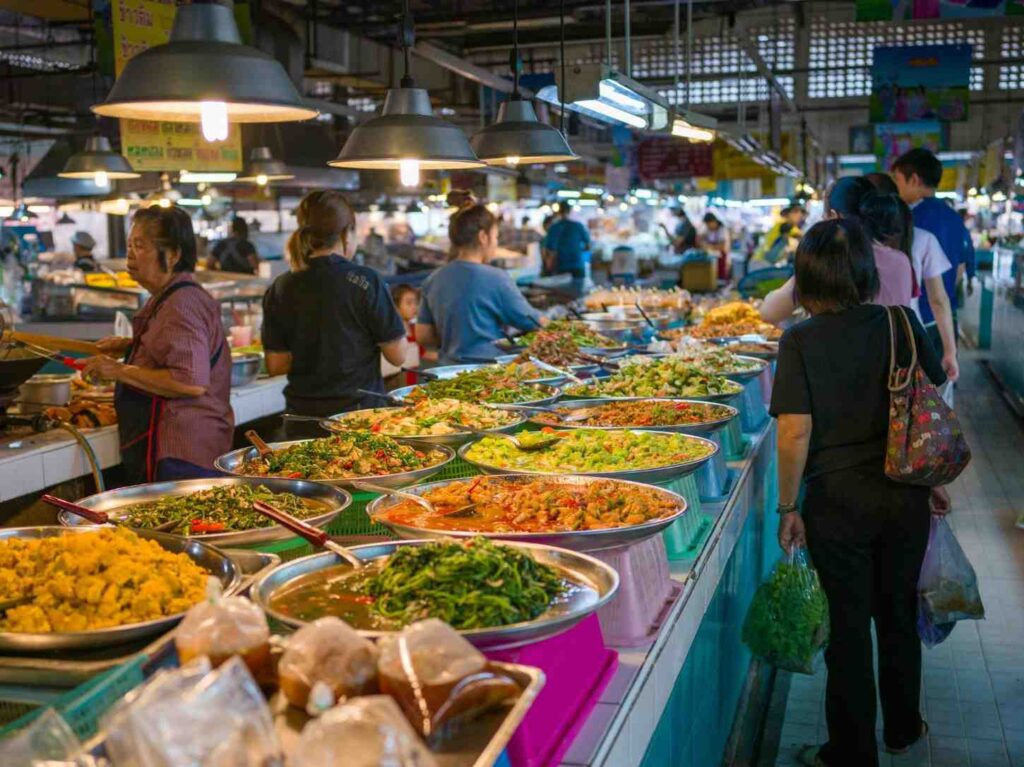
To truly understand a city, you have to observe its daily rhythms. I started waking up early, around 6 AM, to witness Bangkok come to life. In the backstreets, morning markets buzz with vendors arranging fresh vegetables, exotic fruits, and seafood. The air fills with sizzling woks and friendly haggling.
One morning, I followed incense to a small neighborhood temple, one of many religious sites across Thailand Bangkok. Locals offered food to monks during their morning alms round, a simple, centuries-old devotion. These intimate moments reveal a culture beyond major tourist attractions.
Experiencing these daily rituals away from the Grand Palace and bustling crowds at Wat Pho or Wat Arun temple showed a personal side of Bangkok Thailand. In these centrally located temples and markets, the real heart of the city beats beyond famous cultural landmarks.
This rhythm reflects the city’s three seasons: hot season, rainy season starting mid May, and cooler months. Each season shapes market flavors and daily life for Bangkok’s resident population, deepening appreciation for the rich culture and resilience of this populous city in Southeast Asia.
Street Food, Local Eateries, and Food Stalls Off the Beaten Path
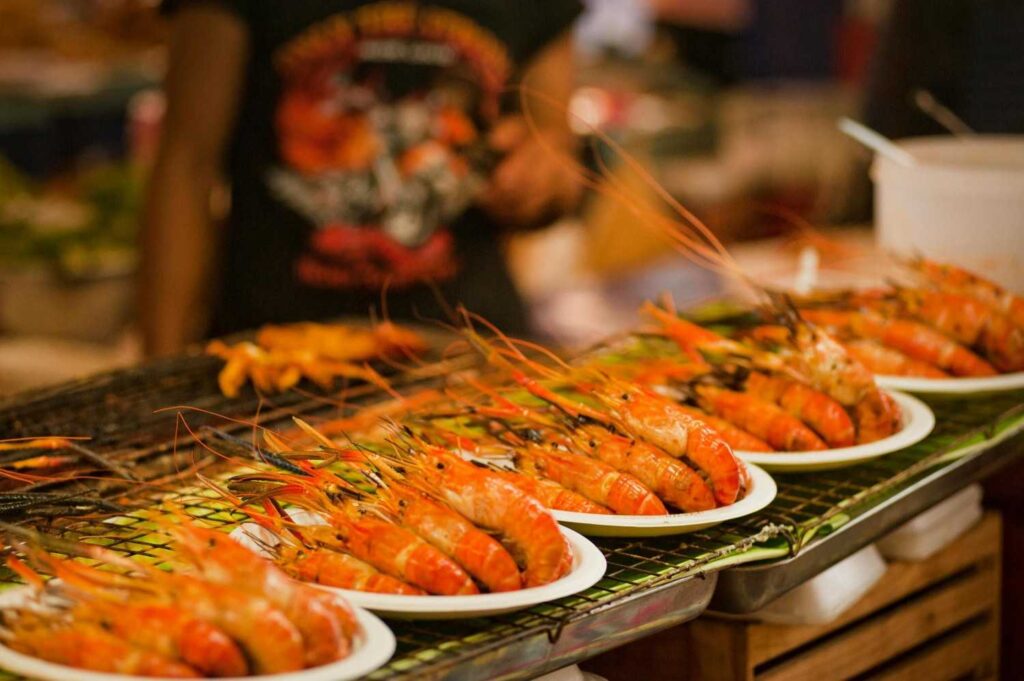
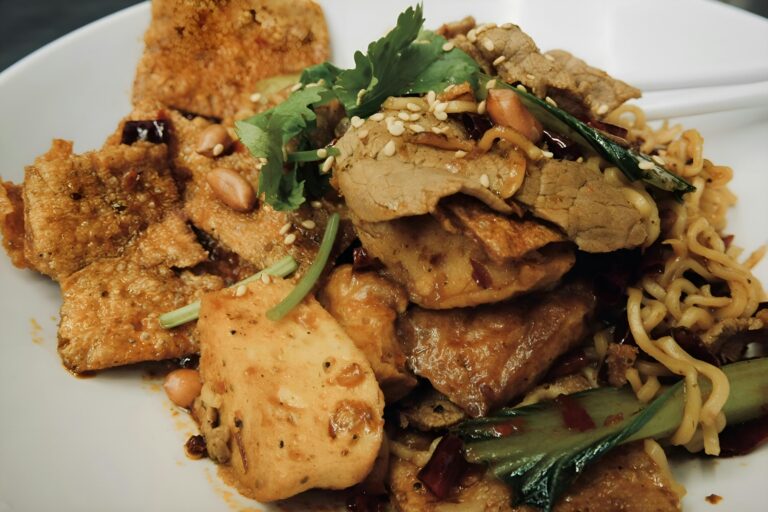
Of course, a huge part of my exploration was about the food. While you can find amazing food everywhere in Bangkok Thailand, the backstreets are where you find the true local treasures and authentic Thai culture. For some of the best local markets and street food, you have to go where the locals go.
- Boat Noodle Alley (Victory Monument): While not exactly hidden, this spot is a local institution in the bustling city. Tucked away next to a canal near Victory Monument, several small restaurants serve tiny bowls of intensely flavorful boat noodles for about 15 baht each. The idea is to stack up your empty bowls. Seeing locals with towers of 20 or 30 bowls was my cue that I was in the right place.
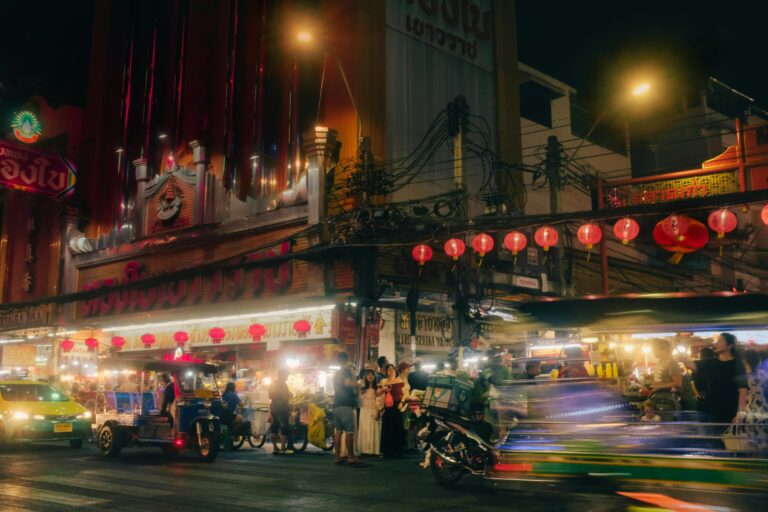
- Charoen Krung Road: This long, historic road is a street food paradise in the heart of the Bangkok metropolis. I had the best roast duck and rice of my life at an unassuming shophouse restaurant called Prachak Pet Yang. The skin was perfectly crispy, and the meat was succulent. It’s been serving this one dish for over a century.
- Jay Fai’s Neighborhood (Maha Chai Road): While the Michelin-starred Jay Fai has a long waiting list, the area around her restaurant is filled with other incredible, family-run eateries. I had an amazing bowl of khao tom (rice soup) at a place just down the street, surrounded by families enjoying their evening meal at food stalls.
Practical Tips for Exploring Bangkok’s Backstreets
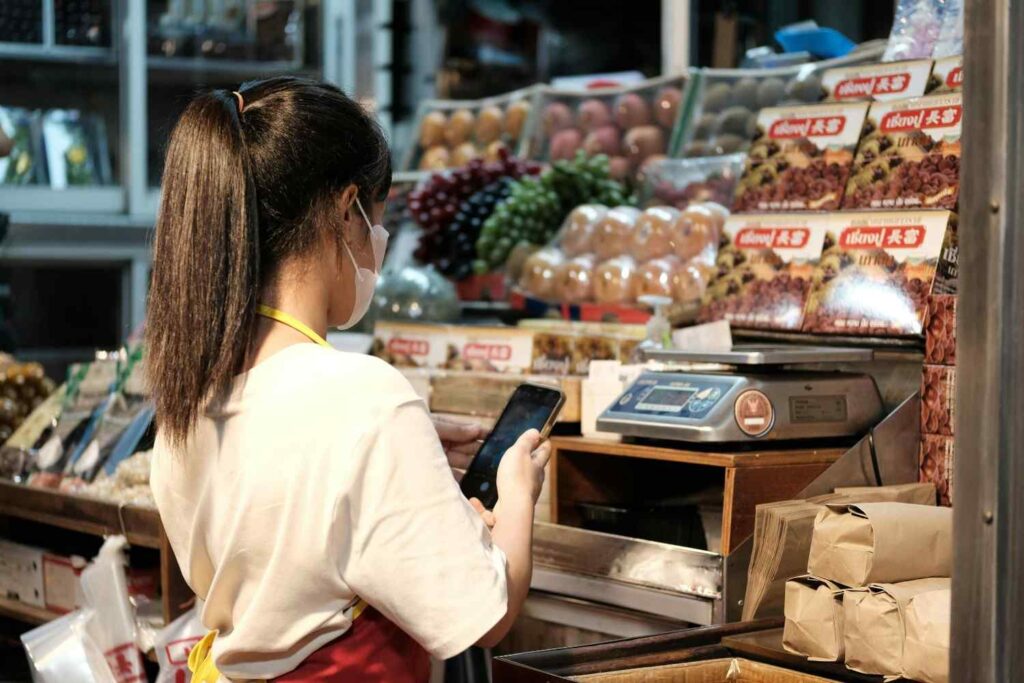
Venturing off the beaten path in Bangkok Thailand is easier than you think. Here are a few tips.
- Transportation: Embrace local transport. The BTS (Skytrain) and MRT (subway) are great for covering long distances. For shorter hops, use motorbike taxis (wear the helmet!) or the iconic tuk-tuks (always agree on a price first). The local buses are incredibly cheap and an adventure in themselves.
- Walking is Key: The best way to discover hidden gems is on foot. Pick a neighborhood, put on comfortable shoes, and just wander. Don’t be afraid to turn down a small alley.
- Safety: Bangkok is generally a safe city, but always be aware of your surroundings, especially at night. Keep your valuables secure.
- Basic Thai Phrases: Learning a few phrases goes a long way. “Sawasdee” (hello/goodbye), “Khop Khun” (thank you), and “Aroi” (delicious) will always be met with a warm smile. Pointing and smiling also works wonders.
Find Your Own Bangkok
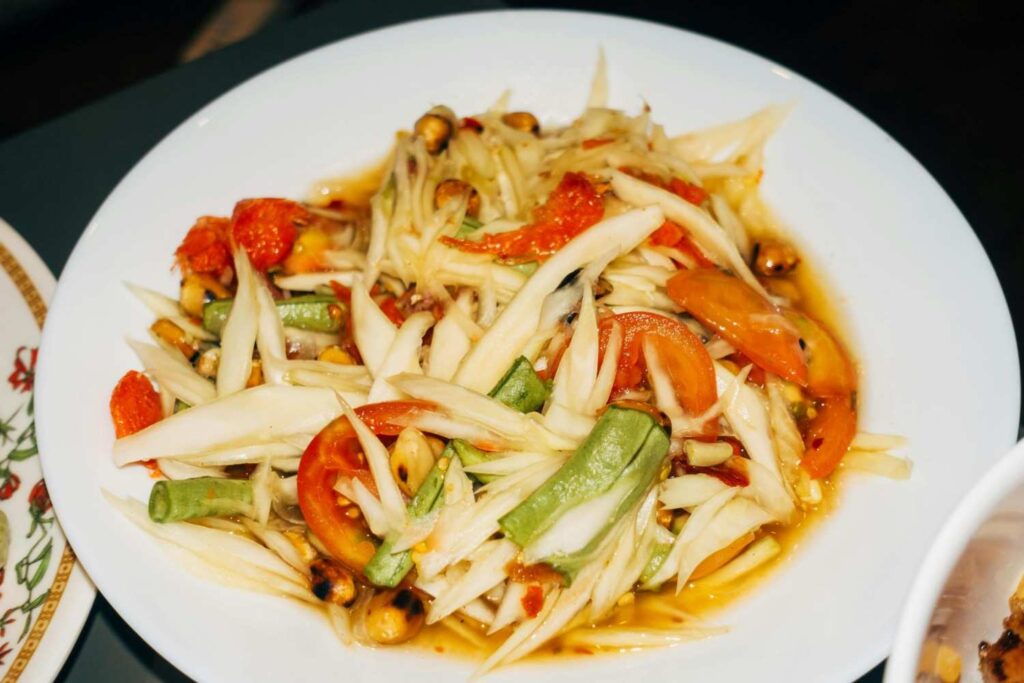
My journey into the backstreets of Thailand Bangkok taught me that the most rewarding travel experiences often happen when you let go of the plan. Khao San Road is a fun and easy starting point, but it is just one tiny facet of this immense and incredible city. The real Bangkok is a city of endless discovery, a place where ancient traditions and modern life exist side by side in a beautiful, chaotic dance.
I encourage you to look beyond the guidebooks. Use the Skytrain to go a few stops further into the city centre, explore vibrant local neighbourhoods, and cross the Chao Phraya River to discover areas less traveled. Follow a scent that intrigues you or wander through bustling markets reminiscent of the famous Chatuchak Weekend Market, also known as JJ Market. Your own unique Bangkok adventure is waiting for you in those vibrant, winding backstreets filled with street food stalls, local culture, and the city’s rich history.
Whether you’re arriving via Bangkok International Airport or staying at one of the many hotels near Lumpini Park or the Grand Palace, take time to explore the sprawling complex of cultural landmarks like Wat Pho, Wat Arun Temple, and the Emerald Buddha at Wat Phra Kaew. Experience the nightlife beyond rooftop bars and exquisite dining at shopping centres and largest shopping malls scattered across the metropolitan area.
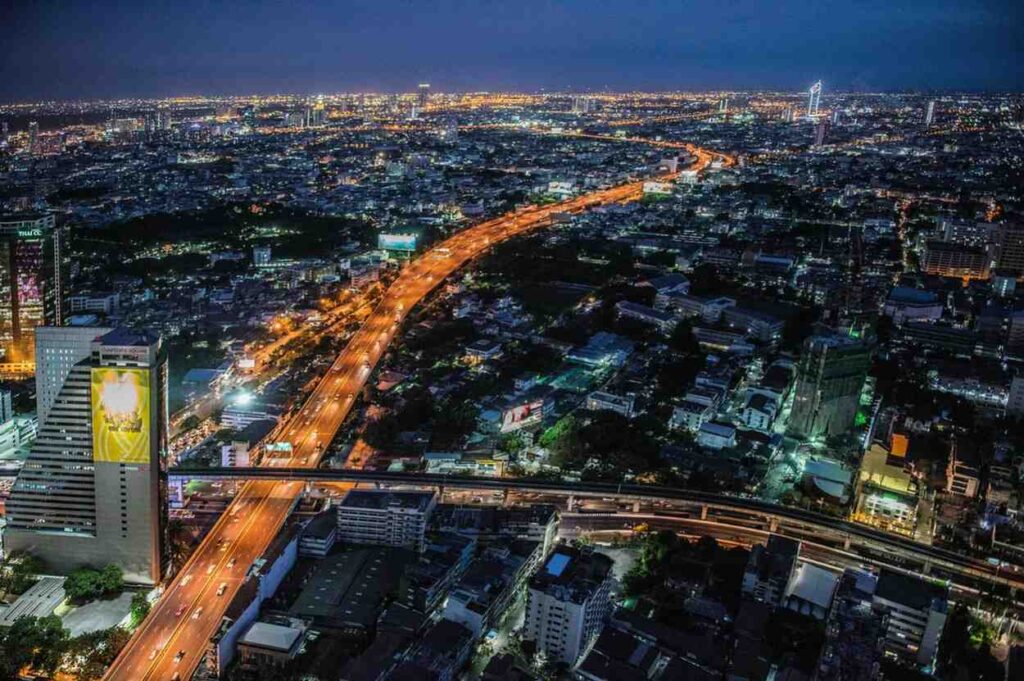
Bangkok Thailand is not just the capital or the bustling city known as the Big Mango; it is also home to thriving financial institutions, administrative boundaries that define its sprawling metropolis, and a resident population that embraces both tradition and modernity. So, whether your trip is for leisure or business, be sure to venture off the beaten path, and discover the real heartbeat of this great city, where private cars share the streets with tuk-tuks and public transport, and more than half of the city’s charm lies in its hidden corners.
For a deeper dive into Bangkok’s vibrant cuisine, check out our Bangkok Thailand Street Food Guide: 10 Must-Try Dishes in the Thai Capital.