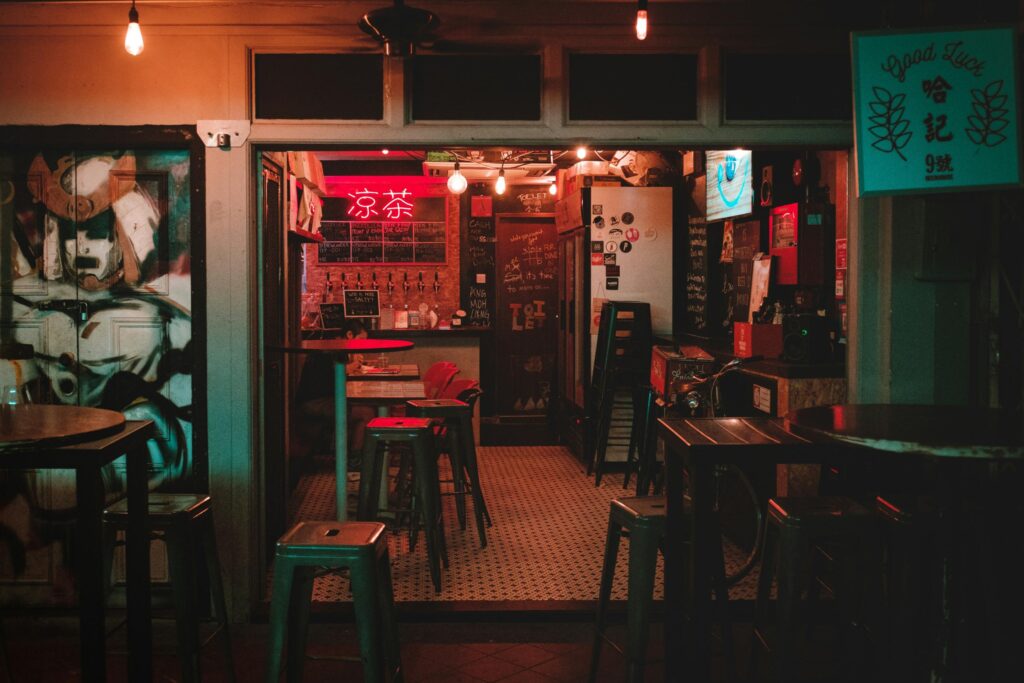
The restaurant is a universe humming with life. Steam clouds the windows, blurring the neon glow of the street outside into a soft watercolor wash. The air is thick with the scent of sizzling garlic, star anise, and the unmistakable, soul-warming aroma of wok hei, a hallmark of authentic Chinese cuisine.
A symphony of sounds surrounds you: the rhythmic clatter of chopsticks on porcelain, the roar of a wok over a flame, and the rise and fall of conversations in a dialect you do not understand. The excitement of tasting spicy Sichuan cuisine, delicate Cantonese dim sum, Dong Po Rau, or classic dishes featuring fresh seafood, pork ribs, chicken, and beef wraps you around. You might have seen it on Facebook or somewhere, and you cannot wait to reach the level of culinary experience you’re going to leave with on this place.
Then… the menu arrives, a beautiful scroll of characters with no pictures and no English. This is the moment. It is a threshold between being a tourist and becoming a traveler, and the key to crossing it is learning the subtle art of the Chinese food recommendation.
Knowing More Words Than Peking Duck and Dim Sum
Ordering in a local Chinese restaurant without a shared language can feel like a daunting leap of faith. But it is in this vulnerability, this moment of pointing and smiling and hoping for the best, that the most beautiful travel memories are made. Forget the picture menus and English-speaking hosts for a moment.
Come sit with us at this wobbly table, and we will share the secrets to ordering like a local, province by province, guided by chefs and locals alike. This article will be your inspiration to explore the regional differences of Chinese food, paired perfectly with a glass of tea or a bowl of rice, and shared with friends and family over lunch or dinner.
Learning how to order properly is the first step in embracing the city’s vibrant culinary scene, sweet desserts, save these tips, and be fluent enough to hear and comment on the stories behind every dish as you create unforgettable meals on your trip.
Read the Room, Not Just the Menu
Before you even think about the menu, take a deep breath and observe the vibrant scene around you. The best Chinese food recommendation often comes from watching what locals enjoy most. Is it a whole steamed fish, a bubbling claypot, or a colorful plate garnished with fresh cucumber and fiery red chilies? These dishes reveal the restaurant’s signature flavors and specialties.
Use the art of the point-and-nod to communicate your choice. Catch the waiter’s eye, offer a warm smile, and gesture towards the popular dish on a neighboring table. Saying “我要那个” (wǒ yào nà ge), meaning “I want that one,” is your universal passport to a delicious meal. This simple gesture shows you trust local favorites and opens the door to an authentic dining experience designed to delight your palate.Remember that no matter if you’re in a house-style restaurant or a modern establishment with a view, this approach bridges language gaps, letting you enjoy regional specialties and classic dishes served fresh, often paired with tea or a refreshing glass of water with straw. So next time you visit a Chinese restaurant, especially on weekends when the atmosphere is lively, let your eyes guide you and your heart agree with the locals’ choice.The Regional Rhythm of Ordering in Chinese Restaurants
China is not a monolith of flavor; it is a continent of cuisines. What locals crave in Sichuan is vastly different from a Shanghainese comfort meal. Tuning into these regional desires is key to an authentic Chinese food recommendation.- In Sichuan or Chongqing: Look for anything red, signaling the bold use of dried chilies and Sichuan peppercorns characteristic of sichuan cuisine. Dishes like 水煮鱼 (shuǐ zhǔ yú, water-boiled fish) or 麻婆豆腐 (mápó dòufu, mapo tofu) offer the signature numbing and spicy sensation known as 麻辣 (má là).
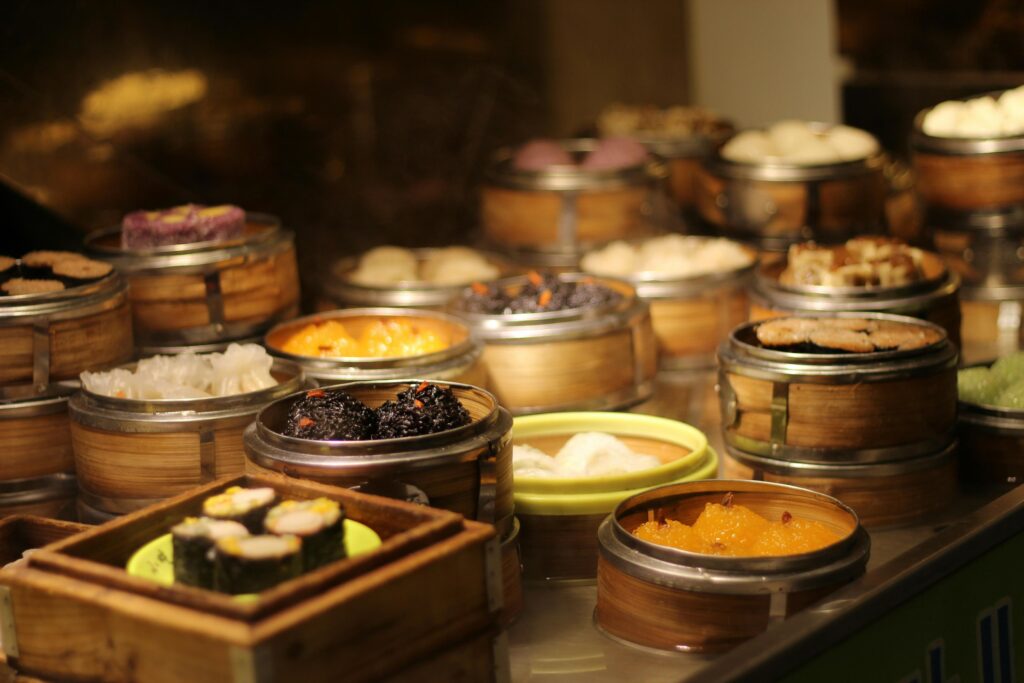
- In Guangdong (Canton): Cantonese cuisine emphasizes freshness and natural flavors in Guangdong, or 鲜味 (xiān wèi). At a dim sum brunch, observe which bamboo steamers empty fastest: shrimp dumplings (xiā jiǎo) and pork and mushroom dumplings (shāo mài) are local favorites. For dinner, a whole steamed fish highlights the region’s dedication to quality seafood dishes.
- In Shanghai: The palate favors sweetness with dishes featuring a glossy, dark sheen. 红烧肉 (hóng shāo ròu), a braised pork belly, exemplifies the region’s slow-cooking artistry and rich flavors.
- In Beijing: Known for imperial cuisine and hearty wheat-based meals, Beijing’s specialties extend beyond peking duck to include popular dishes like 炸酱面 (zhá jiàng miàn), noodles topped with savory fermented soybean paste.
A Few Words to Open Doors
While pointing is effective, learning a few words of Chinese for restaurant use can transform your experience. Your pronunciation does not have to be perfect. The effort itself is a gesture of respect that is almost always met with warmth.
- “这个是什么?” (Zhège shì shénme?) – “What is this?” This is a great phrase to use while pointing at the menu or a dish.
- “你有什么推荐?” (Nǐ yǒu shé me tuījiàn?) – “Do you have a recommendation?” This hands the reins over to the expert and can lead to incredible discoveries.
- “好吃!” (Hǎo chī!) – “Delicious!” A heartfelt hǎo chī directed at the cook is the most universal thank you. Watch their face light up.
The Communal Dance of Dining
Dining in China is a communal experience centered around sharing. Dishes are served as they are prepared and placed in the middle of the table for everyone to partake in, creating a lively and harmonious atmosphere. A customary gesture is to pour tea for others before filling your own cup, and to express gratitude when someone pours tea for you, lightly tapping your index and middle fingers on the table; a subtle yet meaningful sign of appreciation.
At the end of the meal, a friendly “battle” over who will pay the bill often unfolds, reflecting the cultural value placed on generosity. While guests are not expected to win this playful contest, offering to pay is seen as a respectful and warm gesture that helps foster connections beyond language barriers.
This shared dining style enhances the enjoyment of classic dishes featuring fresh seafood, crab meat, pork ribs, and other meats, making every meal a memorable occasion. Whether you’re at a bustling local restaurant or a refined establishment in a vibrant city like Singapore, embracing these customs will enrich your Chinese food recommendation experience and deepen your appreciation of the culture. For more on these etiquettes, check the article: Good Chinese Restaurant Etiquette.
Embrace the Delicious Unknown
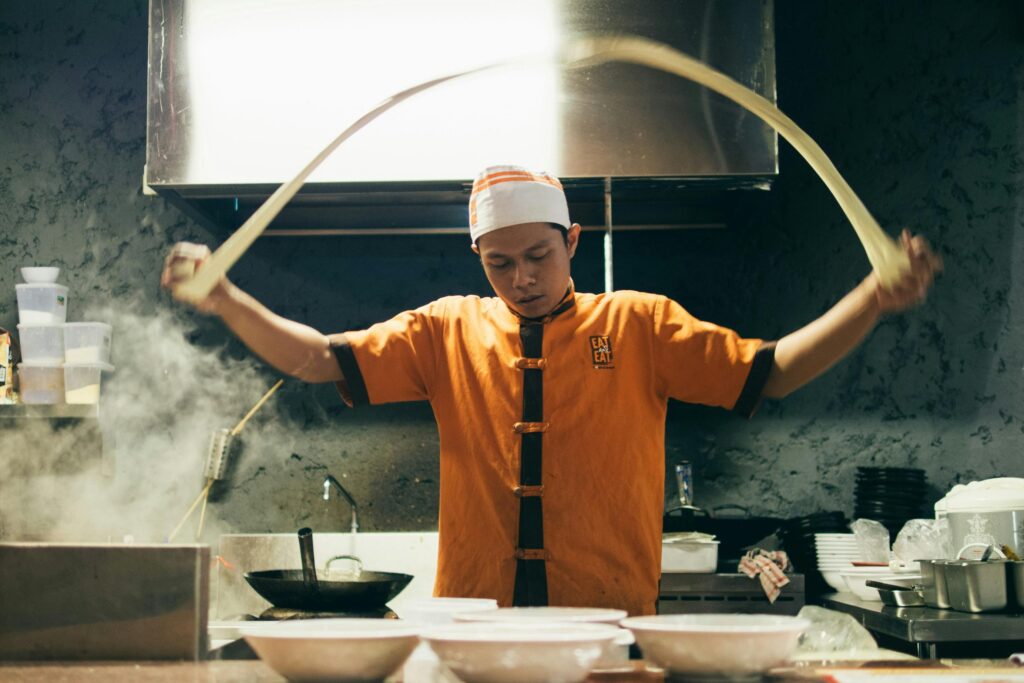
Walking into a restaurant where you do not speak the language is an act of trust and adventure. You place your appetite and your evening in the hands of strangers, opening yourself to new flavors and stories. There may be moments of confusion or an unexpected dish, but within that shared space lies immense generosity and a connection that goes beyond words.
Next time you find yourself outside a lively local eatery, its windows fogged with steam and filled with enticing aromas, take a chance. Step inside, read the room, make eye contact, and point with confidence. You might not know every item on the menu, but you’re inviting an authentic dining experience that goes beyond just food. You’re welcoming a story, a moment of cultural exchange, and a memorable meal to share with friends or family. Cheers to embracing the delicious unknown and creating lasting memories on your day of exploration.