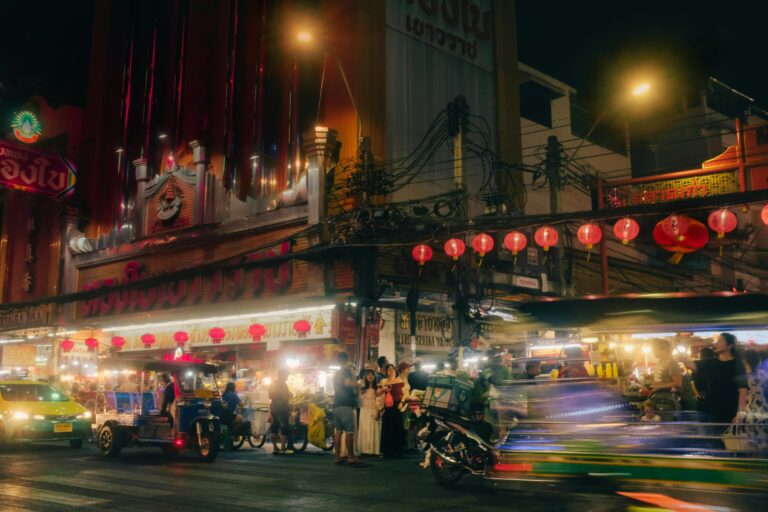
The sun sets over Singapore, painting the sky in soft shades of mango and rose, and the city reveals its truest self. It happens in the hawker centres, those humming, open-air cathedrals of food. The air, thick with tropical humidity, becomes a fragrant tapestry woven from turmeric and star anise from Indian food stalls, the sweet, smoky char of Chinese-style satay grilled meat skewers, and the bright, citrusy notes of lemongrass from Malay kitchens. Here, under fluorescent lights, the rich and complex cuisine in Singapore tells its story; a tale of migration, love, and harmony at a shared table.
To eat in Singapore is to taste history. The island’s menu was written by sailors, merchants, and immigrants who brought recipes from their homelands. Over generations, these flavors mingled to create a food cuisine in Singapore that is uniquely its own. From fragrant rice cooked with chicken fat to crispy fried chicken, savory chili crab to tender chicken cutlet, every dish reflects the vibrant heritage of Singaporean dishes found at hawker centres and food centres throughout the city.
The Chinese Influence: Wok Hei and Hearty Broths
The sizzle of a hot wok is one of the most iconic sounds of Singapore. Chinese culinary traditions form a major pillar of the local food scene, with dishes brought over by immigrants from different provinces. From the heartlands to the central business district, you will find these beloved staples at hawker centres and food centres throughout the city.
Hainanese Chicken Rice & Char Kway Teow
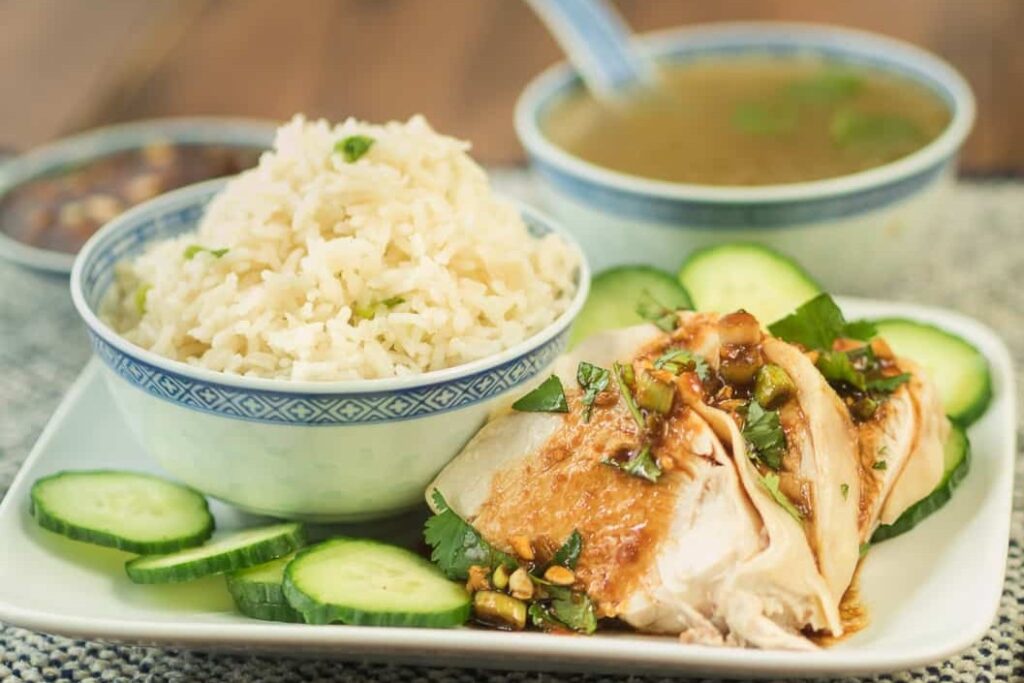
One of the most essential and popular dishes in Singapore is Hainanese Chicken Rice. Deceptively simple, it is a masterpiece of subtlety. Silky, poached or roasted chicken is served at room temperature alongside fragrant rice cooked with chicken fat, ginger, and pandan leaves. It is the accompanying spicy chili sauce and savory sauce that elevate the dish to legendary status.
Another favorite is Char Kway Teow, a smoky stir-fry of flat rice noodles, cockles, and Chinese sausage, all coated in a dark soy sauce and imbued with the magical, charred aroma known as wok hei (breath of the wok). This dish is often cooked with pork lard and includes ingredients like fish cake, bean sprouts, and egg noodles for added texture and flavor.
The Malay Heritage: Aromatic Spices and Slow Simmering
The indigenous Malay culture brings a depth of flavor characterized by aromatic herbs and slow-cooked goodness. Wander through the Geylang Serai Market and the air is perfumed with lemongrass, galangal, and coconut milk. Malay cuisine in Singapore is soulful and comforting, showcasing dishes like chicken curry and nasi lemak, where fragrant steamed rice is paired with spicy sauce and sambal chili.
Beef Rendang & Satay
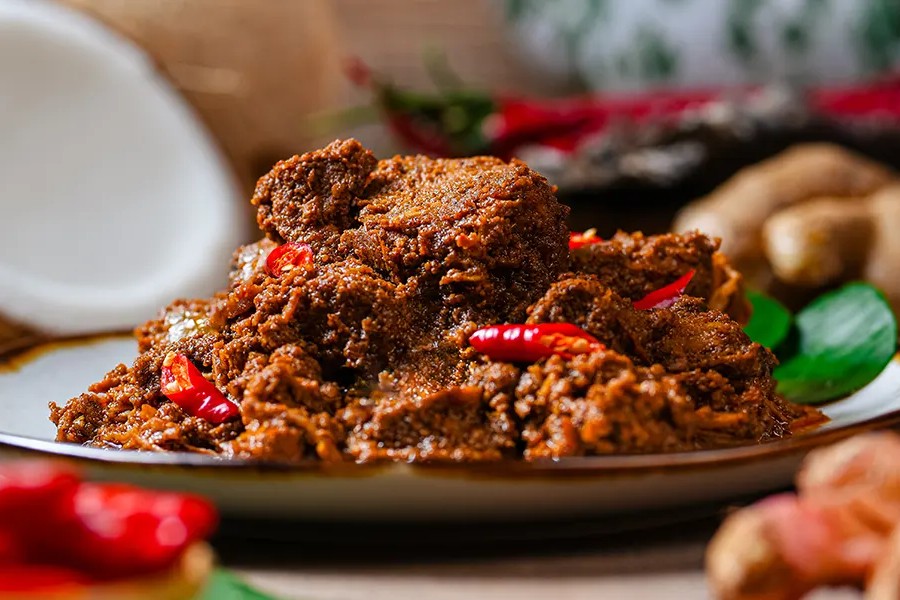
A perfect example is Beef Rendang, a slow-simmered stew where chunks of beef become incredibly tender in a rich, dry curry of coconut cream and a complex spice paste. It is a dish of patience and love. Satay is another beloved contribution, featuring grilled meat skewers of marinated chicken or mutton cooked over charcoal until lightly charred. These skewers are served with a sweet and spicy peanut sauce, raw onions, cucumber, and a squeeze of fresh lime juice, embodying the savory flavors that define Malay cooking.
The Indian Connection: Fiery Curries and Flaky Breads
In the vibrant neighborhood of Little India, the air thrums with energy and the scent of freshly ground spices. The Indian influence on cuisine in Singapore is bold, complex, and utterly delicious, showcasing the rich flavors of Indian food that have become integral to Singapore food culture. It is here that one of Singapore’s most unique creations was born: Fish Head Curry.
Fish Head Curry & Roti Prata
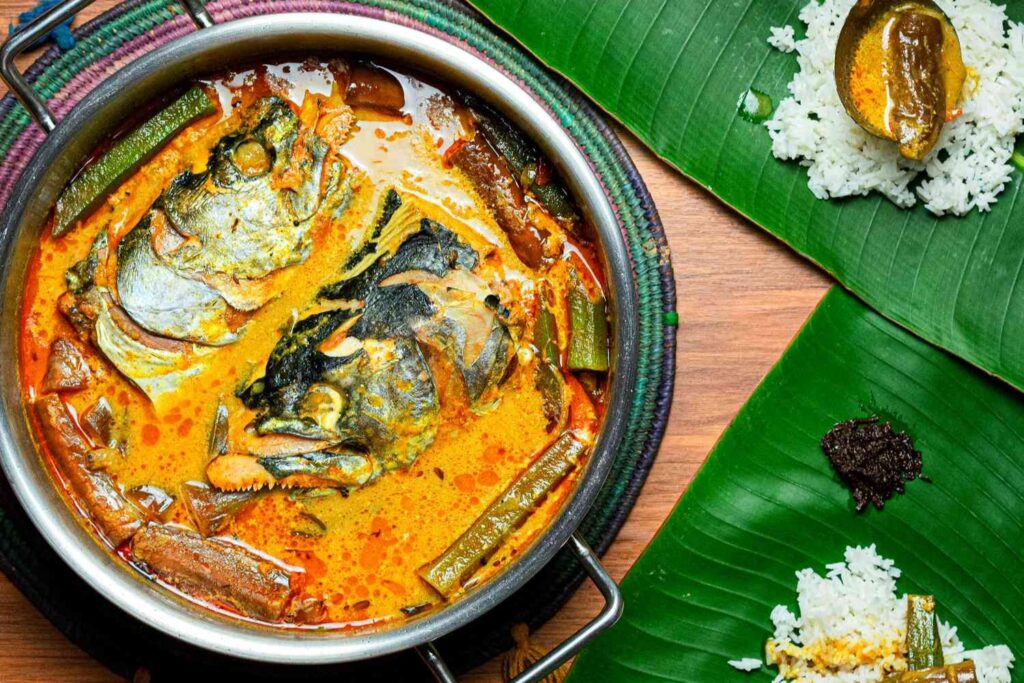
A whole fish head is braised in a tangy, fiery South Indian-style curry sauce with vegetables like okra and eggplant, embodying the perfect fusion of Chinese and Malay influences with Indian spices. This show-stopping dish is meant for sharing and highlights the innovative spirit of Singaporean dishes.
For a simpler pleasure, the Roti Prata is a flaky, buttery flatbread made from rice flour, stretched and flipped by masters until paper-thin, then grilled and served with a flavorful curry sauce for dipping. These dishes are commonly found at hawker centres and local restaurants in Singapore, offering authentic street food experiences that capture the essence of Singapore cuisine.
The Peranakan Fusion: A Taste of Baba-Nyonya Culture
Perhaps no cuisine in Singapore better represents the melting pot than Peranakan, or Nonya, food. Born from the intermarriage of Chinese immigrants and local Malays, this unique culinary tradition is a true fusion of flavors. It combines Chinese cooking techniques with Malay spices and ingredients, often featuring fragrant rice cooked with coconut cream and palm sugar.
Laksa & Babi Pongteh
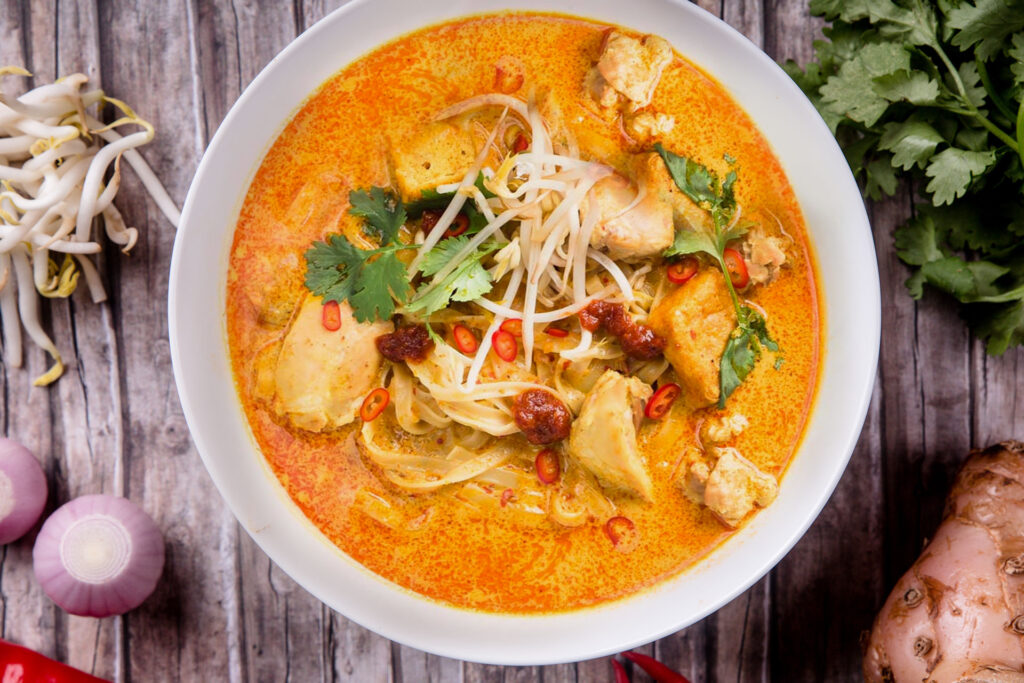
Laksa is the superstar of Peranakan cooking. The Katong-style version features a creamy, spicy coconut broth, thick rice noodles or vermicelli noodles, prawns, and fishcake. It is a complex, soul-warming soup that is both rich and refreshing.
Another classic is Babi Pongteh, a comforting stew of pork belly braised in a sweet and savory sauce of fermented soybeans. These dishes tell a story of two cultures becoming one, creating something new and beautiful in the process. You can find these flavorful Peranakan food dishes at the best hawker stalls and food centres like Maxwell Food Centre and Airport Road Food Centre, where locals gather to enjoy authentic tastes.
Rice Cake, Carrot Cake, & Peranakan Snacks
Peranakan cuisine also includes dishes such as steamed rice cake and carrot cake, often served with a tangy chilli sauce. The cuisine’s use of yellow egg noodles, minced pork, and sliced pork in various dishes highlights its Chinese roots, while the incorporation of coconut milk and palm sugar reflects Malay influences. Popular snacks like oyster omelette and fried tofu are also part of the Peranakan culinary repertoire, enjoyed alongside a cup of kopi at a traditional coffee shop. The blend of sweet sauce and spicy chili sauce creates a balance of flavors that is uniquely Singaporean.
Exploring Peranakan food through a guided food tour is one of the best ways to experience the depth and variety of Singapore cuisine, allowing you to savor dishes like kaya toast with soft boiled eggs for breakfast and end the day with a refreshing Singapore Sling cocktail.
The Shared Table
From the Michelin-starred Bak Chor Mee (minced pork noodles) at a humble hawker stall to the messy, glorious indulgence of chilli crab or black pepper crab by the sea, the dishes in Singapore are more than just food. They are an invitation to connect. They are a celebration of diversity, a testament to the idea that different flavors, when brought together with respect and creativity, can create something far greater than the sum of their parts.
So, when you visit, do as the locals do. Follow the longest queue at the hawker centre. Share your table with a stranger. Order something you cannot pronounce. You will find that the true essence of Singapore food is not just in the incredible taste, but in the warmth of the community that gathers to enjoy it. Whether it’s the flavorful rice accompanying roasted chicken or the tender pork slices in a rich stew, every bite tells a story.
Immerse yourself with trying dishes featuring pork bones simmered to perfection, crispy fried chicken, or fragrant basmati rice that elevates a meal. End your adventure with glutinous rice as an often featured ingredient in traditional snacks and desserts; this is where you can say that you have completed the diverse culinary tapestry of Singapore.