While Paris has its undeniable romance and the French Riviera its glamorous allure, the true heart of France beats strongest in its villages. Tucked away in rolling vineyards, perched atop dramatic cliffs, and nestled along winding rivers, these communities are where French culture feels most alive. To explore a French village is to step into a postcard, a world of cobblestone streets, flower-filled window boxes, and the simple joy of a freshly baked croissant from the local boulangerie. This is a side of France that offers a different kind of magic, one that is slower, more intimate, and deeply rewarding.
This guide will take you on a journey beyond the major cities to discover the charm of French village life. We will explore some of the most beautiful villages that are, in themselves, top France tourist places. Forget the long queues and crowded boulevards; prepare to be captivated by the authentic beauty and timeless appeal of rural France. This is your invitation to slow down, savor the moment, and discover the soul of the country.
The Allure of a French Village: Beyond the French Riviera and Loire Valley
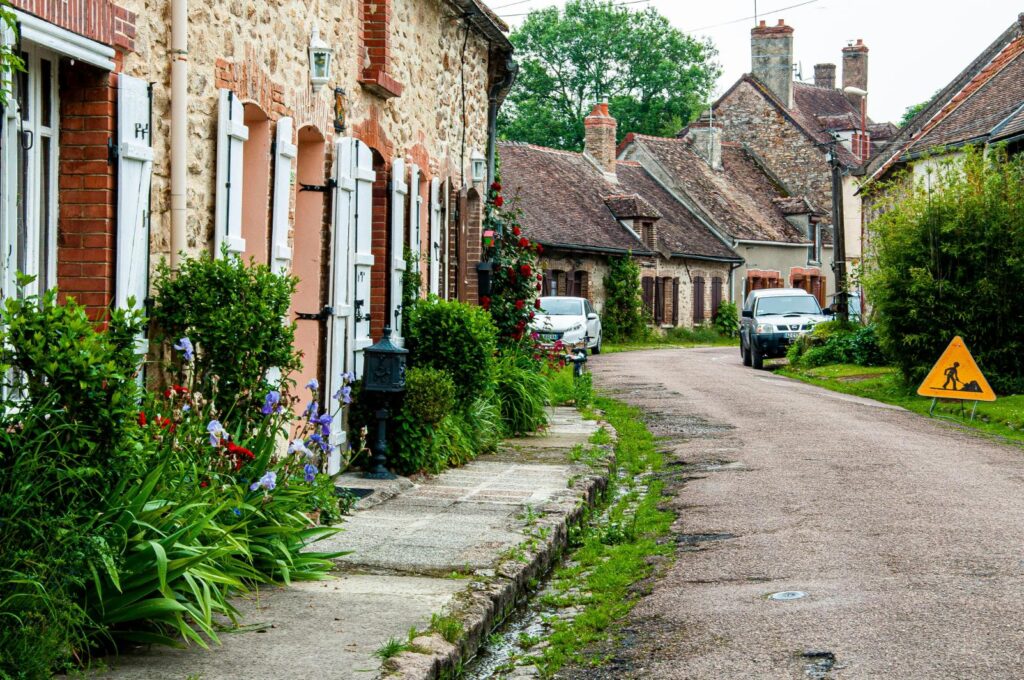
What is it about a French village that so captures the imagination? It is a combination of things. It is the visual beauty of ancient stone houses with colorful shutters, all clustered around a centuries-old cathedral or church, often preserved with remarkable care. It is the sensory experience of hearing the church bells chime on the hour, smelling fresh bread baking, and tasting wine made from grapes grown just down the road.
Life in these small villages revolves around community and tradition, deeply rooted in France’s rich history. The weekly market is not just a place to shop; it is a social event where travelers and locals alike gather. The local café is a gathering spot for neighbors to catch up over a morning coffee or an evening aperitif. This slower pace of life invites you to connect with your surroundings in a more meaningful way, turning a simple vacation into a rich cultural immersion.
Many of these villages are located in regions with significant historical importance, such as the Alsace region, known for its preserved German influence from the World War era, or Normandy, with its proximity to Mont Saint Michel and sites related to the German occupation during World War II. Exploring these towns offers a unique sense of place and history, making them top France tourist attractions beyond the usual city destinations.
Whether you arrive in the south near the French Riviera or explore the north around Lyon and Burgundy, these villages offer a glimpse into the life shaped by French royalty, fairy tale châteaux, and centuries of European history. For those interested in cultural immersion, some villages have even been featured in popular TV series like Un Village Français, which portrays life during the German occupation in World War II.
In any season, including winter and fall, these villages maintain their charm year round, with festivals, markets, and local traditions that keep the spirit of rural France alive. For travelers seeking a few day trips from major cities, visiting these small villages along the Rhône River or in the west near Bordeaux provides an authentic and unforgettable experience.
Be A Belle: The Beauty of French Villages
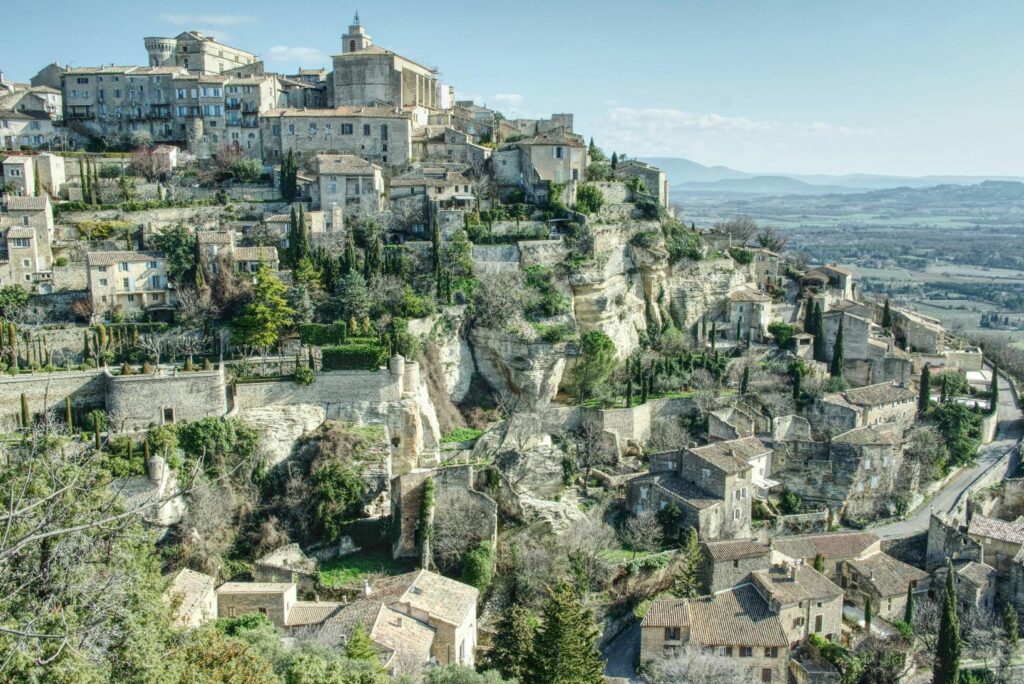
Many villages in France are so beautiful they have been officially designated as “Les Plus Beaux Villages de France” (The Most Beautiful Villages of France). Here are a few that are must-see France tourist places in their own right.
Gordes, Provence
Perched dramatically on a hillside in the Luberon region of Provence, Gordes is the quintessential French village of your dreams. Its narrow, winding streets spiral up to a magnificent Renaissance château at the top, offering breathtaking views of the surrounding lavender fields and olive groves. The entire village is built from local dry stone, giving it a beautiful, harmonious honey-colored glow, especially at sunrise and sunset.
Eguisheim, Alsace
Located on the Alsatian Wine Route, Eguisheim looks like it was plucked straight from a fairytale. The village is built in concentric circles around a central château. Its narrow streets are lined with brightly colored, half-timbered houses adorned with overflowing flower boxes. It is a delight to wander through, sampling the local Riesling and Gewürztraminer wines from family-owned cellars.
Collonges-la-Rouge, Nouvelle-Aquitaine
As its name suggests, Collonges-la-Rouge is famous for its unique red sandstone buildings. The entire village glows with a warm, reddish hue, creating a striking contrast against the green countryside. With its turrets, towers, and charming alleyways, this village has a distinct medieval feel. It’s a photographer’s paradise, with every corner revealing a new, beautiful scene.
Saint-Cirq-Lapopie, Occitanie
Clinging precariously to a cliff face 100 meters above the Lot River, Saint-Cirq-Lapopie is a breathtaking sight. This medieval village is a maze of steep, cobblestone lanes, fortified gates, and beautiful Gothic houses. It has long been a haven for artists, drawn by its dramatic beauty and inspiring views. Today, you can explore many small artisan shops and galleries tucked into its ancient buildings.
More Than This Provincial Life
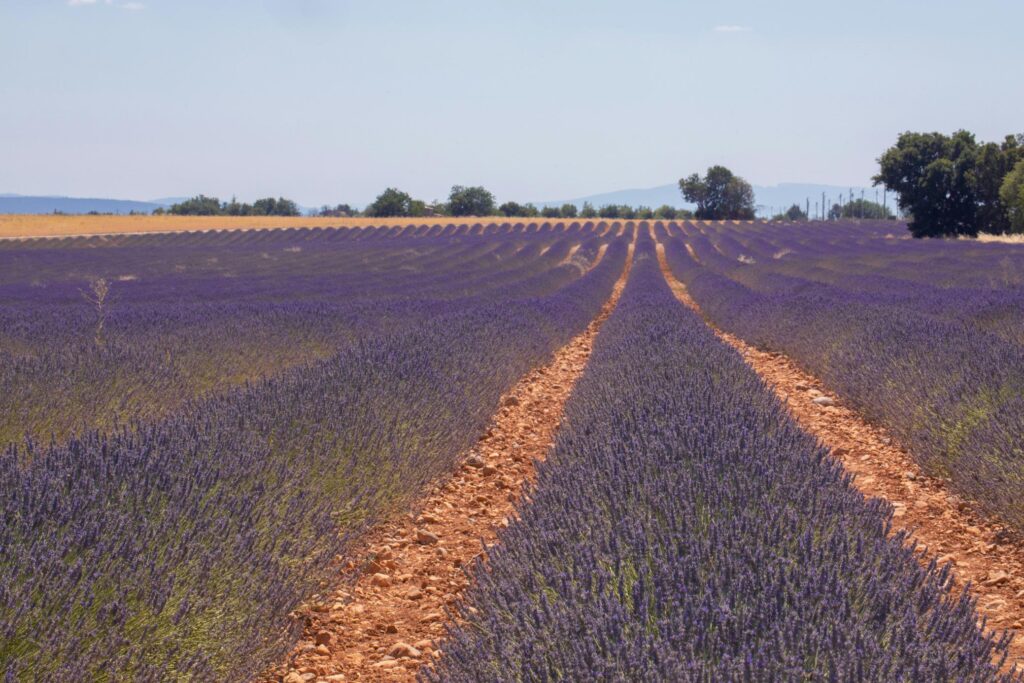
Many of France’s most famous attractions are not in big cities but are found within or near these charming villages, blending history and natural beauty.
The Lavender Fields of Provence
Near the village of Gordes, you will find some of the most iconic France tourist attractions: the lavender fields of Provence. The best time to visit is from late June to early August when the fields are a vibrant sea of purple. The nearby Abbaye Notre-Dame de Sénanque, a 12th-century Cistercian abbey surrounded by lavender, is one of the most photographed spots in France.
The Dordogne River Valley
The region around the Dordogne River is rich with history and dotted with incredible villages like Beynac-et-Cazenac and La Roque-Gageac. Here, you can explore prehistoric cave paintings at Lascaux, visit imposing medieval castles like the Château de Castelnaud, and take a traditional boat trip on the river. The combination of history and natural beauty is staggering.
The Wine Routes of Alsace and Burgundy
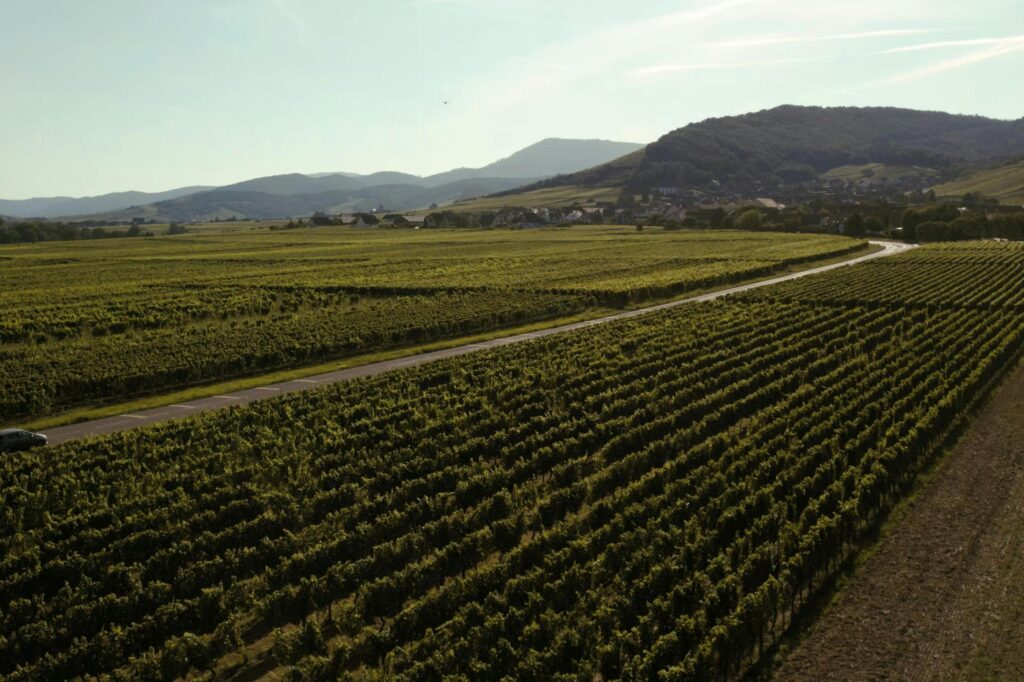
The wine routes are fantastic France tourist places that connect dozens of charming villages. Driving or cycling along the Route des Vins d’Alsace takes you through places like Eguisheim and Riquewihr. In Burgundy, the Route des Grands Crus winds through world-famous wine villages like Meursault and Gevrey-Chambertin, where you can stop for tastings at prestigious domains.
Experiencing Authentic French Village Life
To truly experience a French village, you need to immerse yourself in the local rhythm of life.
- Visit the Weekly Market: This is the heart of any French village. Here, you will find local producers selling fresh produce, cheeses, cured meats, honey, and crafts. It is the perfect place to assemble a picnic.
- Dine at a Local Bistrot: Skip the fancy restaurants and find a simple, family-run bistrot. Look for a handwritten menu offering a plat du jour (dish of the day). This is where you will find authentic, seasonal French cuisine at its best.
- Enjoy Café Culture: Start your day with a café crème and a croissant at the local café. In the late afternoon, join the locals for an apéritif, a pre-dinner drink like a pastis or a glass of rosé.
Travel Tips for Visiting French Villages
- Rent a Car: The best way to explore rural France and its charming villages is by car. This gives you the freedom to travel at your own pace and discover hidden gems off the main roads, allowing you to fully immerse yourself in the authentic countryside life.
- Travel in the Shoulder Seasons: The summer months of July and August can be very crowded, especially in popular locations near the French Riviera and Loire Valley. Consider visiting in the spring (May and June) or autumn (September and October) for pleasant weather, fewer crowds, and beautiful seasonal landscapes.
- Learn a Few French Phrases: While many people in tourist areas speak English, locals will appreciate the effort if you learn a few basic phrases like “Bonjour” (Hello), “Merci” (Thank you), and “S’il vous plaît” (Please). Understanding the language enhances your experience and connection to the land and its people.
- Pack Comfortable Shoes: Village life means cobblestone streets and steep hills. Comfortable walking shoes are essential to explore the historic sites, sculptures, and winding alleys that make these villages so unique.
- Join Local Tours: To truly appreciate the history and culture of these villages, consider joining guided tours. Many tours highlight the region’s rich history, including stories of French royalty, the German occupation during World War II, and the influence of the Alsace region and Burgundy wine routes.
- Plan for Mid-Week Visits: To avoid losing time in crowds, plan your visits during mid-week, especially in February when some villages host winter festivals. This allows for a more intimate experience of village life and local traditions.
Un Village Français: Embrace the Slower Pace of France
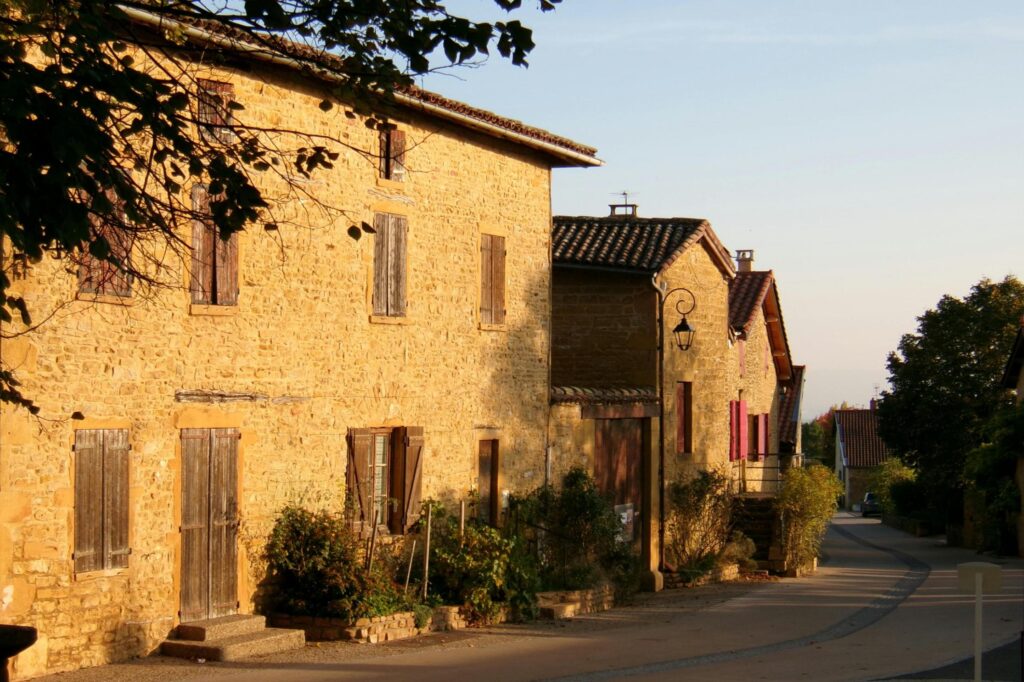
Exploring the villages of France is an invitation to slow down and appreciate the simple pleasures of life. It’s a journey that offers a deeper connection to the country’s rich culture, fascinating history, and stunning landscapes. From the sun-drenched hills of Provence, reminiscent of the beautiful France tourist attractions along the French Riviera, to the storybook lanes of the Alsace region nestled near the Alps, each French village has a unique story to tell.
So, on your next trip to France, venture beyond the bustling capital and city limits. Let the winding country roads lead you through the picturesque countryside and charming small villages, where time moves a little slower, the food tastes a little better, and the beauty of everyday life is celebrated. Whether you explore the north near Burgundy and the Rhône River or the south near Provence and the French Riviera, your authentic French adventure awaits, laid out like a favourite course through Europe’s most enchanting destinations.