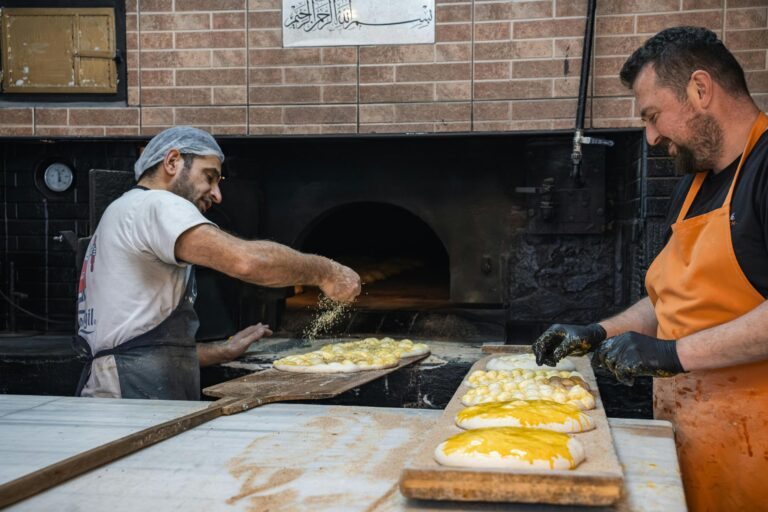
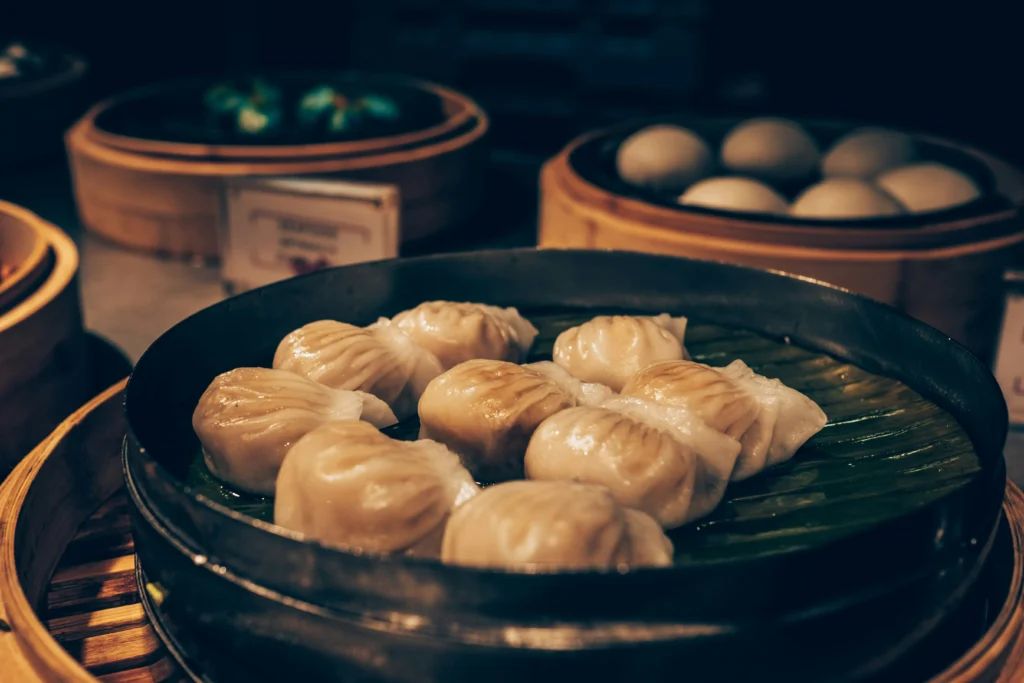
It was raining in Chengdu, a relentless, humid downpour that blurred the neon signs into watercolors. I ducked into a place that was less a restaurant and more a steamy, fluorescent-lit room with six wobbly tables. There was no English menu, no polite host, just a woman at a giant wok, her movements a blur of controlled chaos. I pointed at a neighbor’s bowl, a fiery landscape of noodles and red oil, and held up one finger. What landed in front of me wasn’t just dinner; it was a lightning bolt.
The first bite was a shockwave of numbing Sichuan peppercorns and searing chili, a flavor so bold and alive it felt like the city itself was speaking to me. In that instant, I knew my travels had been missing a key. I thought I was searching for sights, but I should have been searching for moments like this one, found at the bottom of a bowl of truly good Chinese food, much like the delicate flavors of teochew cuisine that a discerning person would appreciate deeply.The Peking Duck and Dumpling Shop That Taught Me About Craft
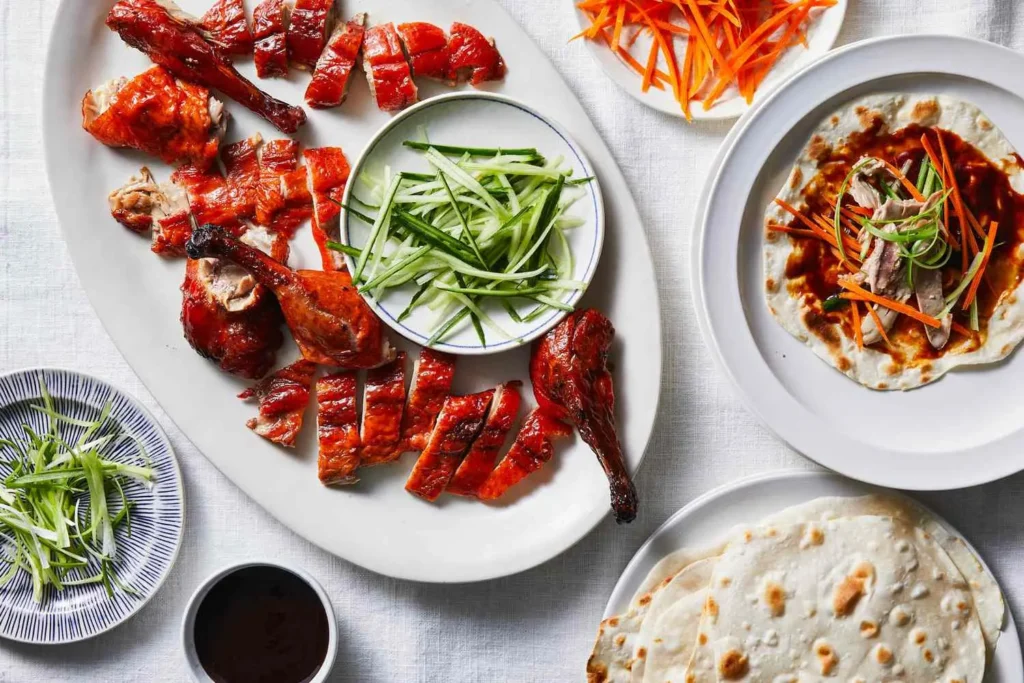
My first real trip to China, years ago, was a whirlwind of checklists and tourist sites. I was ticking boxes, not making connections. Then, one morning in a quiet corner of Beijing’s hutongs, I found a tiny, family-run dumpling shop. It was barely a shop, just a window where you could watch a grandmother and her daughter work in silent, perfect sync. Their hands moved like fluttering birds, folding pleats into delicate dumpling skins with a speed that defied logic.
I ordered a steaming basket of pork and chive dumplings, one of the best dishes showcasing traditional Cantonese cuisine. The skin was so thin it was almost translucent, and the first bite sent a cascade of hot, savory broth across my tongue. It was a universe of flavor in a single mouthful. It was the best good Chinese food I had ever tasted, not because of fancy ingredients, but because of the decades of muscle memory folded into each one. I realized then that so many Chinese food restaurants are not just businesses; they are legacies.
Ordering Set Menus of Legacy and History
They are showcases of a craft passed down through generations, featuring signature dishes like braised pork belly and crispy chicken smoked to perfection. These dishes are served with care, often accompanied by fragrant fried rice or refreshing young coconut desserts. I stopped looking for the most popular spots and started searching for the places with the oldest, most practiced hands: venues that offer great service and a warm atmosphere where guests can truly dine and connect.
This experience taught me to appreciate the unique dishes and rich traditions behind good Chinese food, a cuisine that continues to impress and cater to diverse tastes across countries like Singapore and beyond. Going on an adventure at a humble dumpling shop or a renowned restaurant like Hai Tien Lo or Min Jiang, I was sure that the quality and history embedded in each meal make every visit a memorable occasion.
The Chinese Restaurant That Redefined Community
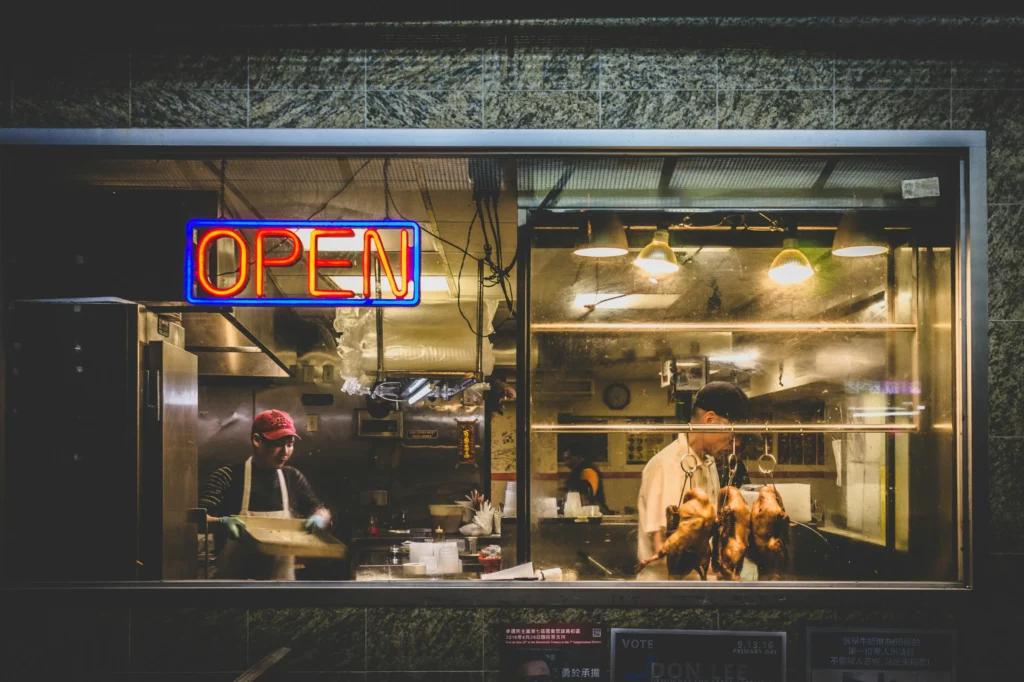
Later, on a trip to Guangzhou, I found myself overwhelmed by the sheer scale of the city. I felt anonymous, adrift in a sea of millions. A local I met invited me for a “casual” lunch, which turned out to be in a massive, accessible university canteen. We grabbed metal trays and slid them along a line, pointing at an abundance of dishes including stir-fried greens, braised tofu, and sweet and sour pork.
We sat at a long, crowded table, shoulder-to-shoulder with students and professors. The noise was immense, a symphony of chatter and clanking trays. Yet, there was an incredible sense of intimacy and community. Diners shared dishes, passed around chili oil, and talked over one another with infectious energy. It hit me that the Chinese restaurant, in its many forms and locations, is the ultimate community hub. It’s where friendships are forged, and social bonds are strengthened.Friendships and Connection at Every Table
This experience made me realize that sharing a meal in China is not just about eating; it is about connection and tradition. Sitting in a humble canteen or a refined venue, I know that the space is designed to deliver more than just food; it offers a place where people expect to gather, celebrate seasons, and enjoy set menus that cater to diverse tastes, including vegetarian options (which I think shows how thoughtful and considerate the experience is). These restaurants, from small outlets to renowned brands, truly deliver memorable dining moments that bring people together as friends and family.TIP: The importance of reservation is often mentioned for popular spots, especially on weekends, to avoid disappointment.The Noodle Stand That Showed Me Generosity
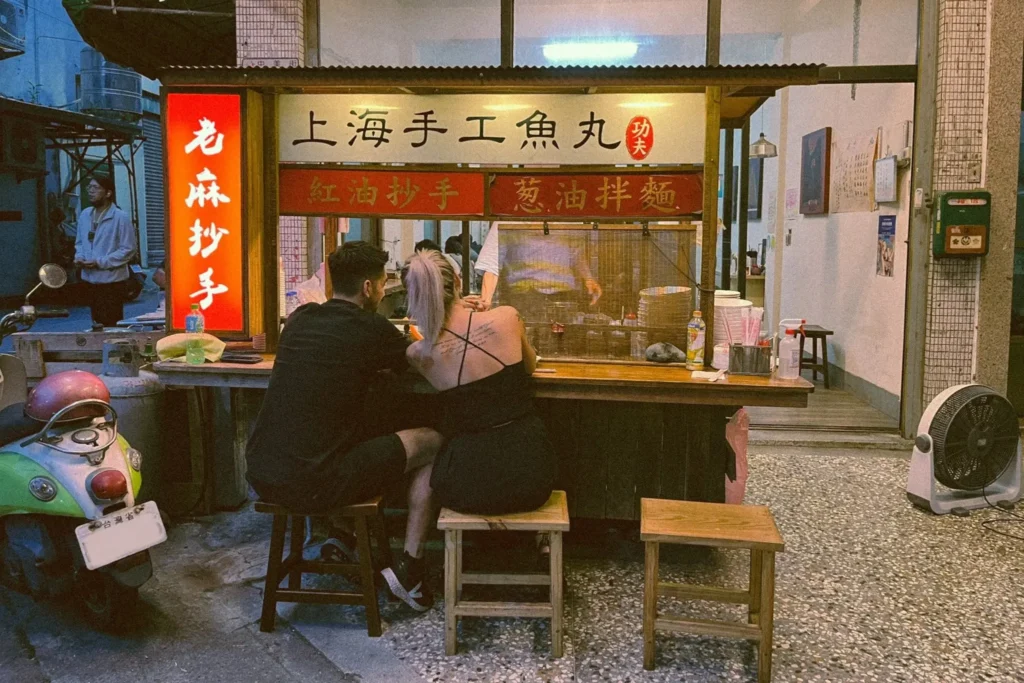
In a dusty town along the Silk Road in Gansu, I experienced one of those low travel moments. Exhausted from a delayed train and feeling utterly alone, I found solace at the only Chinese restaurant located nearby. There, a man skillfully pulled noodles by hand, his arms moving in a blur as he stretched and slammed the dough with careful precision.
I ordered a bowl of beef noodle soup, and the owner, a man with a deeply lined face and kind eyes, noticed my fatigue. Alongside the steaming bowl, he quietly placed a small saucer of pickled vegetables and a hard-boiled egg on my table, tapping it gently with his finger in a gesture of warmth. Though no words were exchanged, and I lacked the language to express my gratitude fully, that simple act of generosity spoke volumes.This moment revealed that true hospitality transcends language barriers. It reminded me that the most memorable Chinese food experiences often come from the sincere kindness of the house owner, creating a welcoming atmosphere that leaves customers feeling valued. Such thoughtful gestures are an essential part of the extensive tradition of Chinese cuisine, where care and connection are served alongside every dish.The Table Is the Imperial Treasure
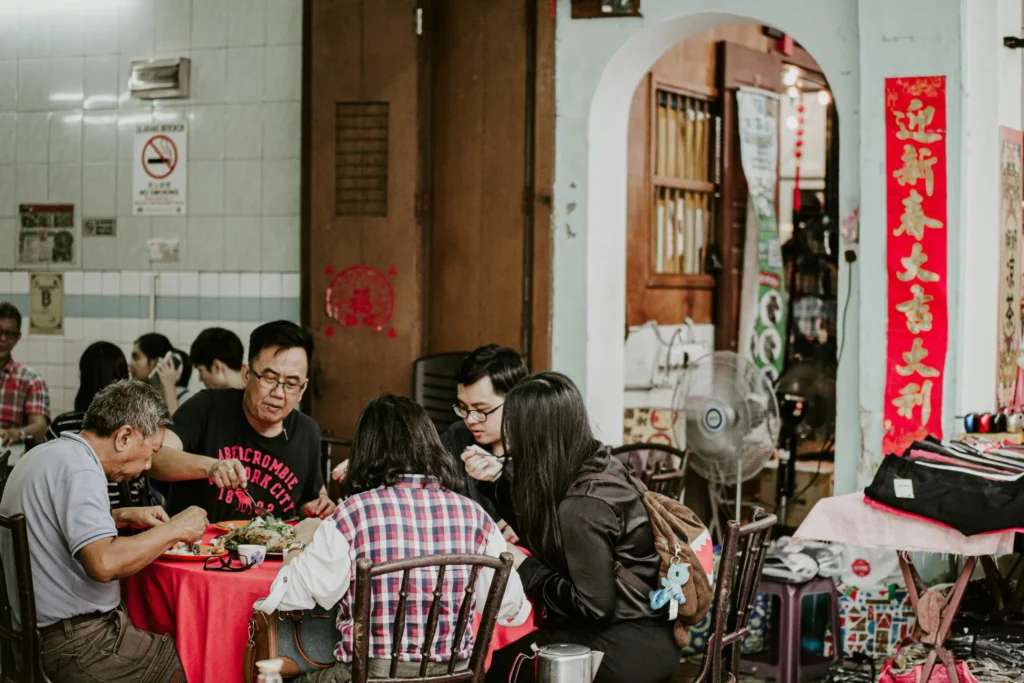
Looking back, these moments are the anchors of my travel memories. They taught me to see food not just as fuel, but as a lens into culture. Good Chinese food became my key to unlocking the heart of a place, revealing traditions and stories that no landmark could convey.
I learned that the most profound experiences often happen away from the tourist trail: at a humble table in a bustling night market or a small restaurant tucked within a city like Shanghai. It’s in these spaces, often shared with friends or strangers, that the true spirit of Chinese cuisine and its communal dining culture shines.
My travel philosophy was forever changed at those tables. The destination is not merely a point on a map; it is the connection forged over signature dishes like braised pork belly or crispy chicken smoked with fragrant garlic, enjoyed alongside seasonal vegetables such as pumpkin. These shared meals, whether at brunch or dinner, create moments that linger long after the last bite, reminding me why I keep returning, never disappointed by the richness of the experience or the generosity of the people.