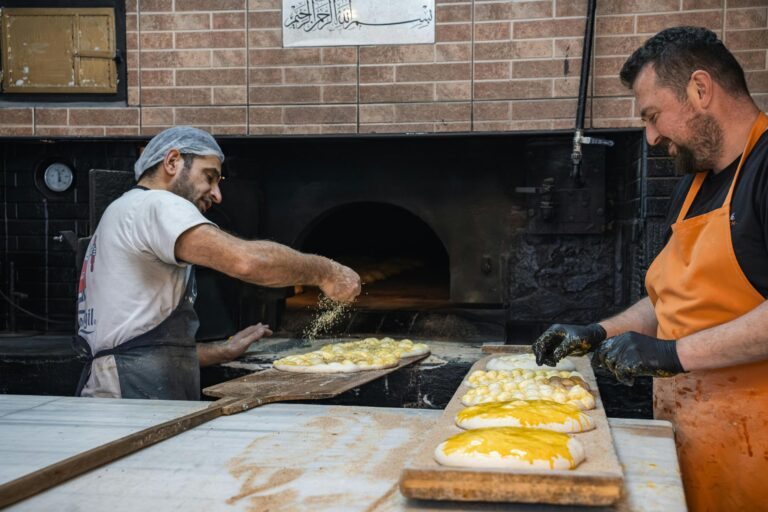
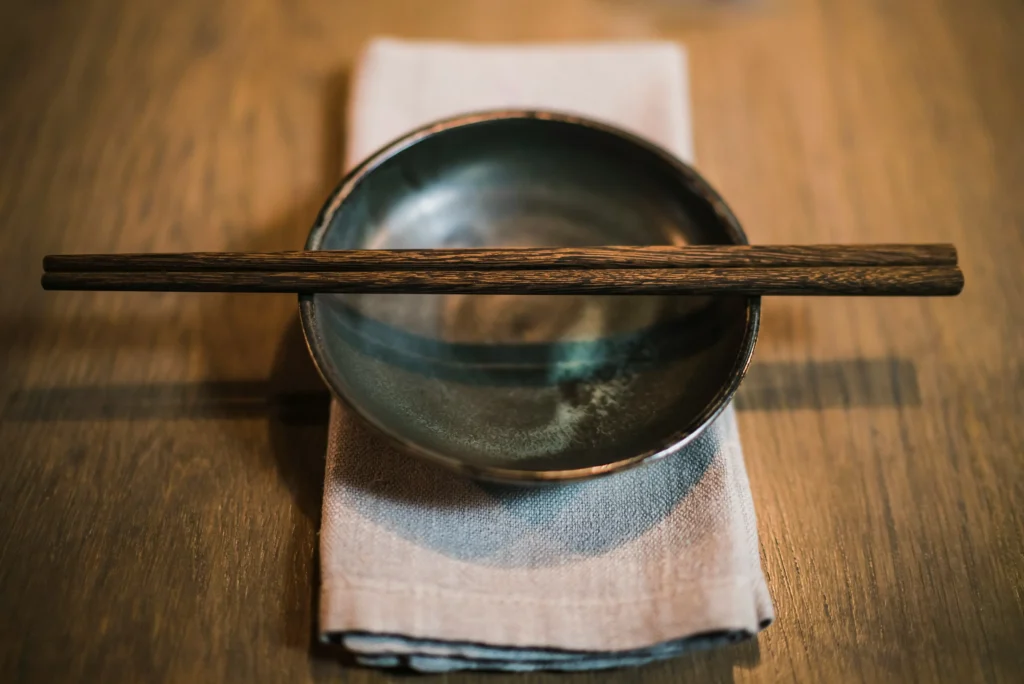
Stepping into a good Chinese restaurant feels like entering a living, breathing ecosystem. The air vibrates with energy, warm and humid with the scent of jasmine tea and wok-fired ginger. Round tables draped in white or auspicious red cloth act as islands where families and friends gather, their voices rising and falling in a rhythmic cadence that signifies joy.
It is loud, chaotic, and wonderfully human. To dine here is to participate in a centuries-old ritual of connection. While the menu might seem daunting, the unspoken language of etiquette is where the true heart of the meal resides. Learning these gestures is not about following rigid rules; it is about showing respect and finding your rhythm in the beautiful dance of communal dining.
The Art of the Shared Table and the Lazy Susan
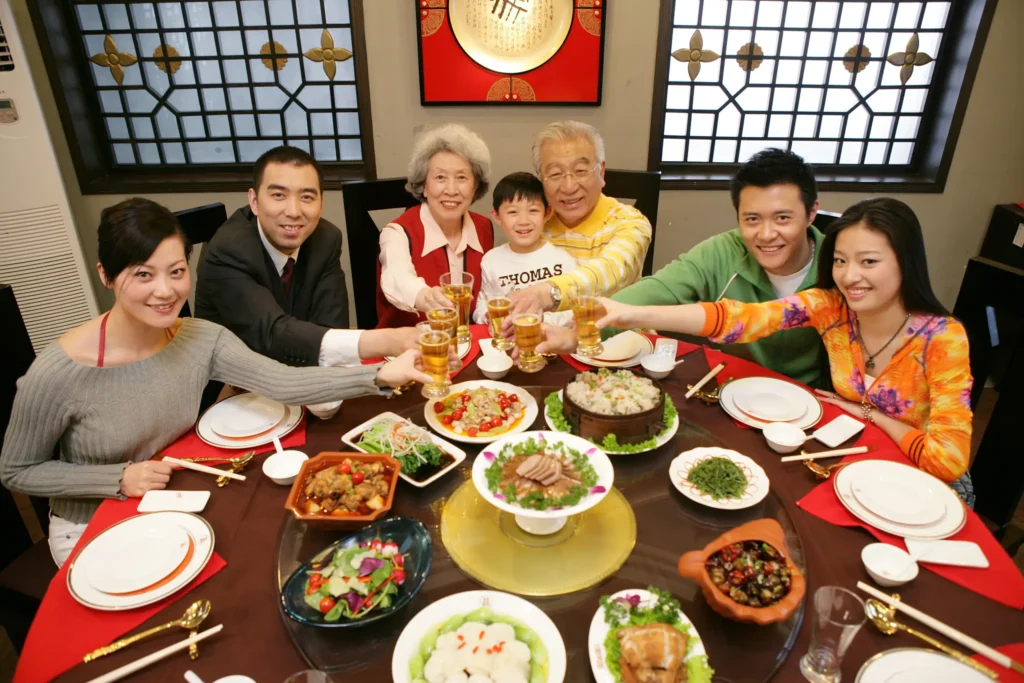
In Chinese culture, eating is rarely a solitary act. It is a collective experience that diners share around a round table, symbolizing unity and ensuring everyone faces one another. At the center sits the lazy Susan, a rotating glass or wooden disc that acts as the traffic controller of the feast in many good Chinese restaurants.
Navigating this spinning centerpiece requires awareness and respect. Always wait until the person beside you has finished serving themselves before you gently turn the wheel. Moving it while someone is mid-scoop disrupts the flow of the meal. Watch the rhythm of the table.
When a new dish arrives, especially signature dishes featuring ingredients like crab meat or tender pork, it is customary to rotate it toward the guest of honor or the eldest person at the table first. This small act of deference speaks volumes about the value placed on hierarchy and respect in traditional Chinese cuisine.
Many good China restaurants feature private dining rooms that provide an intimate setting for special occasions. Guests can choose to enjoy dim sum during lunch or opt for set menus in the main dining hall. The attentive service staff enhances the dining experience, ensuring that diners fully enjoy the passion and artistry behind each dish served. Reservations are often recommended to secure your spot at these sought-after destinations, making them a perfect choice for any occasion where you want to discover authentic Chinese cuisine.
The Silent Language of Tea
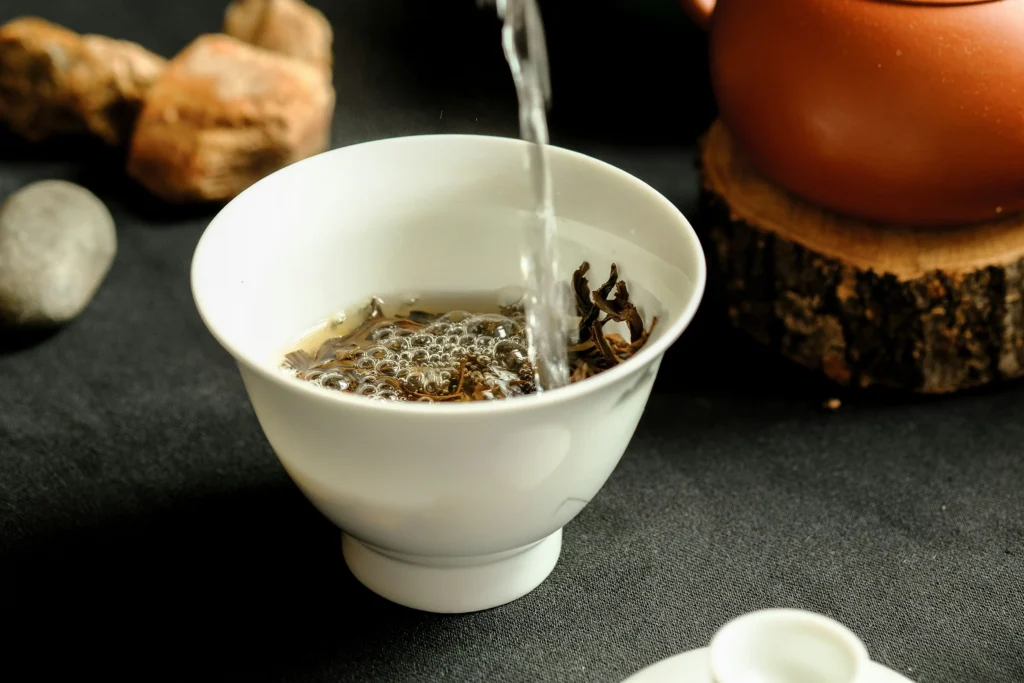
Before the food arrives, there is tea. The teapot is the first point of connection in a Chinese restaurant. If you are seated nearest to the pot, you become the guardian of everyone’s cup. It is polite to pour for others before filling your own. Start with the elders or guests of honor, moving around the table before finally serving yourself.
There is a beautiful silent response to this service. When someone pours tea for you, you need not interrupt the conversation to say thank you. Instead, tap your index and middle fingers lightly on the table two or three times. This gesture, said to mimic a bowing servant from imperial times, is a discreet way to show gratitude. It is a secret handshake of sorts, instantly marking you as someone who observes and appreciates the nuances of the culture.
This simple act of tea pouring and finger tapping reflects the passion and respect that runs deep in Chinese cuisine and dining etiquette. For example, if you are enjoying dim sum at a private dining room or sharing signature dishes like crab meat or tender pork in the main dining hall, these customs enrich the experience. To fully enjoy and share in the communal spirit, guests are encouraged to embrace these rituals, which have been loved and passed down through the years.
Chopstick Choreography
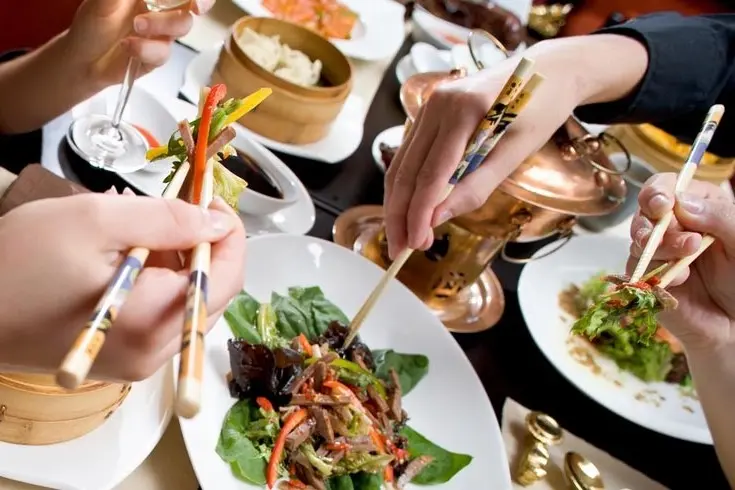
Chopsticks are more than utensils; they are extensions of your intention and an essential part of dining etiquette in a Chinese restaurant. How you handle them carries deep cultural significance. When you pause to drink or talk, rest your chopsticks horizontally across the top of your bowl or on the provided chopstick rest.
Never leave them standing vertically in your rice bowl. This visual mimics incense burning at a funeral altar and is considered deeply inauspicious, a reminder of death at a table celebrating life. Similarly, avoid using your chopsticks to drum on the side of your bowl or point at people, as these are viewed as beggar’s habits or acts of aggression.
When reaching for food from the communal plates, check if serving spoons or communal chopsticks are provided. If they are, use them. If not, it is often acceptable in more casual settings to use your own chopsticks, but do so neatly, taking from the portion of the dish nearest to you rather than digging for the “best” piece. This thoughtful approach reflects the passion and respect that define traditional Chinese cuisine and dining culture.
In many good China restaurant, you will encounter people who believe in preserving these customs to heart. Signature dishes like Hundred Ring Cucumber or tender pig with rich tendon and tomato are often shared among guests, enhancing the communal spirit of the meal. Observing chopstick etiquette at these levels not only shows cultural awareness but also enriches your dining experience, making every visit to a restaurants in China a memorable occasion.
The Etiquette of Ordering and Balance
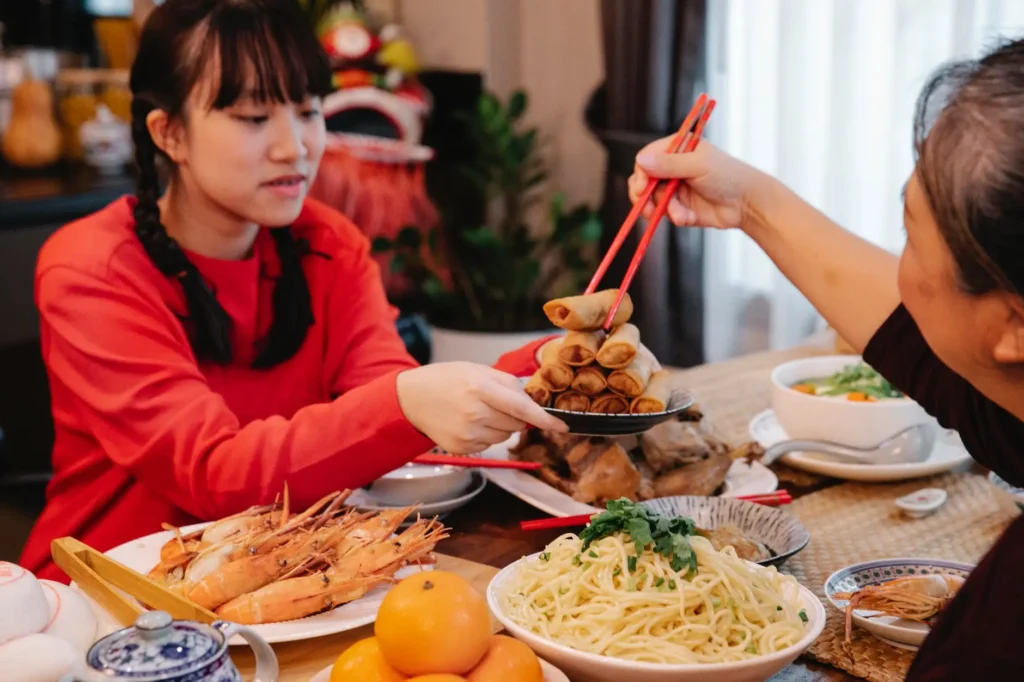
Ordering in a Chinese restaurant is an art form centered on balance and harmony. A good host considers the yin and yang of the meal: wet and dry, savory and sweet, soft and crunchy. If you are tasked with ordering, aim for variety to showcase the depth of Chinese cuisine. A whole fish represents abundance, noodles symbolize longevity, and fresh vegetables provide necessary brightness and freshness to the meal.
It is common in a Chinese restaurant to order enough food that there are leftovers. An empty table at the end of a meal implies the host did not provide enough, while a little food left behind signals generosity and abundance. Do not feel pressured to clear your plate completely as you might in Western cultures; leaving a bite or two shows you are satisfied and well-fed.
Discovering the balance in a meal at a Chinese restaurant is not just about food; it is about embracing the cultural philosophy that runs deep in every dish served. This balance reflects the house traditions and culinary passion that make dining in China a destination experience worth savoring.
Toasting: Ganbei and Generosity
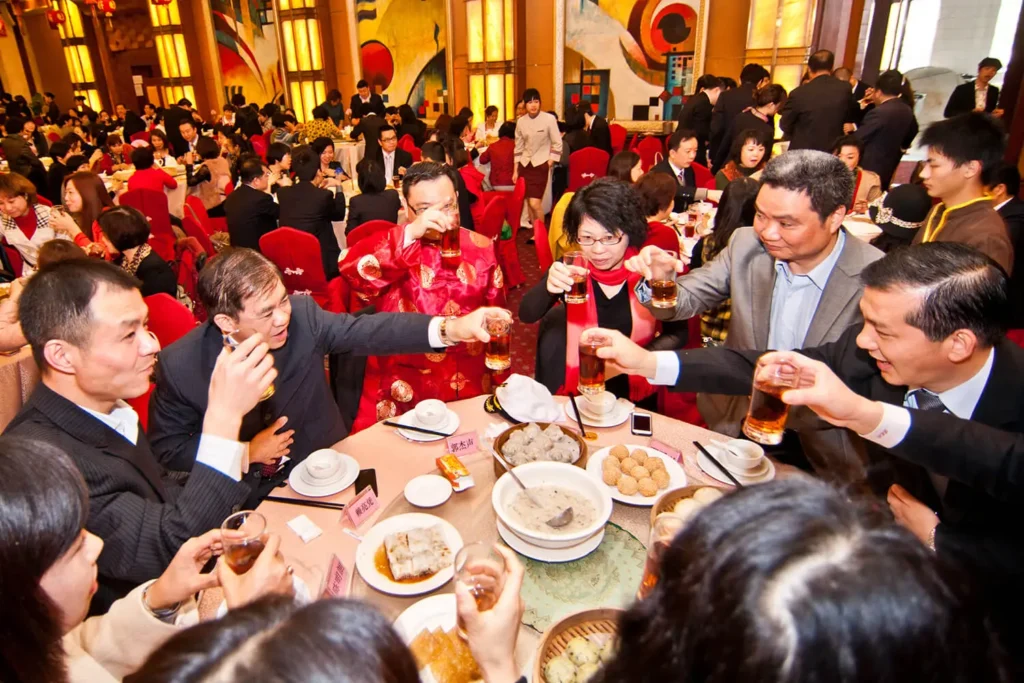
As the meal progresses, the atmosphere often warms with toasts. In a Chinese restaurant, you might hear shouts of “Ganbei!” which literally translates to “dry cup.” While you do not always have to finish your entire drink, the spirit is one of wholehearted participation.
When clinking glasses, observe the position of your cup. To show humility and respect, try to clink the rim of your glass slightly lower than that of the person you are toasting, especially if they are older or of higher status. It is a subtle physical manifestation of modesty. And always stand up or at least lift your glass with two hands when being toasted; it shows you are fully present in the moment of connection.
The Dance of the Bill
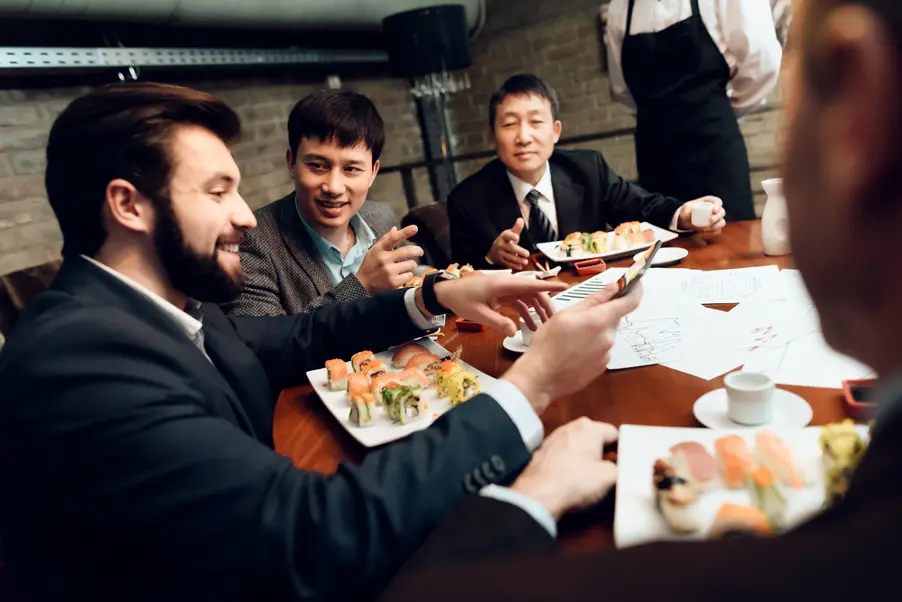
The end of the meal brings one final cultural performance: the fight for the bill. In many Western cultures, splitting the check is standard. In China, offering to treat the table is a matter of “face” and generosity. You will often see friends playfully wrestling for the check or trying to secretly pay at the counter beforehand.
As a traveler, you are not expected to win this battle against a local host, but making a sincere offer to pay is polite. If they insist, accept their generosity graciously. You can reciprocate later by treating them to coffee or bringing a gift. It is the cycle of giving and receiving that matters more than the transaction itself.
Tip: If you want to learn more about dining customs or make reservations at a good Chinese restaurant, visit their website or email the service staff directly. Some establishments also offer vouchers or boxes for takeaway, perfect for sharing the authentic flavors of Chinese cuisine with friends and family on any occasion, even on a Monday when many places might be closed elsewhere. This array of thoughtful touches ensures that every guest feels valued and part of the dining experience.
You should also remember that these dining etiquettes are not only for dining in restaurants in China; but all Chinese restaurants you encounter. For example, if you’re from Singapore, there is a number of good Chinese restaurants like Wan Hao in Raffles City and Roxy Square; with that, you are also expected to follow the same dining etiquettes that you just have read.
An Invitation to Connect: Above Dim Sum and Set Menus
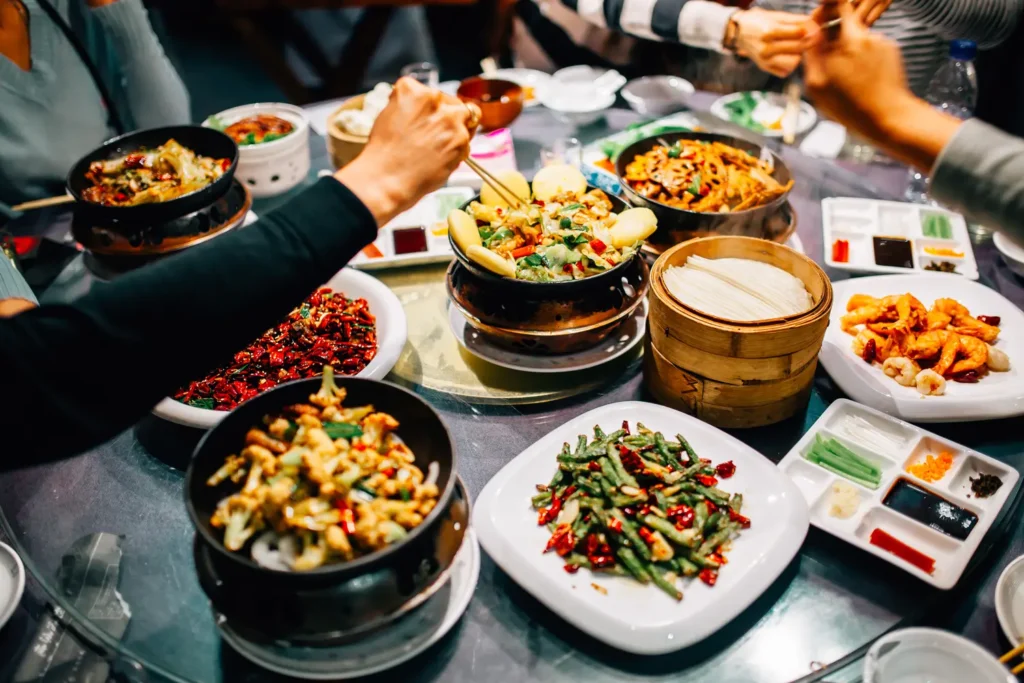
Walking out of a Chinese restaurant, full and flushed with good conversation, you carry more than just a satisfied appetite. You carry the warmth of shared experience, an array of memories from the seats around the table. Every guest believes in the power of these traditions, passed down through the years, like a cultural belt that ties generations together.
When you choose to participate in these customs, you discover the true heart of the house; a place where traditional ingredients and recipes are loved and honored. So the next time you start a meal of dumplings or Peking duck, embrace these small rituals. You will find that the food tastes richer when seasoned with respect.