
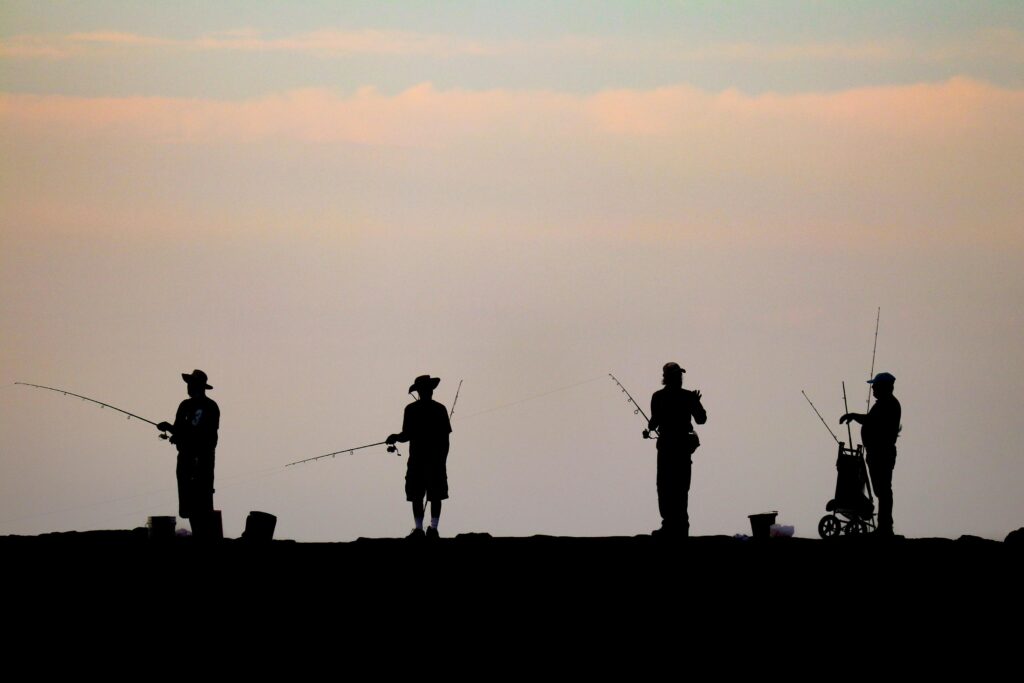
The late afternoon sun cast a honey-gold glow over the waters of the Thu Bồn River near Hội An. The air was thick with the humid, briny scent of the river and the earthy smell of fish drying on bamboo racks. Life moved at a slower pace here, dictated by the tides and the sun. I was walking along a narrow dirt path, watching the gentle bobbing of small fishing boats, when I saw him. He was an older man, his skin weathered by decades of sun and sea, sitting on the edge of his small wooden boat mending a large, tangled fishing net.
He worked with a quiet, focused intensity, his gnarled hands moving with a practiced grace that was mesmerizing to watch. I stopped, not wanting to disturb his rhythm, but he looked up and offered a warm, gap-toothed smile. He gestured for me to come closer. I sat on a nearby stone, and we fell into the kind of simple conversation that transcends language barriers, a mix of gestures, broken English, and shared smiles. He pointed to his boat, then to the nets, then patted his chest with a look of quiet pride. This was his life, his work.
Then, he reached into a worn satchel and pulled out a small, creased photograph. It was a picture of a young boy, no older than ten, holding up a small, silvery fish with a triumphant grin. The man’s entire demeanor shifted. His face, etched with the serious lines of a life of hard work, softened completely. He pointed to the boy in the photo, then tapped his own heart. “My son,” he said, the two English words spoken with immense reverence.
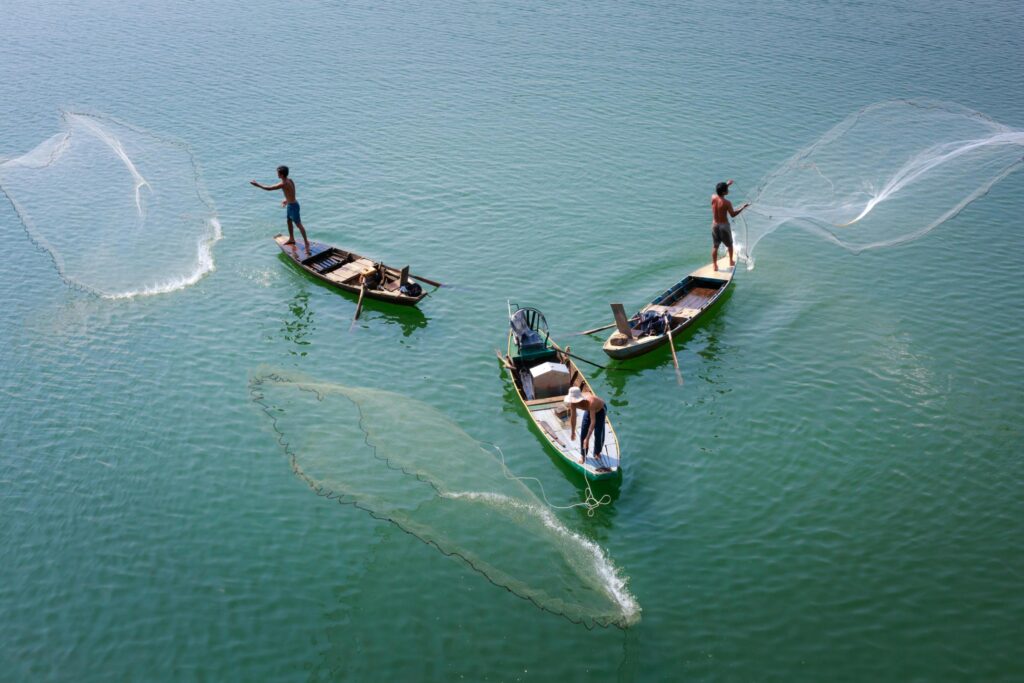
He then used his hands to show me. He mimed casting a line, reeling it in, his expression one of patient instruction. He showed me how he taught his son to tie a fisherman’s knot, his rough fingers moving through the air with delicate precision. He was not just showing me the mechanics of fishing; he was showing me the mechanics of his joy. It was clear that his happiness was not measured by the size of his catch or the money it brought, but in the simple, profound act of passing his knowledge on to his son. His contentment was anchored in the shared moments on the water, in being present for his child.
In that moment, I realized something fundamental. I had always associated success and happiness with striving, achieving, and accumulating. But this man, with very little by material standards, possessed a wealth I had not fully understood. His was the quiet contentment that comes from the daily practice of love. It was in the rhythm of providing for his family, of teaching a skill, of simply being together. It was a brand of fatherhood stripped of all pretense, down to its most essential form: showing up.
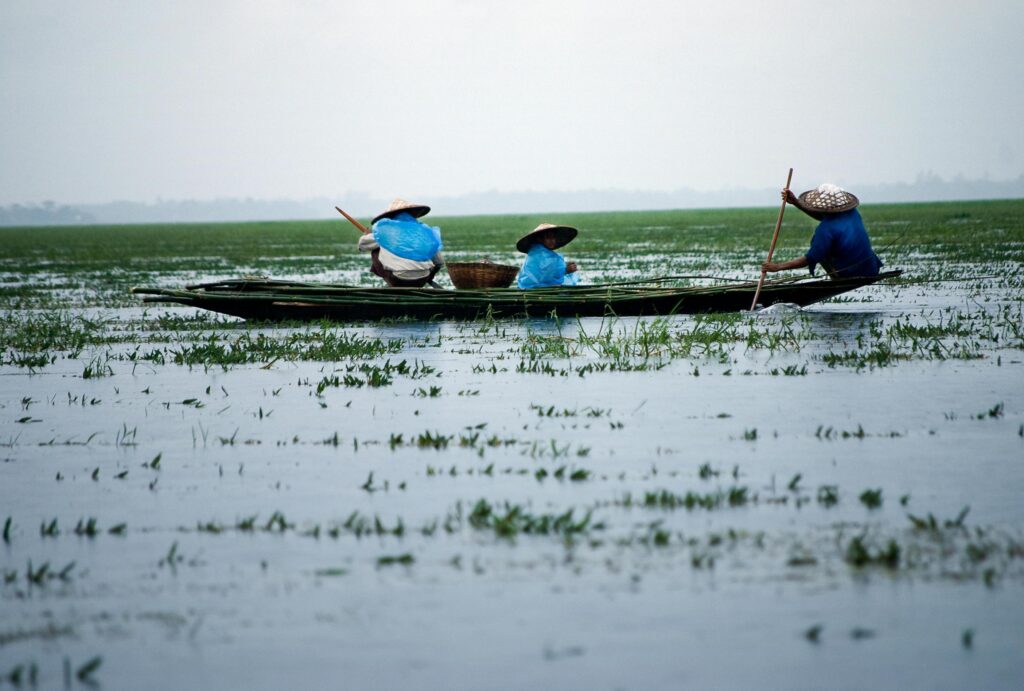
As I walked away, the setting sun painting the river in shades of orange and pink, I carried the image of his smile with me. The encounter was brief, but its lesson was deep and lasting. The man who knew how to fish had taught me something far more important than how to mend a net. He showed me that true happiness is often found not in grand gestures or ambitious pursuits, but in the small, daily acts of love and presence that define what it truly means to be a father. It is a universal wisdom, as vast and as constant as the river itself.