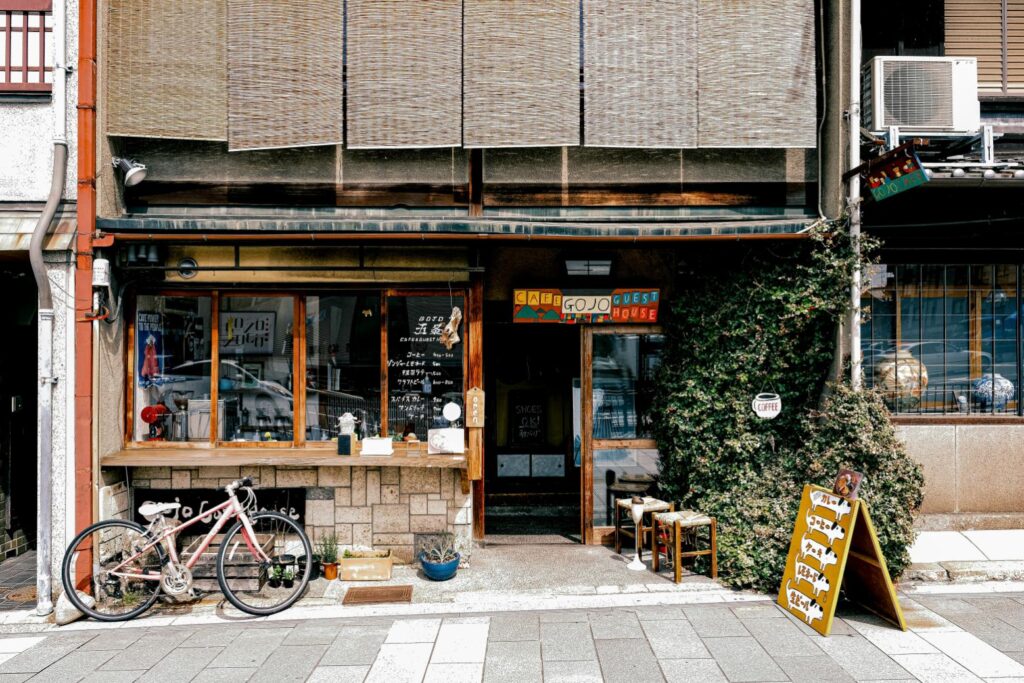
The noodle shop in Kyoto was less of a restaurant and more of a steam-filled hallway. It was tucked into an alley so narrow my shoulders brushed the walls as I entered. Inside, the air was thick with the scent of pork bone broth and rain-damp wool. It was the kind of place that demanded efficiency. You ordered from a vending machine, handed a ticket to a chef who never made eye contact, and ate quickly.
I squeezed into the last available seat at the counter. The stool was bolted to the floor, forcing an intimacy with neighbors that usually makes me recoil. To my left was a businessman scrolling frantically on his phone. To my right sat an older woman. She was tiny, her spine curved like a question mark, wearing a hand-knit cardigan that smelled faintly of mothballs and green tea.
She did not look up when I sat down. She was entirely focused on the bowl of ramen in front of her. But as I settled in, wrestling my coat off in the cramped space, our elbows bumped.
I froze, ready to apologize in my clumsy, broken Japanese. But she just shifted slightly, making room for me without breaking her rhythm. She nudged the jar of pickled ginger toward me. It was a small movement, barely a flick of the wrist, but the invitation was clear.
Here. You will want this.

I nodded my thanks. When my bowl arrived (a steaming, dark broth topped with chashu pork) I hesitated. The chopsticks were in a container just out of my reach. Before I could stretch across her, she was already handing me a pair. She didn’t look at me. She didn’t smile. She just knew.
We ate in a companionable silence that felt louder than any conversation. I slurped my noodles, mimicking the sounds around me, and I felt her watching from the corner of her eye. At one point, I added a generous scoop of chili oil to my broth. She made a soft tsk sound, shaking her head slightly, then pushed her glass of water closer to my hand.
It was a motherly instinct that transcended language. She was telling me I had made a mistake, but she was also prepared to help me fix it. When the heat of the chili inevitably hit the back of my throat and I started coughing, she didn’t say “I told you so.” She just tapped the water glass with a knowing finger.
We sat there for twenty minutes, two strangers separated by decades, culture, and language, yet bound together by the simple, ancient act of breaking bread. Or in this case, slurping noodles. There was no need for small talk about the weather or where I was from. The connection was in the passing of the napkins. It was in the shared appreciation of the broth. It was in the way she waited until I had finished my last spoonful before she stood up to leave.
She gathered her bag and turned to me for the first time. Her face was a map of deep lines, but her eyes were bright and mischievous. She didn’t say goodbye. She simply patted my arm, two firm, reassuring taps, and walked out into the rain.
I sat there for a long time after she left, staring at her empty stool. We often think of travel as a quest for new stories and conversations, a way to build a Tower of Babel where we can understand everyone. But sometimes, the most profound understanding happens when the tower falls. Sometimes, stripped of words and explanations, we are just hungry humans sitting side by side, looking out for each other in the steam. That silent meal was the best conversation I had all year.