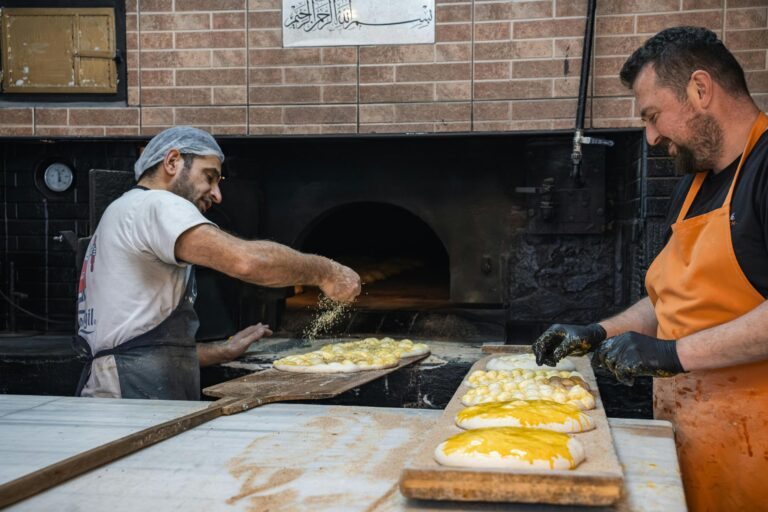
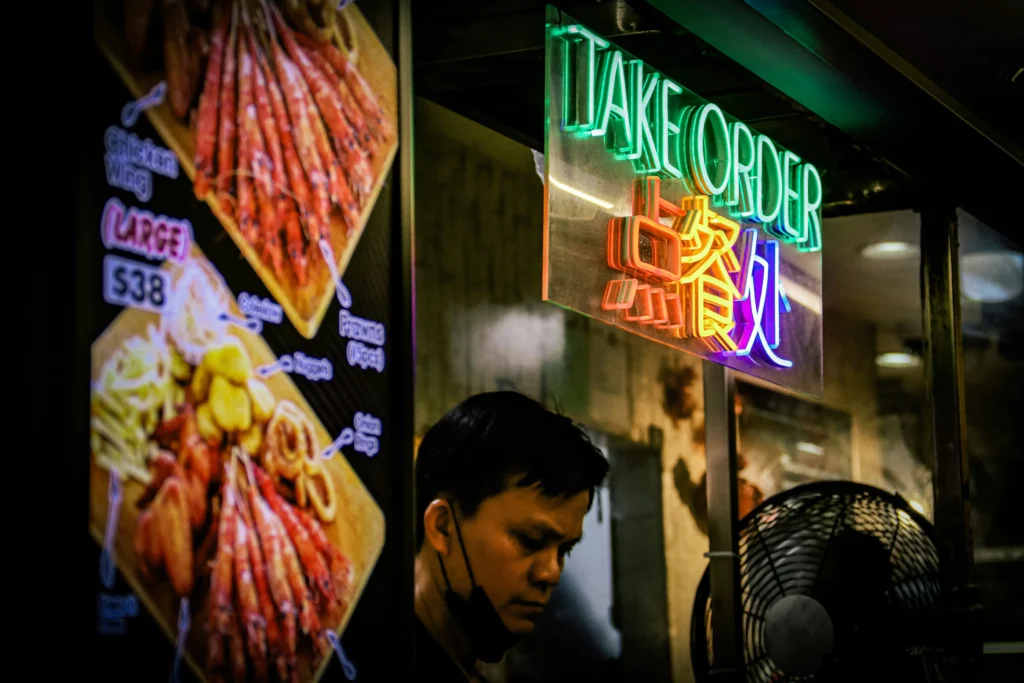
Golden hour in Singapore brings a special magic to the city’s hawker centers. As the tropical heat softens, places like Amoy Street Food Centre and Maxwell light up, filling the air with the aroma of wok hei blended with frying garlic, pandan leaves, and chili paste. This sensory scene is the heartbeat of the Lion City’s food culture, where popular Singapore food blends heritage and innovation.
Today’s popular Singapore food is a dialogue between past and present, with heritage dishes rediscovered and flavors reimagined. Join us as we explore the dishes capturing the city’s imagination.These dishes reflect Singapore’s diverse influences: from Chinese immigrants’ pork slices and Chinese sausage to Indian restaurants’ roti prata and meat bone tea, and the sweet touch of palm sugar in local treats. Regardless if you’re taking your time in discovering hawker stalls or restaurants in Singapore, these popular dishes define Singapore’s food culture and vibrant culinary scene.The Renaissance of Heritage Kueh
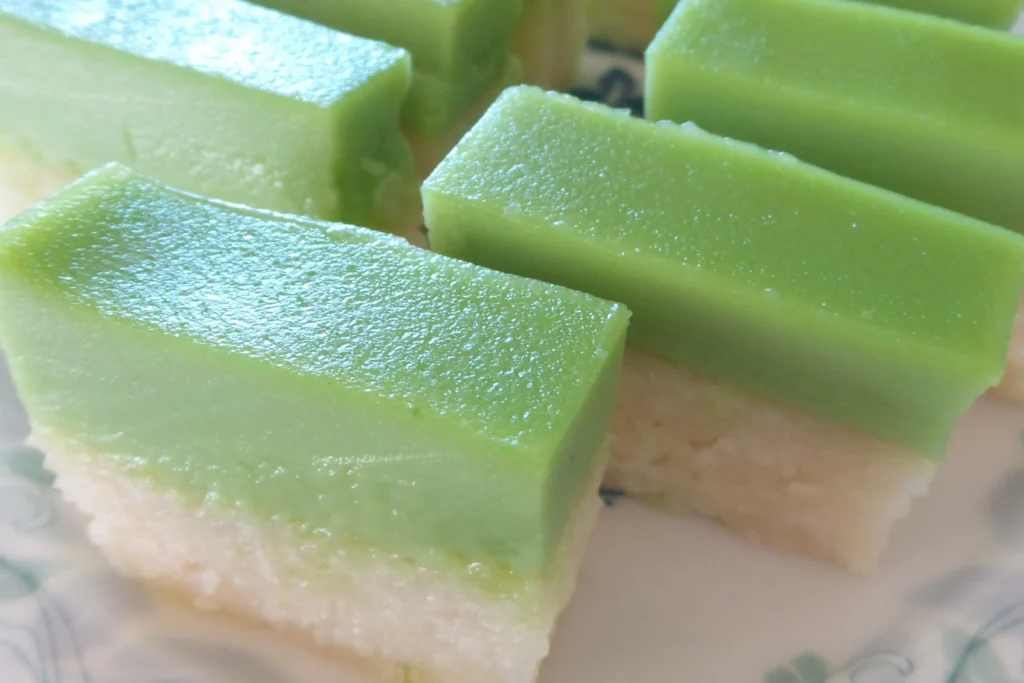
In the colorful shophouses of neighborhoods like Joo Chiat and Tiong Bahru, traditional Nonya kueh is having a vibrant moment. These bite-sized rice cakes, once the domain of grandmothers rising before dawn, are finding new life in artisanal shops that treat them like edible jewels.
The trending star is the kueh salat, a two-layered marvel featuring a base of blue pea flower-stained glutinous rice topped with a silky, rich pandan custard. Modern makers are obsessed with texture, ensuring the custard is impossibly smooth and the rice has just the right amount of chew. The aroma is pure comfort: sweet coconut cream and grassy pandan that transports locals straight back to childhood. Visit shops like Chalk Farm or The 1925 Brewing Co. in Mandai Foodlink, where they pair these heritage treats with craft teas or beers for $7 to $14 SGD, proving that Singapore food famous for its history can feel thoroughly modern.Kueh remains a beloved element of Singapore’s culinary scene, showcasing a delightful blend of savory flavors and sweet delights that excite the taste buds. Often enjoyed alongside soft boiled eggs and kaya toast at local coffee shops and hawker stalls (contrary to how places like the 1925 serves them), these fragrant rice cakes connect generations through their rich traditions and flavorful broth influences.The Elevated Hainanese Chicken Rice
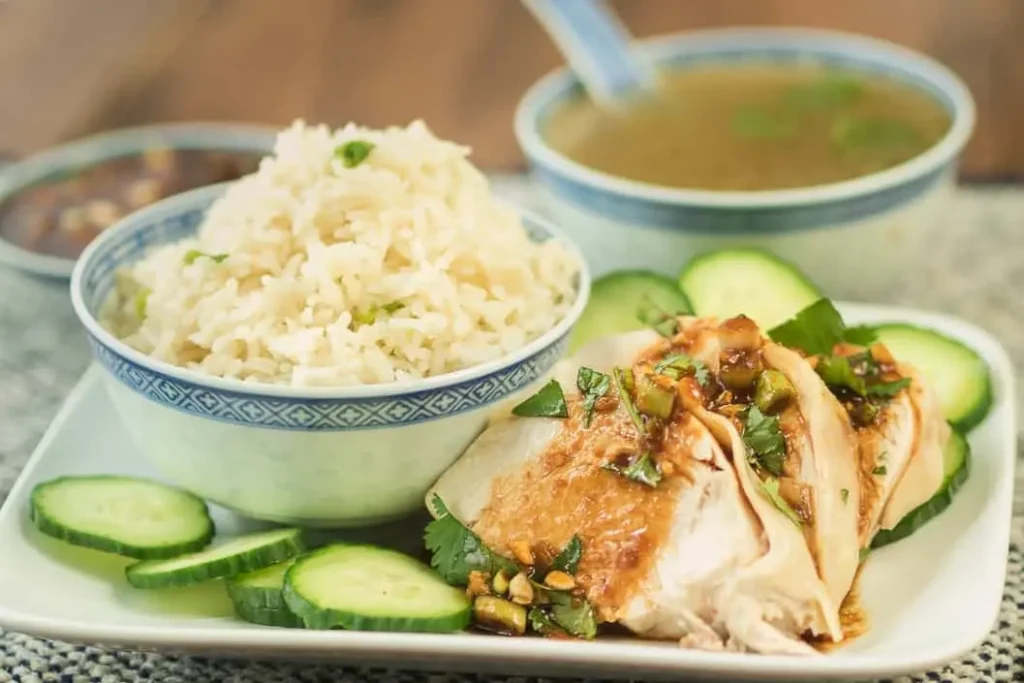
You cannot talk about popular Singapore food without bowing to the king: Hainanese Chicken Rice. But lately, this national icon is seeing a shift. While the purists still queue for hours at Tian Tian, a wave of next-generation hawkers and chefs are elevating the classic with premium ingredients and refined techniques.
Imagine the traditional poached and roasted chicken, but now using organic, corn-fed birds that yield a richer, yellower skin and deeper flavor. The fragrant rice cooked in chicken broth and chicken fat remains the star, oily, garlicky, and full of flavor, but served with house-made spicy chili sauce and dark soy sauce that have been aged or fermented for extra complexity.
Places like Roost in Imbiah or Airport Road are taking a sustainable approach, while Michelin-recognized stalls at Maxwell Food Centre see younger hawkers take over family recipes, injecting new energy into the craft.
Locals love debating which version reigns supreme, often over a breakfast plate that typically disappears before the sun fully rises. In our opinion, we believe that regardless if its a modernized or old-school chicken rice, the feeling of tasting it again after a long time could only bring you to paradise.
Sizzling Charcoal Claypot Hokkien Mee
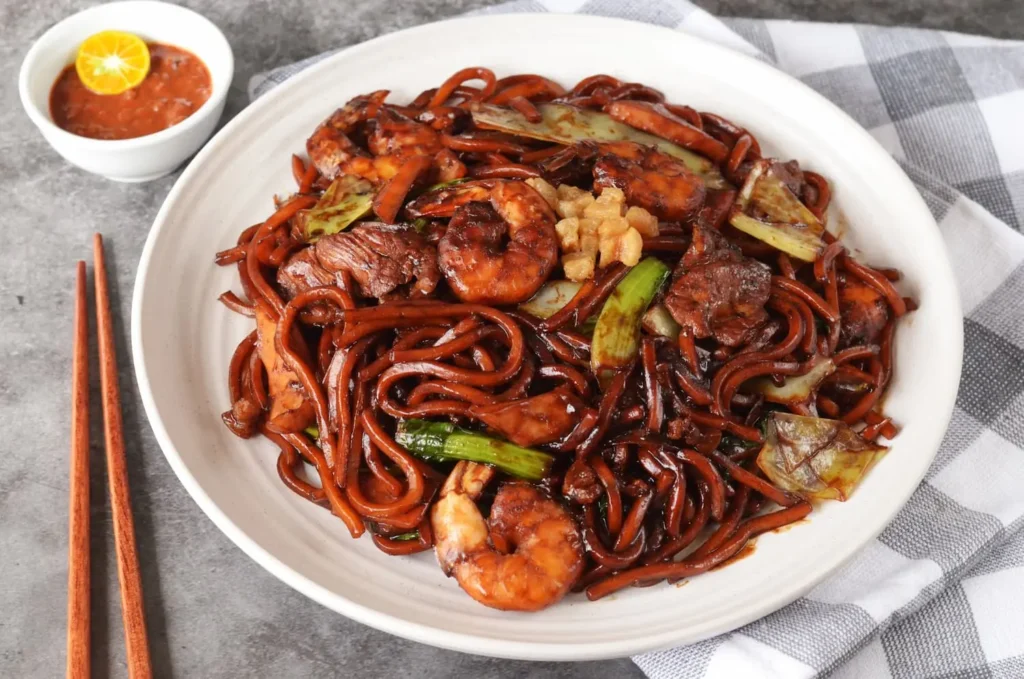
Hokkien Mee has long been a beloved staple, but recently, charcoal-cooked versions in traditional claypots are drawing crowds. The claypot retains intense heat, keeping the noodles sizzling until the last bite.
At places like Geylang Lor 29, the charcoal smoke fills the air. The dish arrives bubbling with a thick, savory, spicy broth coating yellow egg noodles and rice noodles (bee hoon), loaded with fresh prawns, squid, and fish cake. Charcoal imparts a smokiness gas stoves can’t match. Best enjoyed late at night, it’s a supper ritual of savoring rich, umami sauce thickened with pork lard and prawn stock. Based on our experience, it’s one of those tastes that could bring you back to a certain memory, that’s how memorable it is.
Old School vs. Modern Hokkien Mee
This resurgence of old-school methods shows how popular Singapore food blends tradition and innovation. Hokkien Mee is typically served with sambal chili sauce and lime juice for a spicy sauce kick and citrus brightness, that’s how we know it. Sometimes, bean sprouts and Chinese sausage are also added for texture and flavor.
Now, if you’re a local, you would know that sometimes even if you live in Singapore, joining a food tour featuring hawker centres known for flavorful rice and noodle dishes like Hokkien Mee is the way to go. Because not only you get to enjoy Hokkien Mee, you also get to satisfy your cravings of char kway teow, carrot cake, and bak kut teh.
Going back, when talking about Singapore’s vibrant local cuisine, Hokkien Mee exemplifies how traditional recipes continue to captivate locals and visitors alike.
The Salted Egg Yolk Invasion in Chili Crab and Prawns
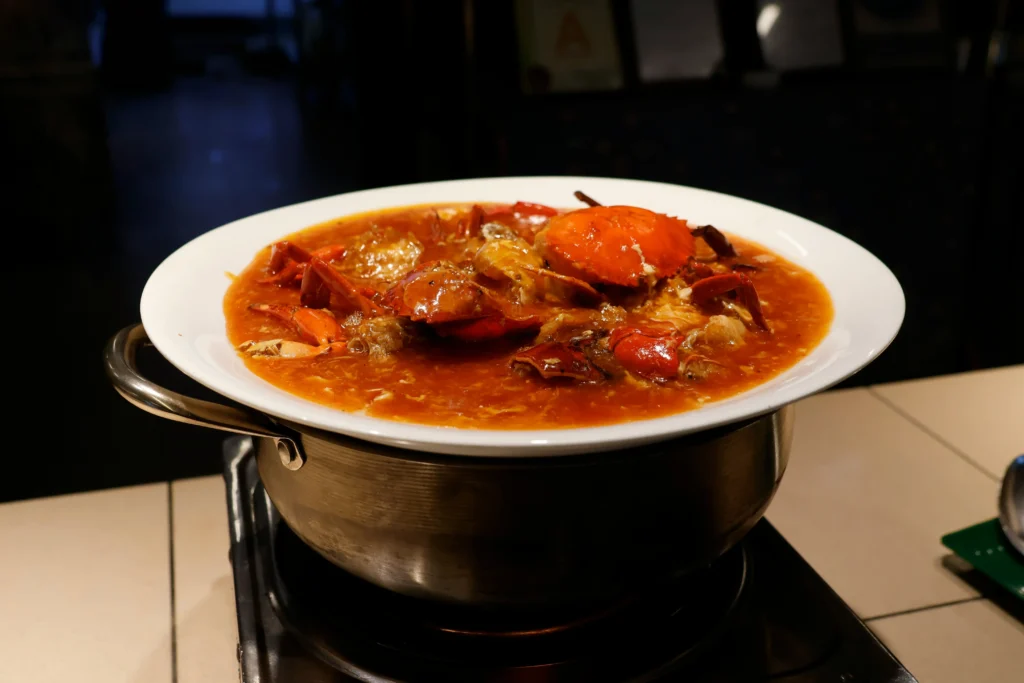
While not entirely new, the obsession with salted egg yolk refuses to die; instead, it evolves. It has moved beyond just croissants and potato chips to become a staple flavor profile in local Zi Char (home-style) dining.
The dish everyone is ordering is Salted Egg Yolk Crab or Prawns. The seafood is deep-fried until crisp and then tossed in a molten, golden sauce made from mashed salted egg yolks, curry leaves, and chili padi. This sauce combines the rich creaminess of coconut milk with a savory, slightly spicy kick from the chili sauce. The result is a texture that is sandy, creamy, and crunchy all at once. The taste is a perfect balance of savory, sweet, and spicy.Head to KEK Seafood (Keng Eng Kee) in Alexandra Village to see why this dish remains a heavyweight contender for popular Singapore food famous among both locals and adventurous travelers. It is rich, indulgent, and absolutely worth the messy fingers. This dish pairs wonderfully with fragrant basmati rice or crispy fried tofu, enhancing the overall dining experience.Salted egg yolk crab and prawns join other beloved Singaporean dishes like chilli crab and fish head curry, showcasing the city’s love for bold, flavorful seafood preparations. These dishes are often enjoyed alongside other staples such as chicken curry and grilled meat skewers, reflecting the diverse influences in Singapore’s vibrant food culture.Artisanal Prata and Modern Murtabak
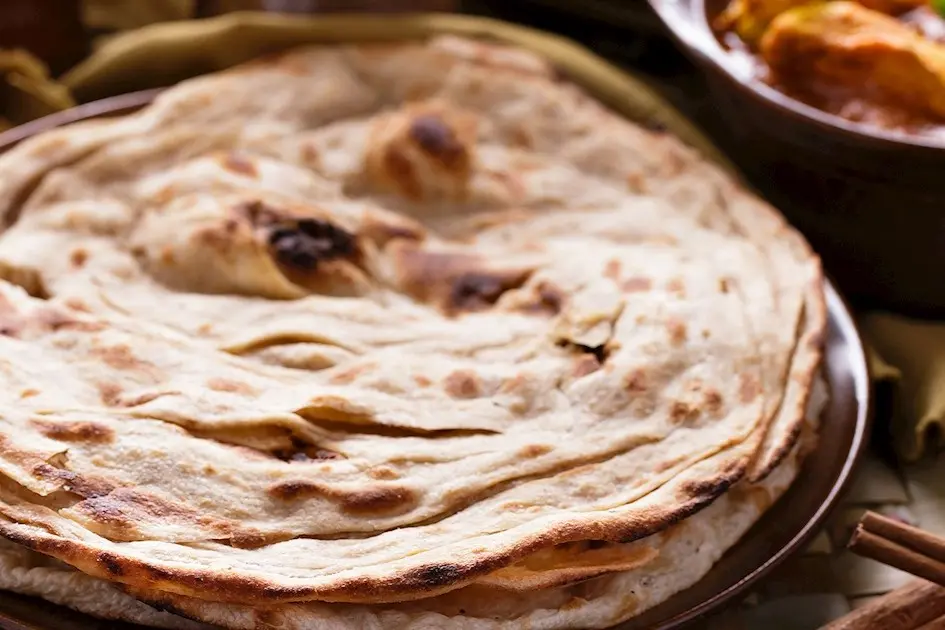
In the Indian-Muslim culinary scene, roti prata is undergoing a gourmet transformation. Beyond the traditional breakfast flatbread with curry, prata shops and Indian restaurants now offer artisanal doughs and inventive fillings.
Trends include “coin pratas”, smaller, thicker, and crisper, and elaborate murtabaks filled with premium ingredients like tandoori chicken, mozzarella, or impossible meat. Springleaf Prata Place leads with creations like the “Plaster Blaster” (prata with ham and poached egg), blending traditional supper with Western brunch. Locals flock here for crispy, buttery dough dipped in spicy fish curry.
A Look Back on Already Beloved Staples
This artisanal prata surge highlights Singapore’s vibrant Indian food scene, where South Indian and Malay influences merge seamlessly. Alongside prata, beloved staples like curry laksa, a spicy noodle soup rich with coconut milk, and meat bone tea, a hearty pork soup made with pork ribs and pork bones simmered in a flavorful, spicy broth, remain popular. Rich, savory flavors of pork belly and minced pork add depth to many local dishes.
Exploring Indian restaurants and hawker stalls offering these specialties is essential to experiencing Singapore’s food culture. Pair meals with sweet milk tea or a refreshing Singapore Sling cocktail for a full taste of the city’s culinary diversity. And why do we think it’s an essential? Because there’s so much that Singapore has to offer, and sometimes it might seem unconventional. Here in Bites and Travel however, if you’re gonna explore? Go for the most unconventional.
Futuristic Eat in Singapore
These trending dishes tell a story of a city that is deeply in love with flavor. From the charcoal smoke of a claypot to the delicate sweetness of artisanal kueh, popular Singapore food is about connection.
See it in the perspective of regardless if it’s the nasi lemak, fried chicken, beef rendang, the stir fried flat rice noodles of char kway teow, the fragrant rice cooked to perfection in Hainanese chicken rice, or the crispy oyster omelette, each dish reflects the diverse influences of the multicultural country.
Singapore’s food culture invites you to be curious. It asks you to look beyond the guidebooks and follow the queues of locals into the heartlands. You will find that in every bite of famous food in SG, there is a story of heritage, innovation, and the warm, welcoming spirit of a nation that loves to eat.
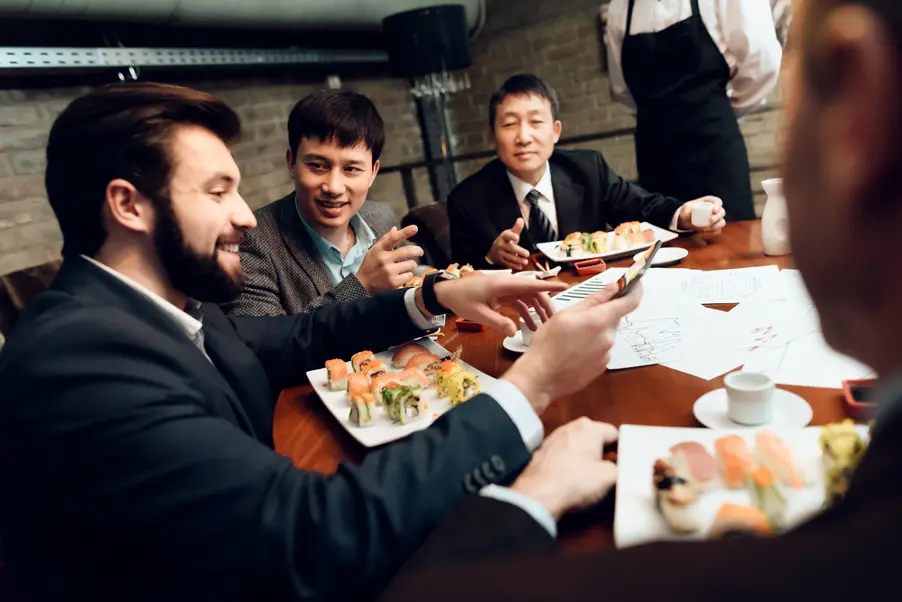
The end of the meal brings one final cultural performance: the fight for the bill. In many Western cultures, splitting the check is standard. In China, offering to treat the table is a matter of “face” and generosity. You will often see friends playfully wrestling for the check or trying to secretly pay at the counter beforehand.
As a traveler, you are not expected to win this battle against a local host, but making a sincere offer to pay is polite. If they insist, accept their generosity graciously. You can reciprocate later by treating them to coffee or bringing a gift. It is the cycle of giving and receiving that matters more than the transaction itself.
Tip: If you want to learn more about dining customs or make reservations at a good Chinese restaurant, visit their website or email the service staff directly. Some establishments also offer vouchers or boxes for takeaway, perfect for sharing the authentic flavors of Chinese cuisine with friends and family on any occasion, even on a Monday when many places might be closed elsewhere. This array of thoughtful touches ensures that every guest feels valued and part of the dining experience.
You should also remember that these dining etiquettes are not only for dining in restaurants in China; but all Chinese restaurants you encounter. For example, if you’re from Singapore, there is a number of good Chinese restaurants like Wan Hao in Raffles City and Roxy Square; with that, you are also expected to follow the same dining etiquettes that you just have read.
An Invitation to Connect: Above Dim Sum and Set Menus
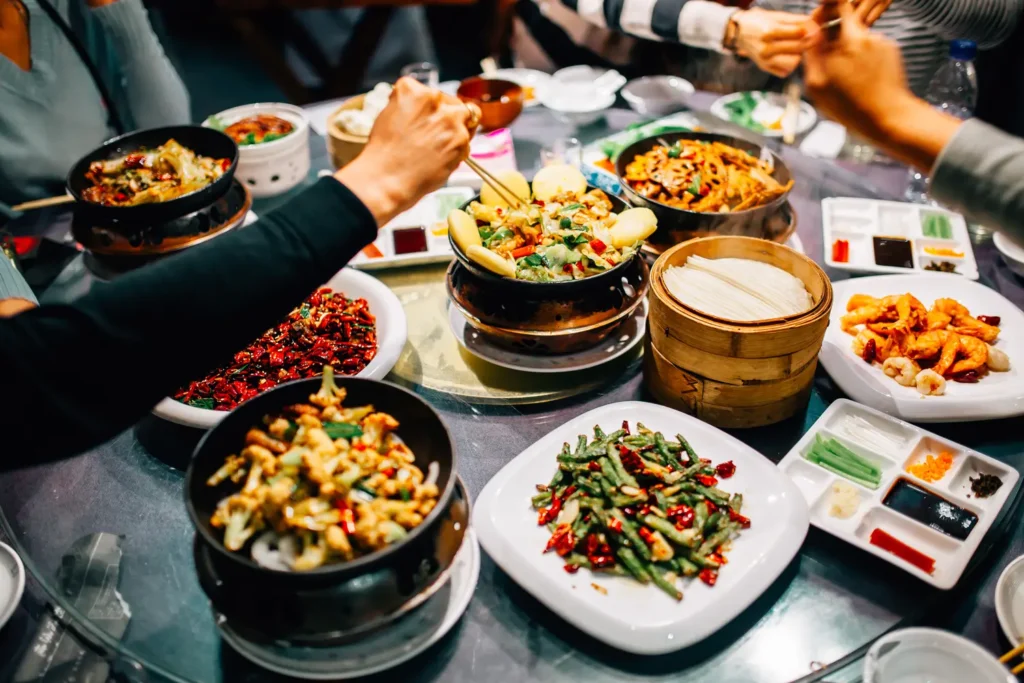
Walking out of a Chinese restaurant, full and flushed with good conversation, you carry more than just a satisfied appetite. You carry the warmth of shared experience, an array of memories from the seats around the table. Every guest believes in the power of these traditions, passed down through the years, like a cultural belt that ties generations together.
When you choose to participate in these customs, you discover the true heart of the house; a place where traditional ingredients and recipes are loved and honored. So the next time you start a meal of dumplings or Peking duck, embrace these small rituals. You will find that the food tastes richer when seasoned with respect.