
Seoul is a city of incredible contrasts, a sprawling metropolis where ancient palaces sit in the shadow of glittering skyscrapers. But to truly understand its soul and what is in Seoul, you have to explore its diverse collection of neighborhoods. Each district has its own unique color, rhythm, and flavor, offering a completely different version of the city. Forget sticking to just one area. The real magic of Seoul reveals itself when you hop from one neighborhood to the next, discovering the unique character that makes each one special. So, if you’re wondering what is in Seoul and where to go for an authentic experience, this guide is for you.
As locals, we know that the heart of Seoul beats strongest in its alleys, cute coffee shops, street food stalls, and traditional Korean tea houses. This guide will take you beyond the main tourist crowds and into the Seoul neighborhoods we love. From the youthful energy of Hongdae and its famous Hongik University Station exit to the trendy, industrial vibe of Seongsu, we’ll show you the best neighborhoods in Seoul and what makes each one a destination in its own right, all within walking distance of key attractions and centrally located for easy exploration.
Exploring Seoul’s Most Vibrant Neighborhoods
Hongdae: The Epicenter of Youth and Indie Culture (And Korean BBQ)
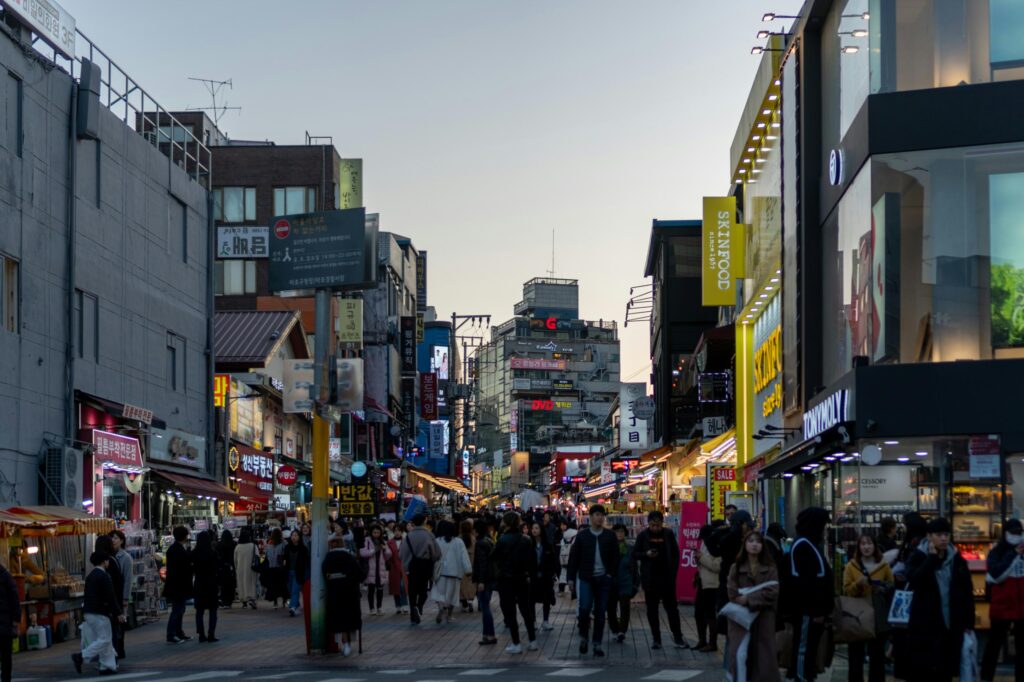
Centered around Hongik University, one of Korea’s top art schools, Hongdae is the undeniable hub of youth culture, indie music, and creative expression in Seoul. Its streets are a living stage for buskers, dancers, and artists. The energy here is infectious, creative, and always evolving. This student neighbourhood is a vibrant part of central Seoul, known for its trendy cafés, street art, and unique local boutiques.
Spend your evening watching talented street performers. Explore the winding alleyways filled with unique fashion boutiques, vintage shops, and quirky accessory stores along the famous Hongdae Shopping Street. On weekends, check out the Hongdae Free Market for handmade crafts by local artists. The area is a shopping paradise with street vendors offering everything from fashion to souvenirs.
Hongdae is a street food paradise. You’ll find everything from tteokbokki to Korean BBQ and fried chicken. For a classic meal, dive into a Korean BBQ restaurant. A local favorite is finding a dakgalbi (spicy stir-fried chicken) spot where you cook the meal at your table.
Escape the main bustling streets and wander into the adjacent Yeonnam-dong neighborhood. It’s quieter, with a large central park (Yeontral Park) lined with charming cafes, independent bookshops, and excellent restaurants. Yeonnam-dong offers a stylish district vibe that complements the youthful energy of Hongdae.
Late afternoon and evening, especially on weekends when the area is at its most vibrant. Hongdae is a hotspot for night owls looking to enjoy cool bars, live music, and late-night dining. Easily accessible via Hongik University Station, just a short walk from the subway, making it convenient for first time visitors exploring Seoul’s diverse districts.
Itaewon: The Global Melting Pot with Vibrant Nightlife and Diverse Cuisine
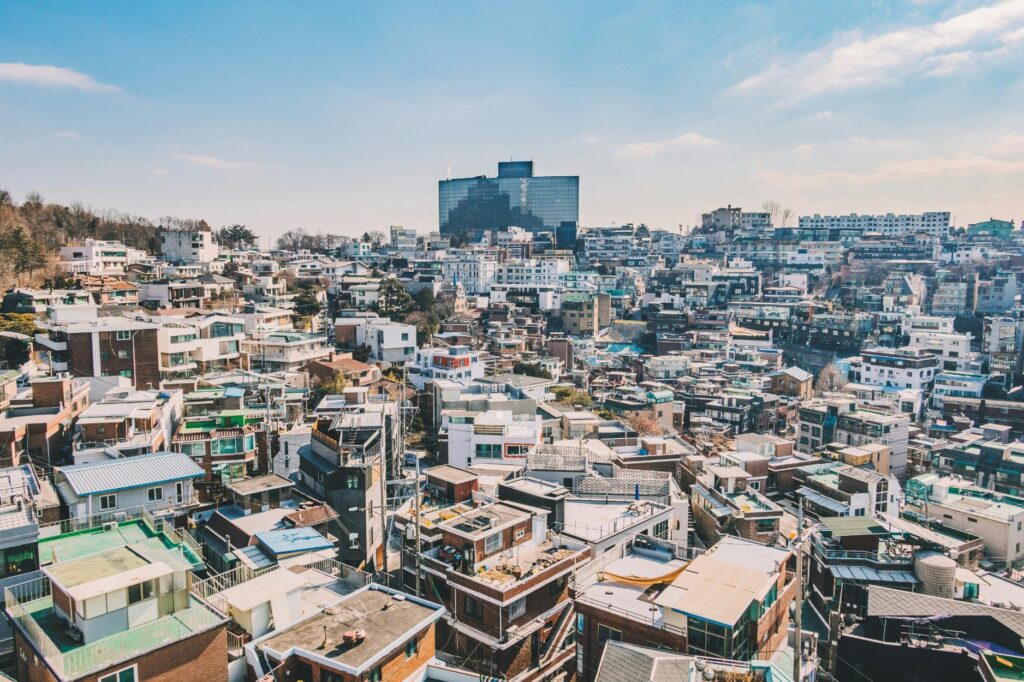
Itaewon is one of the most internationally diverse Seoul districts, known for its open-minded atmosphere and multicultural vibe. It’s a popular destination for expats and tourists alike, offering a unique blend of cultures and cuisines that truly makes Seoul life exciting. The neighborhood is conveniently located near Itaewon Station, making it easily accessible from central Seoul and not far from Incheon International Airport.
Wander along the main street to discover a variety of international restaurants and shops featuring global brands. Head up the hill to Gyeongridan-gil for trendy cafes, craft beer pubs, and a rooftop lounge with stunning city views. Art lovers should visit the Leeum, Samsung Museum of Art, which showcases both traditional Korean art and contemporary Korean art. Nearby, you can also explore family attractions and department stores for retail therapy.
Itaewon’s food scene is a world tour in itself, with everything from Turkish kebabs and American-style barbecue to authentic Thai green curry. It’s the perfect place to satisfy cravings beyond Korean BBQ and street food stalls.
Just behind the Hamilton Hotel lies a maze of smaller streets packed with some of Seoul’s best bars and clubs. For a quieter, upscale experience, explore the adjacent Hannam-dong neighborhood, known for its chic boutiques, cute cafes, and luxury hotels such as the Mondrian Seoul Itaewon.
Evening and late-night hours are ideal for enjoying the vibrant nightlife, rooftop terraces, and lively street markets. With its mix of affordable price points and luxurious options, Itaewon offers something for every traveler, including private rooms and spacious rooms in various Seoul hotels.
Convenience stores are plentiful in Itaewon, making it easy to grab snacks or essentials as you explore. Whether you’re a history lover interested in Korean history and the Korean War or just looking to enjoy the modern pulse of Seoul life by the Han River, Itaewon’s central location and diverse offerings make it a must-visit Seoul neighborhood.
Gangnam: The Capital of K-Pop and Luxury
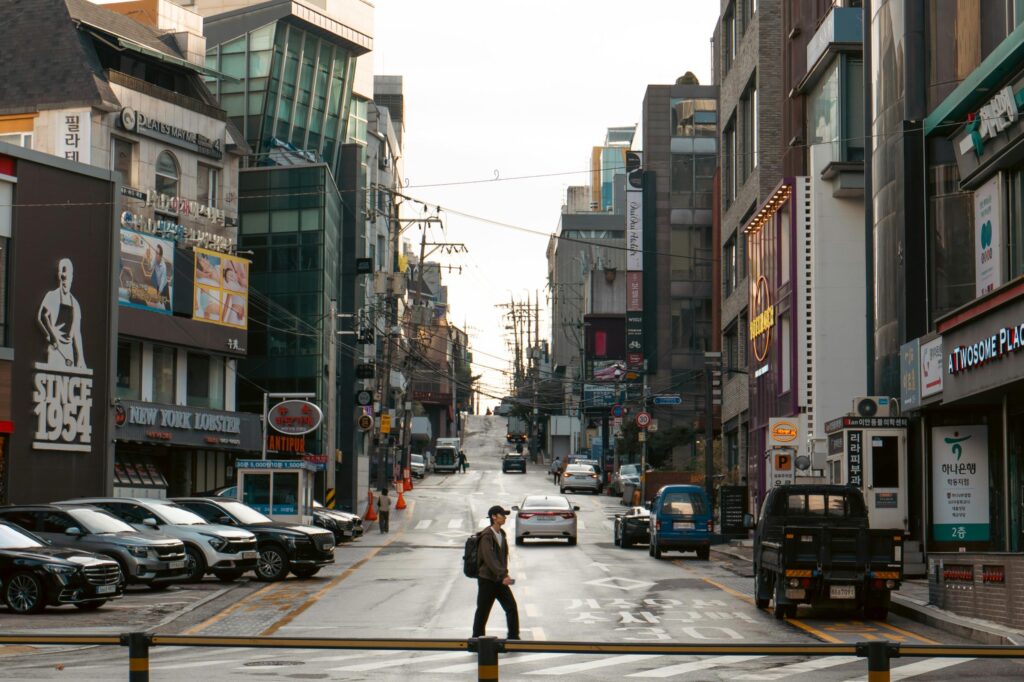
Made famous by PSY’s global hit, Gangnam is the epitome of modern, upscale Seoul. It’s a district of sleek skyscrapers, luxury brand flagship stores, plastic surgery clinics, and the headquarters of major K-Pop entertainment companies. This is where trends are born, blending contemporary Korean art with the fast-paced Seoul life.
Walk down the main Gangnam-daero, but the real action is on the side streets. Garosu-gil is a beautiful, tree-lined street famous for its high-end fashion boutiques, international brands, and charming cafes. K-Star Road in Apgujeong is a must-visit for K-Pop fans, featuring statues dedicated to famous idol groups. For shopping enthusiasts, the COEX Mall offers a vast selection of stores, entertainment, and dining options, including souvenir shops perfect for taking a piece of Korea’s past home. Don’t miss the nearby Seolleung and Jeongneung Royal Tombs, a UNESCO World Heritage site, offering a peaceful, green escape in the heart of the bustling district.
Gangnam offers more upscale dining experiences. You’ll find many fine-dining restaurants, celebrity-owned establishments, and high-quality Korean beef restaurants serving authentic Korean BBQ. The area around Seolleung and Jeongneung Royal Tombs also provides a serene retreat from the busy city streets, blending history lovers’ interests with the modern energy of Gangnam.
Afternoon for shopping and cafe-hopping, evening for upscale dining. Easily accessible from Seoul Station, Gangnam is a key stop on many South Korea itineraries and a perfect example of Seoul’s dynamic districts.
Insadong: A Glimpse into Traditional Korea
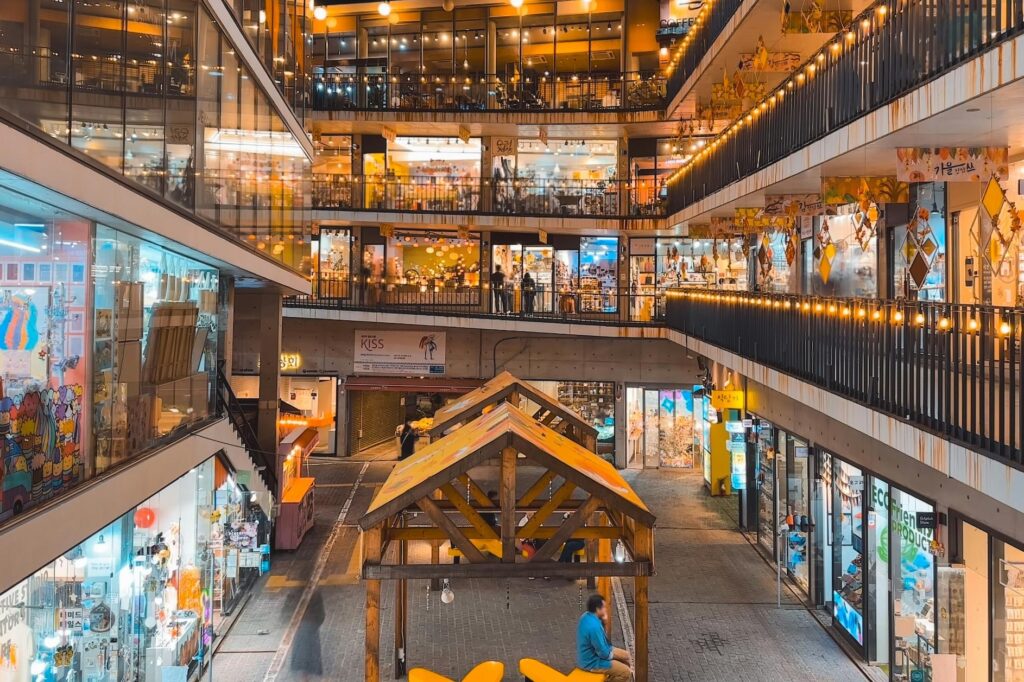
If you’re looking where to go in Seoul South Korea for a traditional experience, Insadong is the answer. This neighborhood is dedicated to preserving Korean culture. Its main street is lined with shops selling traditional crafts, pottery, calligraphy brushes, and hanji (traditional paper).
Explore the Ssamziegil complex, a unique four-story building with a spiral walkway lined with artisan shops. Visit a traditional teahouse and sample different types of Korean tea and sweets. Many shops also offer cultural experiences like stamp making or hanbok (traditional clothing) rental.Insadong is the place to try a Korean royal court meal (hanjeongsik), a multi-course feast of traditional dishes. You’ll also find many restaurants specializing in temple food and classic noodle dishes. Tucked away in the narrow side alleys are dozens of hidden teahouses and traditional restaurants. Don’t be afraid to get lost; that’s where you’ll find the best spots. It’s best to visit at daytime, especially in the afternoon when the main street is pedestrian-only.Bukchon Hanok Village: Walking Through History
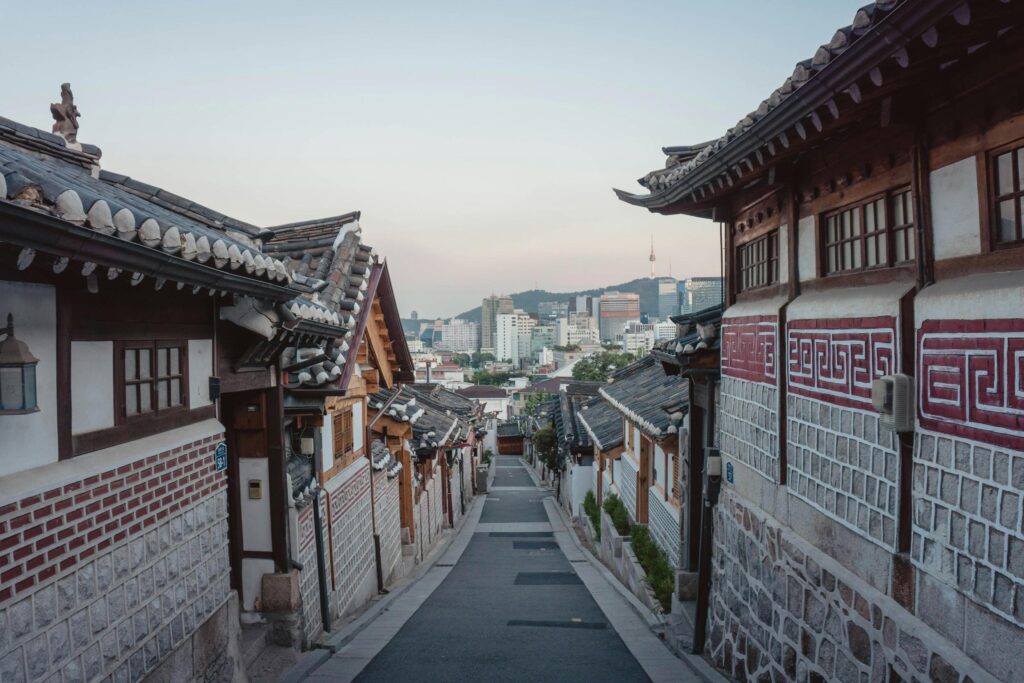
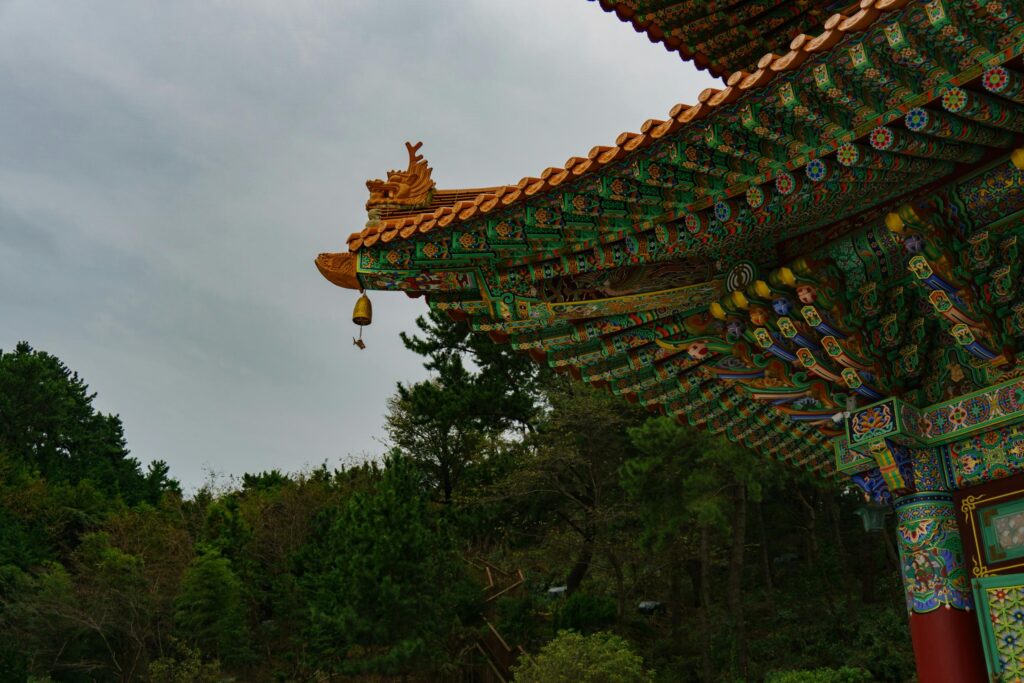
Situated between two royal palaces, Bukchon is a residential neighborhood filled with hundreds of beautifully preserved traditional Korean houses called hanok. Walking through its hilly streets feels like stepping back in time. It is one of the most picturesque neighborhoods in Seoul.
The main activity here is simply wandering and admiring the beautiful architecture. Remember that this is a residential area, so be respectful of the residents. There are several viewpoints that offer stunning panoramic views of the city.
The area has many quaint cafes and small restaurants housed in renovated hanoks. Head towards the nearby Samcheong-dong area for more dining options. And while most tourists stick to the main photo zones, explore the smaller, less-crowded alleys to get a more authentic feel for the village.
Seongsu-dong: The Brooklyn of Seoul
Once an industrial area filled with shoe factories and warehouses, Seongsu-dong has transformed into one of Seoul’s trendiest neighborhoods. Old industrial buildings have been converted into stunning art galleries, cafes, and concept stores, creating a unique, raw, and artistic vibe.
Visit Cafe Onion or Daelim Changgo, two iconic cafes built in repurposed warehouses. Explore the area around Seoul Forest, a massive urban park that hosts art installations and events. Seongsu is also known for its amazing cafes and bakeries. It’s also a great place for craft beer and unique fusion restaurants. For hidden gems, look for the small, independent workshops and leather goods stores that still operate in the area, a nod to the neighborhood’s industrial past.
Stay in Seoul: Go Beyond the Guidebook
Practical Tips for Visiting Seoul Neighbourhoods
Navigating the different Seoul neighborhoods is easy thanks to the city’s world-class public transport.
- Transportation: The Seoul subway is the most efficient way to get around. It’s clean, fast, and connects all the major districts. Use a T-Money card, a rechargeable transport card that you can use on subways and buses.
- Planning Your Day: Group neighborhoods by location. For example, you can easily explore Insadong and Bukchon on the same day as they are right next to each other. Hongdae and Yeonnam are also a natural pair.
- Embrace Walking: The best way to discover the true charm of any neighborhood is on foot. Wear comfortable shoes and be prepared to explore the countless side streets and alleys.
While this list covers some of the best neighborhoods in Seoul, the true joy of exploring this city is finding your own favorite spot. Each district has a story to tell. So, use this guide as a starting point, but don’t be afraid to wander off the path. The best answer to where to go in Seoul South Korea is often down an alley you’ve never seen before.