A trip to Singapore is a journey for the senses, but no experience is more captivating than the first spoonful of a rich, fragrant bowl of laksa. This iconic noodle soup is more than just a dish; it’s a cultural touchstone, a culinary icon, and the heart and soul of Singaporean cuisine. You’ll find it simmering in clay pots in bustling hawker markets across the island, its spicy, coconut-infused aroma drawing in locals and travelers alike. For any food lover, understanding and tasting Singapore laksa is essential to understanding the city itself.
This guide will take you on a deep dive into the world of laksa in Singapore. We’ll explore its fascinating history, break down its essential components, and even provide a detailed recipe so you can bring a taste of Singapore into your own kitchen. We will also venture into the exciting world of modern fusion laksa and point you to the best Singapore hawker centers to find this unforgettable dish.The History and Origins of Laksa: From Janggut Laksa to Katong Laksa
The story of Singapore laksa is a story of cultural fusion. Its roots lie in Peranakan culture, which emerged from the intermarriage of Chinese traders and local Malay people in the Malay Archipelago centuries ago. This vibrant culture, also known as Baba-Nyonya, is famous for its unique language, intricate art, and, most importantly, its incredible food. Peranakan cuisine masterfully blends Chinese ingredients with the aromatic spice paste and cooking techniques of the Malay and Indonesian communities.
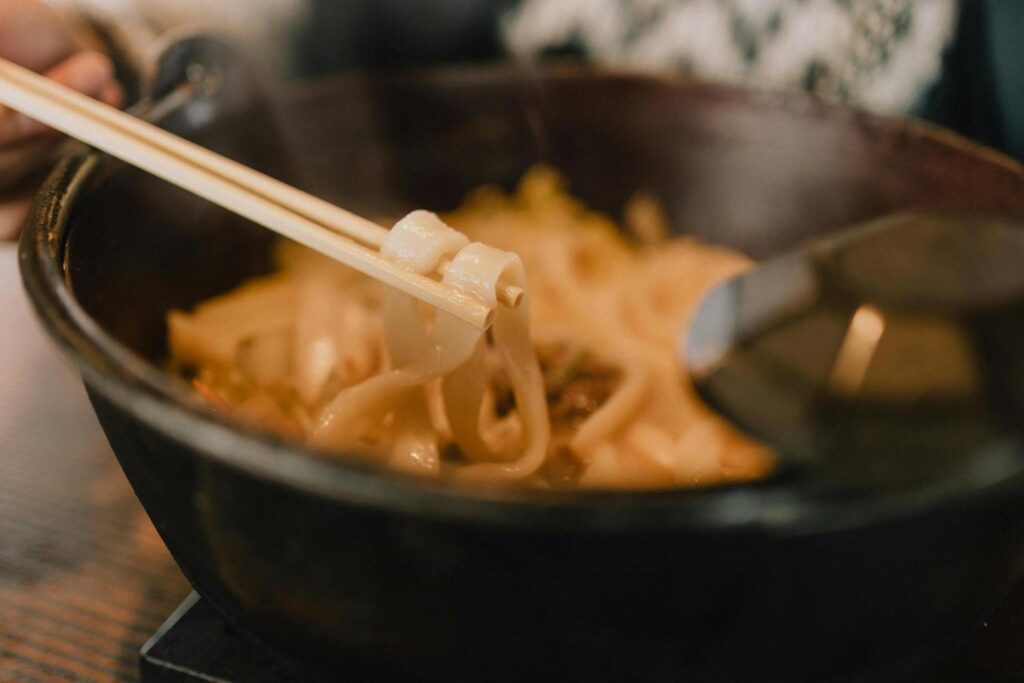
Laksa is the perfect embodiment of this fusion. It combines thick rice noodles and laksa noodles with a spicy, coconut-based laksa broth that is distinctly Southeast Asian. Over time, as this beloved dish made its way from home kitchens to street food vendors and open air food courts in Singapore’s hawker markets, it became a staple of hawker culture. Today, laksa stands as a proud symbol of the nation’s multicultural heritage and is a must-try dish in any hawker center or food centre across the island.What Makes Singapore Laksa in Hawker Centers Unique?
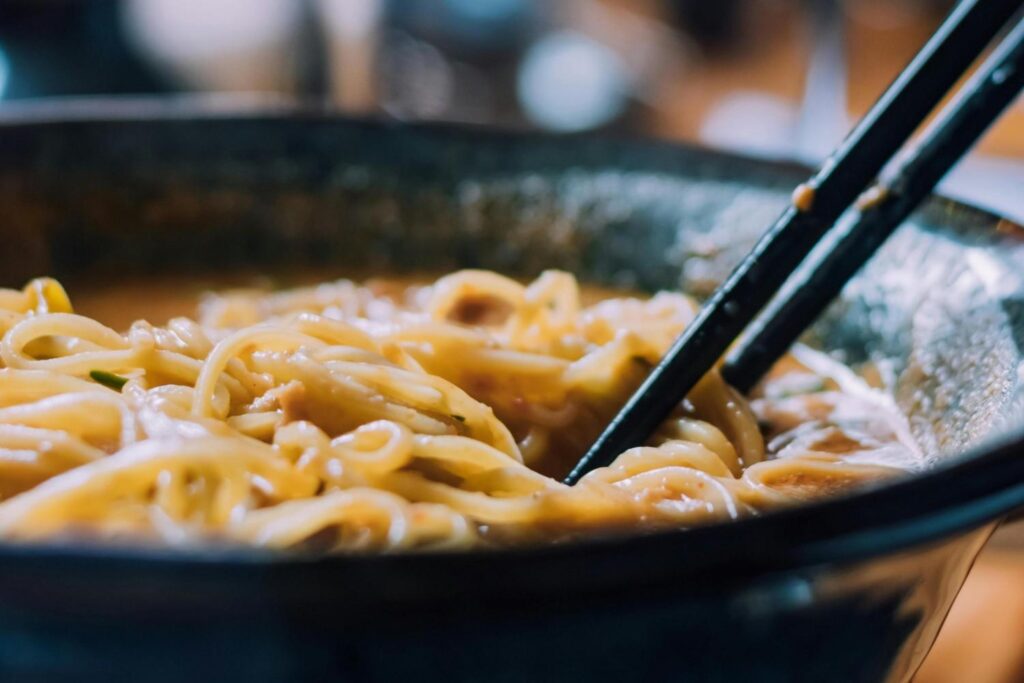
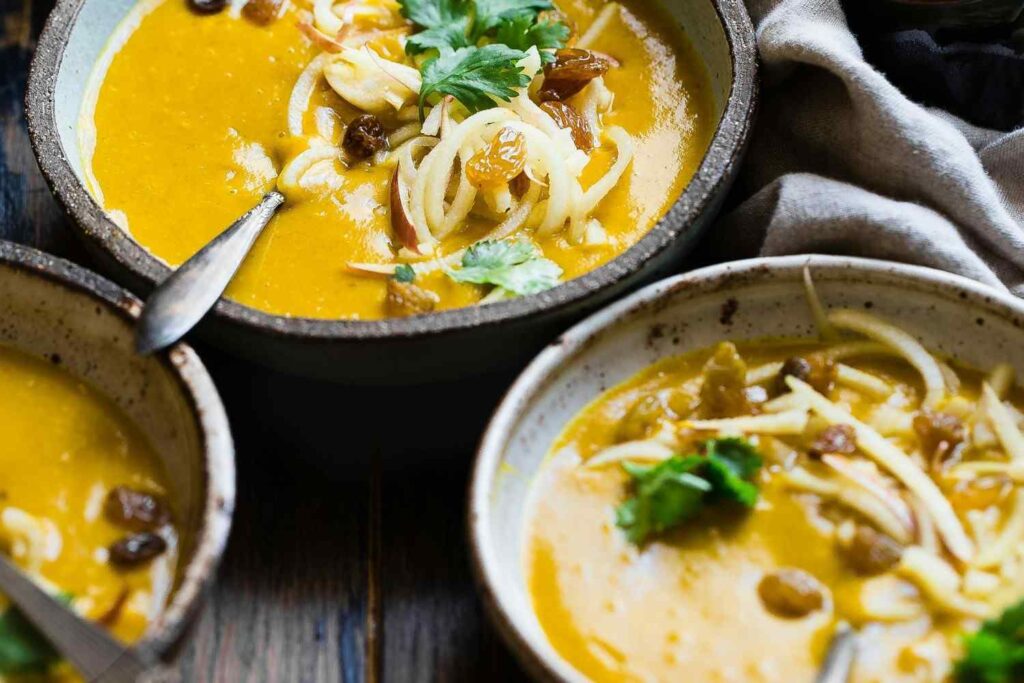
While there are many types of laksa across Southeast Asia, Singapore laksa, often called Katong laksa, has a distinct character. Its defining feature is its rich, creamy, and fragrant laksa broth. The soup base is made from a spicy rempah paste of dried shrimp, chilies, galangal, lemongrass, and shrimp paste, which is then simmered with rich coconut milk to create the signature laksa lemak gravy.
Here are the key components that make laksa in Singapore’s hawker centers so special:
- The Gravy: It is rich and savory, with a perfect balance of spice and creaminess from the coconut milk. The gravy is thick and sometimes features curdled coconut milk, adding to its unique texture and flavor.
- Noodles: Thick rice vermicelli or laksa noodles are the traditional choice. The noodles are often cut into shorter lengths, allowing the entire dish to be eaten with just a spoon. Some regional variations include yellow noodles or rice noodles.
- Toppings: A classic bowl comes loaded with toppings. Common additions include juicy prawns, slices of fish cake, cockles (hum), shredded chicken, and fried tofu puffs (tau pok or bean curd puffs) that soak up the delicious gravy.
- Garnish: A spoonful of chilli paste and finely chopped laksa leaves (Vietnamese coriander) are added just before serving, providing a fresh, herbal note that cuts through the richness.
This style of laksa is a must-try at hawker markets such as Amoy Street Food Centre, Lau Pa Sat, Alexandra Village Food Centre, and Ghim Moh Food Centre. Popular stalls like Terry Katong Laksa and Janggut Laksa at Roxy Square are famous for their authentic flavors and generous servings. Whether you prefer the classic Katong laksa or want to explore other stalls offering Asia Delight Laksa or Yishun Laksa, Singapore’s hawker centers offer a diverse and delicious laksa experience.
Authentic Singapore Laksa Recipe
Ready to recreate this hawker market classic at home? This recipe will guide you through making a fragrant and authentic bowl of Singapore laksa.
Ingredients
For the Laksa Paste (Rempah):- 10-15 dried red chilies, soaked in hot water until soft
- 5 fresh red chilies, deseeded
- 3 stalks of lemongrass, white part only, thinly sliced
- 1-inch piece of galangal, peeled and sliced
- 1-inch piece of turmeric, peeled and sliced
- 4 candlenuts
- 2 tsp belacan (fermented shrimp paste), toasted
- 5 shallots, peeled
- 3 cloves garlic, peeled
- 1 tsp coriander powder
- 3 tbsp cooking oil
- 4 cups chicken or prawn stock
- 2 cups coconut milk
- 1 lb thick rice vermicelli, prepared according to package directions
- 1/2 lb prawns, peeled and deveined
- 6 fried tofu puffs (tau pok), halved
- 4 pieces of fish cake, sliced
- 1 cup bean sprouts, blanched
- Salt and sugar to taste
- Hard-boiled eggs, halved
- Fresh laksa leaves (Vietnamese coriander), chopped
- Sambal chili paste
Instructions
- Make the Rempah: Place all the laksa paste ingredients into a food processor or blender. Blend until a smooth, fine paste is formed. You may need to add a little water to help the blades move.
- Cook the Paste: Heat the cooking oil in a large pot or Dutch oven over medium heat. Add the blended rempah paste and cook for 10-15 minutes, stirring frequently, until the paste is fragrant and the oil begins to separate. This step is crucial for developing the flavor.
- Create the Gravy: Pour the chicken or prawn stock into the pot with the cooked paste. Bring it to a boil, then reduce the heat and let it simmer for 15 minutes to allow the flavors to meld.
- Add Coconut Milk and Season: Stir in the coconut milk. Bring the gravy back to a gentle simmer, but do not let it boil vigorously, as this can cause the coconut milk to curdle. Season with salt and a pinch of sugar to balance the flavors.
- Cook the Toppings: Add the prawns, tofu puffs, and fish cake slices to the gravy. Cook for 3-5 minutes, or until the prawns are pink and cooked through.
- Assemble Your Bowl: Place a portion of the cooked rice vermicelli and blanched bean sprouts into a serving bowl. Ladle the hot laksa gravy over the noodles, ensuring you include a generous amount of prawns, tofu puffs, and fish cake.
- Garnish and Serve: Top with a halved hard-boiled egg, a sprinkle of chopped laksa leaves, and a spoonful of sambal chili on the side. Serve immediately and enjoy with a spoon.
Fusion Laksa Variations
While the traditional recipe is sacred, Singapore’s innovative food scene has given rise to exciting fusion versions of laksa. Chefs in modern restaurants and even some ambitious hawker markets are deconstructing and reimagining this classic dish.- Laksa Pasta: Several cafes serve pasta dishes with a creamy laksa sauce, often topped with seafood like prawns or mussels. It’s a fantastic Italian-Singaporean mashup.
- Laksa Burger: Imagine a juicy chicken or seafood patty topped with a rich laksa-infused mayonnaise, all served in a soft brioche bun. It’s a messy but delicious creation.
- Vegan Laksa: To cater to plant-based diets, many eateries now offer vegan laksa in Singapore. The shrimp paste is replaced with fermented soybeans, and the toppings include a variety of mushrooms, vegetables, and plant-based proteins.
Best Hawker Centres for Laksa
To experience the best laksa in the country, you must visit different famed Singapore hawker centers. Here are a few must visit spots and best stalls renowned for their laksa and other hawker food offerings:
328 Katong Laksa (various locations on East Coast Road): This is arguably the most famous laksa chain in Singapore and a must visit spot for laksa lovers. Located in the Katong neighborhood, the birthplace of this laksa style, their version is served with cut laksa noodles and only a spoon, making it easy to enjoy. The regular bowl is rich with coconut milk and fragrant laksa broth, topped with prawns, fish cakes, bean curd puffs, and cockles.
Sungei Road Laksa (Jalan Besar): This legendary stall at Jalan Besar still cooks its laksa gravy over a charcoal fire, giving it a unique, subtle smokiness that sets it apart. The queue is always long, a testament to its quality and popularity. Their Asia Delight Laksa is a small serving but packed with flavour and extra cockles, making it a favorite among locals and tourists alike. This stall is often praised by food icons like Anthony Bourdain and Gordon Ramsay.
East Coast Lagoon Food Village: East Coast Lagoon Food Village is a seaside hawker center offers a fantastic atmosphere and is a short walk from the Central Business District. Several stalls here serve excellent laksa, including curry laksa and other regional variations like the Penang version. Enjoy your bowl while catching the ocean breeze and exploring other hawker food delights such as hainanese chicken rice, char kway teow, and satay street offerings.
These hawker centers are representative of Singapore’s vibrant hawker culture, offering authentic dishes with fresh ingredients and flavorful laksa broth made with fish sauce, dried shrimp, and coconut milk. Most stalls here pride themselves on traditional cooking methods, ensuring every bowl of laksa is a delicious experience that reflects Singapore’s rich culinary heritage.
Tips for Enjoying Laksa
- Go Early: Popular laksa stalls in hawker markets can sell out by early afternoon. Visit in the late morning to avoid the biggest lunch crowds and ensure availability.
- Customize Your Bowl: Don’t be afraid to customize. You can ask for extra toppings or request “no hum” if you’re not a fan of cockles.
- Handle the Spice: Singaporean food can be spicy. If you’re sensitive to heat, ask for less chili or have it served on the side so you can add it to your liking.
- Perfect Pairing: A glass of iced calamansi lime juice or a cold sugarcane juice is the perfect refreshing drink to cut through the richness of the laksa gravy.
Bring Your Own Laksa to Life
Singapore laksa is more than just a bowl of noodles; it is a delicious, edible story of Singapore’s history, culture, and culinary passion. Whether you’re slurping down an authentic bowl in a bustling hawker market or trying a modern fusion creation, you are participating in a cherished local tradition.
We encourage you to use this guide to explore the vibrant world of laksa in Singapore. Try the famous stalls, discover your own hidden gems, and maybe even recreate the magic in your own kitchen.
Dive into the Singapore Hawker Centers Guide: 20 Must-Visit Food Centers or experience Tokyo After Dark: Where Office Workers Unwind – Insider Tips to the City’s Nightlife.