I have never been the type to look for answers in the sky. My faith has always been grounded in the tangible world of maps, plane tickets, and the solid weight of a backpack on my shoulders. When I travel, I visit temples the same way I visit museums. I admire the architecture, respect the history, and appreciate the culture, but I remain a polite observer. I stay on the outside of the experience, looking in.
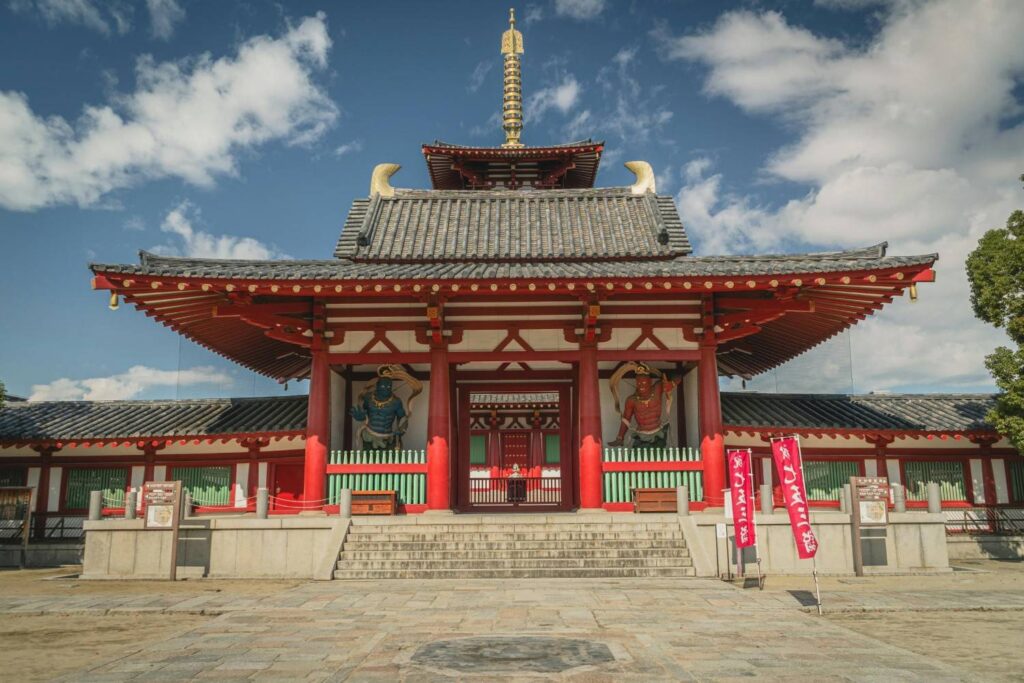
That was exactly how I approached the small, weathered temple on the outskirts of Chiang Mai. It was just another stop on a long itinerary of sights to see before lunch.
The heat was oppressive that morning. The air hung heavy and still, thick with the scent of burning incense and crushed jasmine flowers. Motorbikes buzzed angrily on the road behind me, a constant reminder of the chaotic world outside. I kicked off my sandals at the entrance, feeling the cool, polished tile against my bare feet. I adjusted my camera strap and prepared to frame a shot of the golden Buddha statue seated at the far end of the hall.
Then I crossed the threshold.
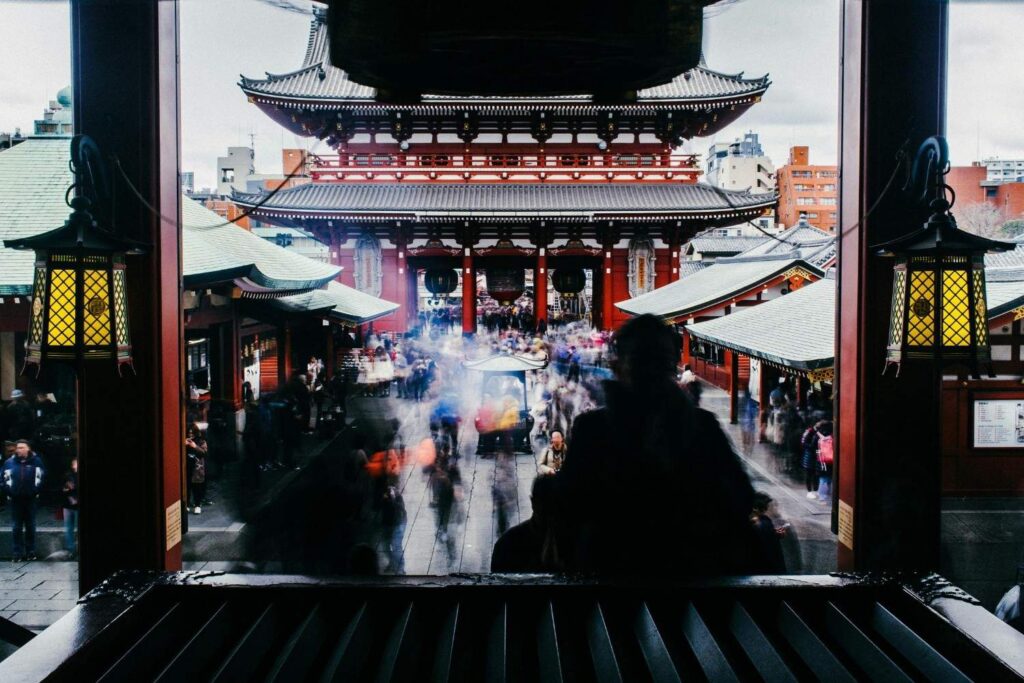
It is difficult to explain what happened next without sounding dramatic, yet it was the quietest moment of my life. As I stepped into the dim, amber light of the main hall, the noise of the world did not just fade; it vanished. The frantic buzzing of my own mind, usually filled with checklists and schedules and low-level anxieties, simply stopped.
A physical wave of peace washed over me. It started at my shoulders, which dropped inches from my ears, and rolled down to my feet. It felt like exhaling a breath I had been holding for years. My chest loosened. My hands stopped fidgeting with my camera lens. I stood frozen in the center of the room, surrounded by flickering candlelight and the soft murmur of a monk chanting in the corner.
My rational brain immediately tried to dissect the moment. It is just the acoustics, it argued. It is the hypnotic smell of the sandalwood. It is the power of suggestion. I tried to analyze the architecture and the lighting, looking for the trick.
But my heart refused to listen to the logic. For the first time in a long time, I felt a profound sense of safety. It was not a religious conversion. I did not suddenly understand the mysteries of the universe. It was simpler than that. It was a whisper that rose up from the silence and settled into my bones. You are okay. You are exactly where you need to be.
Tears pricked my eyes, hot and sudden. I blinked them away, confused by my own reaction. I was not sad. I was not particularly happy. I was just open. The armor I wore to navigate the world had momentarily dissolved, leaving me raw and receptive to a grace I had not asked for.
I sat on the floor for twenty minutes, doing absolutely nothing. I just breathed. I let the golden light soak into my skin. I let the strange, heavy hope fill the empty spaces in my chest.
When I finally stood up to leave, the feeling did not evaporate. I walked back out into the bright, noisy glare of the Thai afternoon, but the frantic energy of the street could not touch me. I slipped my sandals back on, feeling lighter than I had in months. I still cannot name what happened in that hall. I do not have a label for it, and perhaps I do not need one. I only know that I walked in a tourist, and I walked out carrying a small, quiet piece of peace in my pocket.