I arrived in Seoul with a question in my heart and a half-empty suitcase: what is in Seoul, really? Beyond towering skyscrapers, K-pop beats, and spicy kimchi, I sought its soul: the energy making it one of the most dynamic cities on the planet. Over ten days, I immersed myself in this metropolis of contrasts, where ancient palaces stand beside futuristic architecture, quiet temples meet electric nights, and every meal is a celebration.
This journey was more than a trip; it was a deep dive into a culture both traditional and hyper-modern, an exploration of flavors that awakened my senses, and a personal quest that reawakened my spirit. If you’re asking “what is in Seoul,” Bites and Travel presents you a glimpse into the magic that awaits.
Days 1-3: Stepping into History and Modernity
My first few days were a whirlwind introduction to Seoul’s beautiful duality, the capital city of South Korea. I wanted to ground myself in the city’s rich Korean history before diving into its contemporary culture.
Royal Palaces, Hanboks, and Royal Traditions: Bukchon Hanok Village
I started at Gyeongbokgung Palace, the grandest of Seoul’s Five Grand Palaces and a prime example of a Korean palace. Wearing a hanbok from nearby rental shops, I felt connected to the Joseon Dynasty‘s legacy and Korean culture. Wearing a hanbok also grants free entry to this major attraction in central Seoul.
From there, I visited Bukchon Hanok Village, a vibrant neighborhood of traditional Korean houses showcasing traditional Korean art and cultural events. Close to the National Folk Museum and National Museum, this area offers a deep dive into Korean history and art museums.
Exploring Bukchon Hanok Village and Gyeongbokgung Palace near Seoul Station and Incheon International Airport provides an accessible introduction to visiting Seoul South Korea, blending the old and new that define the entire country.
- Experience Highlight: Renting a hanbok near the palace is easy and affordable. Wearing one grants you free entry to Gyeongbokgung and other royal palaces, a major attraction in central Seoul.
- Personal Reflection: Seeing families and friends, both local and foreign, dressed in hanboks, laughing and taking photos, I realized that tradition here isn’t just preserved; it’s actively celebrated and shared.

From the palace, I wandered over to the nearby Bukchon Hanok Village. This charming residential area is filled with traditional Korean houses, or hanoks. Navigating its hilly, narrow alleyways offered stunning views of downtown Seoul and a peaceful escape from the urban hustle. The village itself is a vibrant neighborhood rich with traditional Korean art and cultural events that showcase the city’s vibrant culture.
This area is also close to other cultural landmarks such as the National Folk Museum and the National Museum, making it a key part of any Seoul trip focused on history and art museums. Walking here, you can feel the pulse of Korean history while surrounded by the modern cityscape.Exploring Bukchon Hanok Village and Gyeongbokgung Palace near Seoul Station and Incheon International Airport makes for an accessible and deeply enriching introduction to visiting Seoul South Korea. It’s a perfect blend of the old and new, a theme that defines the entire country.Days 4-6: A Deep Dive into K-Culture and Food
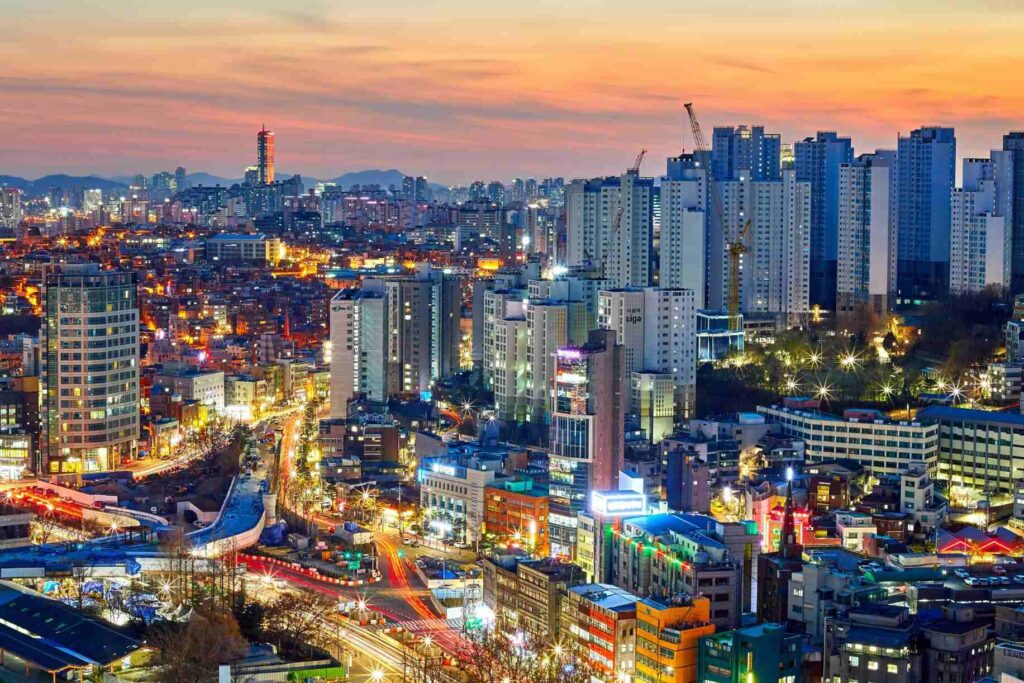
Having explored the past, I was ready to embrace the vibrant present. The next few days were dedicated to understanding the global phenomenon of K-culture and, of course, the delicious food that defines Seoul.
The Epicenter of K-Pop and Modern Seoul
My journey into modern Korean culture took me to Gangnam, the district made famous worldwide by Psy’s hit “Gangnam Style.” Walking along K-Star Road, I admired colorful bear statues dedicated to famous K-pop groups like BTS and EXO. This vibrant neighborhood captures Seoul’s contemporary art scene and youthful energy. Later, I spent an evening in Hongdae, near Hongik University, where streets buzzed with musicians, dance crews, trendy shops, and cool cafes.Street Food, Traditional Markets, and Culinary Delights: Answering “What is in Seoul?” with My Taste Buds
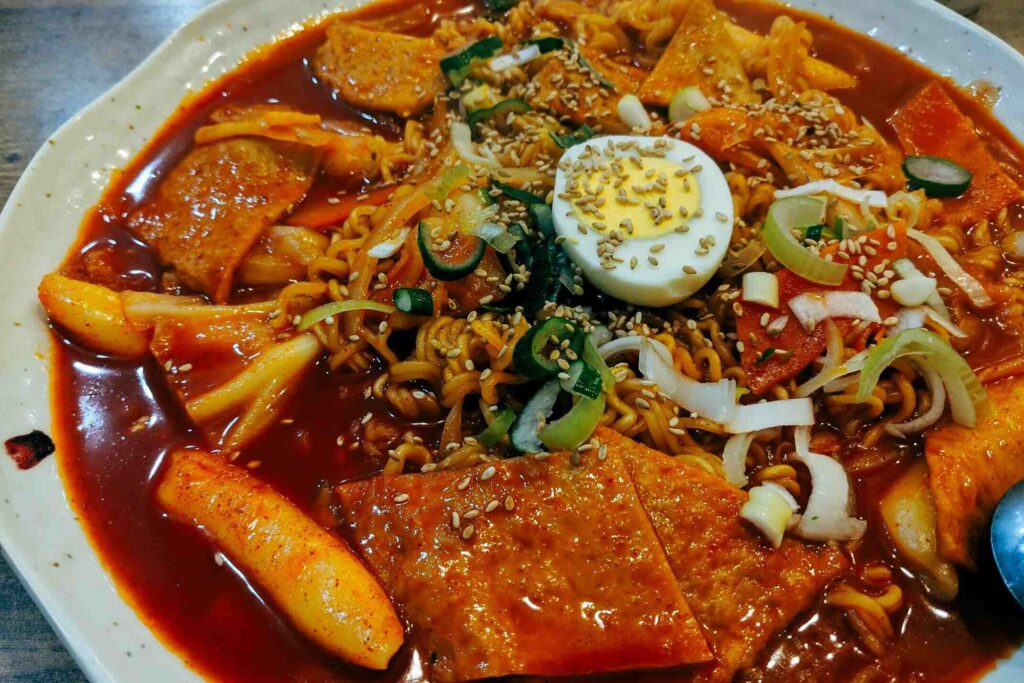
To truly understand a culture, you have to taste its food. I took a kimchi-making class led by a kind ajumma, learning to season salted cabbage with a spicy chili, garlic, and ginger paste, a cherished ritual in Korean cuisine.
My culinary journey continued at Gwangjang Market, one of Seoul’s largest traditional markets and a must-visit for delicious food lovers. I enjoyed tteokbokki (spicy rice cakes) and bindaetteok (mung bean pancakes) at a bustling food stall, sharing the experience with locals through smiles and gestures.- Foodie Highlights:
- Kimchi-making: A hands-on class is a fantastic way to appreciate the effort behind Korea’s iconic dish.
- Gwangjang Market: Arrive hungry and try everything from hand-cut noodles (kalguksu) to Korean fried chicken, a local favorite.
- Korean BBQ: A meal of samgyeopsal (grilled pork belly) is a social event. I gathered with new friends from my hostel, grilling meat at our table and wrapping it in lettuce with garlic and ssamjang sauce.
Exploring Seoul’s Vibrant Neighborhoods and Cultural Hotspots
I also ventured to the Ihwa Mural Village, a vibrant area famous for its street art and murals painted by local artists and university students. This colorful neighborhood offers a glimpse into Seoul’s thriving contemporary art scene and creative spirit.Nearby is the Dongdaemun Design Plaza, an architectural marvel and hub for fashion and cultural events, showcasing Seoul’s blend of tradition and futuristic design.To get around, I used the subway station network with a T-money card for convenience. While Google Maps provides basic public transport directions, the Naver app proved more reliable for walking routes and subway navigation in Seoul.Nightlife and Shopping: Where Tradition Meets Trend
For shopping and beauty needs, I visited Olive Young, the go-to store for Korean skincare products with global acclaim. Vibrant shopping districts like Myeongdong and Dongdaemun offered endless options, from trendy fashion to street food stalls.As night fell, I enjoyed the lively atmosphere at Banpo Hangang Park along the Han River, famous for its stunning rainbow fountain show on Banpo Bridge, a magical sight attracting locals and tourists alike.This mix of traditional markets, modern shopping, delicious food, and vibrant nightlife made for the best trip, showcasing Seoul’s dynamic culture and charm.Days 7-8: Finding Peace and Hidden Gems
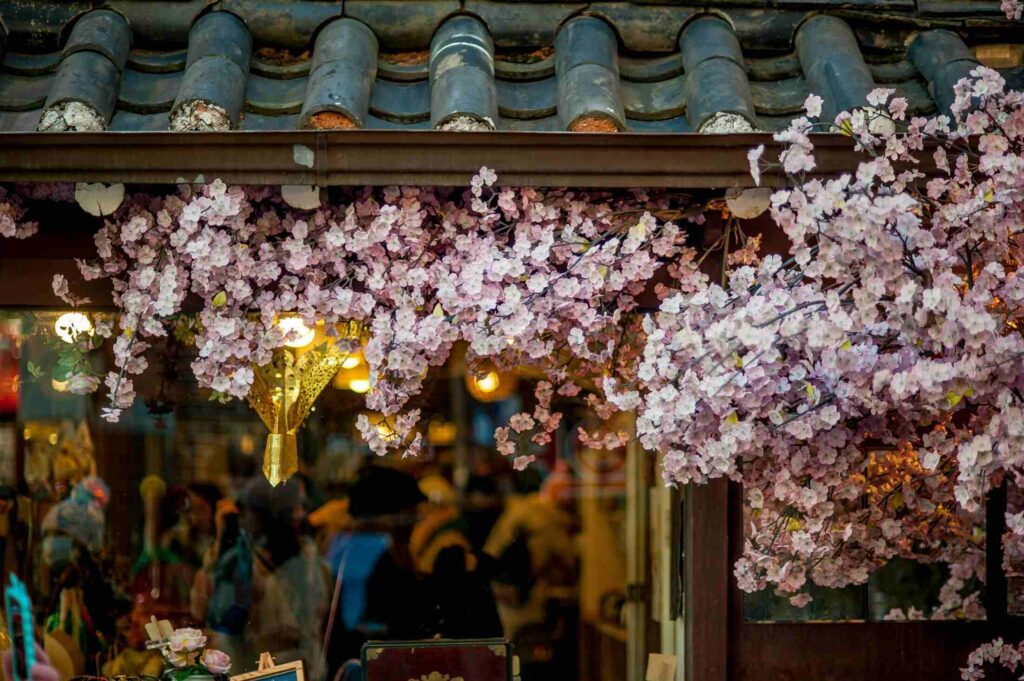
After days of high-energy exploration, I craved moments of peace and quiet. I set out to find the calmer side of Seoul, the places locals go to unwind.
Temple Stays and Traditional Tea Ceremonies
I took a day trip to Jogyesa Temple, the chief temple of the Jogye Order of Korean Buddhism in central Seoul. Its vibrant main hall and serene atmosphere offered a peaceful contrast to the bustling city.For a deeper cultural experience, I joined a traditional Korean tea ceremony, learning the mindful art of preparing and serving Korean green tea. This quiet moment brought a meditative calm, balancing the energetic city life.Exploring Lesser-Known Neighborhoods: Ikseon-dong’s Hidden Gems
I spent a day exploring Ikseon-dong, a charming neighborhood of narrow alleys filled with renovated traditional Korean houses that now host trendy cafes, restaurants, and artisan shops. This vibrant area blends traditional Korean houses with contemporary street art and cool cafes, showcasing Seoul’s dynamic culture.Unlike the more famous Bukchon Hanok Village, Ikseon-dong offers a quieter, more intimate experience away from the most tourists-frequented spots, giving visitors a chance to enjoy authentic Korean culture and hidden gems.Namsan Park and the Iconic Seoul Tower
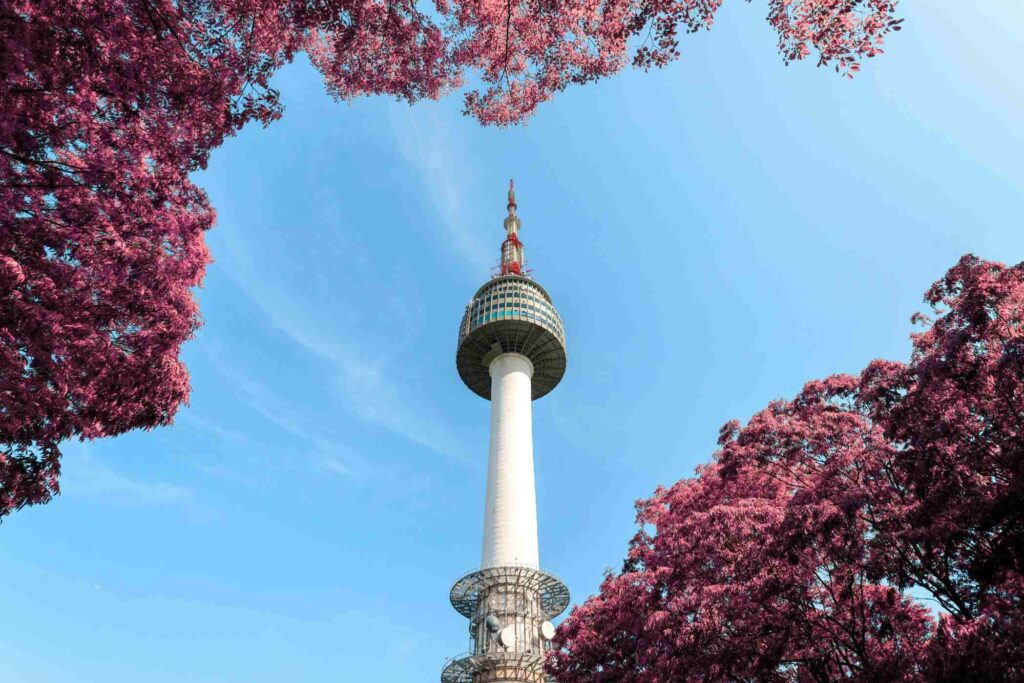
To connect with nature while enjoying city views, I visited Namsan Park, a large green space in central Seoul. Hiking its trails led me to the famous Seoul Tower, also called N Seoul Tower, atop Namsan Mountain. The scenic cable car ride offered panoramic views of South Korea’s largest city.Seoul Tower, one of the tallest buildings in the city, is a must-see for visitors seeking breathtaking views of Seoul’s skyline. The park and tower provide a peaceful escape from urban life, showcasing the city’s blend of natural beauty and modern architecture.Discovering Seongsu-dong: From Shoe Factories to Trendy Art District
I also explored Seongsu-dong, a vibrant neighborhood once known for its shoe factories. Now transformed into a hip district filled with street art, galleries, and cool cafes, it’s often called the “Brooklyn of Seoul” due to its creative energy and industrial charm.Seongsu-dong reflects Seoul’s evolving urban landscape, where old industrial spaces become cultural hubs showcasing contemporary and craft art. It’s a must-visit for those interested in Seoul’s modern art museums and thriving creative scene.This artsy side of Seoul offers a quieter balance to the bustling markets and busy streets, revealing another layer of what is in Seoul beyond typical tourist spots.Days 9-10: Self-Discovery and a Final Farewell
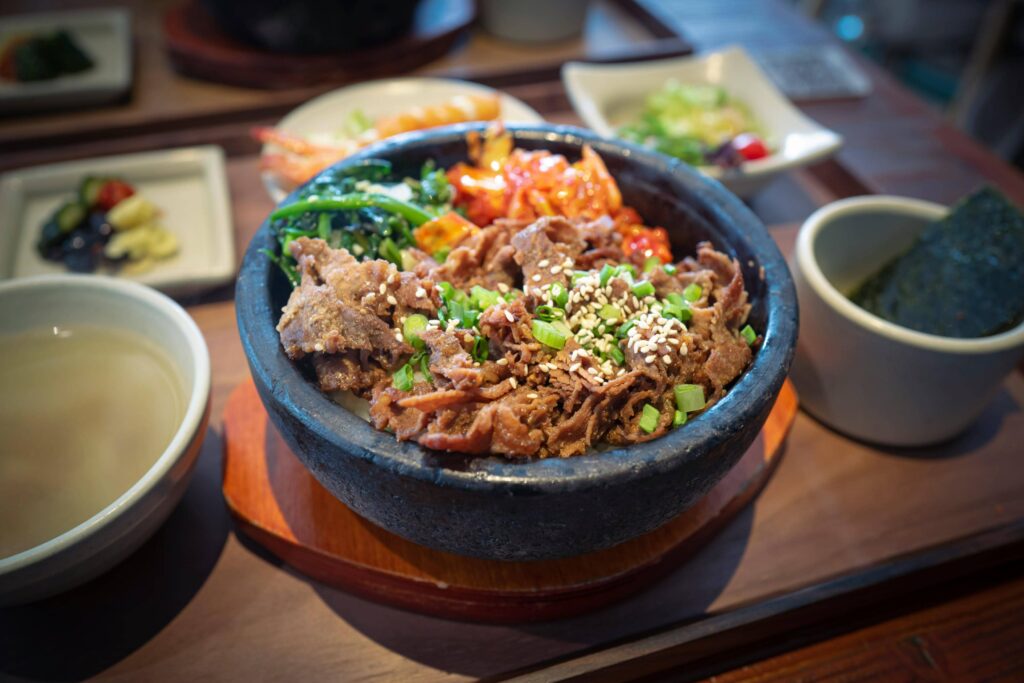
As my trip neared its end, my focus shifted inward. The journey had become more than just a checklist of sights; it was about the person I was becoming along the way.
Hiking and City Views: Seoul Forest and Walking Trail
On my second to last day, I hiked a section of the Seoul City Wall Trail leading to Naksan Park, known for its street art and murals. The climb rewarded me with stunning views of Seoul, including the iconic N Seoul Tower and the Han River. From ancient royal palaces to modern skyscrapers like Lotte World Tower, the city’s rich history and vibrant culture unfolded before me. This moment answered my question of what is in Seoul: a blend of past, present, and future.
Seoul Worth Visiting: A Final Reflection
For my last night, I had a simple meal of doenjang-jjigae (soybean paste stew) at a quiet local restaurant. Reflecting on my journey through this dynamic capital city of South Korea, I realized Seoul taught me much about myself. I became more adventurous with food, found joy in exploring new neighborhoods, and appreciated quiet moments away from the bustling crowds.
So, what is in Seoul? It’s the echo of ancient dynasties in palace courtyards, vibrant cultural events, and UNESCO World Heritage Sites telling Korean history. It’s the beat of K-pop on crowded streets, colorful cherry blossoms in spring, and shared laughter over sizzling Korean BBQ. It’s the kindness of strangers, fresh air despite air pollution, and a city that invites exploration, learning, and growth. Seoul holds the soul of a nation and a bit of your own.
I left with a full suitcase, a camera full of memories, and a heart full of gratitude. If you visit, discover what is in Seoul through a DMZ tour to learn about the Korean War and North Korea, shopping at COEX Mall, or enjoying views from Lotte World Tower. You won’t be disappointed.
For more travel diaries and experiences, visit Bites and Travel for more around the world journaling!