Most travelers we talk to arrive in Beijing with the same must-see list: the Great Wall, the Forbidden City, and Tiananmen Square. And honestly? These places are absolutely worth visiting – you’re not alone in wanting to see them! But here’s what many travelers discover once they’re there: some of Beijing’s most memorable moments happen away from those famous sites.
We always encourage visitors to spend ample time exploring the narrow alleyways called hutongs – it might feel a bit intimidating at first, but trust us, it’s easier than you think.. Don’t worry about navigating this on your own – there are plenty of professional guided tours and private guides who can help make your hutong dining experience smooth and genuinely special.
What Are Hutongs and Why They Matter for Dining in a China Tour
Hutongs are traditional alleyways formed by lines of siheyuan, historic courtyard residences. For centuries, these neighborhoods have been the heart of daily life in Beijing, offering a glimpse into neighborhood life beyond the city’s imperial landmarks. Though many have been replaced by modern buildings, surviving hutongs remain a vital part of Beijing’s history and culture, perfect for authentic Beijing tours. Experienced tour guides ensure visitors gain deep insights into these neighborhoods’ history and culture.
Types of Hutong Courtyard Restaurants in Mainland China
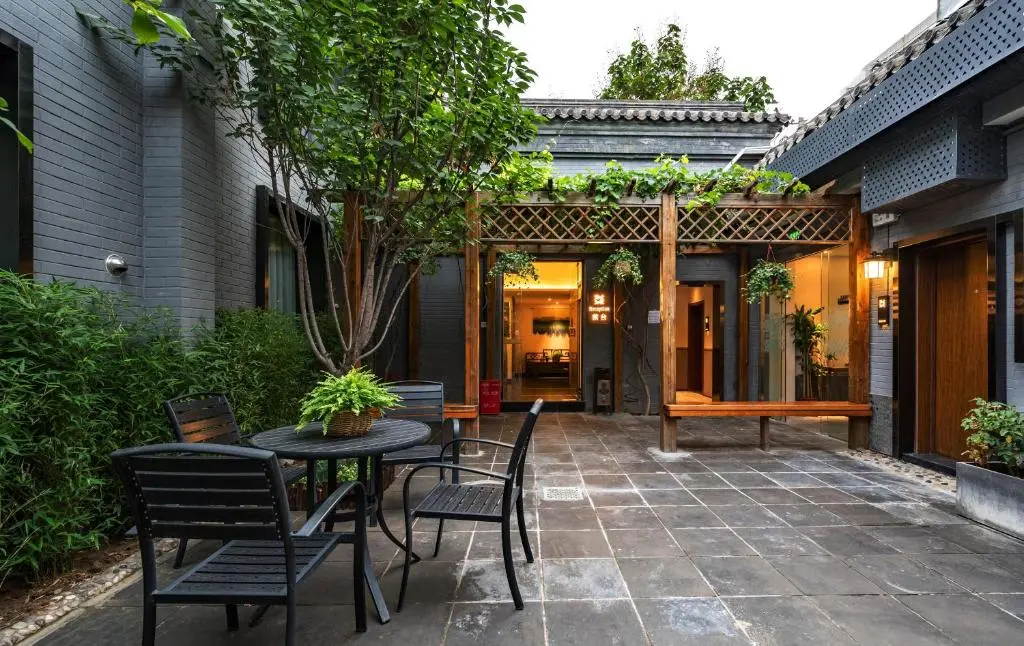
Traditional Family-Run Establishments
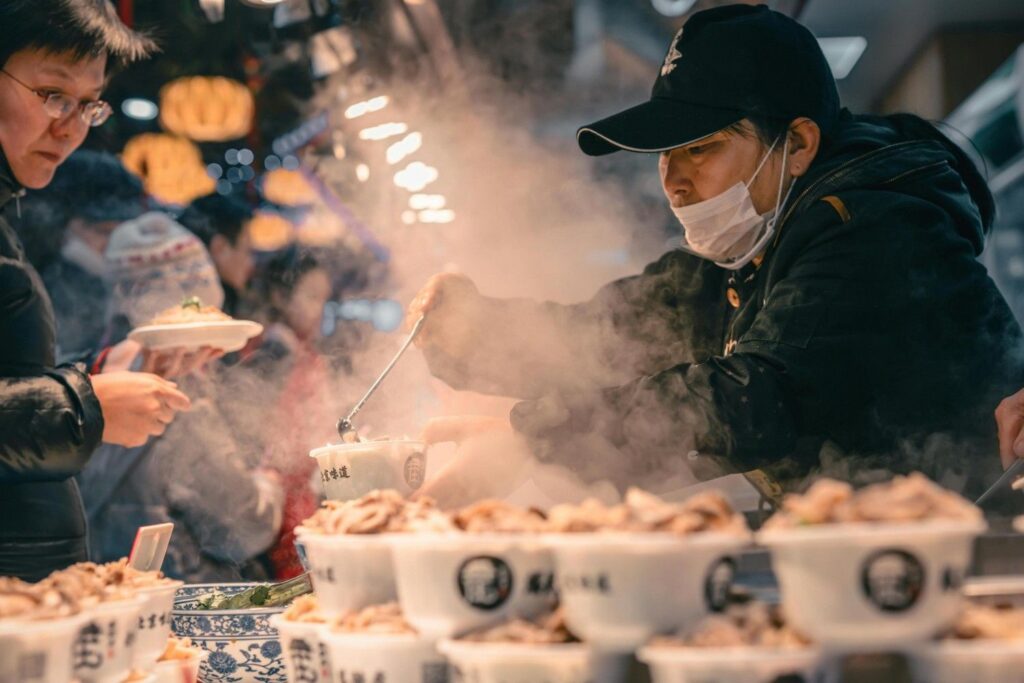
Some of the best Beijing hutong meals are found in small, family-run places tucked along narrow alleys and grey brick walls. These are the kinds of restaurants where the menu may be mostly in Chinese, the space is simple, and the food feels close to local life. Around residential hutongs in Dongcheng District or Xicheng District, you might find dumplings, noodles, stir-fried dishes, and old Beijing flavors that have been served the same way for years. It is not fancy, but that is the charm.
Modern Fusion Courtyard Restaurants
Modern Beijing has also brought a new kind of hutong dining: restored private courtyards with thoughtful menus, soft lighting, and a peaceful atmosphere. These restaurants often sit inside a central courtyard, blending old city character with creative cooking. They are perfect if you want something more polished after a hutong tour, rickshaw tour, or walk through famous hutong areas like Mao’er Hutong, Ju’er Hutong, or the surrounding alleys near Guozijian Street and the Confucius Temple.
Tea Houses and Casual Eateries
Not every hutong stop needs to be a full meal. Sometimes the best break is a quiet tea house, a tiny noodle shop, or a casual eatery serving jiaozi, baozi, sesame pancakes, or simple northern-style dishes. Around Shijia Hutong, Lingjing Hutong, Jinyu Hutong, and other ancient alleys, these smaller places give you a softer look at hutong life. They are especially good when you want to slow down between tourist attractions, museums, calligraphy shops, and cultural street walks.
Fine Dining in Restored Courtyards
For a special meal, some of the best hutongs now hide elegant restaurants inside restored courtyards and boutique hotels. These places usually need reservations, but they can be a memorable part of a Beijing city itinerary. Think refined service, seasonal dishes, and old architecture that hints at the Ming and Qing dynasties without feeling like a history lecture. After exploring Liulichang Cultural Street, Wangfujing Street, Shijia Hutong Museum, or a famous cultural street nearby, this kind of dinner adds a beautiful finish to the day.
Where to Eat in Beijing City’s Best Hutong Lanes
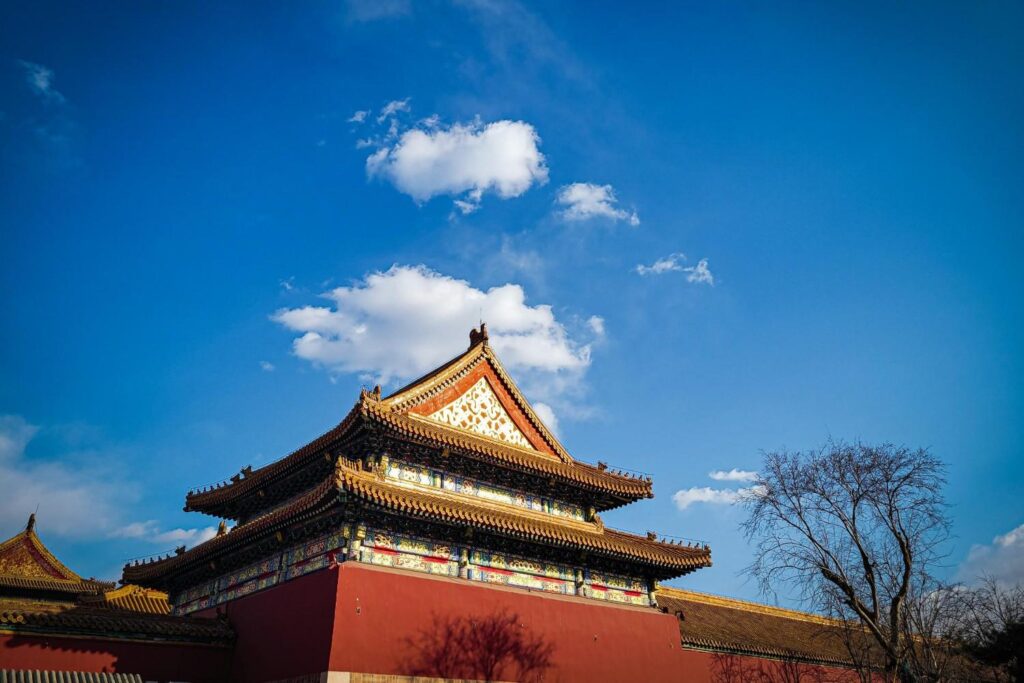
While hidden gems are scattered throughout the city, certain neighborhoods are famous for their vibrant hutong dining scenes. Including these areas in your walking route offers endless culinary discoveries and authentic local experiences.
Nanluoguxiang Area
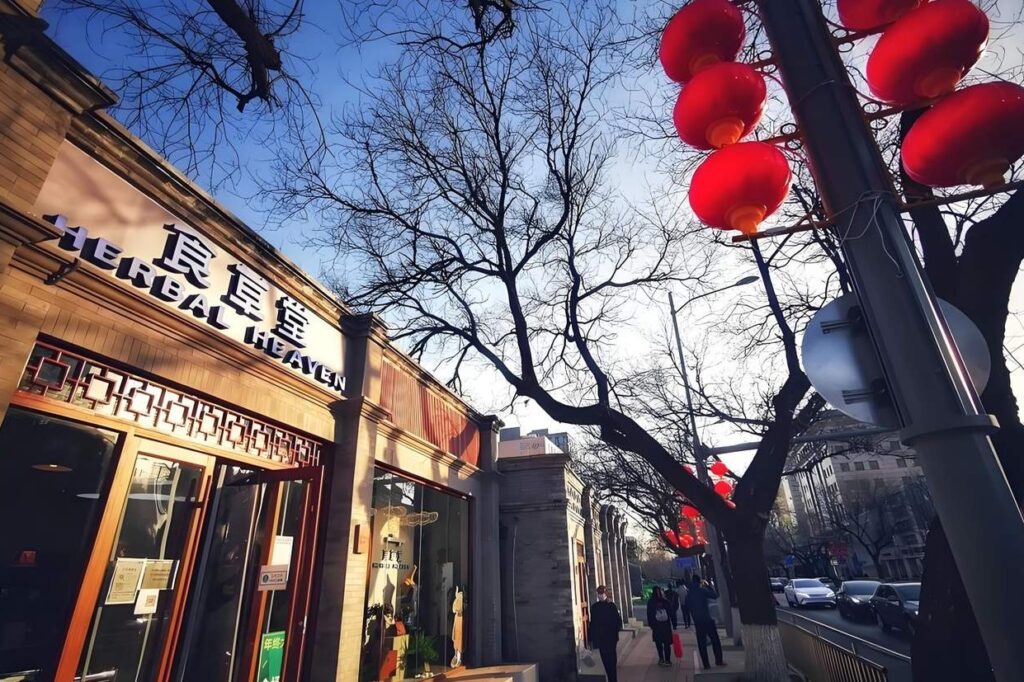
Though the main street is touristy, the Nanluoguxiang alleys offer fantastic restaurants blending accessibility with authentic options. Ideal for first-time visitors, it’s perfect for a walk after visiting nearby Beijing attractions like the Bell and Drum Towers, making it a great stop on your Beijing private tours.
A Small Bite: If Nanluoguxiang feels too crowded, walk north toward Beiluoguxiang and the side lanes around Gulou. You’ll usually find a quieter mix of cafes, small restaurants, bars, and residential courtyards.
Dashilar (Dazhalan) Neighborhood
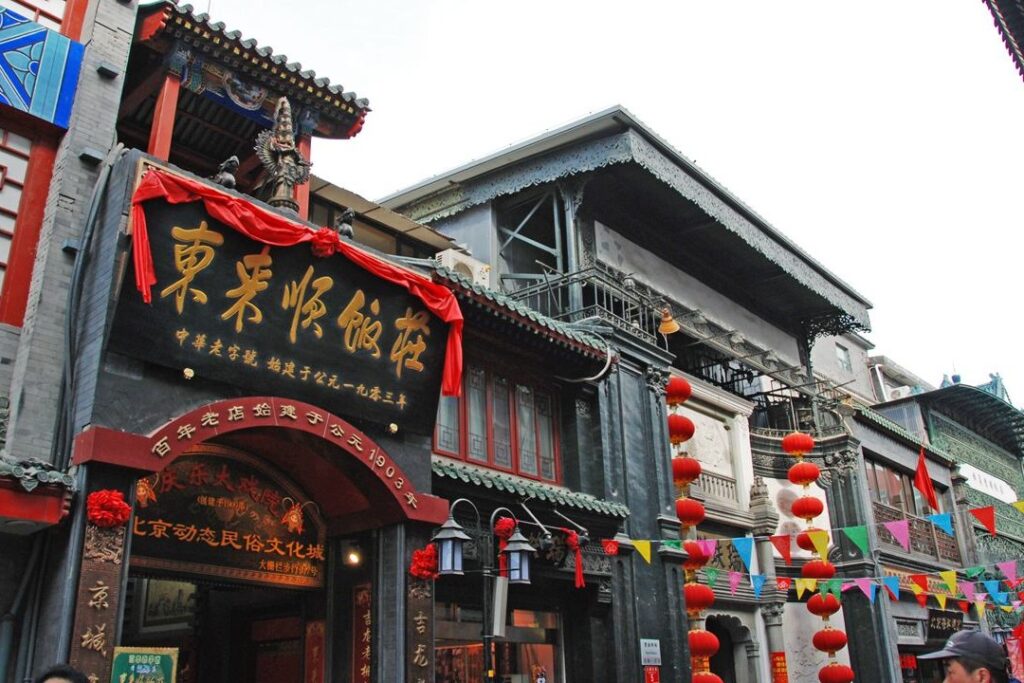
Just south of Tiananmen Square, Dashilar is one of Beijing’s oldest commercial districts. Amid restored storefronts, historic eateries serve traditional Beijing snacks and classic dishes in a lively atmosphere. It offers a wonderful trip back in time and is popular with both groups and solo travelers on a private food tour.
Gulou (Drum Tower) District
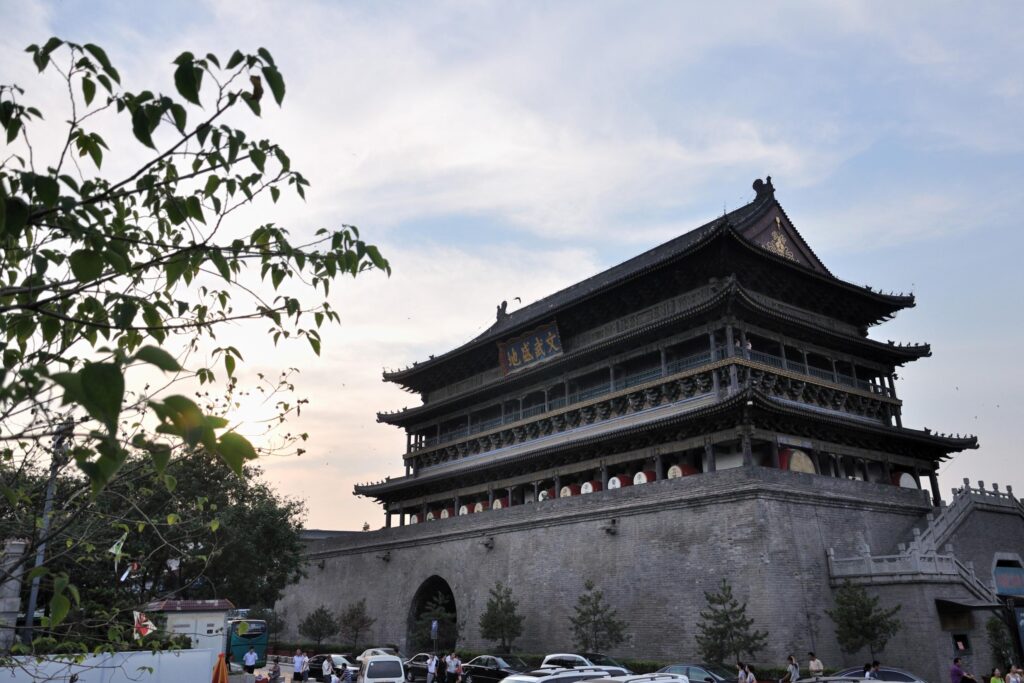
The area around the Drum and Bell Towers is a food lover’s paradise, filled with trendy cafes, craft beer bars, noodle shops, and dumpling houses. Popular with expats and young Beijingers alike, it offers a fantastic blend of culture and cuisine in the Chinese capital.
Wudaoying Hutong
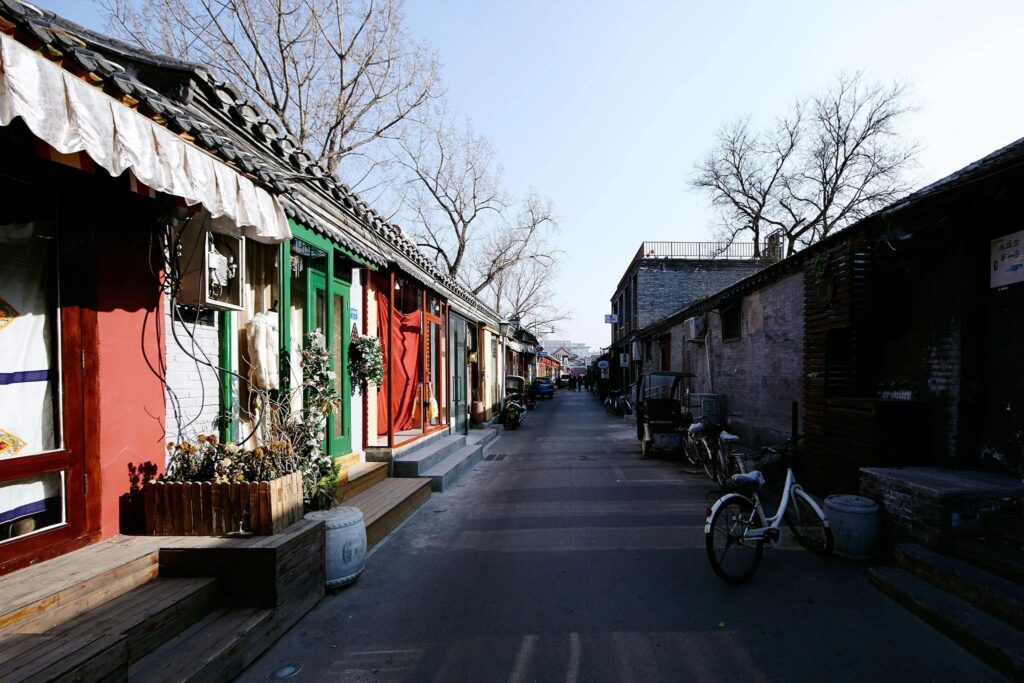
Located near Yonghe Temple and Guozijian Street, Wudaoying Hutong offers a bohemian, relaxed vibe with hip courtyard restaurants, quirky boutiques, and cozy coffee shops. This pedestrian-friendly area provides a modern take on the hutong experience and is easily accessible from Yonghegong Lama Temple Station.
Signature Dishes to Try at Hutong Restaurants
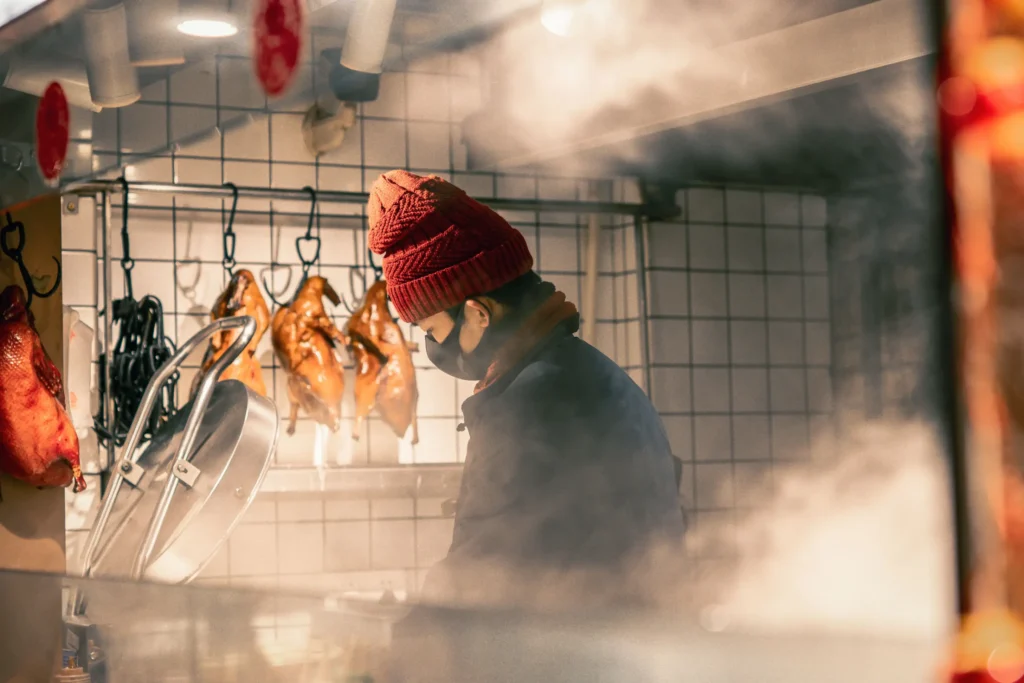
Food is the best reason to slow down in a hutong in Beijing. After walking through narrow street corners, main alleys, and several hutongs full of local culture, these are the dishes worth looking for.
Beijing Duck 北京烤鸭 (Peking Duck): You can find Peking duck in big restaurants across the capital city, but eating it in a courtyard or small street setting feels more memorable. Some hutong restaurants keep the mood relaxed, with crisp duck skin, soft pancakes, scallions, cucumber, and sweet bean sauce served in a way that feels connected to old Beijing.
Jiaozi 饺子 (Dumplings): Dumplings are a comfort food across northern Chinese cities, and hutong spots often keep them simple and satisfying. Look for pork and cabbage, egg and leek, or vegetable fillings, usually served boiled with black vinegar and chili oil. They are easy to love, even if it is your first hutong meal.
Handmade Noodles 炸酱面 (Mian Tiao): If you see zhajiangmian on the menu, try it. This classic Beijing noodle dish comes with thick wheat noodles, savory soybean paste, pork, and fresh vegetables. It is filling, affordable, and perfect after wandering places like South Gong, Bada Hutong, Jiuwan Hutong, or other famous hutong areas.
Hot Pot (Huo Guo): In colder months, hot pot is exactly what you want after exploring the oldest hutongs, the longest hutong, or even the shortest hutong on your walking route. A bubbling pot of broth, mutton, tofu, and vegetables feels warm, social, and very Beijing.
Traditional Beijing Snacks: Some old snacks may surprise you, but they are part of the city’s cultural heritage. Chao gan 炒肝, douzhi 豆汁, sesame cakes, and other local bites connect today’s hutong dining to ancient China, the Yuan Dynasty, the Ming Dynasty, and the long history behind the word hutong, which is often linked to the Mongolian language.
How to Enjoy Beijing Hutong Dining Without Feeling Lost
Best Times to Visit and Etiquette for Courtyard Dining
Many family-run hutong spots are busiest during local meal times (12 PM–1:30 PM and 6 PM–8 PM). Arriving just before or after these peaks can help secure a table. While courtyard restaurants are casual, it’s polite to keep noise low since most of these are still residential areas.
How to Spot an Authentic Hutong Restaurant
Look for places with simple, handwritten menus and a steady flow of local customers. Don’t be misled by modest appearances; the best food often comes from unassuming kitchens. Avoid restaurants on main tourist streets with staff aggressively trying to lure you in.
Language and Ordering Tips for Beijing Private Tours
Many smaller hutong restaurants won’t have English menus. Use a translation app with photo capabilities to translate menus by taking pictures. Alternatively, watch what others order and point to appealing dishes. Your local guide can assist with ordering and provide all the details to enhance your experience.
Insider Tips for Making the Most of Your Beijing Tours
One tip I always share with friends is to wear comfortable shoes. Beijing’s treasures often require plenty of walking, and if you want to beat the crowds, try to arrive early at top attractions. Booking a private guide can also make a huge difference; they not only share fascinating stories but help you navigate the city smoothly, saving you time and hassle.
Your Authentic Beijing Tour Awaits
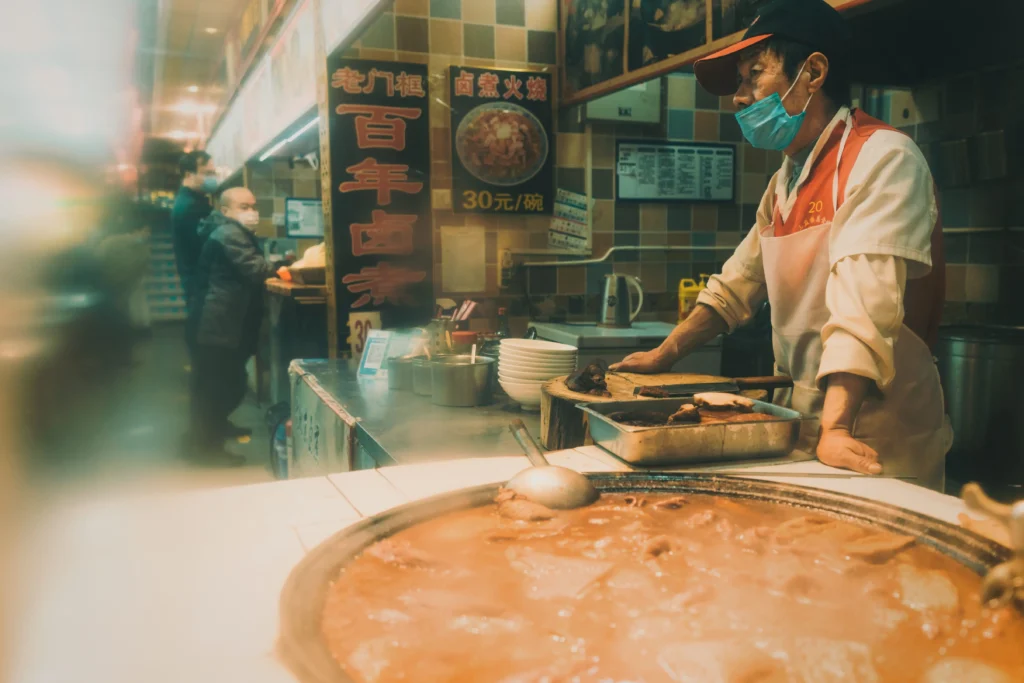
Exploring hutong restaurants offers a travel experience beyond sightseeing, connecting you to Beijing’s history, culture, and community in a personal, delicious way. It’s the joy of finding a hidden courtyard, enjoying a home-cooked meal, and sharing a local secret.
As you plan your Beijing tours, step off the beaten path. Spend an evening wandering the hutongs, following the scent of sizzling garlic and simmering broth. This adventure enriches your trip and deepens your understanding of the city.
Discover more of the flavors locals call home beyond typical tourist restaurants with Bites and Travel.