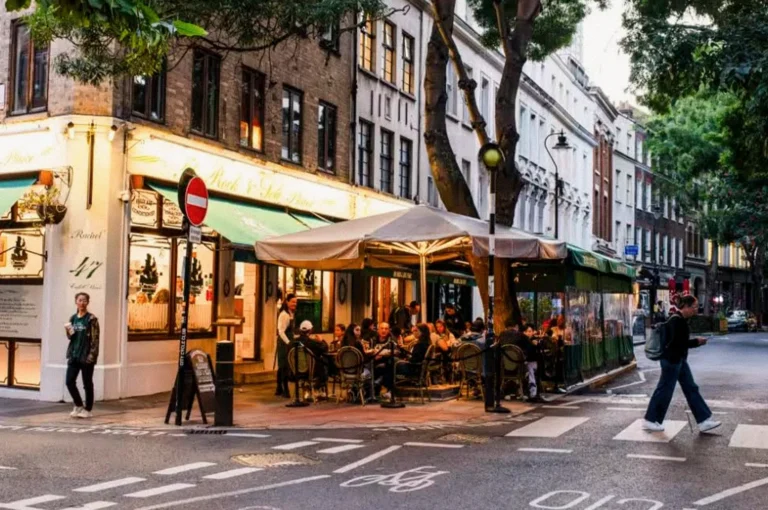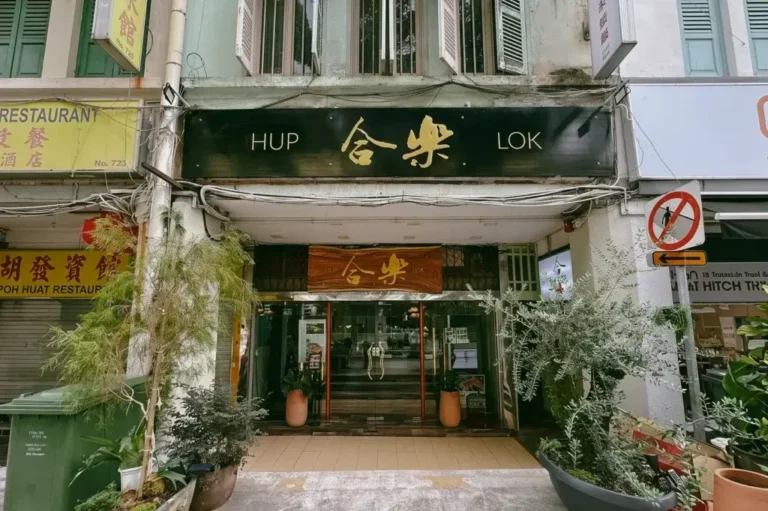
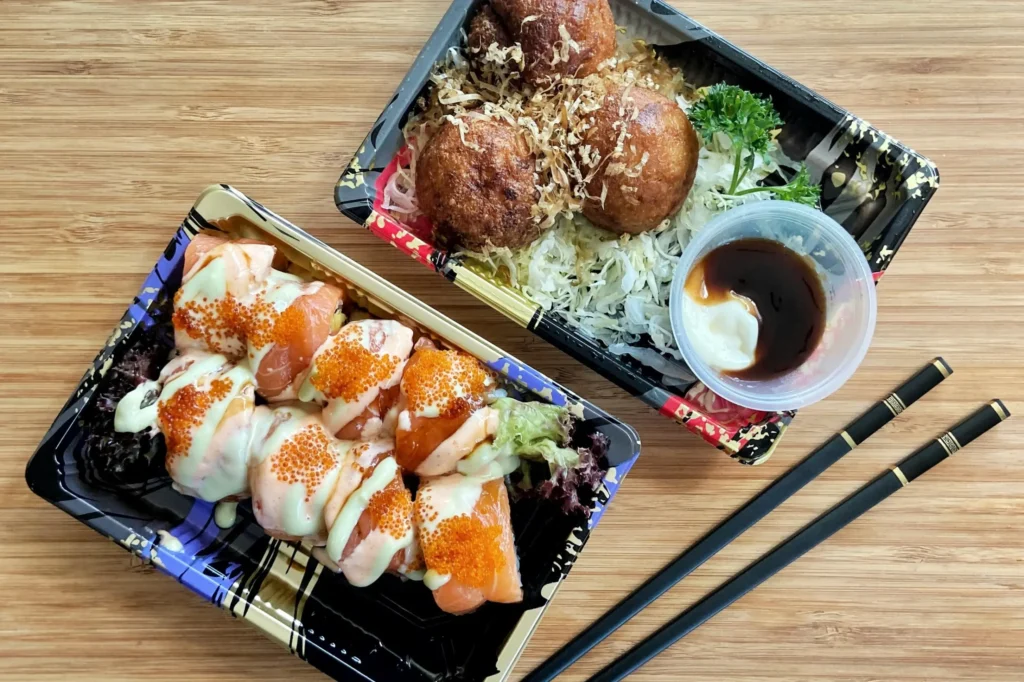
The rain had just passed when I stepped into the evening, leaving Singapore glossy under the streetlights. The pavement shimmered, the air smelled faintly of wet concrete and dinner smoke, and somewhere behind a curtain or counter, the first bite was waiting.
In true Bites and Travel magic, I had no grand itinerary, only a craving for the best Japanese food I could find by following small signs: a warm bowl of rice, the hush of a sushi bar, the clean scent of miso soup, and the glow of places that make Japanese food feel both familiar and quietly transportive.
Singapore is generous that way. Around Raffles City Shopping Centre, Orchard, Tanjong Pagar, and the riverfront, Japanese restaurants in Singapore appear in many forms: polished, hidden, casual, intimate. Some feel like quick lunch stops; others ask you to slow down. The best ones, I think, understand that Japanese cuisine is not only about precision. It is also about timing, seasonality, and the comfort of a well-made meal.
A First Stop for Sushi Bars and Stillness
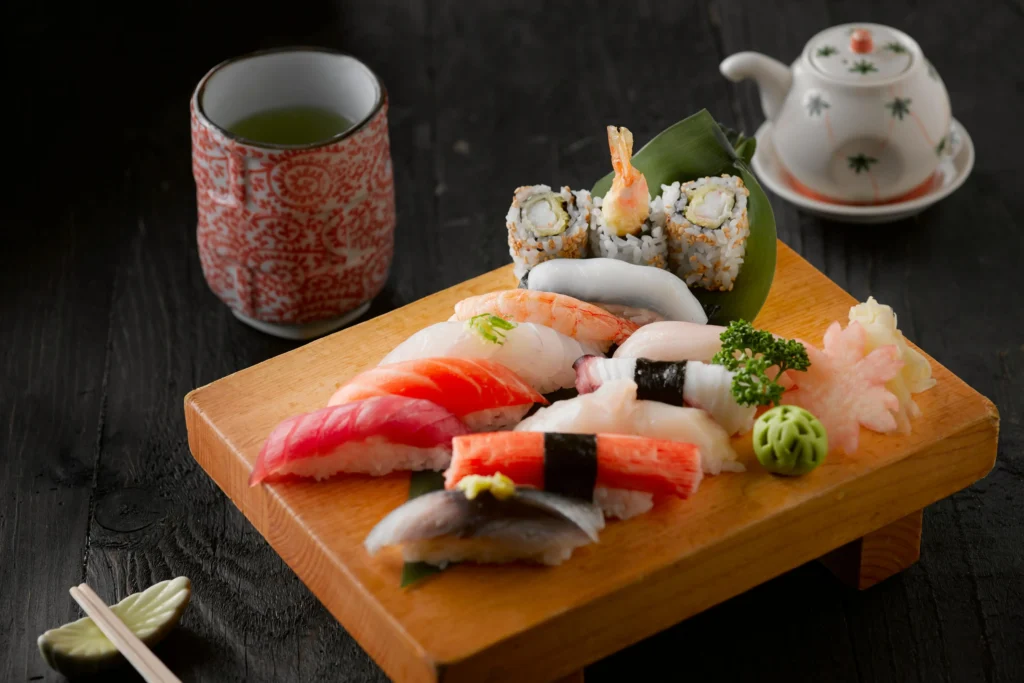
I began with Tomi Sushi, where the room had the gentle calm I always hope for at the start of a food trail. The counter moved quietly, and the sushi arrived with restraint rather than drama. I ordered a sushi platter, letting the first plate set the mood.
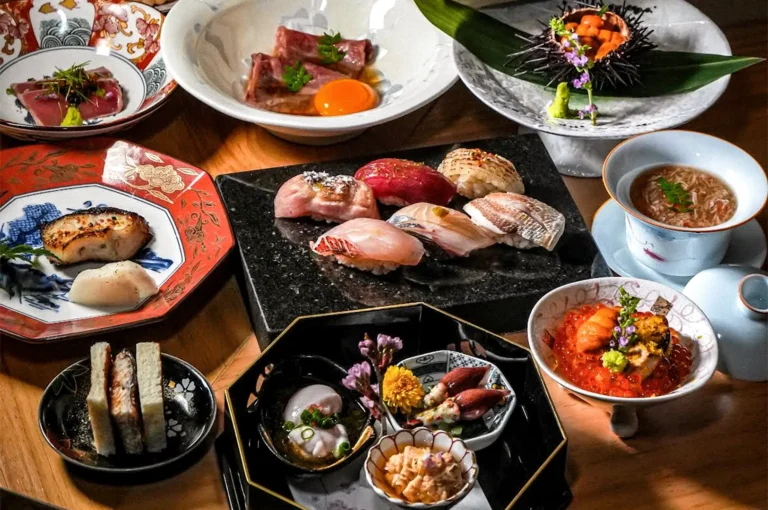
There were sushi rolls, cleanly shaped and easy to share, and fresh sashimi that caught the light before touching soy. The bluefin tuna was deep and rich; the maguro chutoro softened almost immediately; the salmon belly was buttery; the salmon had that simple sweetness that makes your taste buds pause. This was not loud food. It was careful food.
What I appreciated most was the perfect balance between rice and fish. The sashimi felt fresh without being over-presented, and the rice held its warmth without becoming heavy. It reminded me that an authentic Japanese restaurant Singapore experience does not have to feel theatrical. Sometimes it is just a quiet plate, a respectful hand, and quality ingredients treated well.
There are many best Japanese restaurants lists, but sitting there, I understood why the phrase can feel personal. The best Japanese meal depends on what you need that night.
Orchard Road and the Warmth of Shared Plates
From City Hall, I moved toward Orchard, where the city shifts into another kind of appetite. Around Far East Plaza, East Plaza, Ngee Ann City, Mandarin Gallery, Cuppage Plaza, Palais Renaissance, and Shaw Centre, Japanese dining takes on different moods. Some corners feel polished, others a little hidden, and that is part of the pleasure.
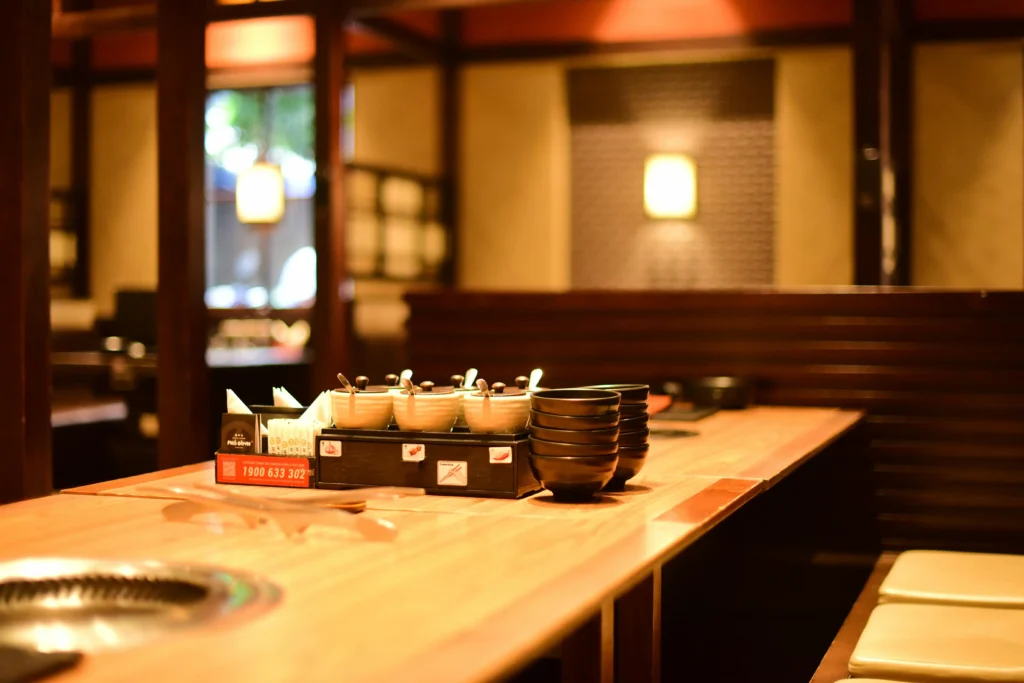
By the time I reached Public Izakaya, I wanted warmth and movement. The room carried the sound of glasses, conversation, and plates landing at the table. This was where Singapore’s vibrant izakaya culture came alive: casual, generous, and quietly social.
I ordered a few la carte dishes, the kind that make sense when you want the table to open slowly. The chicken tempura arrived crisp and golden, with a tender centre. The soft shell crab was more indulgent, brittle at the edges and rich with seafood sweetness. These were not dishes to overthink. They were meant to be shared while still hot.
The dishes served around me showed why izakaya dining works so well in Singapore. Small plates, cold drinks, rice, grilled bites, and signature dishes all help the evening loosen. You can order la carte, build your own rhythm, and stop before the night becomes too heavy.
I thought about fresh ingredients, premium ingredients, and seasonal produce here, not as menu phrases, but as quiet promises. When a dish is done well, the seasoning supports the ingredient instead of covering it.
Rice Bowls and the Comfort of Abundance
Later, my mind turned toward rice. A good rice bowl has a way of grounding an evening after sushi and shared plates. For that, maguro brothers came naturally into the journey, especially for a kaisen chirashi don layered with seafood, rice, and color.
The idea of freshest catches often brings to mind Tokyo’s Toyosu market, and while not every plate should be romanticised too heavily, references to Toyosu market remind us how much Japanese dining depends on supply, skill, and respect for freshness. A well-made chirashi bowl carries that spirit in a more casual form.
This is where rice bowls become more than quick meals. They are complete, generous, and quietly satisfying. Waa Cow also fits this part of the map, especially for diners who want something modern, hearty, and easy to enjoy. With multiple locations, it is the kind of option that fits naturally into an ordinary Singapore day.
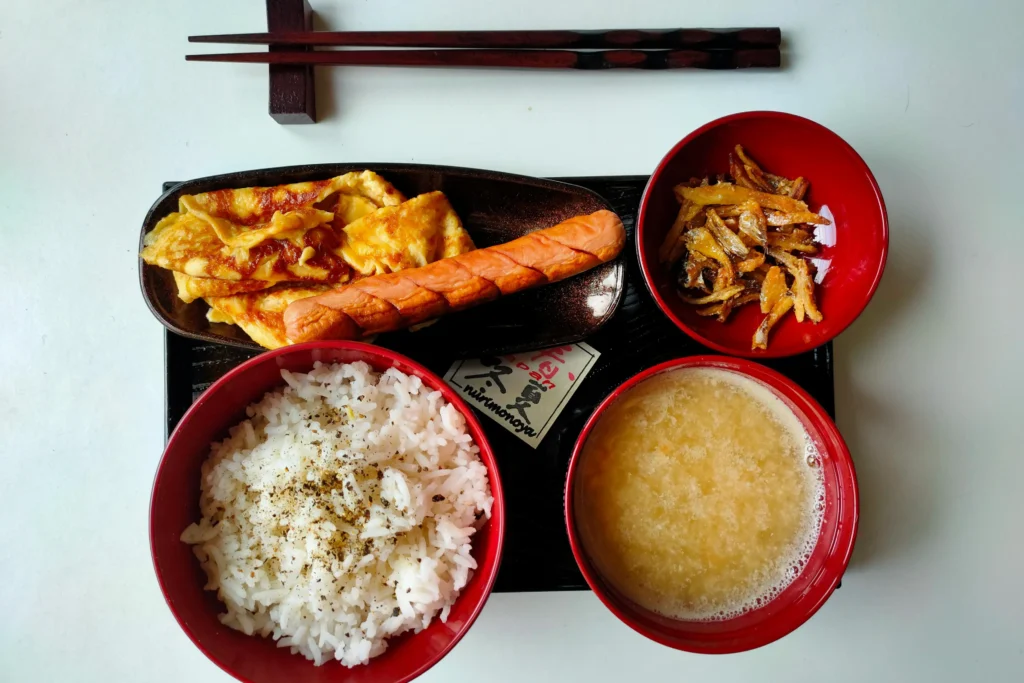
For something more classic and comforting, Ma Maison offers hearty meals that feel especially right when you want a dependable set meal. I have often been pleasantly surprised by Japanese lunch sets in Singapore: rice, soup, a main dish, and small sides arranged with more care than expected.
Ramen at the End of the Lantern Path
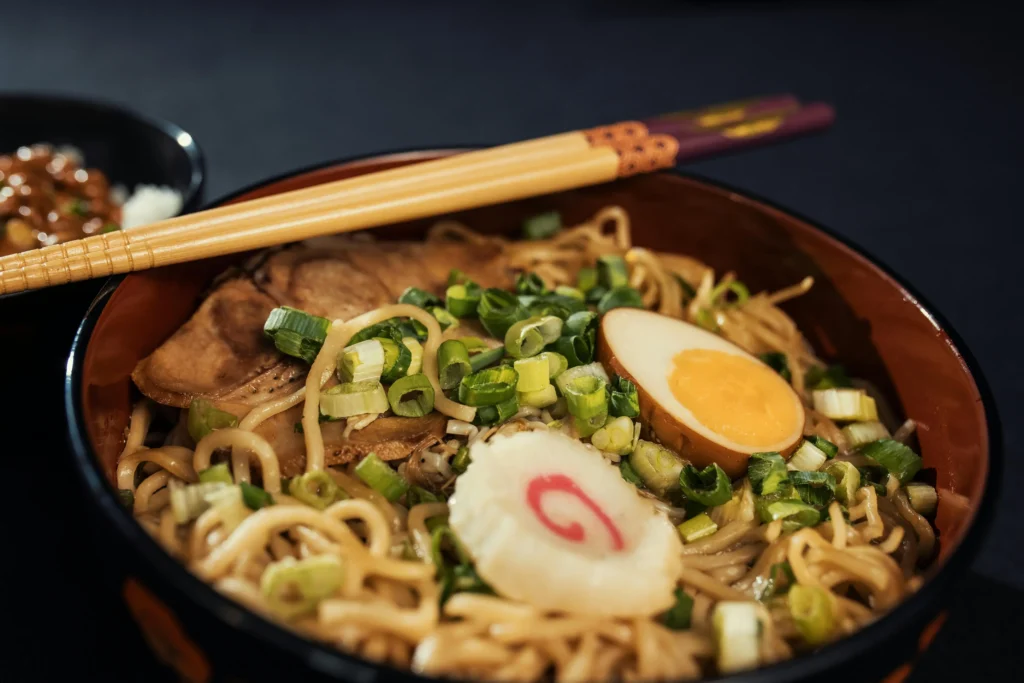
No night like this should end too neatly. Mine ended with ramen in mind, because some cravings ask for steam. At Bari Uma, the pleasure is direct: noodles, heat, and a thick broth that wraps around the spoon. A good ramen soup should feel full without becoming tiring. It should warm you from the inside, especially after walking through rain-washed streets.
There are nights for a comforting bowl of broth ramen, and nights for dry ramen, when you want sauce, chew, and intensity without the weight of soup. Both have their place. Both are part of the wider story of Japanese restaurants here.
Worth noting: always check opening hours and operating hours before going, especially for smaller outlets. Some places may differ on mon fri schedules, while others may shift around mon tue or public holidays. This matters if you are travelling from Holland village, Thomson Plaza, Millenia Walk, Icon Village, International Plaza, Chinatown Point, or Customs House.
What Stayed With Me from Japanese Restaurants
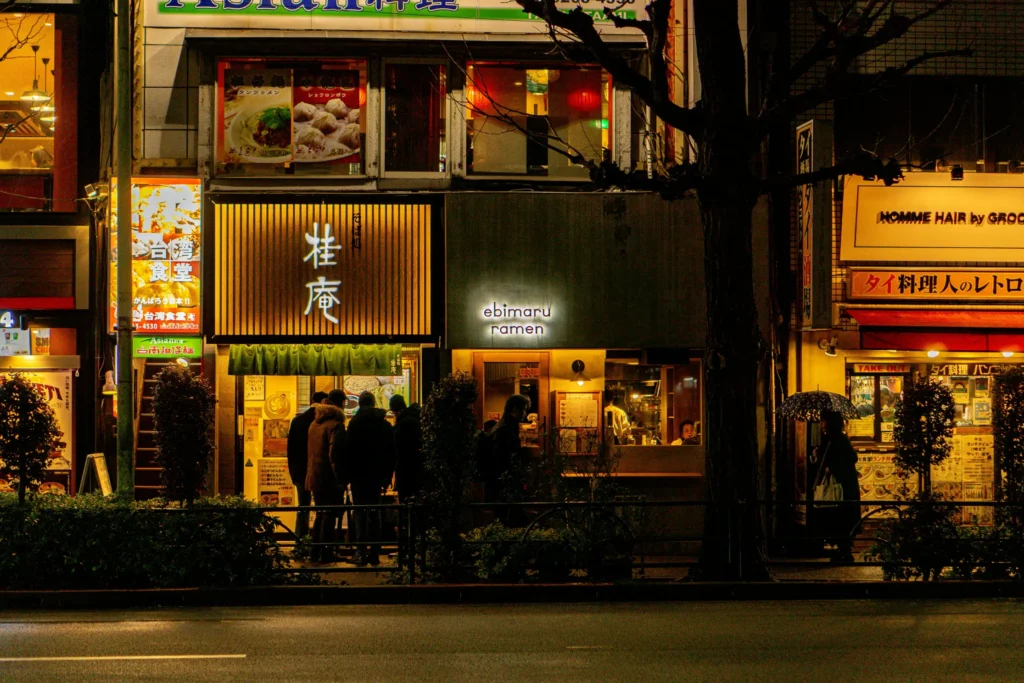
By the next day, I realised this was never really about finding one winner. The best Japanese food in Singapore is not only found in one restaurant, one counter, or one famous address. It is in the small decisions: the rice temperature, the freshness of fish, the kindness of service, the broth that makes you exhale.
From sushi to rice bowls, from izakaya plates to ramen, the path felt like a soft conversation between Singapore and Japan. The city does not simply copy Japanese dining. It interprets it through local rhythm, convenience, and appetite.
And that is why I would follow the lanterns again. It might not be my branding to quote stuffs but what I realized is; for good food, come hungry. For the real memory, come slowly.