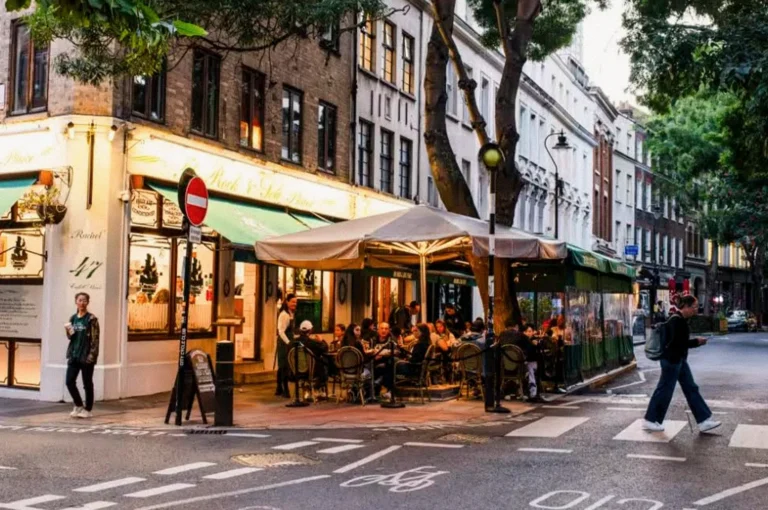
The light comes in sideways at Finsbury Park, low and amber, catching the top deck of a bus as it grinds past the station.
You step out into it, and the first thing that reaches you is not a sight. It is smoke: charcoal, lamb, something rubbed with spice and left to blister over an open grill. It drifts across the road and mixes with diesel, with the yeast-warmth of bakeries, with coffee, with fried onions, with the faint sweetness of something cooling on a counter nearby.
This is the part of London the food headlines mostly skip. No white tablecloths like the private dining that’s usually mainstreamed. No velvet ropes. No queue photographed for anyone’s feed. Just a crossroads where North London’s many kitchens have set up beside each other and gotten on with the business of feeding people who actually live here.
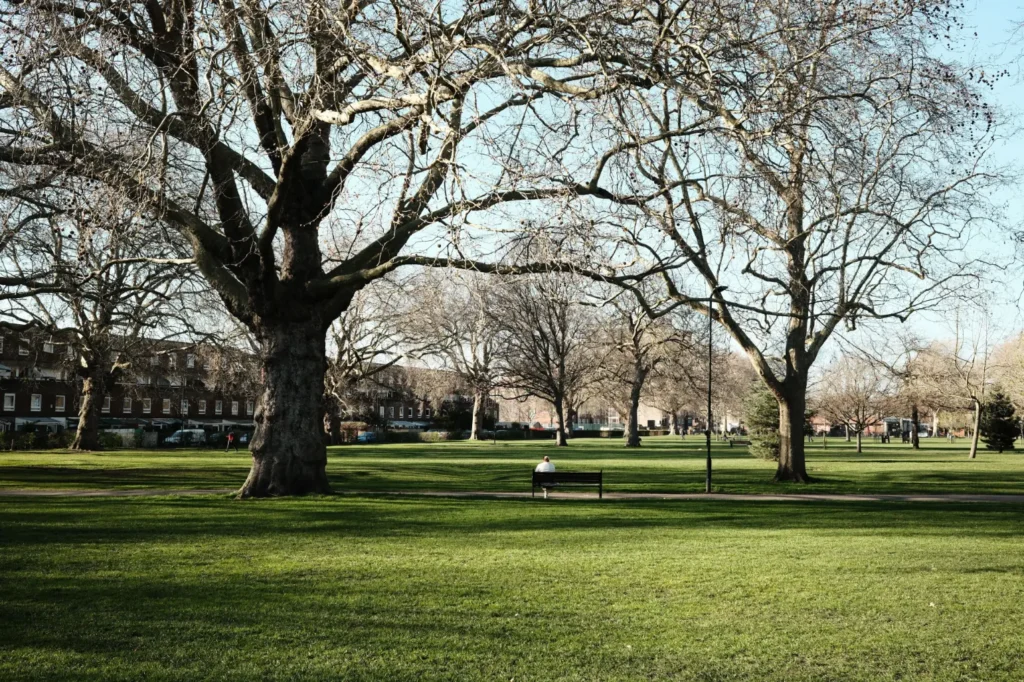
It is late afternoon. The park is emptying, dogs and prams heading home. The shopfronts are switching on their lights. Come hungry, and let one stop lead you to the next.
Start Where the Smoke Gathers
Begin near the station, where the air already knows what you want before you do. At Petek, the pleasure is immediate: heat, bread, char, meat. The grill works steadily, without fuss. Skewers turn. Plates move. Bread lands warm and soft, ready to catch everything that follows.
Order the lamb if you want the walk to start properly. It comes chargrilled and fragrant, with the kind of smoky edge that makes you slow down after the first bite. Tear the flatbread while it is still hot. Drag it through the juices. Let the grilled vegetables collapse into sweetness beside it, blackened at the corners and tender in the middle.
Nothing here feels over-explained. The food does not perform. It simply arrives, generous and direct, as if the city has decided to feed you before asking where you are going.
Follow the Spice to Hamer Ethiopia
Walk on, and the air changes. At Hamer Ethiopia, the meal asks for a different rhythm. The table fills not with separate plates, but with something shared: injera spread wide, stews gathered across it in warm, fragrant pools. Lentils, greens, spiced meat, slow heat, sour softness. Everything has its place, but nothing feels too arranged.
Tear, scoop, fold. That is the pace here. The injera carries the spice and the richness, the warmth of berbere, the quiet depth of food cooked with patience rather than spectacle.
Even if you arrive alone, the meal has company in it. That is part of its comfort. Finsbury Park is good at this; making room for the solitary eater without making them feel solitary at all.
Let the Neighborhood Get Louder at Pappagone
Then comes the glow of Pappagone, bright and busy in the way only a proper neighborhood Italian restaurant can be.
There is nothing shy about it. The room hums. Plates pass close. Someone laughs too loudly near the back. The pizza arrives with blistered edges and enough heat to fog your glasses if you lean in too quickly. This is not the hushed, minimalist version of Italian food. It is louder, warmer, more lived-in than that.
Order a pizza, or a bowl of pasta, or whatever the table beside you is having if it looks better. It probably does. The point is not to discover something rare. The point is appetite, noise, melted cheese, tomato, garlic, and the small relief of being somewhere that wants you fed without making a ceremony of it.
Some restaurants impress you. Others absorb you. Pappagone belongs to the second kind.
Find a Pint and a Pause at The Plimsoll
If you need to sit down properly, turn toward The Plimsoll. It still has the bones of a local pub: low light, worn wood, the comfortable murmur of people who know how to occupy a room without rushing it. But the food has made it something more magnetic; the kind of place people cross postcodes for, even while it keeps the feeling of a backstreet pub that belongs first to the neighborhood.
Order a pint. Order the burger if it is on your mind. Most people do. It arrives with the sort of confidence that makes conversation pause for a second. There is pleasure in a place that understands both hunger and lingering, that lets you settle into a corner and feel, for a while, like you have always known where to sit.
Follow the Fish-Bar Fever to Tollington’s
For a sharper turn, follow the neighborhood’s appetite to Tollington’s. It feels half fish bar, half fever dream: old chippy bones, Spanish-leaning plates, salt, vinegar, crunch, and a room that seems to have decided polish is less important than pulse. The food is vivid and unfussy in the best way. It understands the comfort of chips, the brightness of sauce, the pleasure of something fried properly and eaten while still too hot.
There is something very Finsbury Park about it: a place that should not quite work on paper, but does because nobody has sanded off its edges.
Go for the fish. Go for the chips. Go because the room feels alive. Some neighborhoods announce themselves through landmarks. This one often does it through places like this, slightly unexpected, deeply local, and impossible to reduce to a single category.
Come Back in the Morning at Common Ground
Come morning (or if you double back) there is Common Ground, tucked into the neighborhood rhythm with coffee, pastries, and the soft clatter of people starting their day.
A flat white. Something homemade-looking under the glass dome. A table by the window if one opens up. Nothing performed. Just a good cup, a little warmth, and the feeling of the area waking around you.
Finsbury Park is different in the morning. The smoke has cleared. The shutters lift. The buses sigh into traffic. Someone is late for work. Someone else has nowhere urgent to be. The same streets feel less dramatic in daylight, but no less full.
What This Edge-of-Map Neighborhood Tastes Like
Finsbury Park tastes like arrival. Turkish grills, Ethiopian restaurants, Italian family tables, London pubs, fish bars, cafés, corner shops; these are not a theme. They are the record of people who came here from elsewhere, stayed, adapted, cooked, opened doors, fed their neighbors, and became part of the city’s daily language.
That is the thing about the borderlands of a food map. Nobody is cooking only for a review. They are cooking for the aunties who queue on a Friday, the kids who come in after school, the driver who knows exactly how he wants his lamb, the couple who always orders the same bottle, the regular who does not need to look at the menu.
You taste that honesty. It is in the heat that is not dialed down, the portions that assume you are actually hungry, the room that does not mind if you stay a little longer.
How to Plan Your Own Finsbury Park Food Ramble
Getting here is easy. Finsbury Park sits on the Piccadilly and Victoria lines, with National Rail connections and a knot of buses feeding into the station. Most of the eating is a short walk away, especially along Stroud Green Road, Blackstock Road, and the streets that branch between them.
Go on a weekday afternoon for calm, or a Saturday if you want the full hum of the neighborhood at pace. Golden hour, around dusk, is when the grills feel most alive and the streets begin to glow.
Budget kindly, but not carelessly. This is still London. You can snack cheaply, eat well without ceremony, or spend more at the newer food-led pubs and restaurants if that is where the wander takes you.
On etiquette: queue patiently, order clearly, and do not be shy about asking what is good today. A little curiosity goes a long way here.
The Last Bite: Smoke in Your Coat
You leave with warmth in your hands and smoke in your coat.
The center of the map gets the write-ups, the bookings, the lists. But the edges, where the kitchens crowd together and nobody is performing too hard, often taste truer. Here, the food is not content. It is memory, appetite, rent, migration, habit, comfort, and pride, carried across borders and set down on a plate for whoever is hungry.
So come wander slowly. Follow the smoke. Let one stop lead you to the next. The edge of the map is where the real eating begins