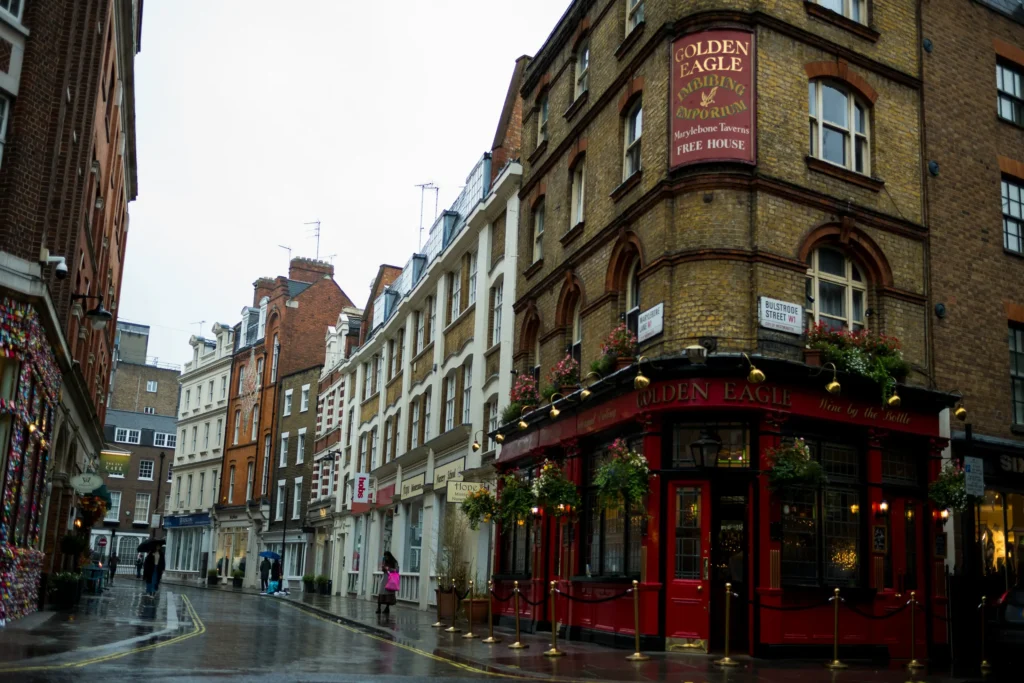
The bankers have gone home, and the City of London has finally exhaled. It is that hour when the light slants low between the towers and lands softly on old stone, the kind of gold that makes glass offices look warmer than they are. It pools in the lanes the suits forget once the meetings end, then catches on historic buildings that have watched centuries of appetite, ambition, weather, and wine pass through the same narrow streets.
Somewhere down a passage too small for a name you would remember, a door opens. A clink of glasses spills out. The smell of butter, fish, beef, and something roasting drifts up from a basement. This is the Square Mile after work, and for a brief, lovely while, it belongs to the people who stay.
We came looking for the smaller tables. Not necessarily the loudest London restaurants, nor the rooms with three-month waitlists and cameras out before the first dish is served. We wanted the corners where dinner can unfold properly, where you sit close enough to hear the kitchen, where the candle has burned down a little and nobody minds. Among all the restaurants in London, these are the ones we keep returning to. Not because they shout, but because they know how to hold a room.
The City, After the Rush
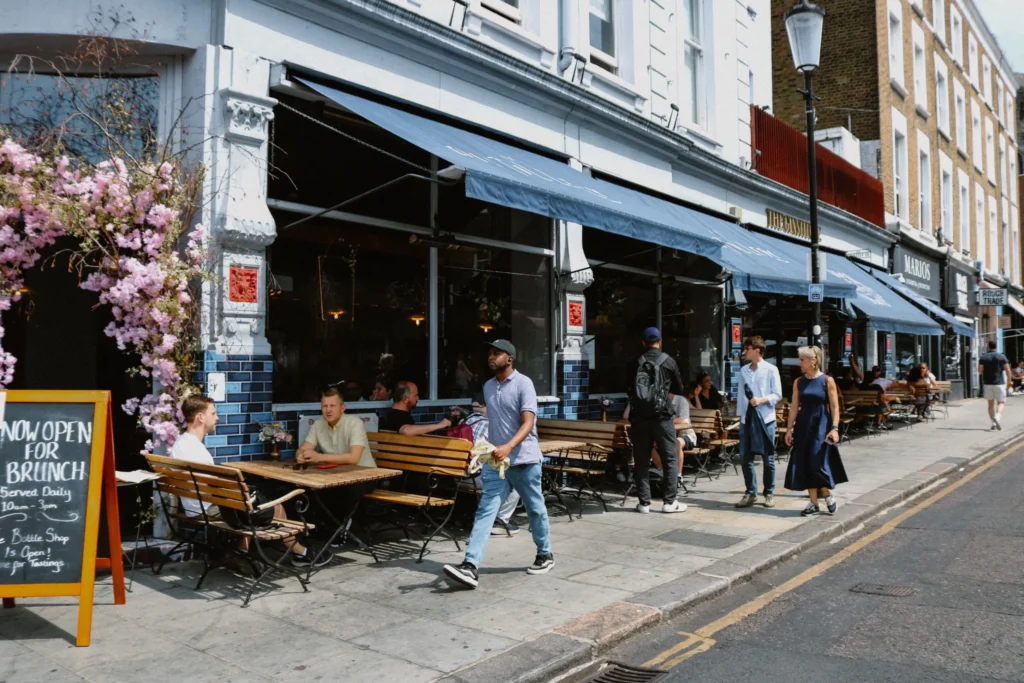
There is a particular stillness to the city once the offices empty. The London Corporation’s old district, with its churches, courtyards, and carved stone faces, was never really built for lingering. People pass through it. They work, then leave. So the few places that ask you to slow down feel almost like hidden gems shared between strangers.
The London boundary is visible if you know where to look, but emotionally, it feels more like a mood. Within the old City of London, the best restaurants often sit behind modest doors, below pavement level, or inside old rooms that make the meal feel slightly borrowed from another century.
Eating in a Proper Dining Room
We found one dining room down a flight of steps, with thick walls, a low ceiling, and a table that seemed designed for secrets. The menu was short, the kind of short that usually means someone has thought hard about every line. We started with roast bone marrow, the bone split lengthwise, the marrow soft and trembling, served with parsley salad and toast charred at the edges. It was rich, almost indecently so, until the parsley, salt, and lemon pulled it back into balance.
If you know London tables, you will recognize the lineage. St John, near Smithfield, made roast bone marrow a gold standard, and in recent years, its influence has reached almost every serious italian restaurant, wine bar, pub, and modern dining room that believes simple food can still stand tall. One thing London does well is respect appetite when it is cooked honestly.
A Glass, A Bar, A List
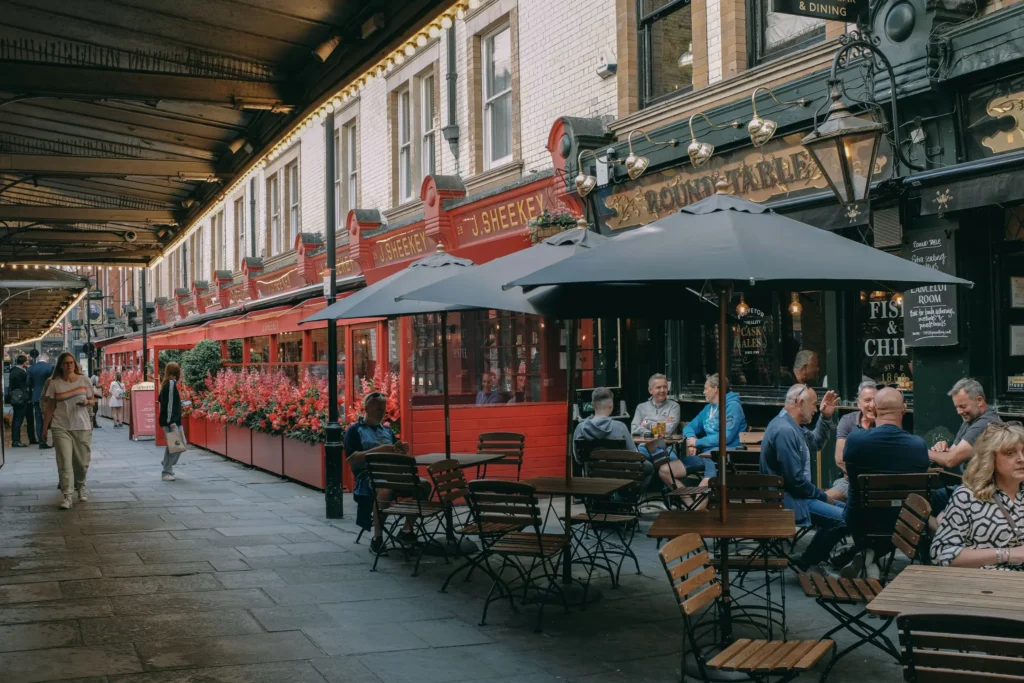
The next evening took us toward a wine bar, the proper kind, where the wine list reads like someone’s private diary and the food exists to keep you there longer. Noble Rot is the one we always think of first. It began with wine, but it understands that a good glass needs a good plate beside it.
We sat at the bar and asked for something we could not pronounce. The person behind the counter poured a taste, watched our faces, and smiled before filling the glass. That is the kind of service you remember, not stiff, not theatrical, just quietly generous.
There was thinly sliced beef, dressed lightly so the taste of the meat could come through. There were cod cheeks, small and sweet, gently cooked until they sat somewhere between fish and scallop. There was cheese at the end, because the evening had already given in to itself. We did not need dessert, but we ordered it anyway and did not miss a bite.
A good wine bar teaches patience. You do not rush the glass. You let central London go quiet around you. You notice the low hum of nearby tables, the soft thud of corks, the way a room can make strangers feel temporarily part of the same small world.
Toward the River and Through the Borough Market
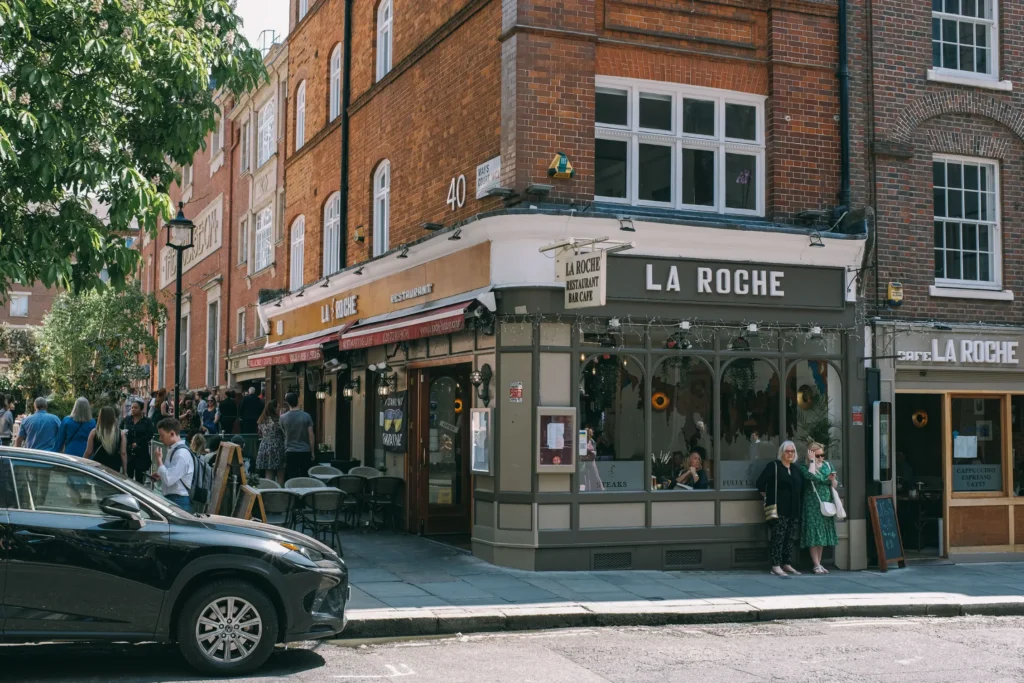
South, then, toward London Bridge, where the City’s polish gives way to brick, steam, and railway arch shadows. Under the viaducts, trains rumble overhead while kitchens fire up below in spaces never meant for dining and somehow all the better for it.
This is where London feels more physical. You smell woodsmoke, charred fat, coffee, chilli oil, ripe fruit, and rain on stone. Borough Market pulls you in whether you planned to eat or not. We went hungry, which is the only honest way to go.
At one stand, we tore into pork belly, the skin crisp, the fat rendered to silk, the heat of chilli oil cutting through the richness. Nearby, someone balanced breakfast in one hand and a paper cup of coffee in the other. Elsewhere, lunch had already turned into dinner. Borough does not care what time you call it. It simply keeps feeding you.
Find a quiet edge near the market and you can people watch for an hour. This is one of London’s great pleasures. You eat standing up, then suddenly find yourself thinking about how the whole city gathers around food, from polished Michelin Star rooms to market counters, pubs, and stalls under a railway arch.
The Old Guard and the New Mood
Some evenings call for the old guard. St James knows that better than anywhere. It is the part of London that seems to expect good shoes, low voices, and rooms that have seen more history than they let on.
This is Michelin Star territory, though the best of it wears its status lightly. In one Michelin Star restaurant, we had a set menu in a room that felt pulled from another age. The roast chicken arrived golden and glistening, the skin crisp, the meat resting in its own juices. There is nothing simpler than roast chicken, and few things harder to get exactly right. This one was delicious because it tasted of focus.
But London never stays in one register for long. The next night we went somewhere smaller, less polished, and maybe closer to the city’s real pulse. A small italian restaurant, tucked away from the main road, served dishes that felt personal rather than performed. The pasta was modest. The fish was bright. The beef was tender. The menu did not try to impress the whole world. It simply wanted you to eat well.
That is how a favourite restaurant is made. Not by being perfect, but by making you want to return before you have even paid.
Rooms Beyond the Centre: The Hidden Gem of Maida Vale and Finsbury Park
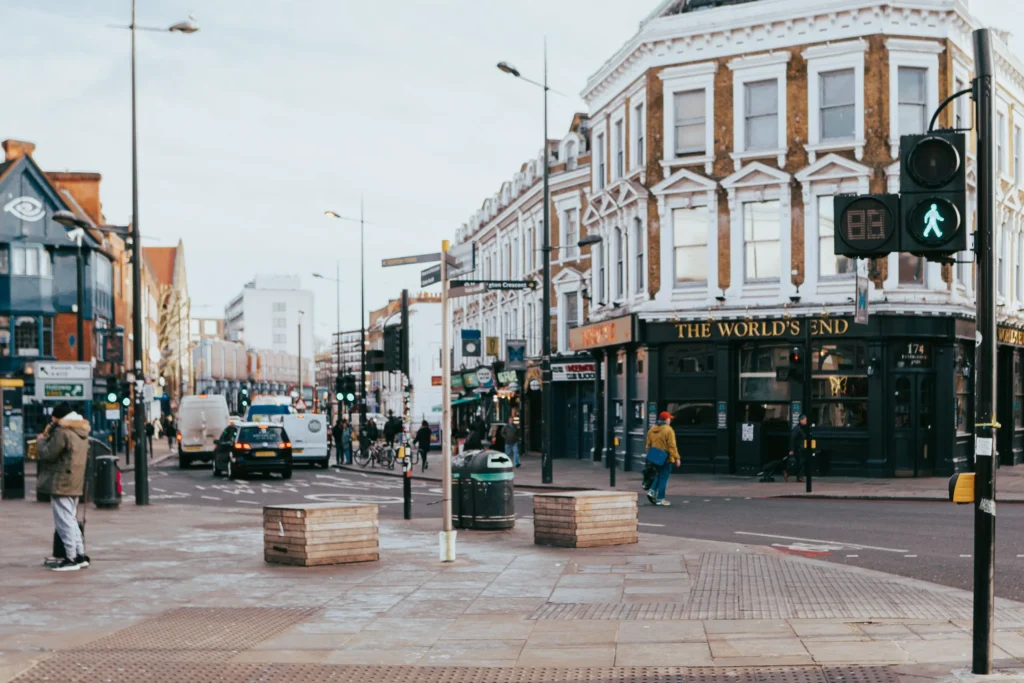
The City has its borders, but appetite does not. Some of the most special place meals we have had in london were outside the obvious centre. In South Kensington, a stunning place with soft lighting and calm service made dinner feel like an occasion without making it heavy. In Notting Hill, a small room behind a modest front gave us global flavours, generous wine, and the kind of table you keep for hours.
In Maida Vale, along a canal-side walk most visitors never take, a neighbourhood restaurant poured good wine and asked nothing of us but to stay. Up in Finsbury Park, where the rents are kinder and the cooking often braver, we found good value, proper food, and regulars who knew the staff by name.
These restaurants do not always make the glossy lists, but they matter. They are the places that remind you a city is not only its monuments or its most famous house, but its habits. Where people go after work. Where they celebrate quietly. Where they recover from a long week. Where they order the same dish because they know it will be served just as they like it. Unlike the grander rooms, they do not insist on being remembered. That is exactly why you do.
The Whisper of a Detour Through Old Rooms and Historic Buildings
There is also something irresistible about London’s old civic spaces finding second lives. Old Sessions House, sometimes written simply as Sessions House, has the kind of bones that make any meal feel slightly theatrical. In places like this, you become aware of the past without being trapped by it.
The stone, the staircases, the high windows, the sense that almost everything has happened before and will happen again, all of it changes the way you sit at a table. You talk more slowly. You look up more often. You order another glass. In a city that keeps remaking itself, old rooms give dinner gravity.
One Last Table
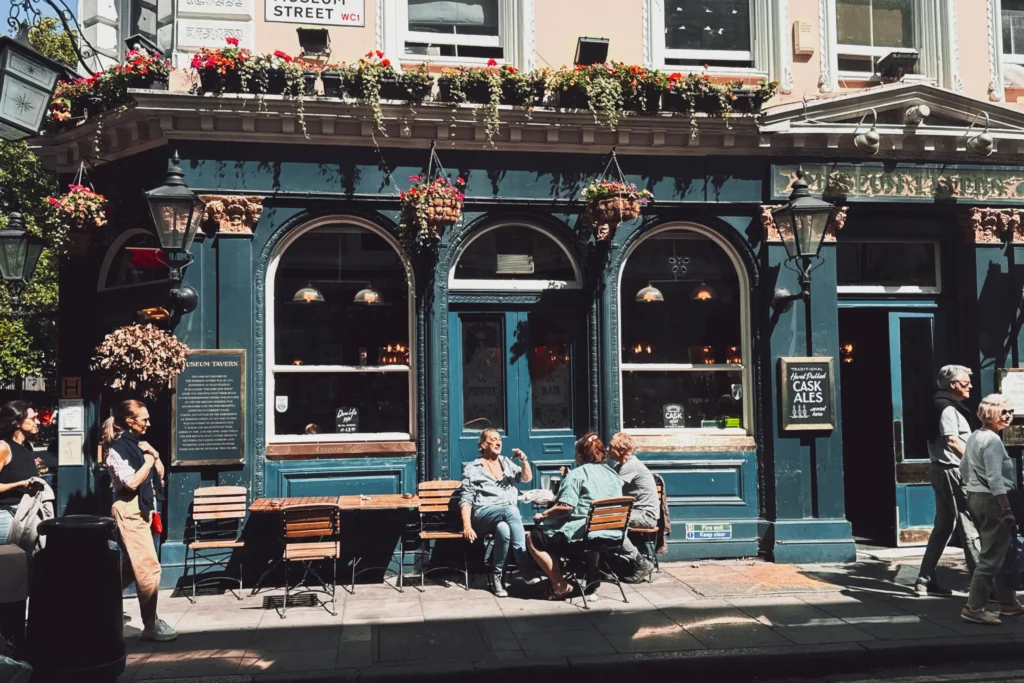
We ended near the river, in summer, with the light hanging late in that northern way, refusing to leave. The wine in the glass had gone warm. Neither of us reached to finish it.
Around us, the city softened. The lanes emptied. The historic buildings settled into their evening hush. Somewhere beyond the centre, Epping Forest waited for another day’s walk, all green shade and air after too much stone. But that night, we stayed exactly where we were.
This is the thing about eating through London slowly. You stop counting dishes. You start collecting moments. The marrow you ate with your hands. The cod cheeks you almost did not order. The pork belly from the market. The roast chicken that tasted like someone cared. The quiet bar where the wine list made the evening feel larger. The little restaurant you nearly walked past.
Come for the food. Stay for the table. Take your time with the last of the wine. The city will be there the next time you are hungry.