You smell it before you see it.
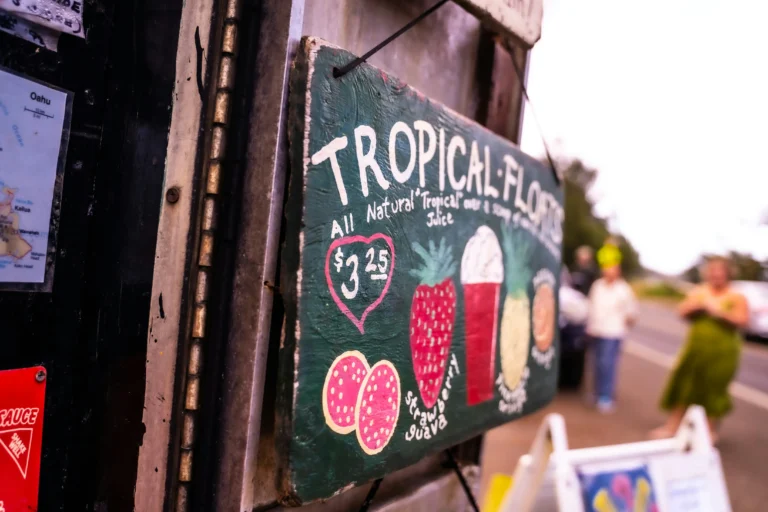
Coffee first, dark and roasting, carried through the air near London Bridge. Then bread, warm and yeasty. Then fish, smoke, and something frying over flame. By the time you step off Borough High Street, your direction is already decided, guided by a small handwritten sign and the pull of something freshly cooked.
This is Borough Market, a food market in the city of London that feels like movement, memory, and appetite all at once.
Beneath the Railway Viaducts: Where London Starts to Smell Like Lunch
Borough Market is located in Southwark, London, beside Southwark Cathedral and under the railway viaducts that cut across the northern edge of the site. It sits at a current location that has become one of the most famous food destinations in the world, closely connected to London Bridge and Borough High Street. From here, the city feels both historic and alive, shaped by centuries of movement, trade, and food culture.
This is one of the oldest food markets in England, where wholesale market traditions once defined how London ate. Farmers and traders brought fresh produce, vegetables, fruits, and livestock in large quantity, supplying the city before modern retail existed. Even now, vendors still sell produce with the same sense of trade, though the market has evolved into a space for exploration and retail enjoyment.
The Borough Market Act helped formalise how the market operates, shaping its growth around structure and community. Today, it remains a food market where traders, vendors, and visitors come together in a shared rhythm. It is both historic and present, a place where food, history, and city life continue to meet in one space.
The First Turn Off the Street That Changes Everything
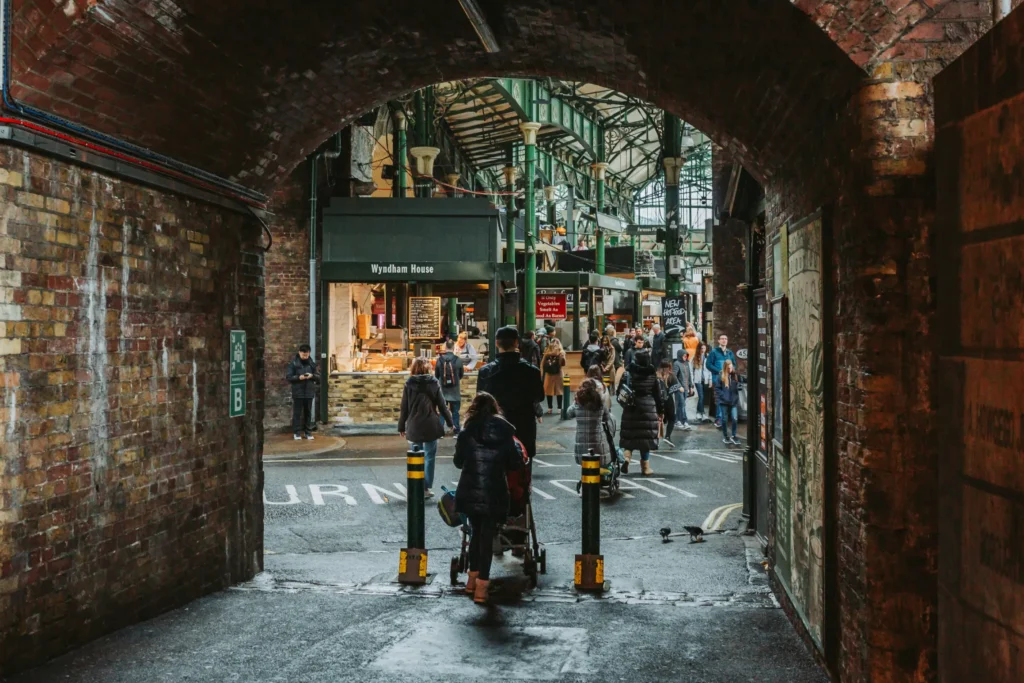
Now, enough with the historical talks, let’s start with the fact that there is no single entrance to Borough Market, only pathways that open into it from different parts of Southwark. You might arrive from London Bridge or follow a small sign tucked between listed buildings along Borough High Street. Each entry feels like a gradual transition from city streets into something more focused, more sensory.
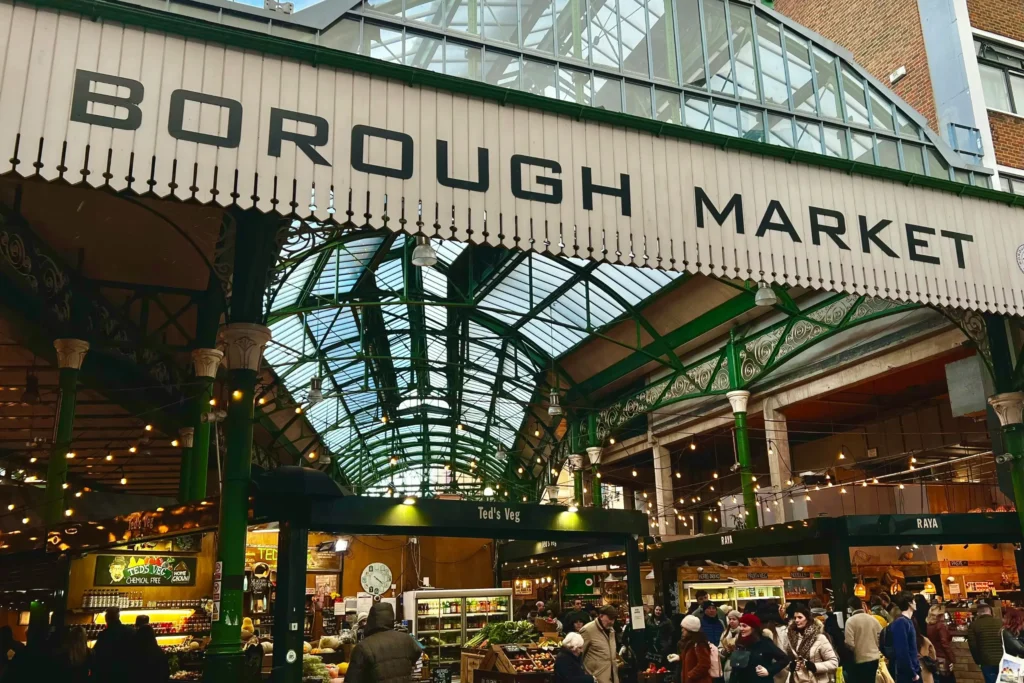
Inside, the Floral Hall stands as one of the most recognizable structures within the market spaces. Its iron and glass design shelters many traders and creates a central point where people gather, eat, and explore. Everything feels immediate and shared, from fresh produce to prepared dishes that are often described as simply amazing or deeply tasty.
Through the Floral Hall: Where Trade Turns Into Appetite
Monmouth Coffee sits at the edge of the market flow, where a small handful of people queue throughout the week. It has become a famous stop for both locals and visitors, offering a drink that sets the tone for the rest of the experience. The coffee feels grounded in place, even in a city as large as London.
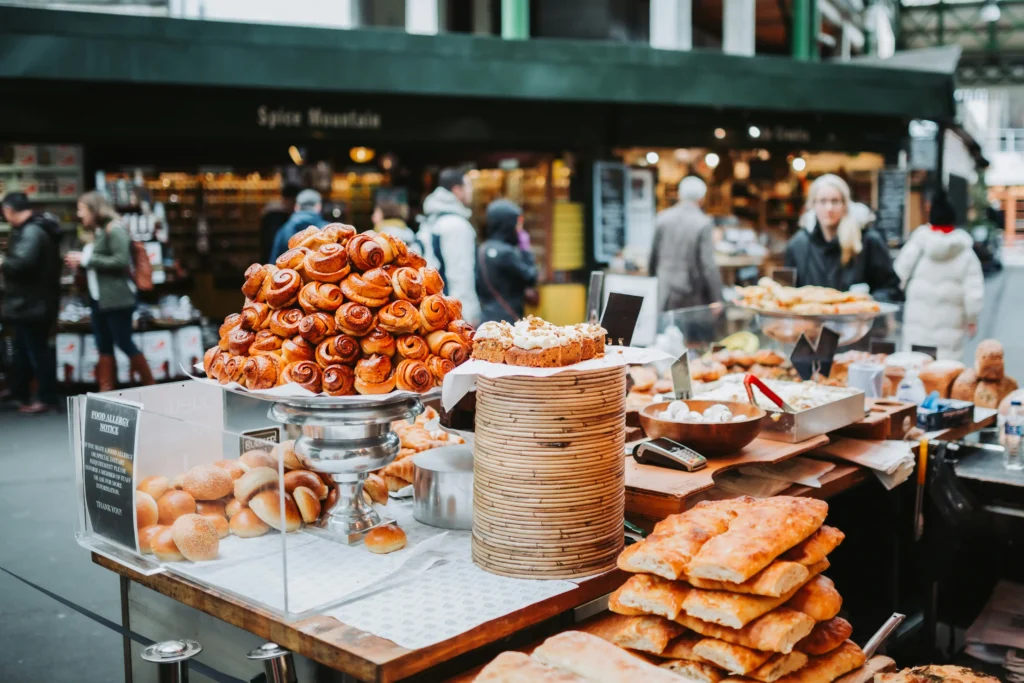
Nearby, Bread Ahead is one of the most visited stalls, known for freshly baked bread and filled doughnuts. These are served warm, often purchased before anything else is explored further. The experience is simple but memorable, and many people return specifically for it.
These early stops act as inspiration for how to move through the market. They are not just food purchases but part of a wider rhythm that encourages you to walk, explore, and slowly build your own lunch as you go.
What You Find When You Stop Following the Crowd
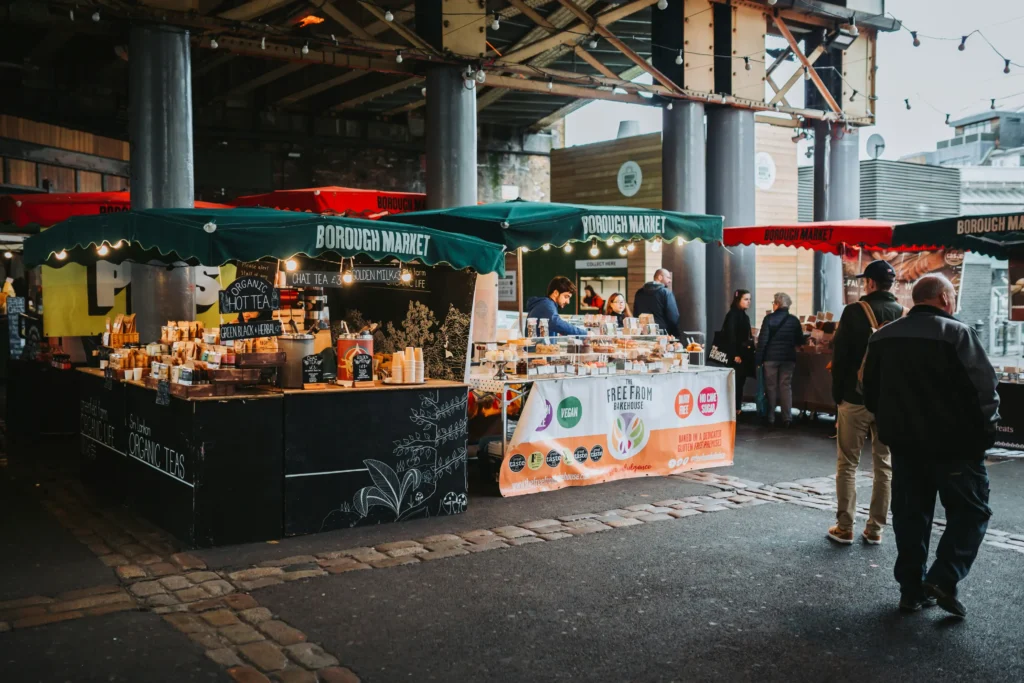
Deeper inside Borough Market, the variety expands into a continuous flow of food and drink. Fresh oysters are served on ice and opened in front of you, while fish stalls display seasonal catches that reflect both local supply and global influence. Cheese counters offer samples cut from large wheels, each representing different regions of England and beyond.
Vegetables arrive in crates still marked by soil, while fruits are stacked in colourful displays that shift with the season. Olives, cured meats, and baked goods are presented alongside fresh produce, creating a mix of flavours that define the space. Everything is available to sample, making tasting part of the experience.
Drink is just as present as food, from coffee and cider to wine served in small portions. Vendors explain origin and preparation, turning simple purchases into moments of learning. The market feels like a world of flavour compressed into one space, constantly moving and changing.
When the Food Market Decides How Fast You Walk
The rhythm of Borough Market changes depending on the day of the week. On a Thursday, it feels open and relaxed, with space to walk, explore, and purchase food without pressure. Traders are present and engaged, and the atmosphere feels closer to its original form.
On a Saturday, the full market comes alive with energy and crowds. It becomes more crowded and dynamic, filled with people from across London and beyond. Despite the crowds, there is always something to discover. The market feels alive in every direction, shaped by movement and interaction.
The surrounding area includes restaurants, pubs, and small shops, but the market remains its own distinct space. Even outside peak hours, the market retains its energy. Traders prepare, vendors sell, and visitors continue to arrive. It remains a living part of the city rather than a static attraction.
The Moment the Borough Market Act Follows You Home
As the day comes to an end, the market begins to slow. Stalls close, traders pack down, and the crowds thin. Light filters through the railway viaducts and reflects off stone, glass, and metal surfaces.
Visitors leave carrying food, memories, or both. A few flavours remain, along with the sense of having moved through something larger than a single meal. The experience lingers long after departure.
Borough Market continues beyond each visit. It resets, prepares, and waits for the next week when traders and visitors return. It remains one of the most famous food markets in the world, always ready to begin again.
For more destination guides and having that princess-feely, check our article: Once Upon a Passport: Real Places That Feel Like Disney!