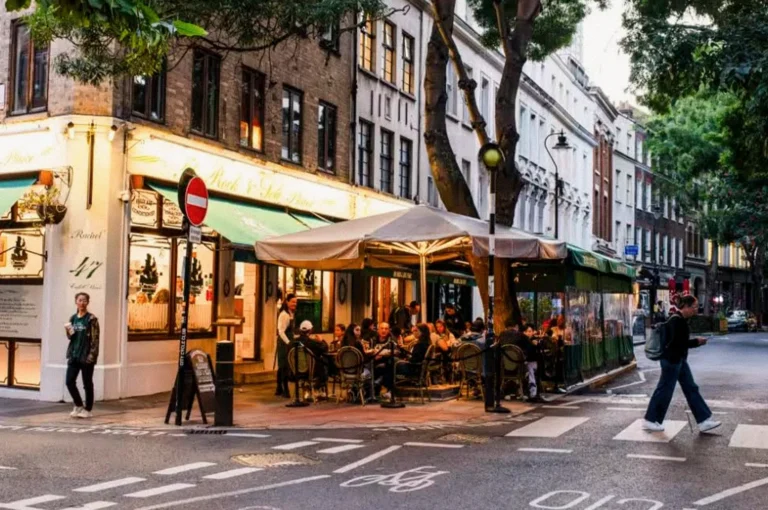
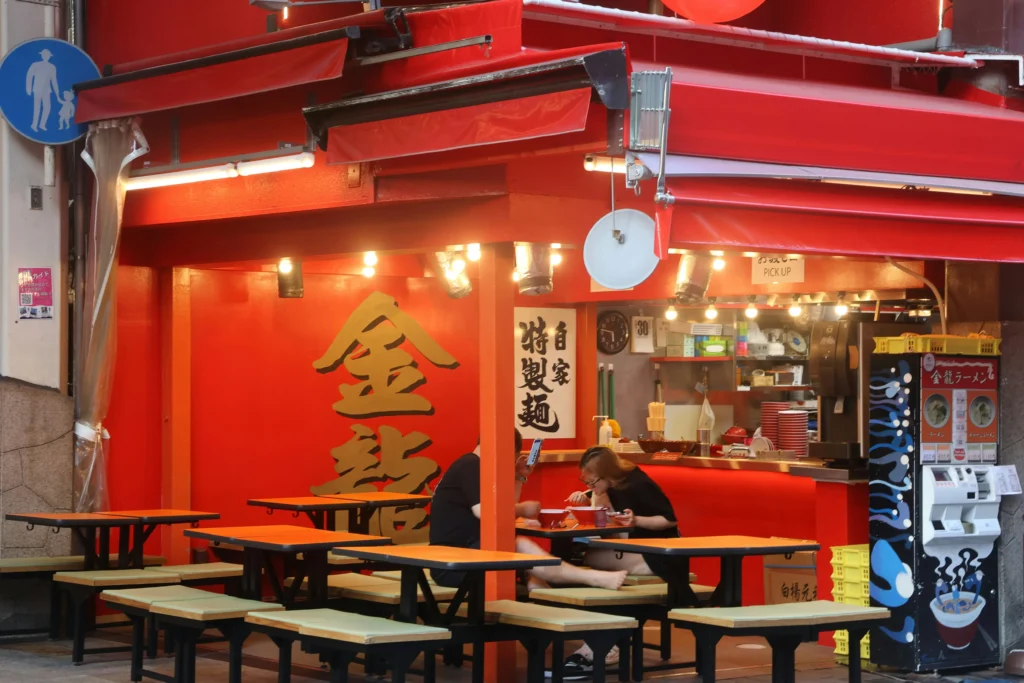
The memory that lingers most vividly isn’t a grand banquet in Beijing or a skyline dinner in Shanghai. It is a humid Tuesday evening in a small, nameless China restaurant tucked away in a Guiyang alleyway. The air was thick with the scent of sour tomato broth and fermented chili. A grandmother, her back bent with time, ladled steaming fish soup into chipped porcelain bowls while the sound of the local Guizhou dialect bounced off the peeling walls. In that moment, surrounded by the clatter of chopsticks and the warmth of strangers, I realized that to eat across China is to read a map written in flavor.
Over the last 30 days, my journey through China’s 34 provinces has been a whirlwind of spices, textures, and stories. From the icy frontiers of Heilongjiang to the tropical heat of Hainan, every China restaurant I stepped into offered a new chapter of this vast nation’s history. This diary chronicles not just the food, but the soul of a country that expresses its love, its resilience, and its diversity through the bowl.The Northern Wheat Belt: Roasts and Resilience
My journey began in the north, where the winters are harsh and the food is hearty. In Beijing, the culinary landscape is dominated by the majestic Peking duck. I found myself at Siji Minfu, a bustling China restaurant near the Forbidden City where the roasting ovens never seem to cool down. The chef sliced the duck with surgical precision, the skin glowing like amber and shattering like glass upon the first bite. It was a performance of tradition that has been perfected over centuries, bringing the freshest ingredients to the table for a perfect taste experience.
Moving northeast to Heilongjiang, the cuisine shifted dramatically. Here, the Russian influence is palpable, and the portions are gargantuan. At a lively China restaurant in Harbin called Lao Chu Jia, I tasted Guo Bao Rou: double-fried pork slices coated in a sweet and sour sauce that crackles in your mouth. The vinegar hit was sharp enough to cut through the freezing cold outside.This region loves its pickling and stewing, techniques born of necessity to survive long winters, resulting in dishes that are bold, salty, and incredibly comforting. Whether you choose to enjoy lunch or dinner, these hearty meals are perfect for those seeking authentic flavors in unique locations. Reservations are recommended, especially during public holidays, to secure a table and fully enjoy the vibrant atmosphere.For those planning a visit, it’s easy to load Google Maps correctly to find these restaurants, ensuring you arrive at the right place to savor these culinary delights. The team behind each establishment is passionate about bringing the best of Chinese cuisine to every guest, making each meal a celebration of culture and taste.The Spicy Southwest: Fire and Fermentation
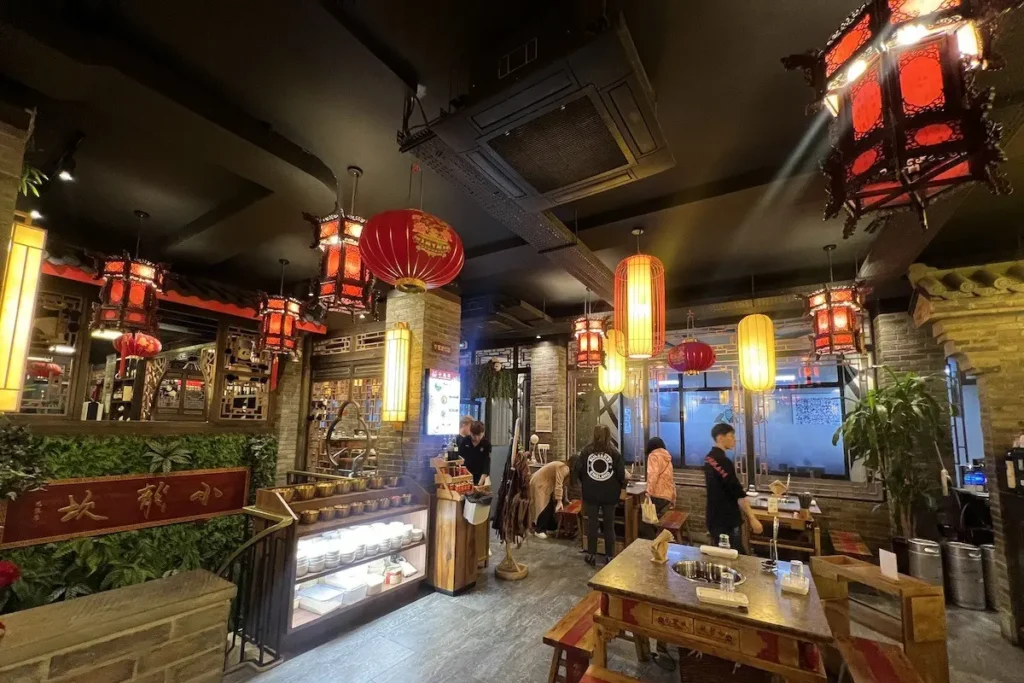
Leaving the wheat fields behind, I traveled southwest into the land of spice. In Sichuan and Chongqing, chili is not just an ingredient; it is a religion. The humidity here demands heat to drive out the dampness, or so the locals say.
One unforgettable night in Chengdu was spent at Xiao Long Kan, a popular China restaurant where the hotpot broth bubbles like molten lava, red with chili oil and numbing Sichuan peppercorns. We dipped slivers of tripe and goose intestine into the pot, the heat building a rhythmic buzz on our senses. It was a communal affair, a test of endurance shared with friends old and new.
Just south in Yunnan, the spice takes on a fresher, more herbaceous character. In Kunming, I visited Tusheng Shiguan, a farm-to-table China restaurant that celebrates the province’s incredible biodiversity. Here, I tasted salads made of wild ferns and flowers, seasoned with lime and fresh chili. The flavors were bright and electric, a stark contrast to the heavy, oily heat of its northern neighbors. Yunnan cuisine feels like a walk through a subtropical forest, full of surprises and fresh discoveries.
This part of the journey truly opened my palate to the diverse tastes found across China’s provinces, each dish prepared with the freshest ingredients and hours of care. Whether you order a simple lunch or a lavish dinner, these restaurants provide a perfect place to enjoy authentic Chinese cuisine.
For travelers in Singapore or elsewhere, many such China restaurants offer online contact pages and reservation systems to make planning your visit easy. Be sure to check opening hours and whether any public holidays apply to ensure a smooth dining experience at these culinary gems.
The Coastal East: Sweetness and the Sea
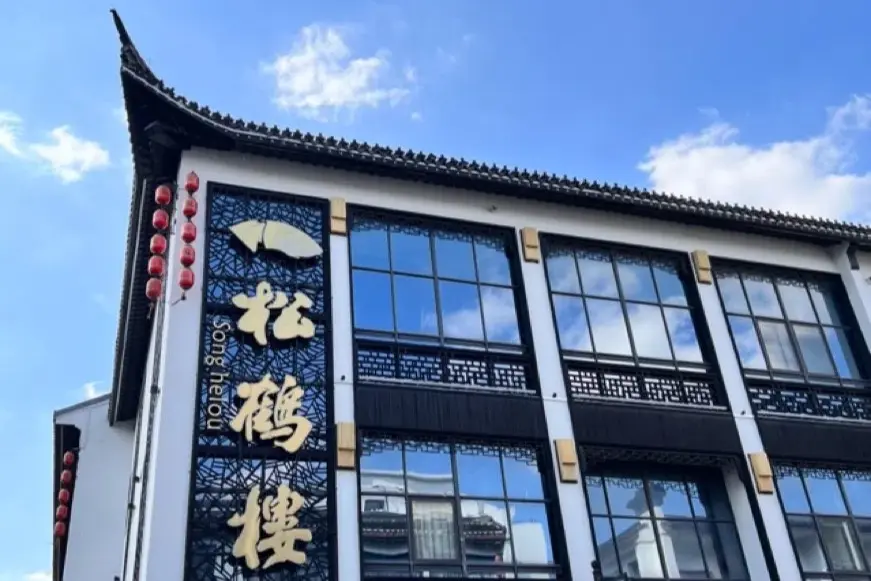
As I made my way to the eastern coast, the fiery reds of the southwest faded into the gentle browns and golds of Jiangsu and Zhejiang cuisine. This region, often called the land of fish and rice, prizes natural flavors and subtle sweetness, bringing light and balance to every dish.
In Suzhou, at the historic Songhelou house, I experienced the delicate art of Huaiyang cuisine. The signature Mandarin Fish, carved to resemble a squirrel and doused in a sweet and sour sauce, was almost too beautiful to eat. The chefs here treat ingredients with reverence bordering on worship, believing that a good cook should enhance, not mask, the natural taste of the food. This China restaurant perfectly embodies the essence of home-style cooking, offering dishes that invite you to savor every word of flavor.
Further south in Fujian, the focus shifts to the sea. At a family-run China restaurant in Xiamen called Lao Zhi Hao, I sipped on herbal soups and ate oyster omelets that tasted of the ocean breeze. Fujian cuisine is famous for its “umami” quality, often achieved through dried seafood and fermented red yeast rice stocks. It is gentle, nourishing food that feels like a warm embrace, a perfect place to enjoy fresh ingredients and the taste of the coast.
These eastern coastal China restaurants offer a perfect setting for family gatherings or weddings, where the team ensures every detail is attended to with care. Whether you choose to order lunch or dinner, the menu celebrates the freshest ingredients and traditional Chinese cuisine techniques, making each visit a memorable experience. For travelers in Singapore or elsewhere, it’s easy to load Google Maps correctly to find these locations, check opening hours, and make a reservation through the online contact page. This seamless access brings the authentic taste of China right to your table, no matter the year or occasion.
The Southern Cantonese Heartland: Steam and Dim Sum
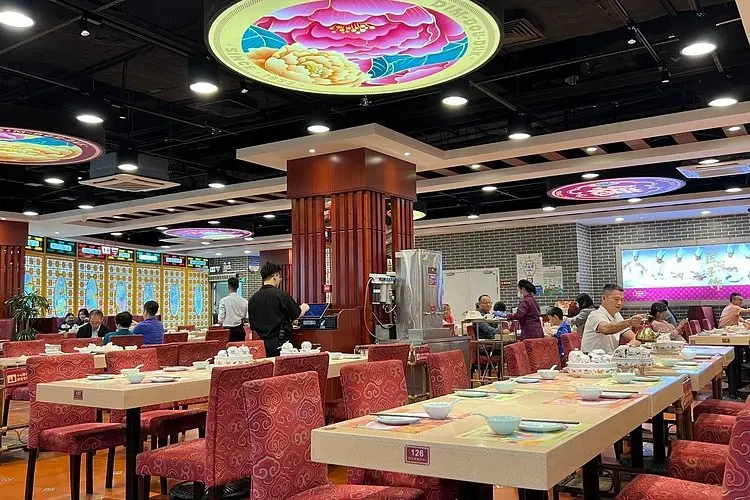
My journey culminated in the south, in the culinary powerhouse of Guangdong. Here, eating is the primary pulse of life. The ritual of yum cha (morning tea and dim sum) is sacred. At Dian Dou De in Guangzhou, the dining hall was a cacophony of Cantonese chatter and rattling trolley carts.
Bamboo steamers were stacked high, revealing translucent shrimp dumplings (har gow) and fluffy pork buns (char siu bao). The emphasis in every Cantonese China restaurant is on freshness and steaming, preserving the integrity of the ingredients. It is a cuisine that demands perfection in simplicity.Crossing over to Hong Kong, I found the perfect blend of east and west at a cha chaan teng (tea restaurant) named Australian Dairy Company. Over a plate of impossibly fluffy scrambled eggs and thick toast, I watched the frenetic energy of the city pass by. It was a reminder that Chinese cuisine is adaptable, absorbing influences while maintaining its core identity.