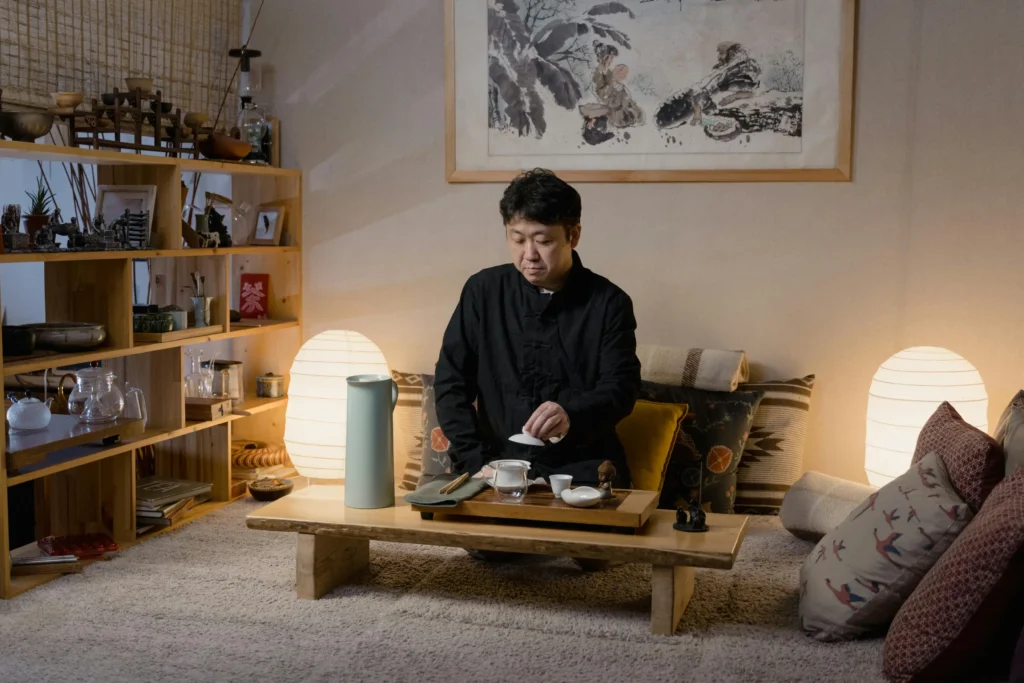
The morning light filters through a bamboo screen, painting soft stripes across a polished concrete floor. In one corner, a young woman in a linen apron performs a silent ballet, pouring hot water over fragrant pu’er tea leaves in a traditional gaiwan. The earthy aroma of this famous post-fermented tea fills the air, a beverage produced with centuries of care and tradition.
Just a few feet away, a barista tamps espresso into a portafilter, the rhythmic thud and click a familiar coffee shop percussion. Steam rises from both a delicate porcelain teacup and a ceramic latte mug. This is the new face of the Chinese cafe, a space where millennia of tea heritage and the global rhythm of coffee culture are not in competition, but in conversation. Here, you can find plenty of dishes that blend East and West; from traditional rice bowls to modern bakery treats inspired by both Chinese and European influences.
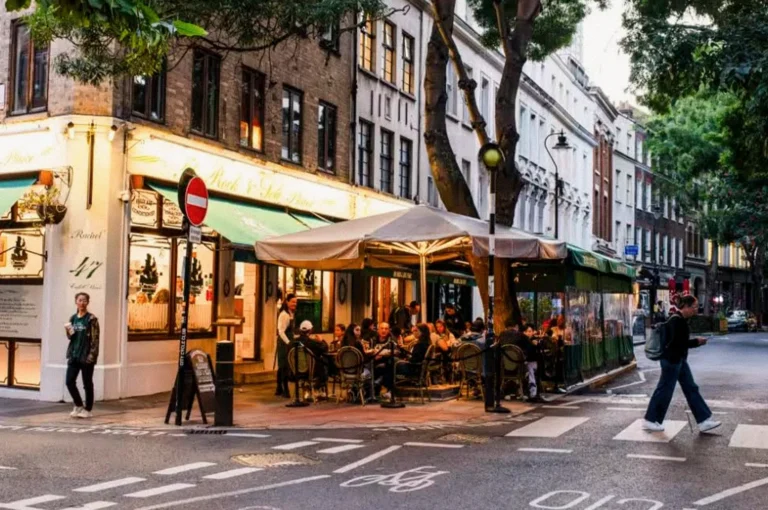
Across China, a quiet revolution is brewing. In the bustling alleyways of Beijing and the serene, tree-lined streets of Chengdu, a generation of young entrepreneurs is reimagining the third space. They are creating stunning tea houses and coffee shops that feel both ancient and utterly contemporary, with hours that welcome early risers in spring and late-night patrons alike.
Tea Houses and Coffee Shops in China
These are not sterile, international chains; they are deeply personal spaces that honor the profound legacy of Chinese tea: ranging from green tea and oolong tea to yellow and red tea, while embracing the creative energy of modern cafe life. One such cafe even claims to have preserved the spirit of the dragon, a symbol of strength and vitality in Chinese culture, within its design and menu offerings.
Traditional tea processing techniques meet elegant brewing methods, offering a unique beverage experience that celebrates both the beauty and significance of tea culture in China and beyond. Visitors often find themselves holding a warm bowl of tea, feeling the calming effect on the body as they savor each sip. These cafes also serve as restaurants where culinary artistry is achieved through the careful preparation of dishes that honor both heritage and innovation.
In March, many of these establishments celebrate the arrival of spring with special menus and events, inviting locals and tourists to experience the evolving culture. If you are ever in the area, be sure to note the address of these hidden gems, as they offer more than just tea; they provide a space for community, creativity, and connection.
While some might think that blending such diverse traditions could go wrong, these cafes prove that harmony is possible. Through thoughtful writing and curation, they tell a story that bridges continents (from the tea fields of China to the cafes of Europe) inviting all who enter to partake in a rich cultural experience.
The Calm of Tea and Coffee
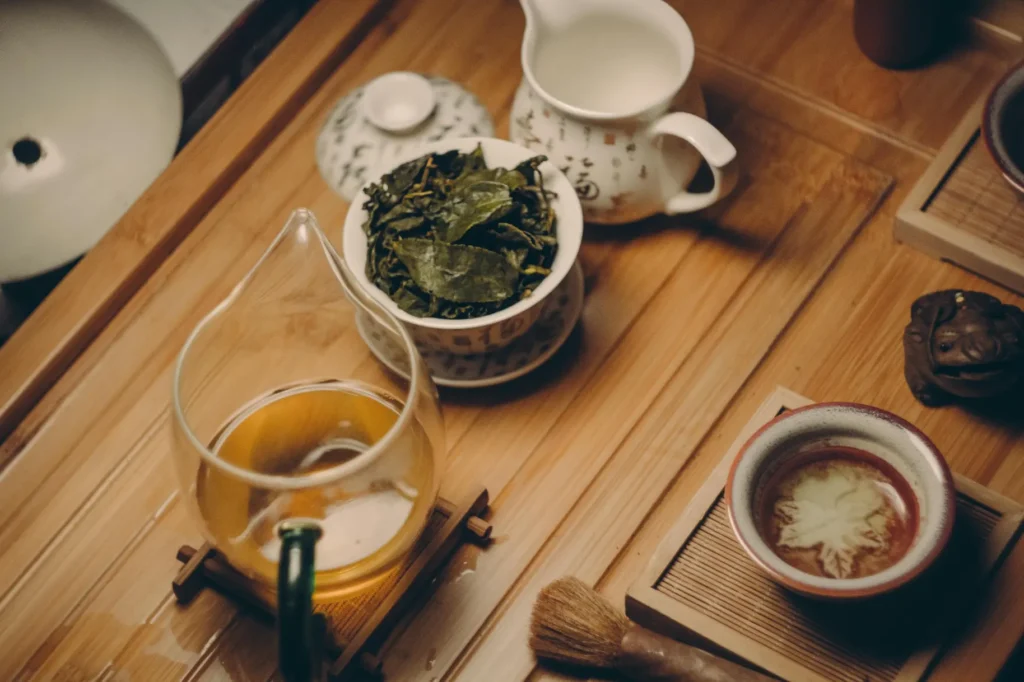
Tea in China has a rich history spanning thousands of years, deeply woven into daily life. Originating from the Camellia sinensis plant, there are six main types: green tea, white tea, yellow tea, oolong tea, red tea (black tea), and dark tea like pu’er. Each type undergoes unique production processes to develop distinct flavors and aromas. For example, green tea is minimally oxidized, preserving its fresh, sweet taste, while oolong tea ranges from 1% to 99% oxidation, offering complex floral and fruity notes. Historically, tea was highly valued as tribute during dynasties, highlighting important tea-growing regions like Anxi and Zhejiang.
Coffee, though newer, has rapidly grown in China’s cities such as Shanghai and Beijing, blending traditional tea culture with modern café trends. Many Chinese cafés now serve both expertly brewed Chinese tea and specialty coffee, reflecting a dynamic café culture where tradition and innovation meet.
Across China and beyond, tea houses and coffee shops celebrate this heritage, offering everything from delicate white tea buds to robust espresso. Whether sipping fragrant pu’er tea or freshly roasted coffee, these cafés embody cultural beauty, history, and lasting significance. Featuring elegant tea brewing alongside contemporary coffee preparation, they invite patrons to relax at spacious round tables and cozy seats. With outlets expanding in major cities, this culture flourishes from Monday through Saturday and beyond.
Secret Garden: A Poet’s Retreat with Oolong Tea in Beijing
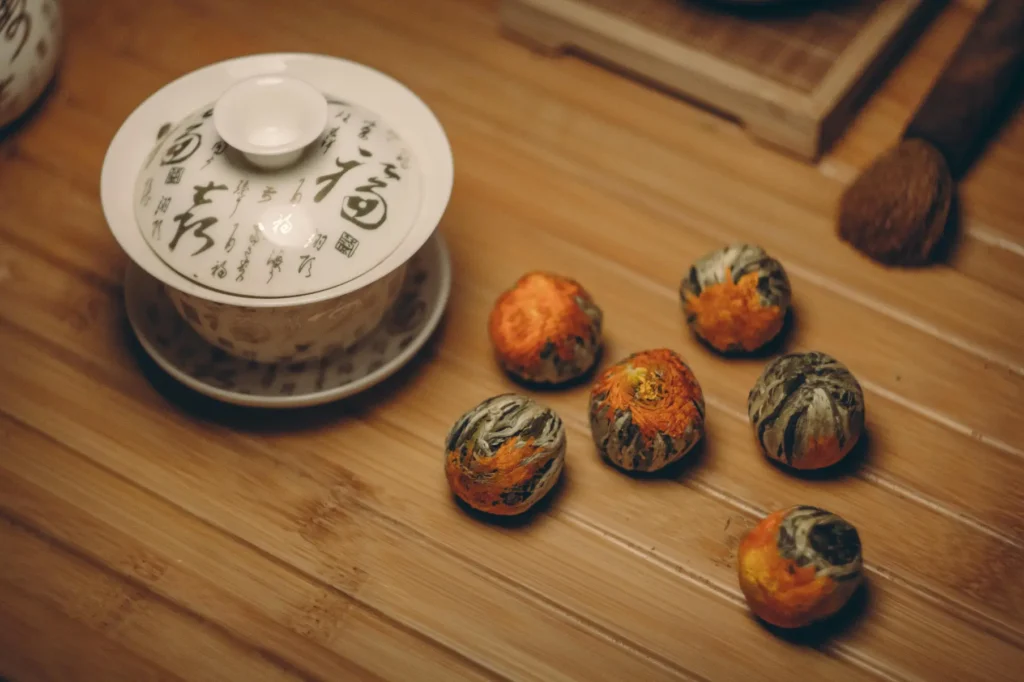
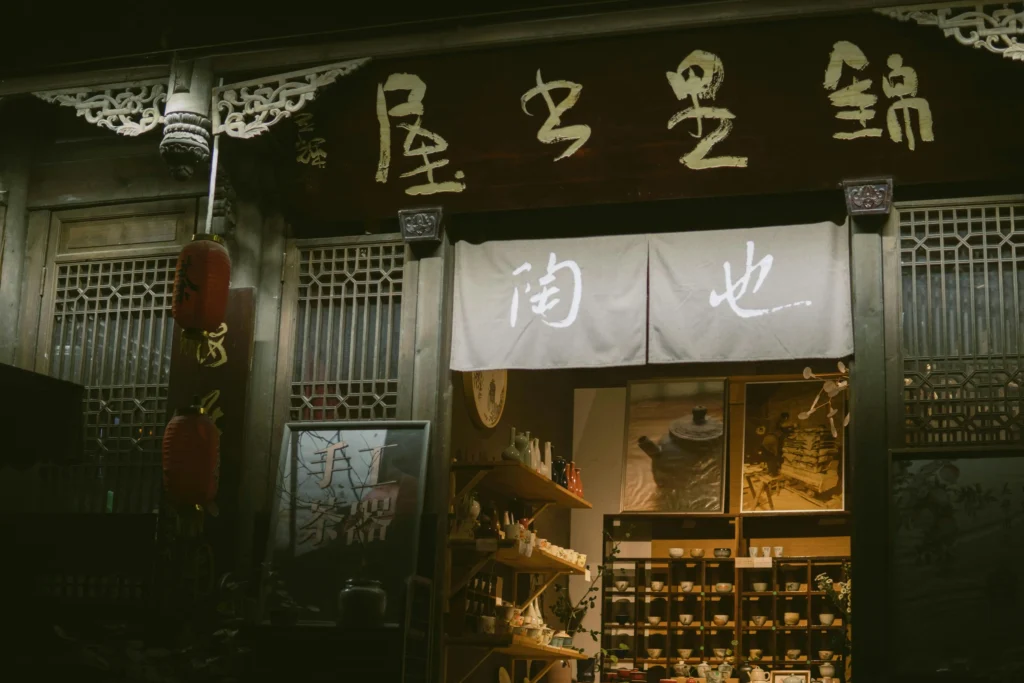
Tucked away in a historic Beijing hutong, you will find Secret Garden. Stepping through its unassuming wooden door is like entering a secret scroll painting. The space is a maze of small courtyards, rock gardens, and rooms connected by moon gates. Here, the owners have painstakingly preserved the original Ming dynasty architecture while introducing minimalist furniture and warm, ambient lighting.
The menu is a love letter to both tradition and modern tastes. You can order a meticulously prepared Tie Guan Yin oolong tea, grown in Anxi, with a detailed explanation of its origin and complex flavours. Alternatively, try their signature osmanthus latte, where the floral sweetness of a classic Chinese flower is infused into creamy, expertly pulled espresso. This Chinese cafe offers a unique blend of tea and coffee culture, attracting young creatives who gather here with laptops open next to delicate tea trays, finding a quiet sanctuary from the city’s relentless pace. It’s a cafe that feels less like a business and more like a poet’s retreat, where the beauty of tea brewing and elegant design come together.
Maan: Chengdu’s Minimalist Green Tea Ceremony
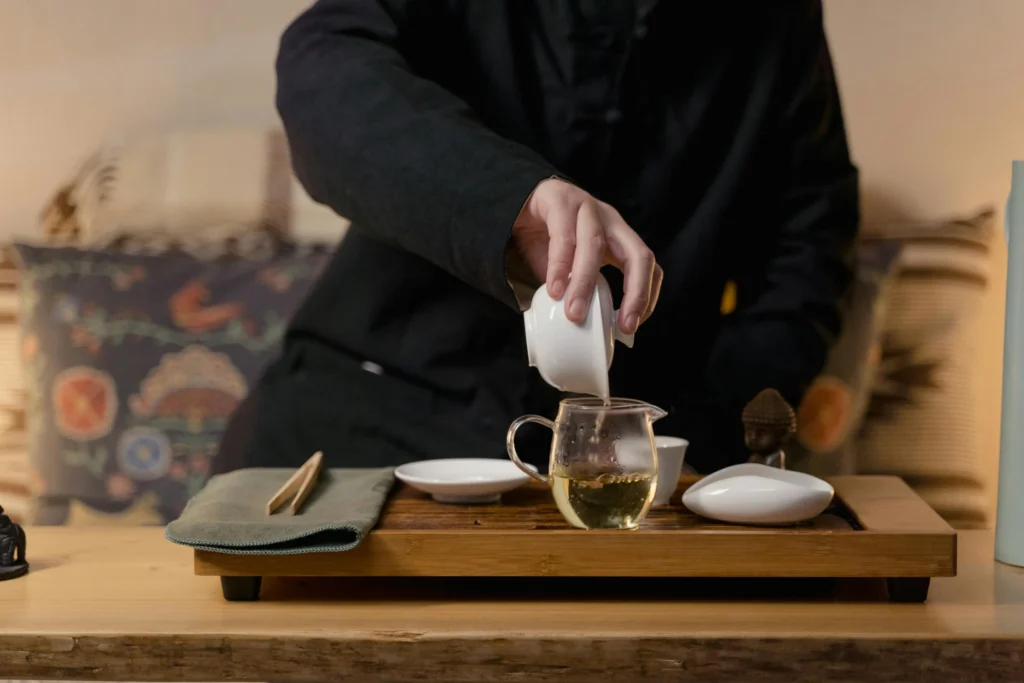
Chengdu is known for its laid-back teahouse culture, where locals spend entire afternoons chatting over endless cups of jasmine tea. A new spot called Maan Coffee takes this tradition and filters it through a lens of modern aesthetics. The interior is stark and minimalist, featuring clean lines, pale wood, and abundant natural light, creating an elegant and refreshing atmosphere.
Maan Coffee specializes in single-origin Chinese tea and hand-drip coffee, treating both with equal reverence. Baristas trained in the Gongfu tea ceremony and modern brewing methods guide you through the experience. Ordering their cold-brewed Longjing green tea is a revelation. The slow, cold infusion strips away any bitterness, leaving a pure, sweet flavor that is incredibly refreshing in the humid Sichuan air. This Chinese cafe offers a perfect balance of traditional tea culture and contemporary cafe vibes, making it a must-visit for tea lovers seeking a serene spot to enjoy exquisite tea and light food in Chengdu.
Citizen Café & Bar: A Taste of Old Shanghai
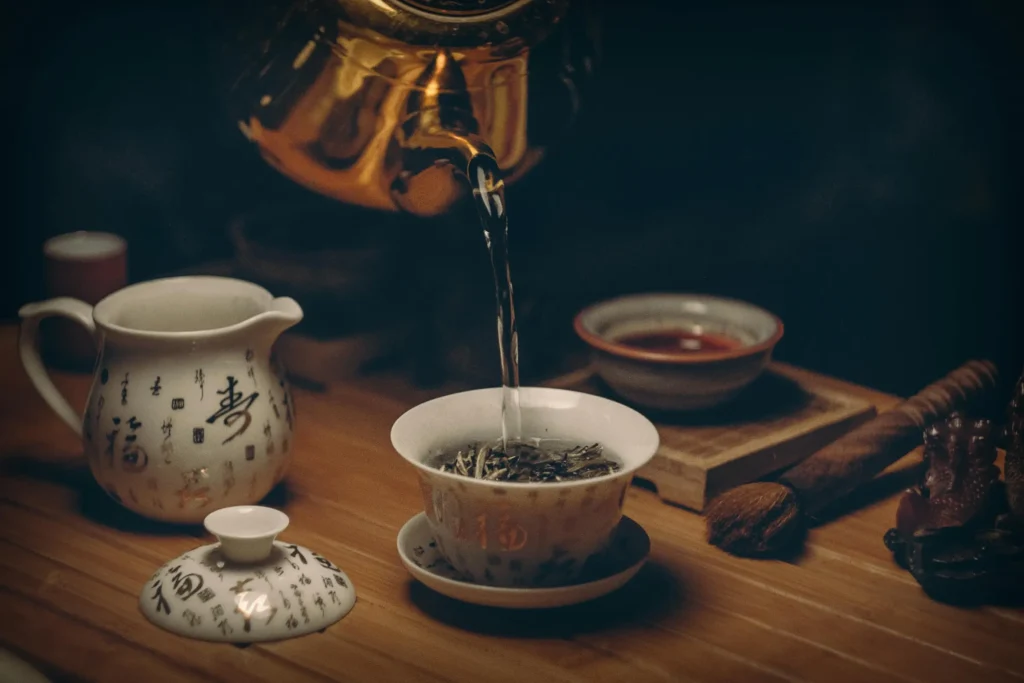
In Shanghai, where a historic coffee culture has existed for nearly a century, the new Chinese cafe movement blends local history with global trends. Citizen Café & Bar, located in a beautifully restored 1930s lane house, perfectly captures this spirit. The ground floor is a cozy cafe with dark wood, vintage leather armchairs, and the scent of freshly roasted beans.
Their signature drink is the “Dirty”: a shot of hot, rich espresso poured over chilled milk, creating a beautiful layered effect. But their tea selection is just as thoughtful. They offer a rare, aged white tea, its flavor complex and honeyed, served with a small plate of homemade hawthorn sweets. By evening, the space transforms into a cocktail bar, where tea infusions find their way into inventive drinks. It is a space that understands the rhythm of the city, offering a warm embrace from morning until late at night.
A New Taste of Tradition with Chinese Tea Trees
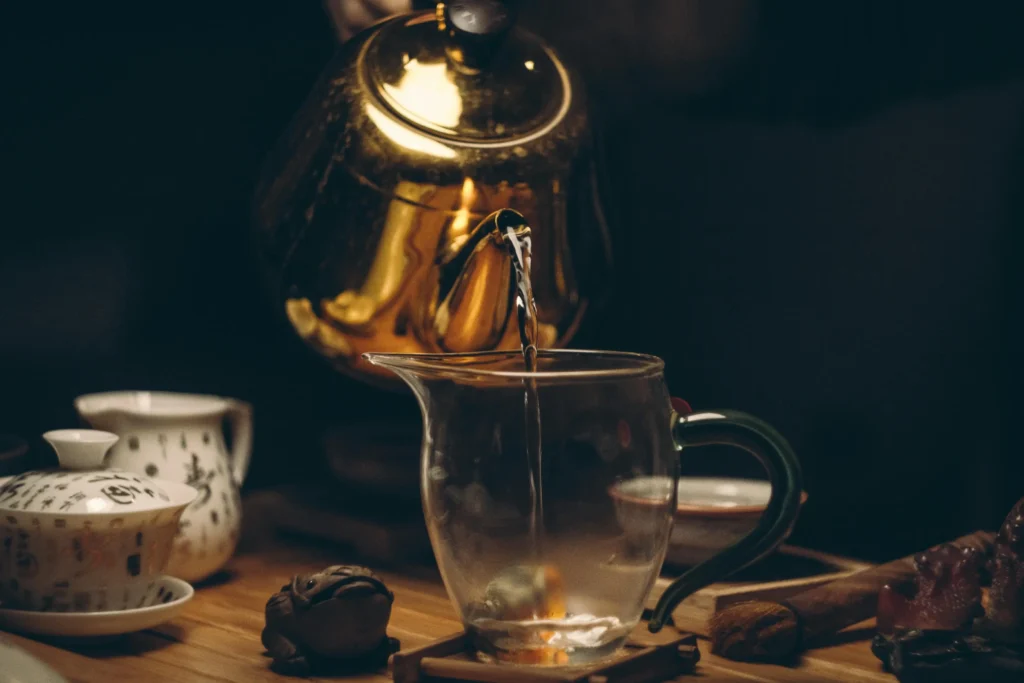
These cafes are more than just beautiful places to get a drink. They are vital cultural hubs where a new generation is exploring what it means to be modern and Chinese. They are reclaiming Chinese tea from the dusty shelves of tourist shops and placing it on a pedestal alongside specialty coffee, giving it a new context and a new audience.
Sitting in one of these spaces, watching a group of friends share both a pot of oolong and a plate of avocado toast, you feel the pulse of contemporary China. It is a culture that is deeply proud of its past but not bound by it. It is innovative, creative, and confident. In these quiet corners, over the steam of a cup, you can taste the future. And it tastes of both jasmine and espresso, a flavor that is complex, comforting, and completely new.