
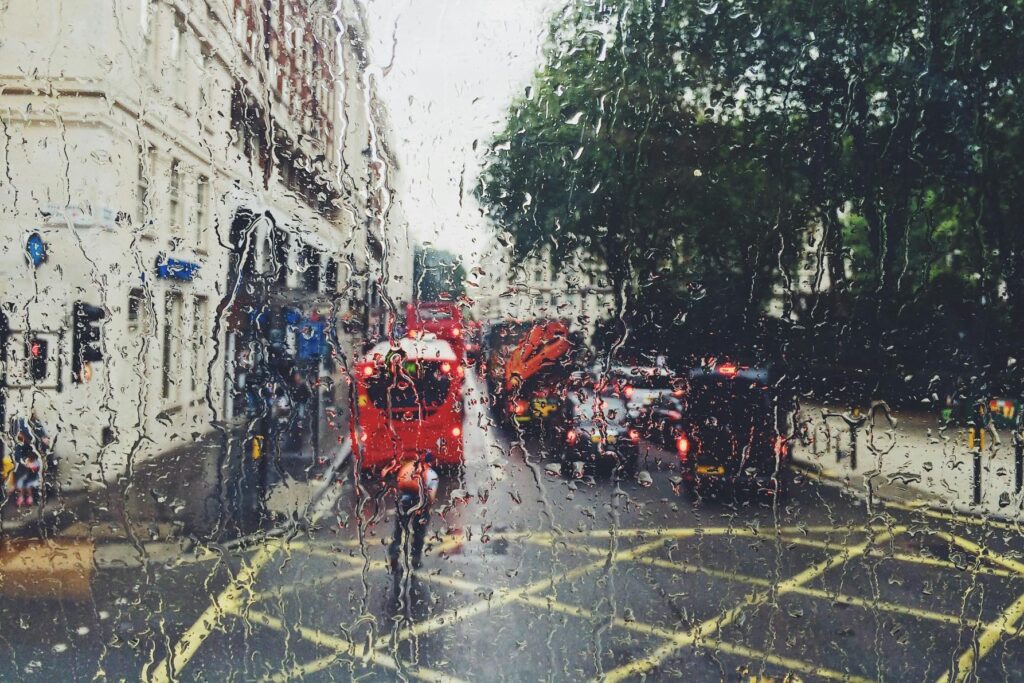
The rain in London during late November does not fall; it simply materializes, a fine, cold mist that settles onto every surface. I had ducked into a cramped, wood-paneled café just off Charing Cross Road to escape the damp. The interior was a sanctuary of fogged windows, the low hum of espresso machines, and the heavy, comforting scent of wet wool and roasting coffee. I sat at a tiny corner table, shivering slightly, and pulled my camera from my bag. The glass of the lens was completely fogged over.
I began rubbing the lens with the edge of my sweater sleeve, a frantic and entirely useless effort that only smeared the condensation into a stubborn blur.
“Canvas and wool only redistribute the rain,” a voice said softly.
I looked up. The man sitting at the adjacent table was perhaps a decade older than me, wearing a sharply tailored charcoal overcoat. His posture was relaxed but impeccable, carrying a quiet, unhurried gravity. Without leaning into my space or demanding my full attention, he extended his hand. Between his long, deliberate fingers was a folded, perfectly dry linen handkerchief.
“For the glass,” he added, offering a faint, reassuring smile.
I took it, thanking him, and wiped the camera lens. The blur immediately gave way to absolute clarity. When I offered the handkerchief back, he gently shook his head, motioning for me to keep it.
“You were looking at the architecture outside before the rain started,” he observed. His voice had a rich, even cadence, grounded and polite. “It is a difficult city to capture. London does not pose for you. You have to catch it when it is not paying attention.”
“That is exactly it,” I replied, surprised by his accuracy. “I am trying to find the edges of the city. The quiet parts that people overlook when they are rushing to the Tube.”
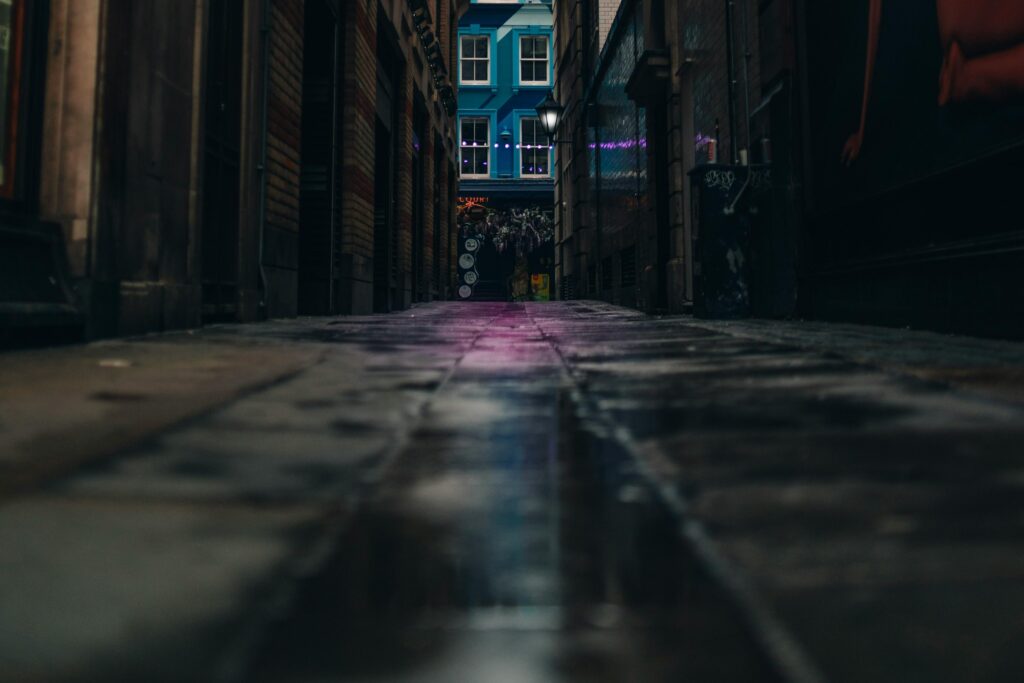
We spoke for only ten minutes, but the exchange lacked the hollow, polite filler that usually plagues conversations between strangers. He spoke about the geometry of the streets and how the light changes when it bounces off the wet cobblestones. He had a way of looking at the world, and at me, that felt entirely present. He did not ask what I did for a living or where I was staying. He simply engaged with the exact moment we were sharing, applying the same sharp, gentle focus to our conversation that a photographer applies to a subject.
When he finished his tea, he stood up, buttoning his overcoat with those same deliberate hands. He wished me a safe journey and stepped back out into the gray afternoon, leaving no name and asking for nothing in return.
I sat alone by the fogged window, looking at the linen handkerchief resting beside my camera. We spend so much energy trying to hold onto people, terrified that if we do not grip them tightly, they will slip away forever. But looking through the freshly polished glass of my lens, I felt a sudden, profound calm.
Fate is not a frantic pursuit; it is the quiet, inevitable geometry of two lines intersecting at the exact right degree. If we are meant to cross paths again, we will, no matter how many miles I travel or how many oceans I cross. Distance cannot outrun what is meant to return.
I raised my camera, focused on the rain-streaked street outside, and finally took the shot.