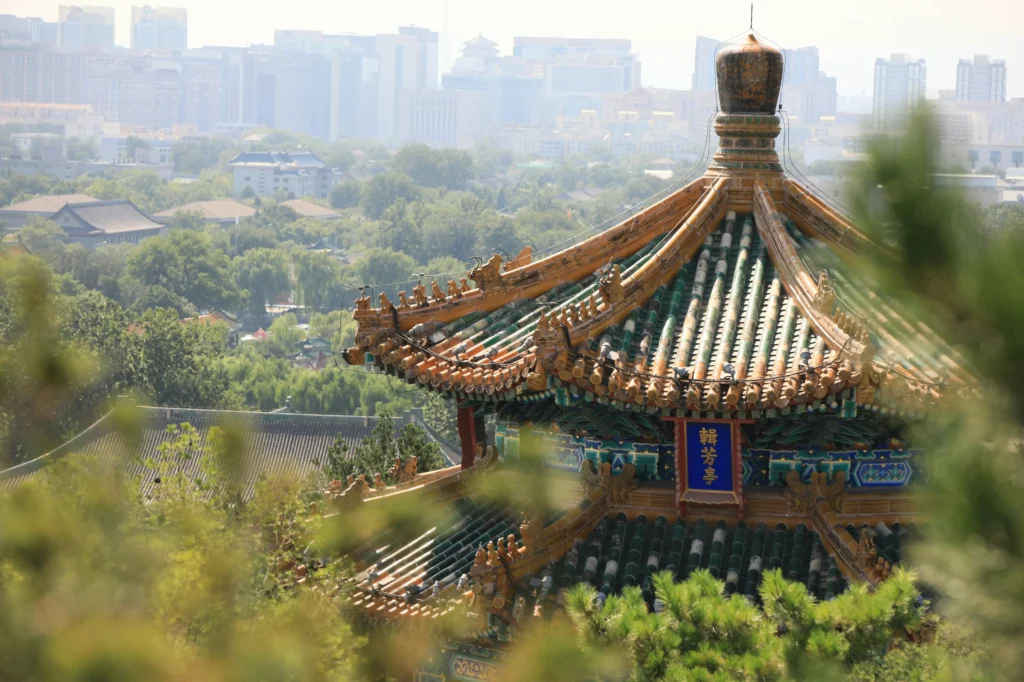
A tour to Beijing is a journey through millennia of history, with towering palaces and ancient temples telling stories of emperors and dynasties. The Forbidden City stands as a symbol of China’s imperial power and served as the residence of Chinese emperors, reflecting its central role in the nation’s history. After exploring the vast courtyards of the Beijing Forbidden City, including the Hall of Supreme Harmony and the Hall of Central Harmony, dining like royalty is a perfect way to connect with China’s rich cultural heritage.
This guide highlights 10 exceptional imperial-style restaurants near the Forbidden City, the corner towers, and along Beijing’s central axis. These venues offer authentic royal cuisine once served at imperial weddings and grand ceremonies within the palace museum, adding a memorable culinary chapter to your Beijing tours in this vibrant country.
Imperial Dining Near the Forbidden City
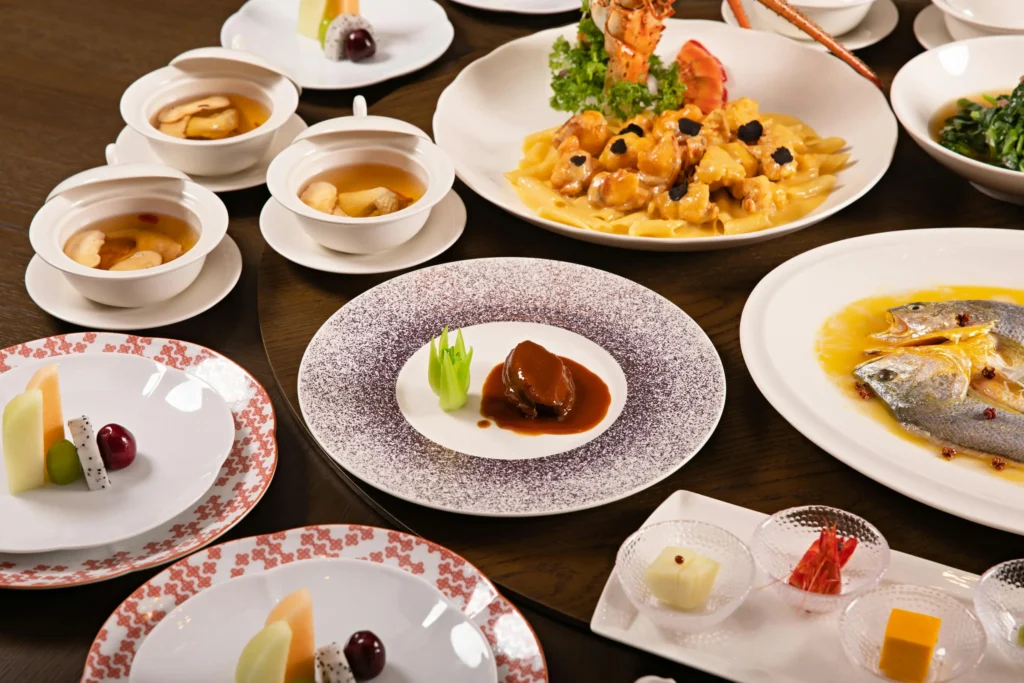
1. Fangshan Restaurant (仿膳饭庄)
Founded in 1925 by former imperial chefs from the Qing dynasty, Fangshan Restaurant is one of Beijing’s most renowned imperial dining spots. Located inside Beihai Park, a historic imperial garden near the Forbidden City and a renowned historical site, it offers an authentic atmosphere rich in cultural heritage.
Signature Dishes: Iconic Qing court dishes, including selections from the “Manchu-Han Imperial Feast,” venison with soy sauce, and delicate pastries favored by Empress Dowager Cixi.
What Makes It Unique: Dining here feels like visiting a public museum of imperial cuisine, with staff often dressed in period costumes enhancing the immersive experience. The setting within a former imperial garden adds unique charm.
Location: Inside Beihai Park, just northwest of the Forbidden City.
2. Li Jia Cai (Family Li Imperial Cuisine 厉家菜)
Originating from the Li family, descendants of a high-ranking Qing official, Li Jia Cai is a legendary restaurant preserves recipes from the imperial kitchens. Its intimate hutong setting near Houhai Lake offers a glimpse into Beijing’s imperial past.
Signature Dishes: Seasonal set courses featuring deep-fried prawns, winter melon soup, and sweet and sour pork ribs.
What Makes It Unique: Dining here feels like a private visit to a historic home, contrasting the original hutong location with a formal branch in the Regent Beijing hotel, both emphasizing culinary tradition.
Location: Original hutong near Houhai Lake; newer branch in Regent Beijing hotel.
3. Bai Jia Da Yuan (白家大院)
Set in a beautifully preserved Qing Dynasty prince’s mansion, Bai Jia Da Yuan offers an immersive imperial experience with exquisite cuisine and classical Chinese gardens.
Signature Dishes: Braised deer tendon, golden prawn balls, traditional court pastries, and renowned Peking Duck.
What Makes It Unique: The stunning setting with rockeries, pavilions, and nightly traditional music and opera performances creates a magical atmosphere reminiscent of the six western palaces.
Location: Near Haidian Park, a short trip from the Forbidden City.
Best Royal Cuisine Restaurants in Beijing
4. Najia Xiaoguan (那家小馆)
This popular chain of restaurants celebrates Manchu cuisine, the ethnic group that founded the Qing dynasty and the Forbidden City served as their political center. Najia Xiaoguan offers a more accessible and affordable take on imperial flavors rooted in this rich cultural heritage.
Signature Dishes: Their “Crispy Prawns” are famous, as is the tender braised pork belly. They also serve a variety of unique vegetable dishes and hearty stews that reflect traditional Manchu culinary traditions.
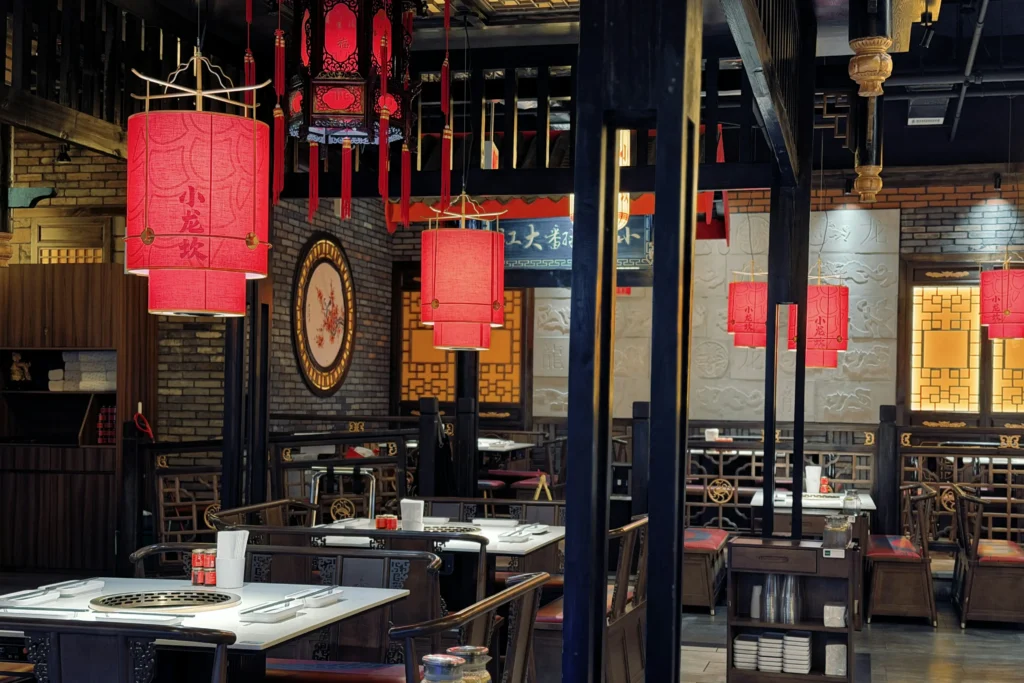
What Makes It Unique: It successfully blends a traditional aesthetic with a modern, relaxed vibe. The restaurant’s design evokes the atmosphere of the western palaces and traditional Beijing courtyard homes, featuring wooden furniture and birdcages. It’s a great introduction to imperial-style food without the formality or high price tag of other establishments.
Location: Multiple locations throughout Beijing, including one near the Temple of Heaven and close to Jingshan Park.
5. Da Zhai Men (大宅门)
Named after a famous Chinese TV drama about a prestigious family of pharmacists, this Da Zhai Men offers a grand dining experience with a focus on high-quality, traditional Beijing cuisine influenced by the culinary styles of the Ming and Qing dynasties. Its proximity to the Forbidden City and the great wall tourist routes adds to its appeal.
Signature Dishes: Known for its excellent Peking Duck, the restaurant also serves a wide range of classic northern Chinese dishes prepared with great care. Their stir-fried dishes are particularly flavorful, inspired by the military eminence and literary glory halls of the imperial palace.
What Makes It Unique: The lively atmosphere. The main hall is vast and bustling, often featuring traditional performances on a central stage. It feels like a grand banquet hall, full of energy and traditional Chinese decor reminiscent of the corridor connecting the main halls of the Forbidden City.
Location: Several branches, including a popular one near the Summer Palace and Tiananmen Square.
6. Mei Fu (梅府)
Mei Fu is a tribute to the legendary Peking Opera star, Mei Lanfang. The menu is based on his personal favorite dishes, which were known for being light, refined, and beautifully presented, much like the cuisine served in the palace’s heavenly purity and earthly tranquility double-eaved buildings. Drawing inspiration from imperial architecture, the decor features motifs reminiscent of the coiled dragon, a symbol of imperial power often found in the caisson ceilings of important palace halls, adding a sense of grandeur to the restaurant’s atmosphere.
Signature Dishes: The cuisine, known as “Mei Family style,” includes dishes like “diced chicken with walnuts” and a variety of delicate soups and vegetable preparations. It’s a healthier and more subtle take on classic Beijing food.
What Makes It Unique: Its deep connection to Peking Opera culture. The restaurant is located in a traditional courtyard house and is decorated with memorabilia related to Mei Lanfang. The raised walkway and exterior view of the building evoke the tranquility and elegance of the tranquil longevity palace.
Location: In a courtyard near Prince Gong’s Mansion, accessible with prior notice for special events.
Historical Significance Dining
7. Hua’s Restaurant (花家怡园)
Famous for its sprawling courtyard setting, Hua’s Restaurant is a beloved spot for both locals and visitors seeking an authentic Beijing dining experience with its own unique charm. While it offers a broad menu covering many Chinese cuisines, it includes dishes with royal roots that echo the imperial traditions of the Ming and Qing dynasties.
Signature Dishes: Although not strictly imperial, many dishes are inspired by the rich culinary heritage of the Forbidden City and imperial weddings. Their signature spicy crayfish (“ma xiao”) is a modern favorite, alongside classic Beijing dishes that reflect traditional Chinese architecture in their presentation and style.
What Makes It Unique: The spectacular courtyard setting, especially the main branch on “Ghost Street” (Guijie), beautifully lit at night, offers a lively and festive ambiance. The restaurant’s location near historic sites such as Donghua Gate and the Forbidden City adds to its cultural significance.
Location: The most famous branch is on Dongzhimen Inner Street (Guijie), easily accessible from Tiananmen East Station.
8. Quanjude (全聚德)
No Beijing tours are complete without savoring Peking Duck at Quanjude, one of the oldest and most renowned establishments, founded in 1864 during the early Qing dynasty. Quanjude has influenced cultural and architectural developments in Beijing’s culinary scene.
Signature Dishes: The iconic Peking Duck, roasted in an open oven using traditional fruitwood, is carved tableside to reveal crispy skin and tender meat. The restaurant also offers a variety of bronze wares-inspired dishes that reflect the imperial court’s culinary artistry.
What Makes It Unique: Quanjude’s historic status and time-honored roasting methods provide a taste of tradition. Its proximity to Tiananmen Square and the Forbidden City makes it a perfect stop after exploring the outer court and inner court of the palace complex.
Location: Multiple locations across Beijing, including a flagship branch near Qianmen, close to the Forbidden City and Tiananmen East Station.
9. King’s Joy (京兆尹)
Situated near the Lama Temple, King’s Joy is a pioneer of upscale vegetarian dining in Beijing, drawing inspiration from imperial vegetarian traditions once served at the Kunning Palace and other royal residences.
Signature Dishes: The menu creatively mimics the textures and flavors of meat using vegetables and innovative preparations, reflecting the refined tastes of the Qing dynasty’s imperial family.
What Makes It Unique: The serene, Zen-like atmosphere and artistic presentation make King’s Joy a peaceful retreat from the city’s bustle, offering a unique charm in Beijing’s vibrant culinary landscape.
Location: Near the Lama Temple and Confucius Temple, accessible via Tiananmen East Station.
10. Duyichu (都一处)
Dating back to 1738, Duyichu is famed for its shaomai, a type of steamed dumpling with a history linked to the Qianlong Emperor of the Qing dynasty. The restaurant has maintained its traditional recipes and ambiance for nearly three centuries.
Signature Dishes: Various delicate shaomai varieties with thin wrappers and flavorful fillings, representing the culinary artistry of Beijing’s ancient town heritage.
What Makes It Unique: Its focus on perfecting one specific dish, combined with its rich history and authentic atmosphere, offers a humble yet genuine taste of old Beijing.
Location: Located in the historic Qianmen district, near the Donghua Gate and the Forbidden City’s outer court.
A Feast Fit for a Chinese Emperor
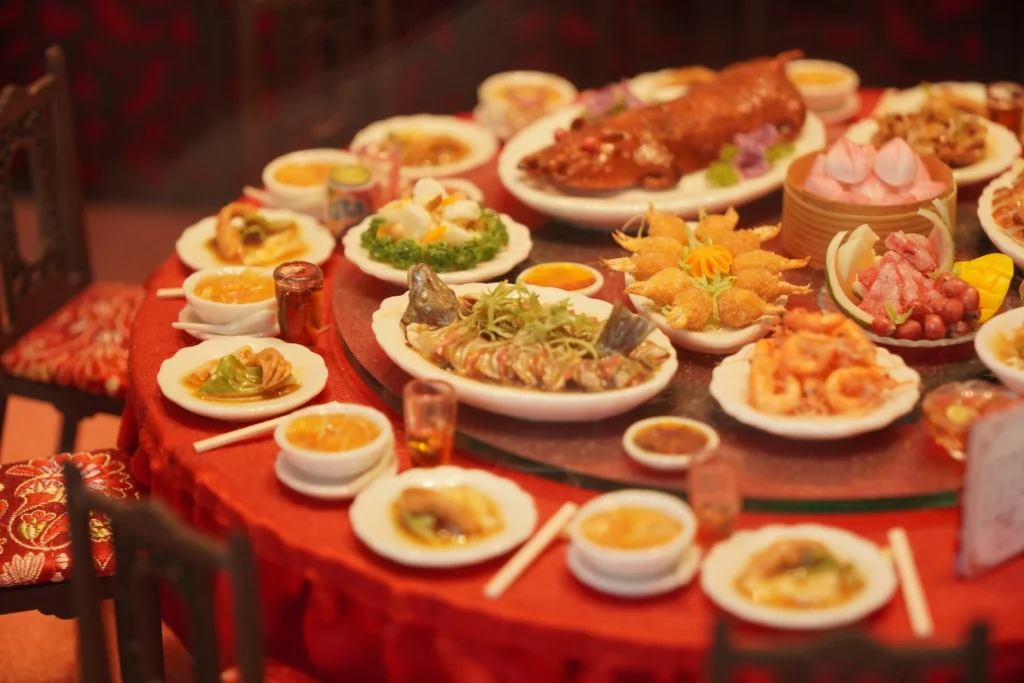
Dining in Beijing is about more than just filling your stomach; it’s about tasting history and experiencing the rich cultural heritage of this ancient city. Including one of these imperial-style restaurants in your Beijing tours offers a deeper connection to the city’s magnificent past and the legacy of the imperial family. From the grandeur of a prince’s mansion to the intimacy of a family-run kitchen, these establishments keep the extraordinary tradition of Chinese imperial cuisine alive, reflecting the flavors once served in the palace complex of the Ming and Qing dynasties.
The most frequently visited areas of the Forbidden City, such as the Hall of Supreme Harmony and the four corners with their iconic towers, offer unique experiences and showcase the architectural significance of the palace’s layout. October is a particularly significant month for the Forbidden City, marking important historical events such as the expulsion of the last emperor, Puyi, in October 1924, which symbolized the end of imperial rule in China.
If you have a strong interest in Chinese imperial history or cuisine, consider dedicating more time to specialized tours or experiences, as organized tours of the Forbidden City and its surrounding historical sites provide deeper insights into its rich past. Be mindful to avoid visiting during Chinese public holidays, as these periods see large crowds and can impact your experience.
So, after you’ve marveled at the golden roofs of the Forbidden City, an imperial palace and UNESCO World Heritage Site, allow yourself to savor the flavors that once graced the emperor’s table in the emperor’s audience hall, a key site for imperial banquets and ceremonies.