
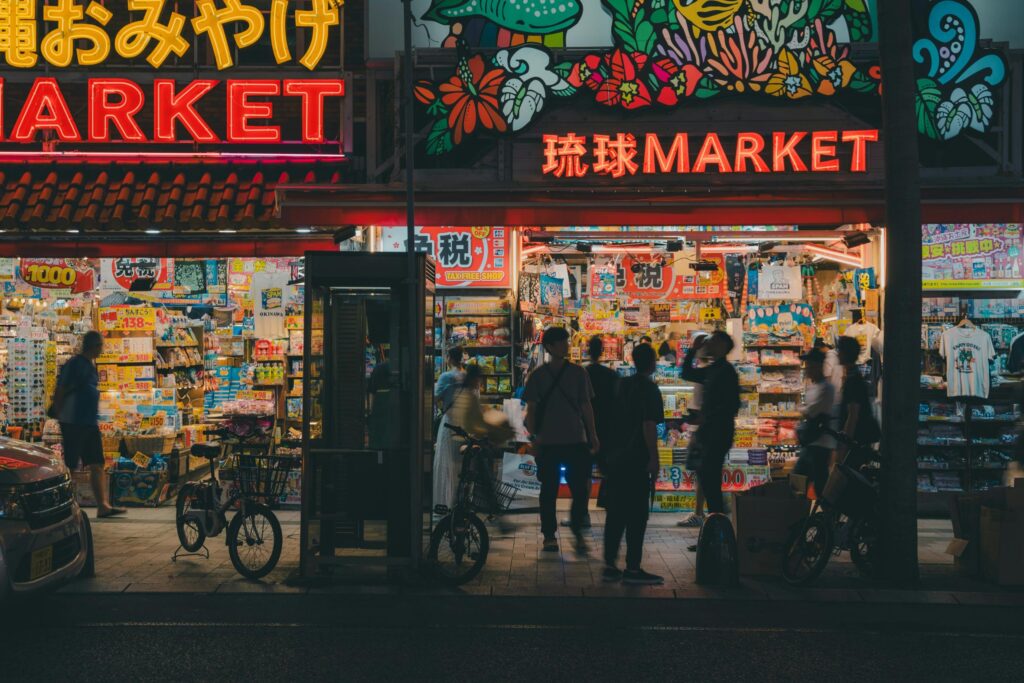
I have always been a fierce defender of the morning. There is a specific, untouched clarity to the world at dawn that makes me feel safe. Midnight, by contrast, has always felt like a chaotic threshold I prefer to avoid. Yet, hunger makes hypocrites of us all. After a delayed flight and a mix-up with my hotel in Chiang Mai, I found myself wandering down a wet, neon-drenched street at quarter to twelve, desperately following the scent of charred pork and holy basil.
The market district was a sensory assault. The humid air clung to my skin, thick with the smell of sweet chili, fish sauce, and exhaust from passing scooters. Fluorescent bulbs buzzed angrily above metal carts, casting a harsh, artificial daylight over the slick pavement. Exhausted and overwhelmed, I stood near the edge of the thoroughfare, watching vendors begin the slow, arduous process of packing away their livelihoods.
I retreated to the quietest corner I could find, hovering near a small noodle stall that had already shut off its main lights. The vendor, an older woman with a severe bun and shoulders curved from decades of leaning over boiling pots, was wiping down a metal prep table. Her hands moved with a rhythmic, hypnotic efficiency. I leaned against a nearby concrete pillar, pulling out my phone to hail a ride back to my room, wishing intensely for the quiet safety of morning.
The woman paused her wiping. She looked at me, taking in my heavy backpack and the exhausted slump of my shoulders. Without saying a word, she reached down, unstacked a low, red plastic stool, and slid it across the damp pavement toward me.
I looked up, startled. “Oh, no, thank you,” I said, pressing my hands together in a clumsy, apologetic bow. “I am just waiting for a car.”
She waved away my hesitation with a flick of her damp rag. She pointed firmly to the stool, then disappeared into the shadowed depths of her cart. A moment later, she returned with a small, clear plastic bag secured with a rubber band, filled with warm, pale soy milk. She pressed it into my hands. Her face, previously set in the stoic mask of physical labor, softened into a remarkably tender smile.
“For sleep,” she said, her English heavily accented but perfectly clear.
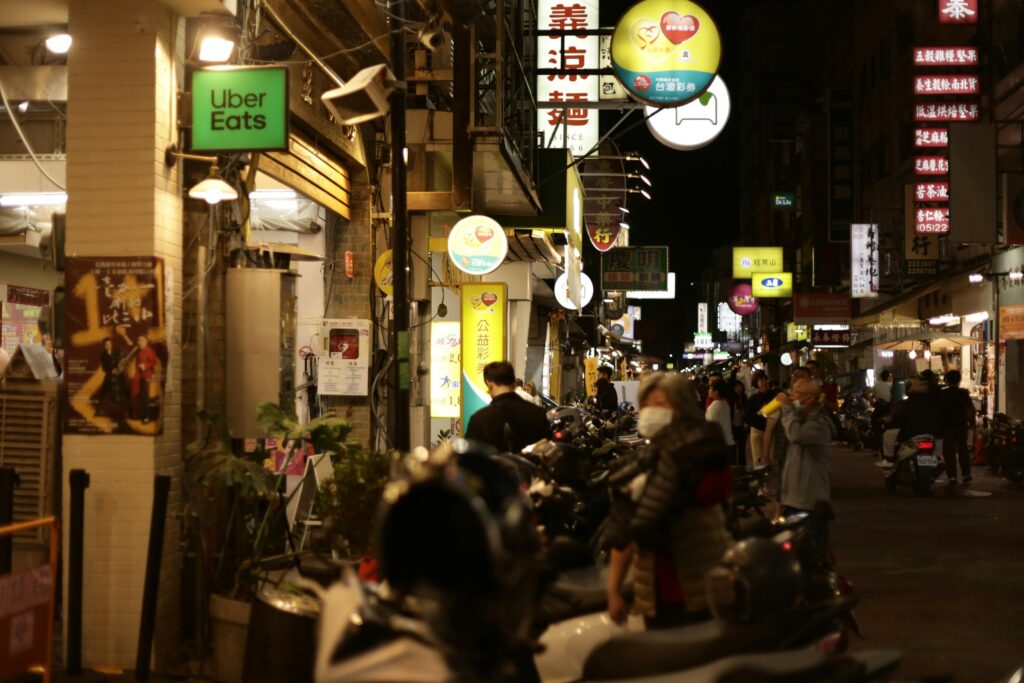
I sat on the low red stool, holding the warm bag against my palms. We did not speak again. She went back to scrubbing her ladles, and I sat in the humid dark, sipping the sweet, grounding milk.
In my stubborn devotion to the morning, I had entirely overlooked the unique grace of midnight. Dawn is full of solitary ambition; we wake up to conquer our own days. But midnight is a shared survival. At this hour, stripped of the day’s polished pretenses, people look out for one another. This woman owed me nothing. She was tired, her feet undoubtedly aching, yet she possessed the quiet empathy to notice a stranger’s weariness and offer a momentary harbor.
My ride arrived a few minutes later. I left a folded banknote on the metal table, offered a deep bow of gratitude, and climbed into the backseat. When I finally woke the next morning to my beloved, quiet dawn, the first thing I noticed was not the morning light. It was the faint, lingering scent of sweet soy milk and rain on wet pavement, a quiet reminder of the kindness waiting in the dark.