Samantha Duan
The late afternoon sun in Florence turns the stone of the Piazza della Signoria into a warm, baked gold. The air smelled of roasting almonds and hot dust, vibrating with the distant, rhythmic hum of an accordion player. I sat on the shaded edge of the Loggia steps, letting the dense crowd of tourists and locals wash past me. Usually, the chaotic, beautiful energy of a European plaza thrills me. But today, the noise only amplified the vast, stretching geography between me and my little brother back home. The ache of missing him was not a sharp pain. It was a dull, heavy weight sitting right beneath my ribs, a quiet reminder of the milestones and ordinary Tuesday afternoons I was absent for.
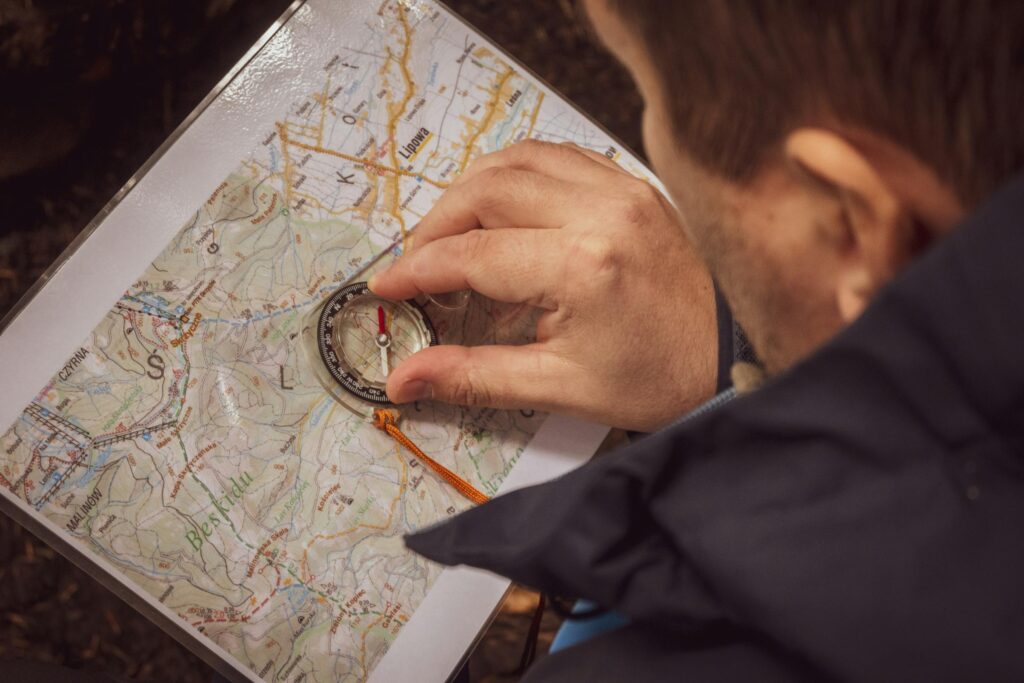
That is when I noticed the boy. He was sitting two steps down from me, his small knees pulled up to his chest, wrestling with a massive, glossy tourist map. He was perhaps seven years old, and the map was comically large for his hands. He turned it sideways, then upside down, his brow furrowed in a deep, exaggerated scowl of sheer determination. He looked from the sprawling colored lines on the paper to the towering buildings around us and back again. Finally, his small shoulders slumped in a visible display of defeat. The city was simply too big, and the paper was too complicated.
With a sudden, decisive huff, he abandoned the idea of navigation. He flattened the map against his knee and began folding the top corners inward. The glossy paper was stiff and unforgiving. He pressed his small thumb against the fold, trying to force it into the sleek, aerodynamic shape of a paper airplane, but the nose remained blunt and crooked. He stood up and tried to throw it, but the heavy paper immediately nosedived into the hot stone. He picked it up, his small mouth set in a tight line of rising frustration.
I shifted down a step, closing the distance between us. “The thick paper is stubborn,” I said softly, mimicking the motion of folding with my empty hands.
He looked at me, his dark eyes assessing my intent, then silently held out the crumpled map. I took it. The paper was warm from his hands. I smoothed out his crooked folds and showed him how to match the edges perfectly, pressing my thumbnail firmly along the seam to create a sharp, clean crease. We did not share a spoken language, but the quiet mechanics of building a paper airplane are universal.
As I handed the sharpened plane back to him, I thought of the countless times I had sat on the living room carpet, fixing broken toys and untangling shoelaces for my own brother. Sibling love carries a very specific instinct. It is the quiet, automatic urge to smooth out the rough edges of the world for someone smaller than you. The distance between me and my family felt slightly less absolute in that fleeting moment. We cannot always cross an ocean exactly when we want to, but sometimes the world allows us to offer a stranger the exact tenderness we are wishing we could give to our own blood.
The boy inspected the newly creased wings with intense gravity. A slow, brilliant smile broke across his face. He did not say thank you; he simply turned and bolted into the crowded plaza. I watched him weave expertly through the tourists, his small arm raised high above his head. The paper plane cut effortlessly through the warm Italian air, holding steady above the crowd, carrying all the heavy weight of the afternoon away with it.