Hong Kong at dusk does something dangerous to confidence.
It softens the edges first. The hills turn blue-green. The city, somewhere below and beyond the folds of land, begins to glow like it is remembering itself in neon. The air stays warm, sticky, alive against the skin. Cicadas rasped from the trees. Somewhere, water moved unseen through leaves and stone. My shirt clung to my back, my phone was slick in my hand, and the concrete path under my shoes still held the day’s heat.
I had planned the hike myself, which meant I trusted it too much.
On the map, everything had looked clean and sensible. A line, a viewpoint, a road, a way out. Easy. Independent. Glorious. The kind of thing I loved precisely because no one had arranged it for me. No group flag. No guide calling for a water break. Just me, my route, my legs, my stubborn bright little belief that if I kept moving, the world would keep opening.
Then the light thinned.
Not dramatically. No cinematic sunset. Just a slow dimming. A quiet removal. The trees grew denser, the road longer, the city further away than it had any right to be. My signal weakened until the map became more suggestion than certainty. I zoomed in and out with two damp fingers, as if the screen might confess something new if I pressed hard enough.
That was when the thought arrived.
No one is there for me.
It did not crash into me. It landed softly. Almost politely.
No one knew exactly where I was. No one was tracking my steps. No one was waiting at the next bend with a bottle of water and a raised eyebrow. No one was coming because no one had been asked to come. I had wanted freedom, and this was part of it too: the empty road, the failing signal, the responsibility sitting suddenly beside me like a second shadow.
I reached the road after dark.
At first, I felt ridiculous putting out my hand. Hitchhiking belonged to other people’s stories, older films, braver women, bad decisions retold over drinks. I stood under a weak spill of light, listening to the silence between cars. It was not complete silence. Hong Kong never gives you that. There was wind moving through scrub, insects, the far-off hum of traffic somewhere unreachable. But on that road, in that stretch, cars came rarely. Headlights appeared like promises and passed like they had never seen me.
I argued with myself in small, sharp sentences.
Don’t cry. Cry later.
Don’t get into the wrong car.
Don’t be proud.
Stay visible.
Stay awake.
My fear was not loud. That almost made it worse. It was disciplined, useful, sitting behind my ribs with a clipboard. I was lonely, yes, but I was also alert. Independence, I realized, was not the same as romance. Sometimes it was sweat cooling on your arms while you calculate risk under a sky that has stopped caring.
Then an old car slowed. The driver was an elderly woman with short silver hair and a face lined in the practical way of people who have spent their lives noticing what needs doing. There was a cloth bag on the passenger seat, folded newspapers near the dashboard, and the faint smell of medicated balm mixed with something floral. She lowered the window and looked at me; not suspiciously, not warmly exactly, but with brisk assessment.
“You lost?” she asked.
“A little,” I said, which was a heroic understatement.
She clicked her tongue. “Night already. Not good.”
I nodded too quickly. “I need the station. Train.”
“Train, yes. Come. I take you closer.”
There was no grand rescue music. No speech about kindness. She moved her bag to the back seat, pushed open the door, and pointed as if I were a niece being scolded into common sense. I got in because my whole body understood before my pride did.
Her car smelled like old vinyl and mint. She drove with both hands on the wheel, leaning forward slightly, eyes bright and steady. Our conversation came in fragments. English, gestures, place names, my embarrassed apologies. She waved them away.
“Hiking alone?” she asked.
“Yes.”
“At night?” Her eyebrows rose.
“Not on purpose.”
That made her laugh. A short, dry laugh. “Always not on purpose.”
I laughed too, because the alternative was crying, and somehow her amusement made the world feel less sharp. She did not make me feel foolish. That was the gift. She made me feel found, but not helpless. She pointed out where the road curved, where buses sometimes came, where I should have turned earlier. Her voice was firm, almost maternal, but unsentimental. Help, in her hands, was not a performance. It was a task.
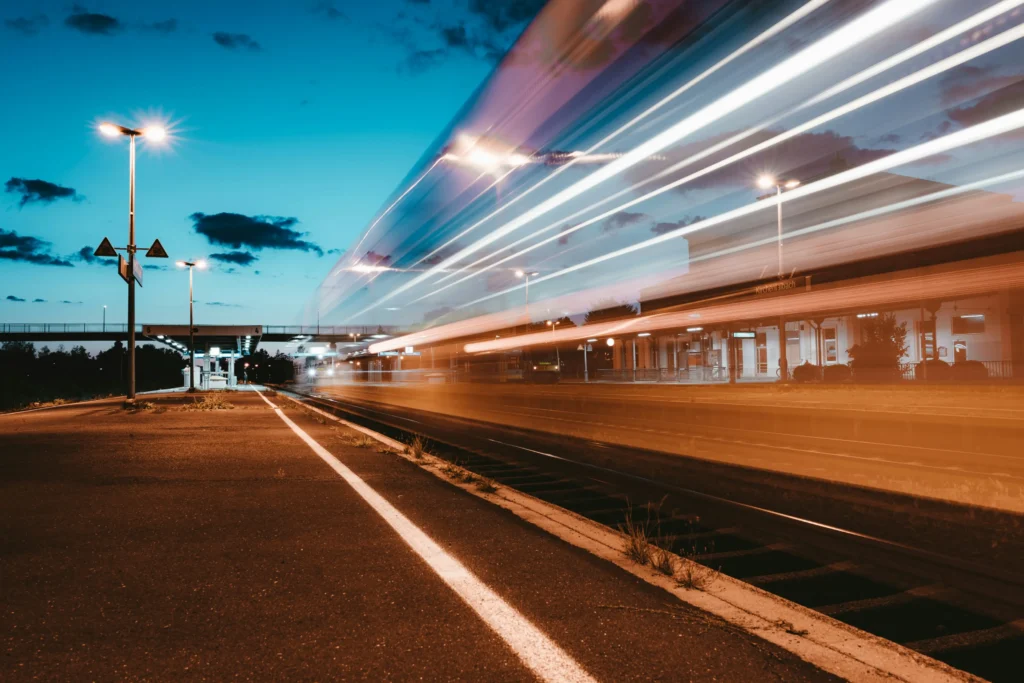
When we reached the station, the lights looked too bright, too white, almost unreal. The platform smelled metallic and damp. Announcements echoed overhead in layers I could not fully catch. A train slid in with its windows glowing, each carriage full of strangers carrying their own tiredness home. I thanked her more times than necessary. She nodded once, as if gratitude was acceptable but lingering was not.
“Go,” she said. “Train.”
So I went. Inside, with my reflection trembling in the dark glass, relief came; but not cleanly. I was safe. I was lucky. I was grateful in a way that made my throat ache. But something else had come with me onto that night train.
The knowledge that no one was obligated to appear.
And still, someone had.
Solo travel had always sounded, to me, like motion and appetite and choosing your own horizon. That night, it became something quieter. A pact with myself. A promise to be more careful. A recognition that freedom is not proof that I need no one, and kindness is not proof that I can be careless.
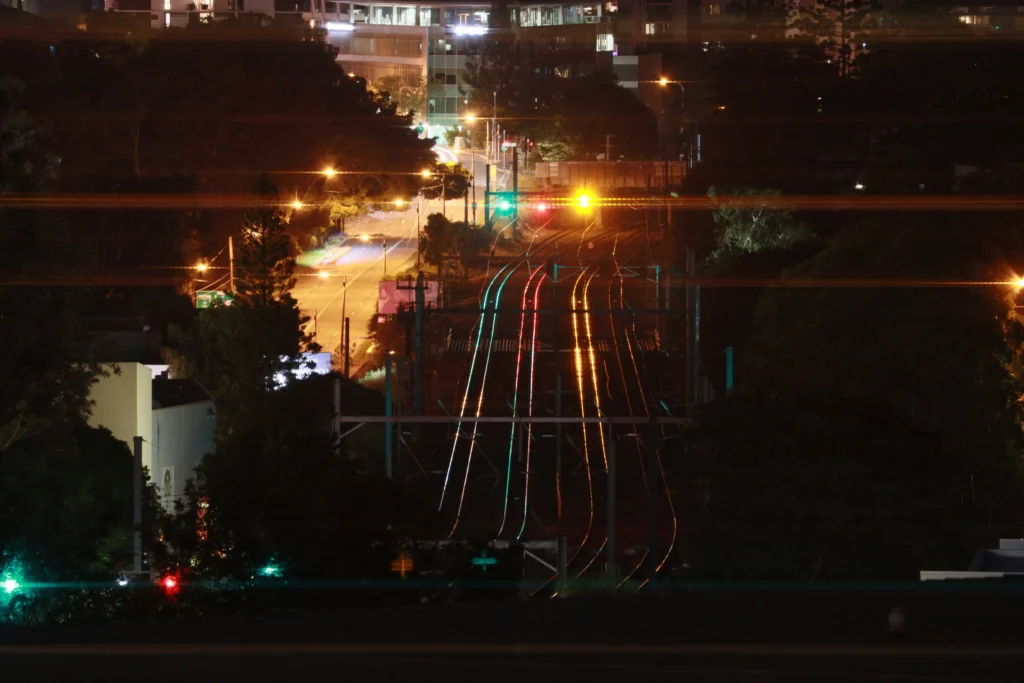
The train moved through Hong Kong’s dark, and the city returned in flashes: tunnel light, window light, neon, black water, my own face hovering over all of it.
I was looked after by a stranger.
I was responsible for myself.
Both things were true.
I held them together all the way back.