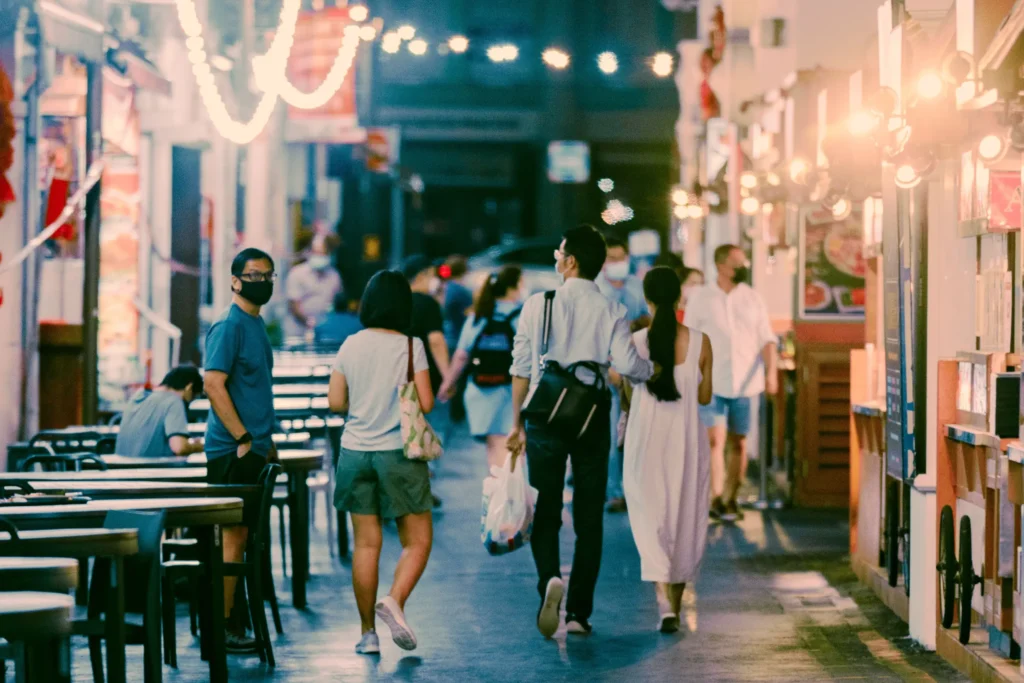
The light in Singapore at seven in the evening has a particular generosity to it. It pools gold against glass towers, softens the humid air into something almost touchable, and carries the smell of frying garlic, curry leaves, rain-warmed pavement, and the first rush of dinner down every street.
I had been walking for an hour with no destination fixed, moving through town the way locals sometimes do when they are hungry but undecided. I passed bars starting their night, restaurants filling their first tables, and tiny food stalls where street food still had the power to stop me mid-step. The question that had been turning in my chest all week followed me through the city: what makes a restaurant feel worth remembering in a place this obsessed with eating well?
Come sit with me while I try to answer it. Not with a ranking, not with a checklist of all the spots people say you cannot miss, but with the small things I have learned to notice over the years. Because the best restaurant singapore offers is rarely just the loudest venue, the most famous brand, or the room with the longest waiting list. It is the one that makes you forget, for a few hours, that the world is waiting outside.
When Tasting Menus Read Like Quiet Love Letters
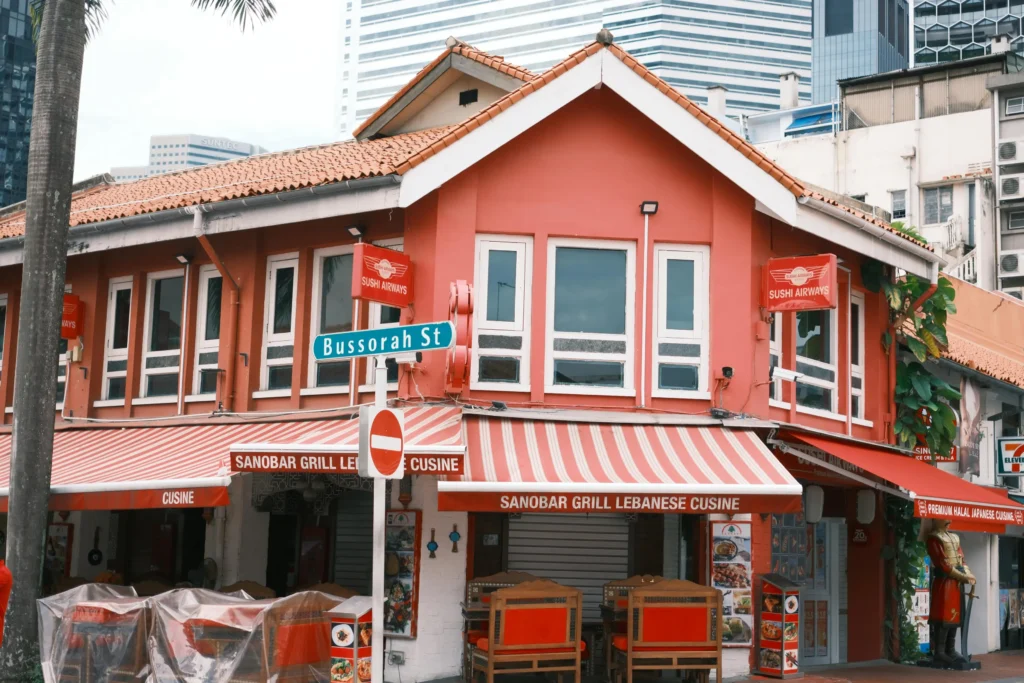
A menu tells you who a kitchen is before you taste a single thing. I have learned to read it slowly, the way you read a letter from someone you love.
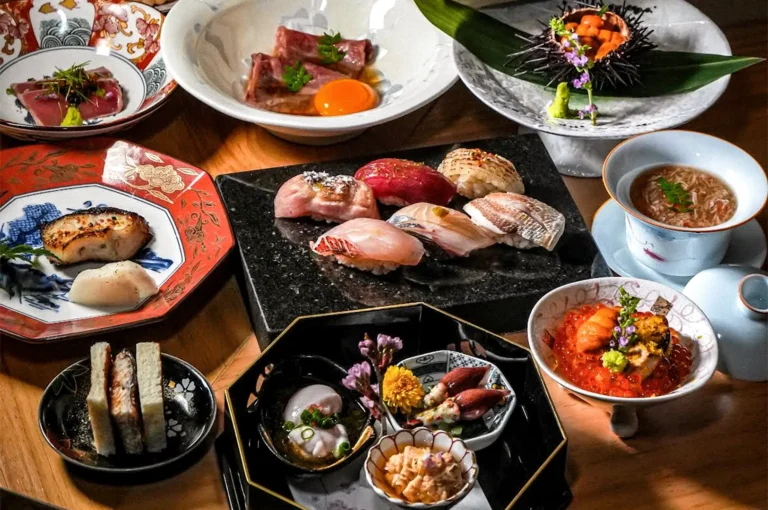
Some nights call for the careful architecture of tasting menus, where a chef walks diners through their thinking course by course, each plate a sentence in a longer story. Other nights ask for nothing more than good food eaten with your elbows on the table, somewhere casual enough that nobody minds if you order one more dish just because the smell from the next table convinced you.
Both can be the best. That is what makes restaurants in Singapore so difficult, and so wonderful, to understand. The city can serve you refined dishes in a fine dining room one evening, then hand you a plate of rich curry in Little India the next, both meals leaving a different kind of mark.
When I sit down hungry and tired, I want food that comforts rather than performs. When I am celebrating, I want to indulge a little. I want an array of dishes that feels thoughtful, not excessive. I want flavours that know where they come from, whether the cuisine is French, Indian, Japanese, modern Asian, or something that has traveled across London, Asia, and back again before landing on this island.
If you are planning dinner, here is what I would ask: does the menu sound like a person, or a committee? The exciting restaurants, the ones worth your evening, always sound like someone with a point of view.
What Singapore Restaurants Teach Us About Mood and Place
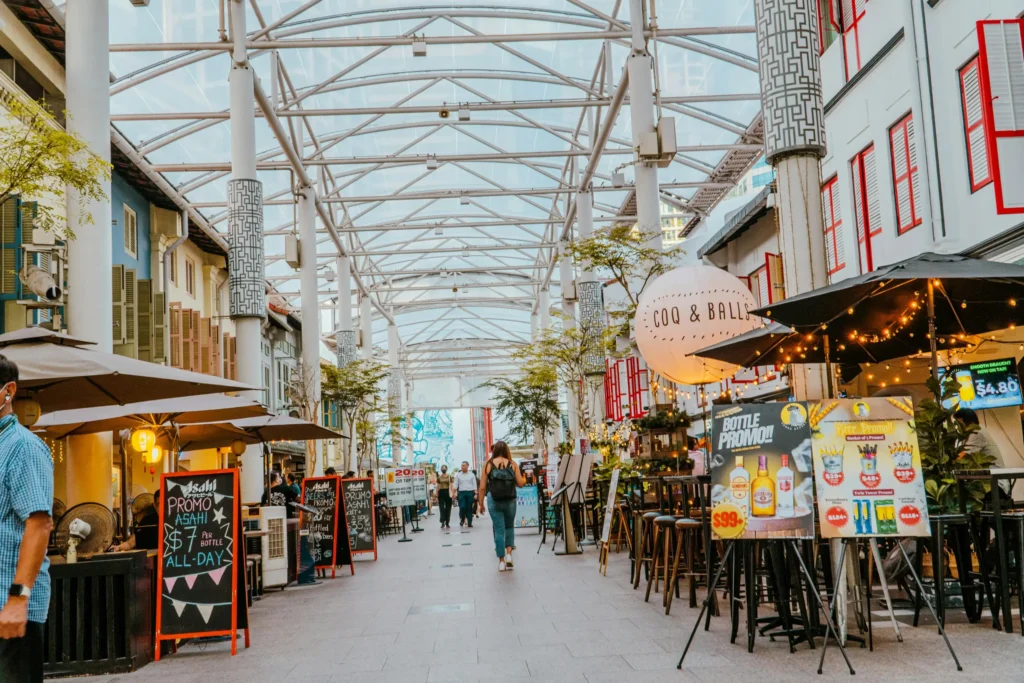
Walk into the main dining room and you will know within seconds whether the night will be tender or transactional.
I look at how the space breathes. Are the tables crowded shoulder to shoulder, or given enough room for conversation to settle? Is there a quieter corner on the second floor, away from the door, where the evening can deepen? Does the floor carry the easy movement of a confident team, or does the room feel like it is fighting itself?
The best singapore restaurants understand that surroundings are not decoration. They are part of the meal. Light, spacing, music, the weight of the chair, the curve of the glass, the way other diners sound when the room is full; all of it either wraps around you or pushes you out.
I once visited a one michelin starred restaurant with barely a dozen tables, and the silence between courses felt like a gift rather than an awkwardness. That is the sign of a venue that trusts itself. It does not need to shout. It simply lets the food, service, and space move together.
Why Restaurants in Singapore Are Never Just About Food
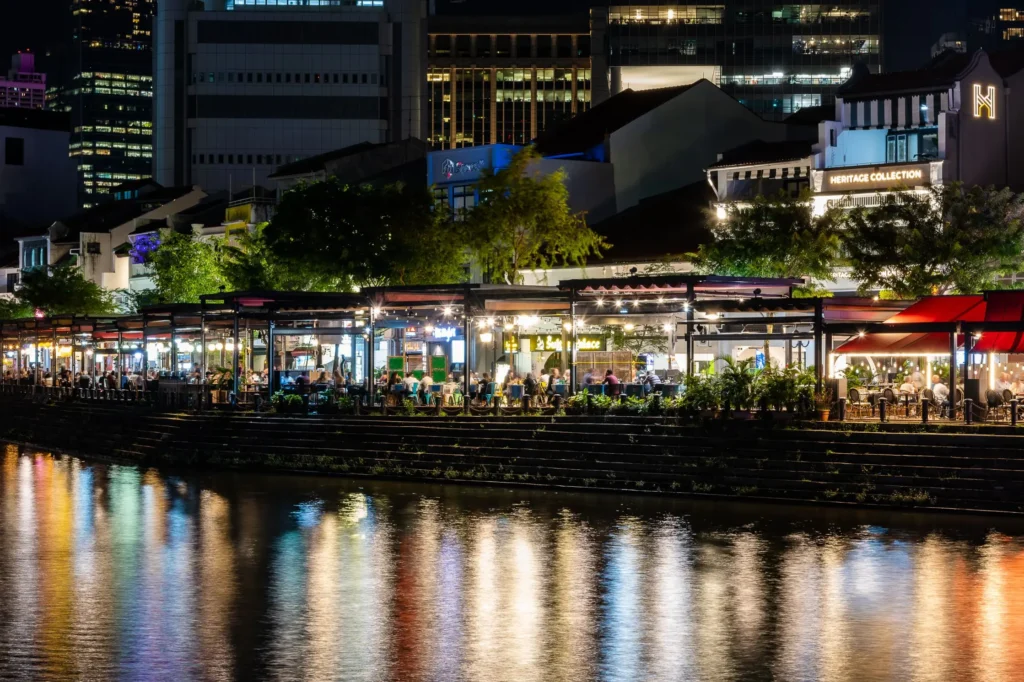
Where you dine in Singapore changes the flavour of the evening before the first dish arrives.
Up near Marina Bay Sands, the skyline does half the work, the sea-glass towers glittering while you eat. At National Gallery Singapore, dinner carries the hush of marble, history, and old civic grandeur. The National Gallery has a way of making a restaurant feel anchored, as if the city’s past has pulled up a chair beside you.
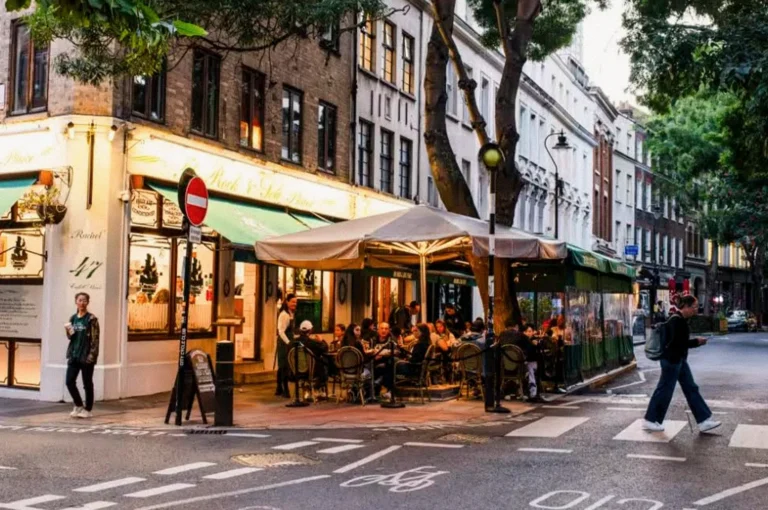
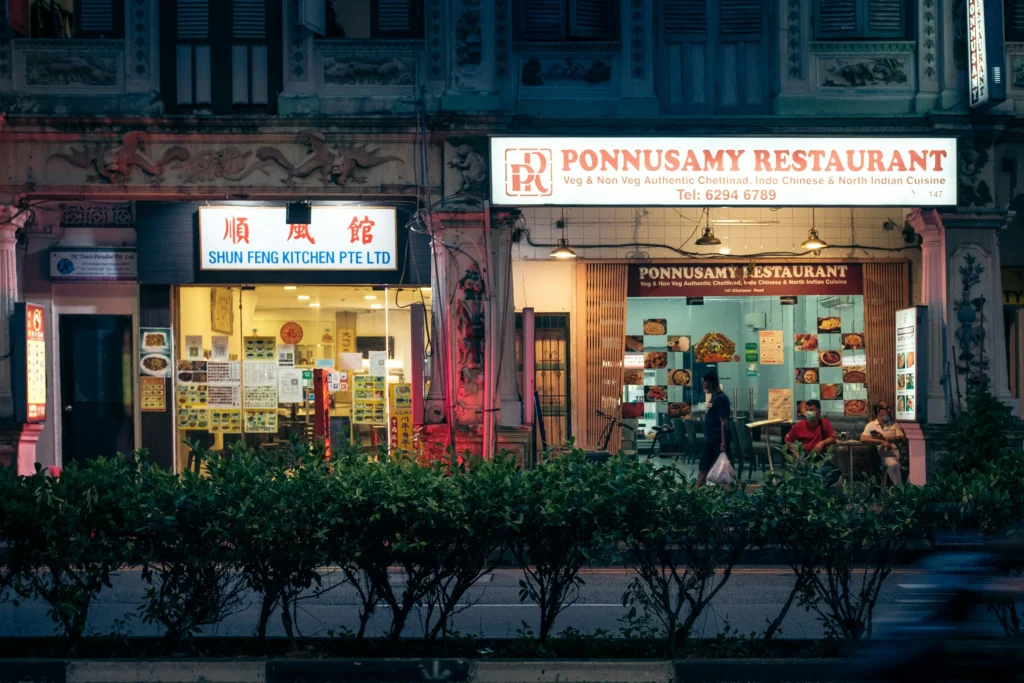
Holland Village offers ease, the kind of casual table where you linger past closing because the night feels soft around the edges. Little India hums with spice and colour, the smell of curry threading through the air. Tanjong Pagar buzzes with after-work energy, where restaurants and bars spill warmth onto the pavement. Como Orchard wears its polish lightly, giving diners a sense of modern city comfort without feeling too stiff.
None of these is better than another. They are simply different moods, different versions of the same city. The best location is the one that matches what your heart wants that night.
Price, Value, and What Feels Worth It
Let me be honest about money, because pretending it does not matter helps no one.
Singapore can ask a real spend of you. Tasting menus climb quickly, wine pairings add extra cost, and even a casual meal in town can add up once drinks, dessert, and service charges enter the picture. But value and price are not the same thing.
I have paid dearly for forgettable food and walked away from a humble plate of street food feeling like I had been handed the world. I have also had fine dining meals where every course felt justified, not because the dishes were complicated, but because they were precise, generous, and deeply considered.
What feels worth it, to me, is intention. A kitchen sourcing carefully. A team that cares. A room built with thought. A restaurant that knows whether it wants to comfort, impress, surprise, or treat you. Ask yourself before you book: am I paying for the food, the view, or the feeling? The best answer is usually all three, in balance.
Drinks and the Slow Prelude
I almost always begin at the bar. The best bars in this city treat a drink as the opening line of the evening.
A well-made craft cocktail tells you the kitchen pays attention, especially when the drink is complemented by small snacks or a first dish that quietly announces the direction of the meal. And no first night in Singapore feels complete without a Singapore Sling, that rosy, faintly nostalgic pour born in this city decades ago, a little piece of its history in a glass.
Sip slowly. Let the bartender’s hands set the tempo. The pacing of a good meal often begins long before you sit down to eat.
The Restaurants That Become Examples
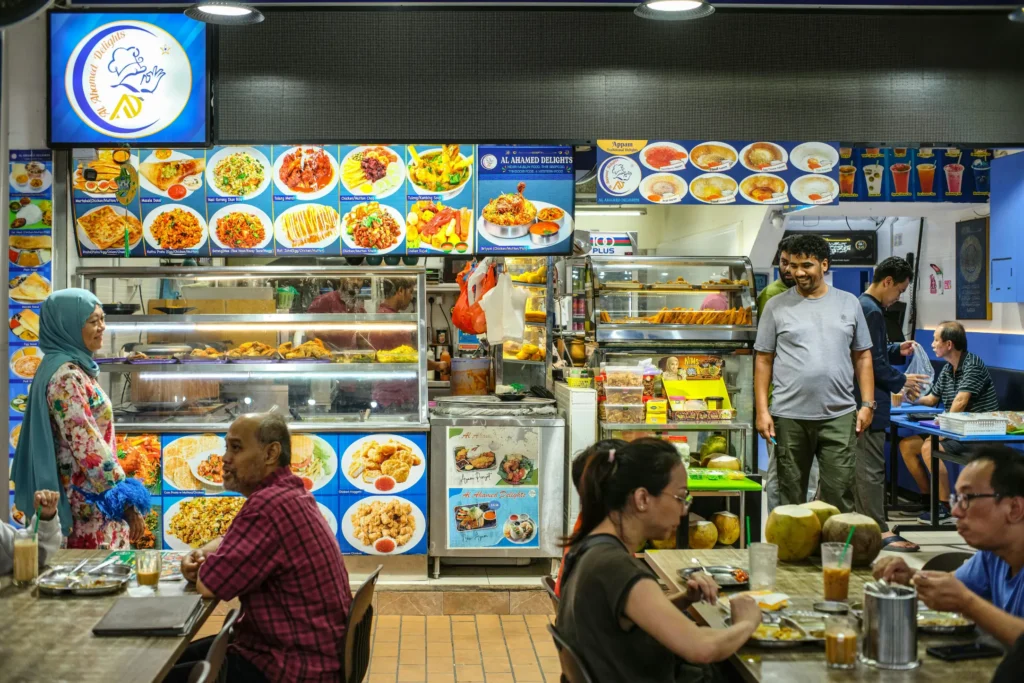
I do not think the best restaurant singapore experience can be reduced to a single name, but certain restaurants become examples of how a city eats, dreams, and performs.
Burnt Ends, for instance, shows how fire, smoke, and precision can turn a meal into theatre without losing its appetite. A polished French restaurant may remind you how restraint can still feel luxurious. A lively neighbourhood venue in Holland Village may show you that warmth matters more than perfection. A quiet room near the National Gallery may teach you how history can change the taste of dinner before the food even arrives.
The best restaurants are not always the ones that dominate every guide. Sometimes they are featured because they capture a particular moment in the city. Sometimes they endure for decades because locals keep returning. Sometimes they become event spaces, celebration rooms, or the place a family chooses when the occasion matters.
That is the range of Singapore dining. It can be elegant, noisy, intimate, global, local, rich, restrained, polished, or wonderfully messy. The joy is in learning how to discover what kind of night you are actually hungry for.
The Last Bite and What We Carry Home
Dessert is where a restaurant either lets you go gently or rushes you toward the bill.
I think of the meals I cannot forget, and it is almost always the ending that lingers. A spoonful of something cool and bright. The final sip of coffee. The slow gathering of coats while nobody quite wants to leave the table. That reluctance is the truest measure. The best restaurant singapore can offer is the one you do not want to walk away from.
This is also why one cuisine can hold a hundred different great nights. Our guide to the best Japanese restaurants in Singapore shows it well: a single tradition stretching from a quiet sushi counter to a lively izakaya, each one a complete experience in its own right.
So when you come to this island, do not chase a single name. Chase a feeling. Read the menu like a letter. Choose your neighbourhood like a mood. Let the team carry you through the night. Spend your evening where the room, food, service, and surroundings seem to understand one another.
There are many restaurants in Singapore, and the city will always offer another place to dine, another dish to taste, another table to book, another feast to remember. Discover your own definition of best among its endless flavours; and then, when you leave, let yourself miss it a little.
That ache is how you know the meal was real.