Samantha Duan
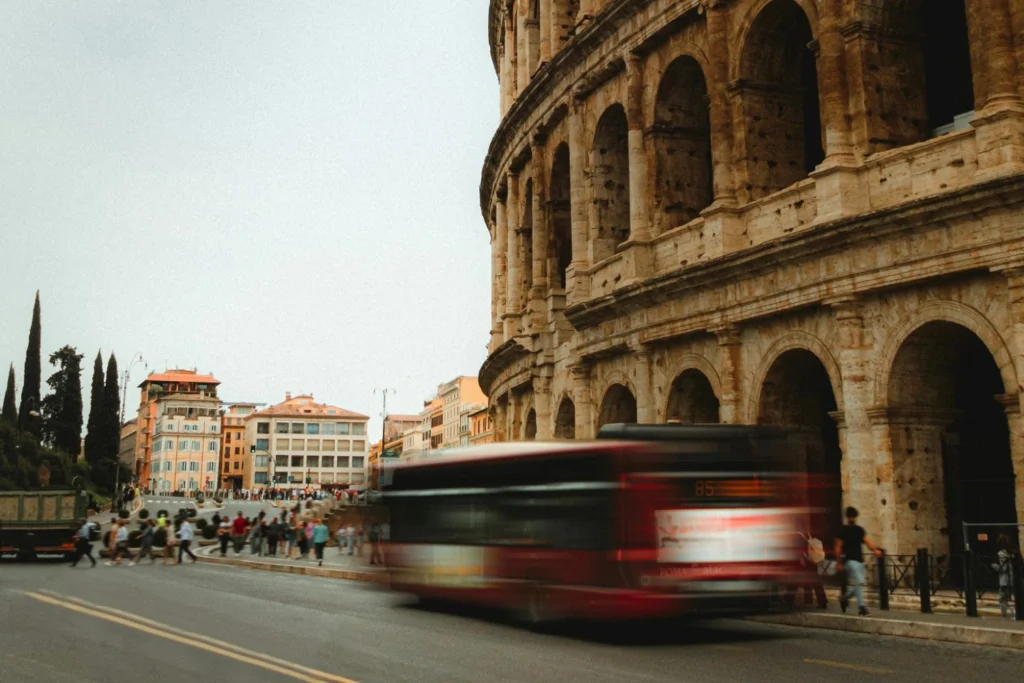
The bus stop near Largo di Torre Argentina glowed amber in the late afternoon. Rome in December smells of roasted chestnuts and rain on old stone, and the cold air carried all of it at once. String lights swung above the street. My family clustered behind me, scarves wound high, my mother pointing her phone at every lit window, my younger brother bickering with my father about whether we had time for one more espresso. They laughed. They wandered. I counted heads.
That is the quiet arithmetic of being the eldest daughter. While they took photos, I held the map in my head: which bus, which direction, how many stops to the Pantheon, where the tickets were tucked in my coat pocket. The 64 hissed to the curb, doors folding open, and I shepherded everyone up the steps before the crowd swallowed the gap.
Inside, packed shoulder to wool shoulder, I noticed her.
A woman about my age, maybe a little younger, gripping the rail with one gloved hand and a tote bag with the other. Two elderly parents beside her, a teenage sister scrolling, a small niece tugging her sleeve. Her eyes moved like mine did, sweeping over each family member, recounting, recalculating. When the bus lurched, she flinched toward the niece first, herself second. I knew that flinch. I lived in that flinch.
“You Singaporean, right?” I said, the accent giving us both away. She let out a breath that was half laugh, half relief.
“Ya, how you know,” she said. “We so blur, dunno where to alight.”
“You validated the tickets already? The little machine, must stamp, otherwise kena fine,” I said. “Watch for the stop after the next one, near the big columns. Press the red button early, the driver won’t stop otherwise. When it’s this packed, just start moving to the door one stop before. Slowly squeeze, people will let you through.”
She nodded fast, repeating it under her breath like a checklist. Stamp. Red button. Move early. I recognized that, too. The mental rehearsal so nobody gets left behind. The way the whole trip somehow becomes your responsibility, even on holiday, even an ocean away from home.
For a moment we just stood there, two strangers holding the same invisible weight. Her parents chatted, oblivious and content. Her niece pressed her face to the foggy window. The engine hummed beneath us, the recorded voice announcing the next stop in soft Italian none of us fully understood. And I thought: this is the inheritance no one names. The eldest daughter learns the bus routes. She holds the tickets. She worries enough so everyone else can be carefree.
Her stop arrived. She gathered her family with a practiced sweep of her arm, then turned back. “Thank you ah. Really.” The doors closed on her small, tired smile.
My family was still laughing about something I had missed. And for once, I let myself not ask what. I leaned back against the rail and watched Rome slide past the window, gold and wet and humming, the columns lit up like something half-remembered.
The stamped ticket was still warm in my pocket. I held it loosely now, the way you hold something you trust will get you there. Care is not the same as control. Maybe I could keep one and loosen the other. The button glowed red near the door, waiting. Not yet. A few more stops. I let the city carry us forward, and I let myself simply ride.