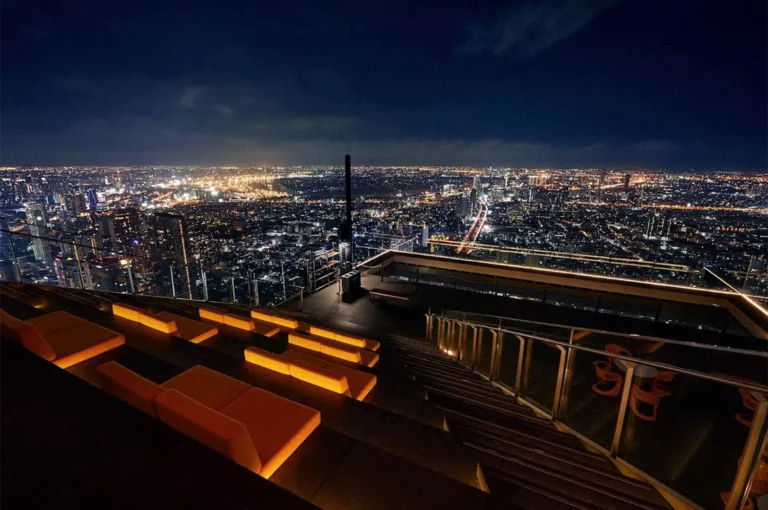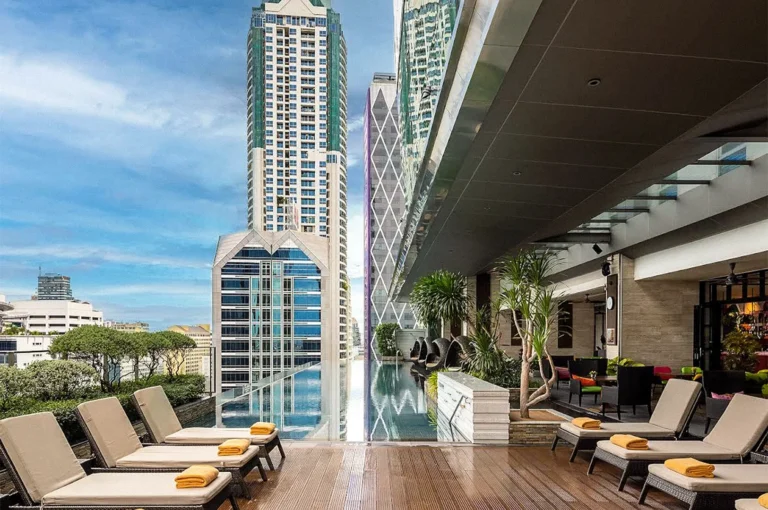
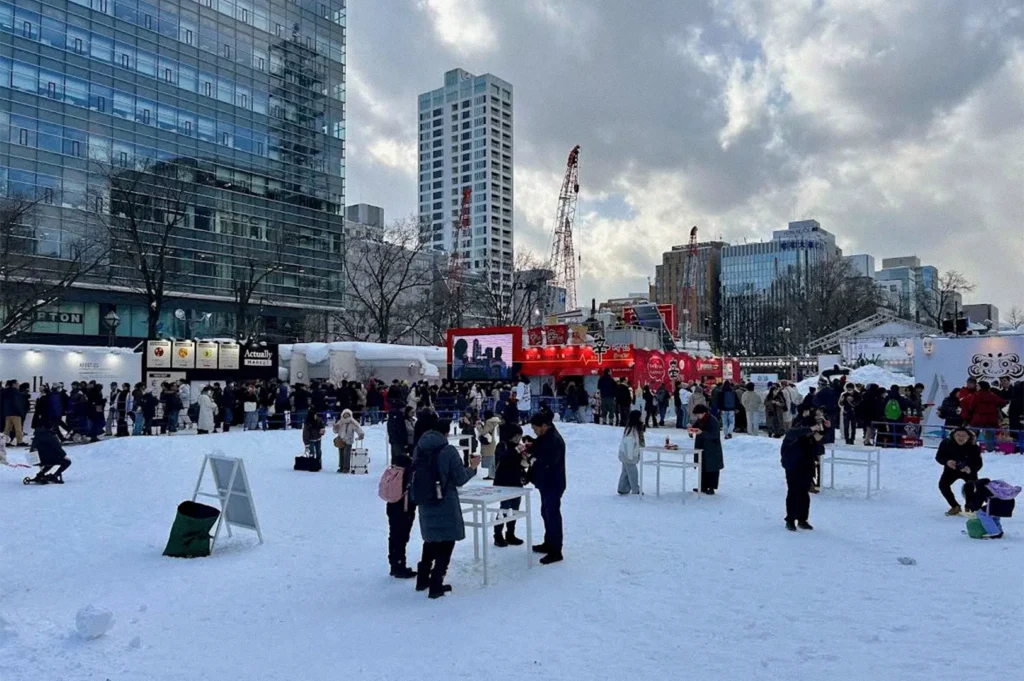
In winter, the cold reaches you first. Dry snow squeaks underfoot, your breath clouds in the air, and a bowl of miso ramen steams on the counter in front of you. During this season you can witness and see the Sapporo Snow Festival, and you can see for yourself the culture in Hokkaido Japan.
In summer, the same island smells of cut grass and lavender. Flower fields roll out in long purple and red stripes, and mountain trails open above the treeline. This season you will be able to bask in the natural beauty of this island.
That contrast is the first thing to understand when planning a trip. The things to do in Hokkaido change so much by season that it can feel like two destinations sharing one map. This guide sorts the island by season on when you plan to visit. It covers what each place offers, who it suits, a ski resort hotel worth considering, and the restaurants and dishes I would plan a day around.
Hokkaido is Japan’s second largest island, and Sapporo is only one city on it. Distances are real here. Choosing well matters more than seeing everything.
Winter in Hokkaido: Explore Sapporo’s Markets, Museums, and Winter Celebrations
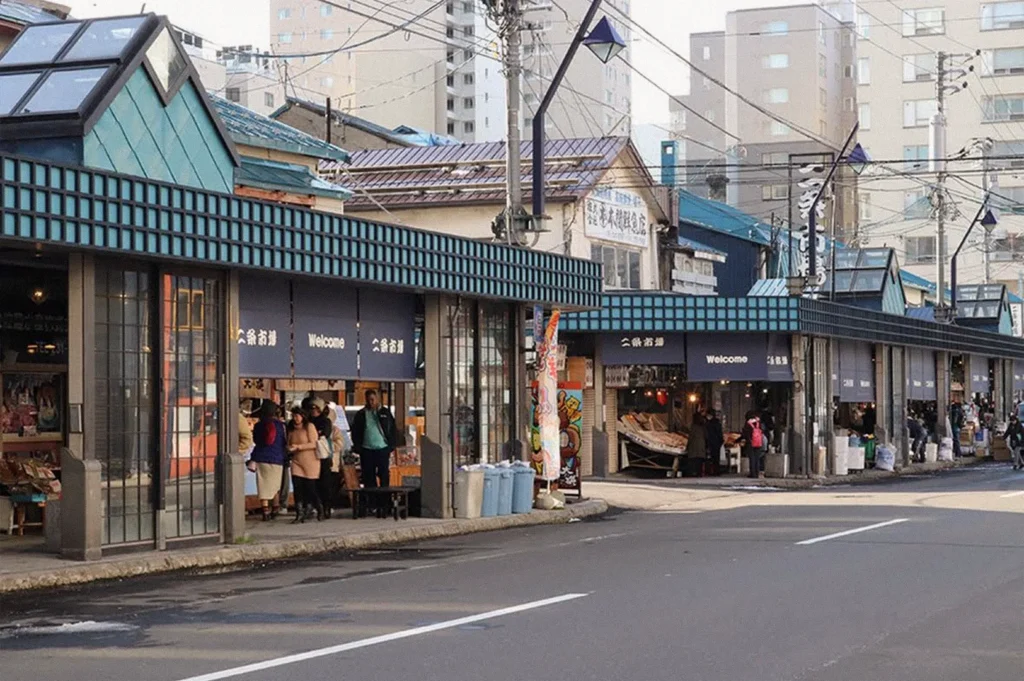
Most trips begin in Sapporo. It is easy to reach from New Chitose Airport by train, and the city centre is compact enough to walk. This city is easy to navigate making it a must-visit hokkaido destination for first-time visitors.
Odori Park runs east to west through the middle of the city. In early February, it becomes the main site of the Snow Festival, lined with large snow and ice sculptures that are lit after dark. At the eastern end, the Sapporo TV Tower has an observation deck with views along the park. The Sapporo Clock Tower is a short walk away. It is small and quick to visit, so treat it as a stop along the way rather than a destination.
Nijo Market is a cluster of seafood stalls and small eateries near the centre. Mornings are the calmest time, when the counters fill with crab, scallops, salmon roe, and, in season, sea urchin. A seafood bowl here works well as a late breakfast.
Ramen Alley (Ganso Ramen Yokocho) is a narrow lane in Susukino lined with small ramen shops. It is a collection of businesses, not one restaurant. Each has its own style and its own queue.
The Sapporo Beer Museum sits in a red-brick building a little outside the centre. It tells the story of brewing in Hokkaido and offers tasting options. Tour formats and booking requirements change, so check before you go.
Who it suits: first-time visitors, food-focused travelers, and anyone arriving in winter who wants culture and comfort without driving.
Summer in Hokkaido: Stepping into a Fairytale to See the Blue Pond and Furano’s Lavender Fields
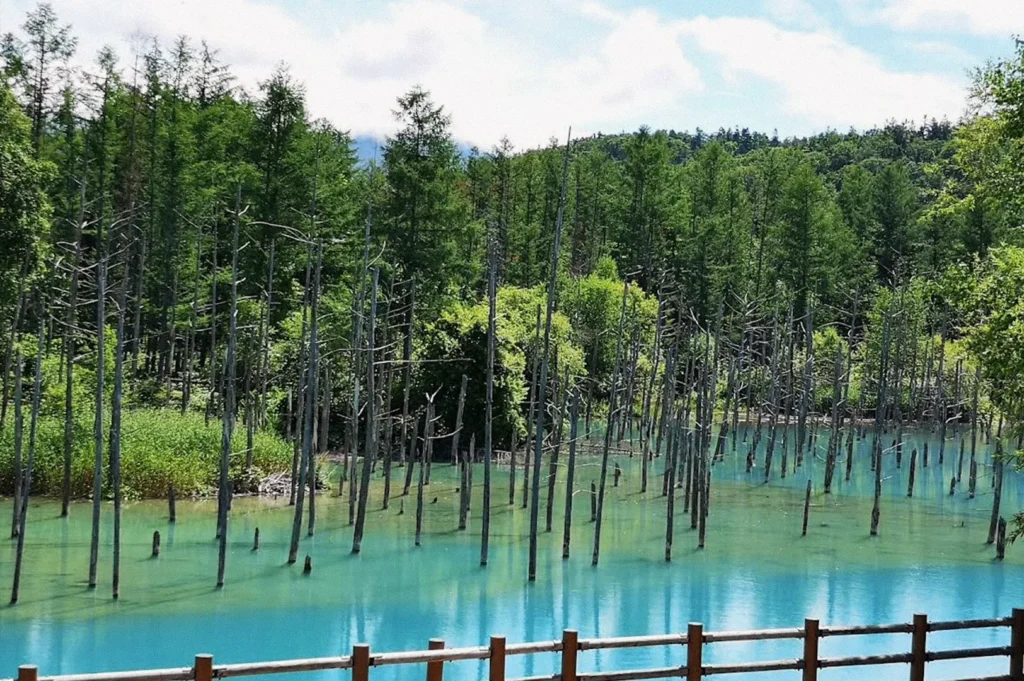
Biei and Furano sit in central Hokkaido, a few hours from Sapporo. You can attempt them in a long day, but most travelers find an overnight stay more relaxed. You can enjoy the stunning scenery of the flowers especially the lavenders during this season.
The Shirogane Blue Pond near Biei gets its color from minerals in the water, and the shade shifts with the weather and season. Dead larch trees stand in the water, which gives the pond its quiet, slightly unreal look. Nearby Shirahige Falls spills into the river below, and the two are easy to pair.
Farm Tomita in Nakafurano is the best-known of the region’s flower farms. Lavender typically peaks in July, but the farm plants other flowers that extend the season. Lavender ice cream is a common summer treat here, gently floral and cool on a warm afternoon.
Around Furano, the Furano Cheese Factory and Ningle Terrace, a cluster of small craft shops among the trees, offer slower stops between fields.
Who it suits: summer travelers, photographers, and anyone comfortable driving or planning around seasonal train services. In winter, the scenery is quieter and snow-covered, and Furano becomes a ski town.
Fall in Hokkaido: Exploring the Daisetsuzan National Park
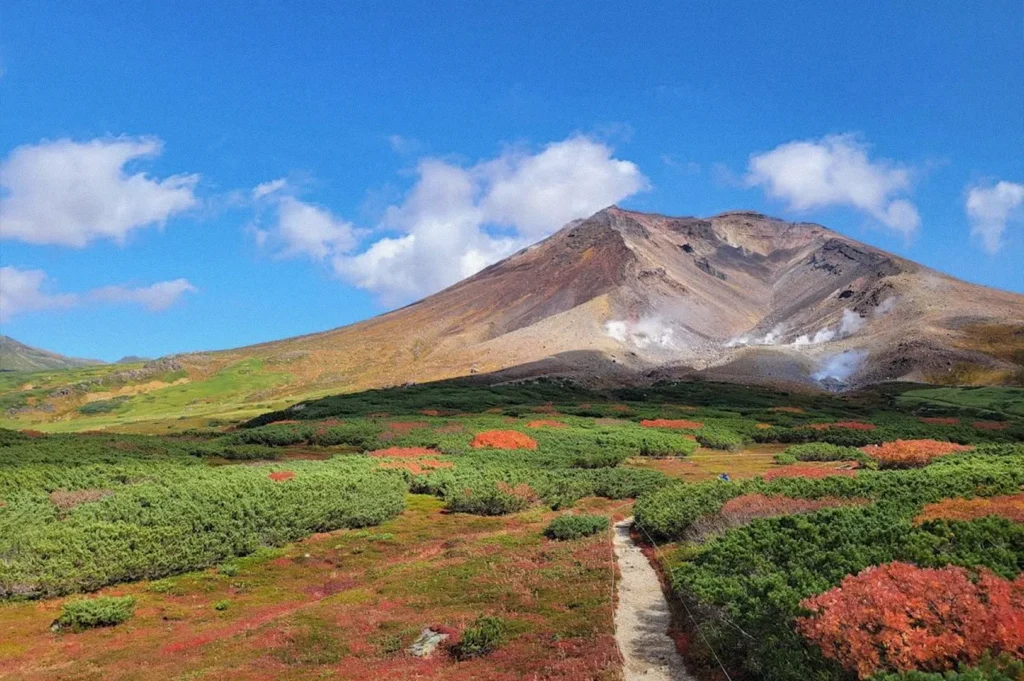
Daisetsuzan National Park is Hokkaido’s mountain heart, a wide area of volcanic peaks, alpine plants, and long trails. The Asahidake area is a common starting point, with a ropeway that lifts you toward walking routes. Spectacular views can be seen as you walk through the trail, this is perfect if you are looking for outdoor adventures to do during your Hokkaido visit.
Hiking is generally best from July to September. Weather here changes quickly, even in summer, and snow can linger on higher trails. Bring layers, check conditions on the day, and choose routes that match your experience.
This is not a quick detour. Plan at least one night nearby, ideally in Asahikawa or one of the park’s hot spring villages.
Bite into Every Season: A Taste of Hokkaido Year-Round Adventures
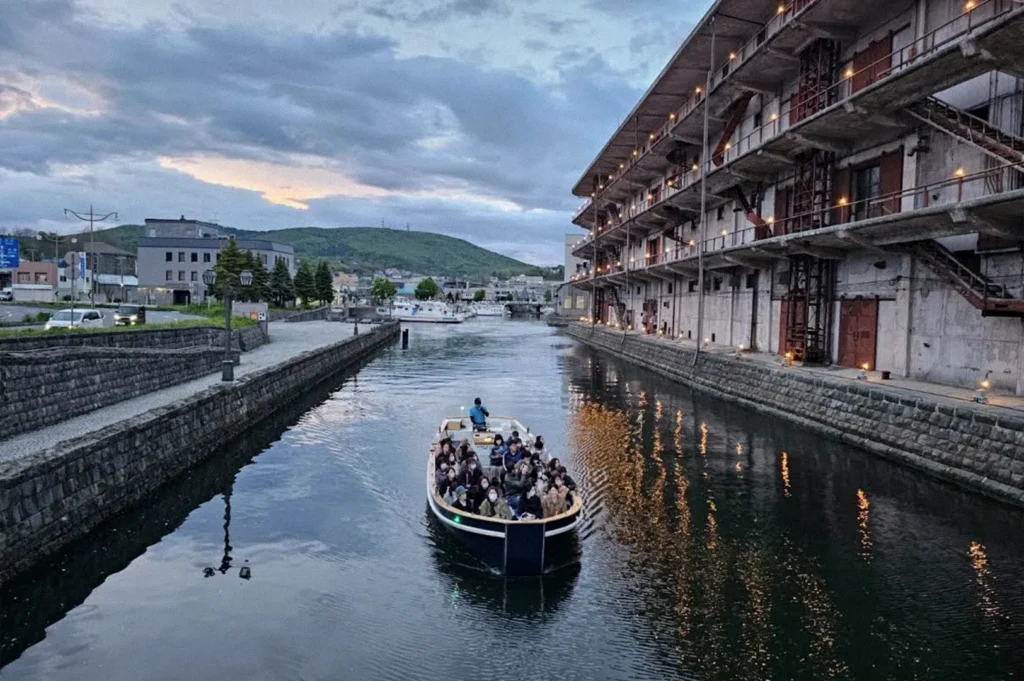
Visit Otaru Canal and Enjoy the Port City’s Food
Otaru is the easiest day trip from Sapporo, reachable by JR train in under an hour. It works in any season.
The Otaru Canal is lined with old stone warehouses, and it is quietest early in the morning or around dusk when the gas lamps come on. Nearby, Sakaimachi Street is known for glassware shops and the Otaru Music Box Museum, where you can listen to and browse hundreds of music boxes.
As a port city, Otaru is generous with seafood. The Sankaku Market beside the station is a small collection of fish stalls and casual counters, practical if you arrive hungry.
Plan a Visit to Asahiyama Zoo
Asahiyama Zoo is in Asahikawa, Hokkaido’s second-largest city and a practical gateway to Biei, Furano, and Daisetsuzan. The zoo is known for enclosures that let visitors watch animals from close, thoughtful angles. In winter, its penguin walk draws families.
While you are in Asahikawa, Asahikawa Ramen Village gathers several local ramen shops under one roof, a useful way to try the city’s soy-based style. Sake lovers may also want to look into the Otokoyama Sake Brewery, a long-established brewery in the city.
Enjoy Hot Springs Around Hell Valley
Noboribetsu is one of Hokkaido’s best-known hot spring towns, south of Sapporo and reachable by JR limited express. Because of Japan’s location it has plenty of active volcanoes and those volcanoes are what makes the hot springs hot.
Jigokudani, or Hell Valley, is a volcanic crater of steam vents, sulfur-yellow rock, and bubbling pools, crossed by wooden walkways. The smell of sulfur stays with you. A walking trail continues to Oyunuma, a steaming pond, and onward to the Oyunuma River Natural Footbath, where warm water runs through the forest. Trail access can be limited in winter or after bad weather, so check before you set out.
Many ryokan here offer rooms with tatami flooring, where futon bedding is laid out for you in the evening. If you prefer a raised bed, look for a Western-style or combined room when booking.
Where to Stay for a Hokkaido Ski Holiday
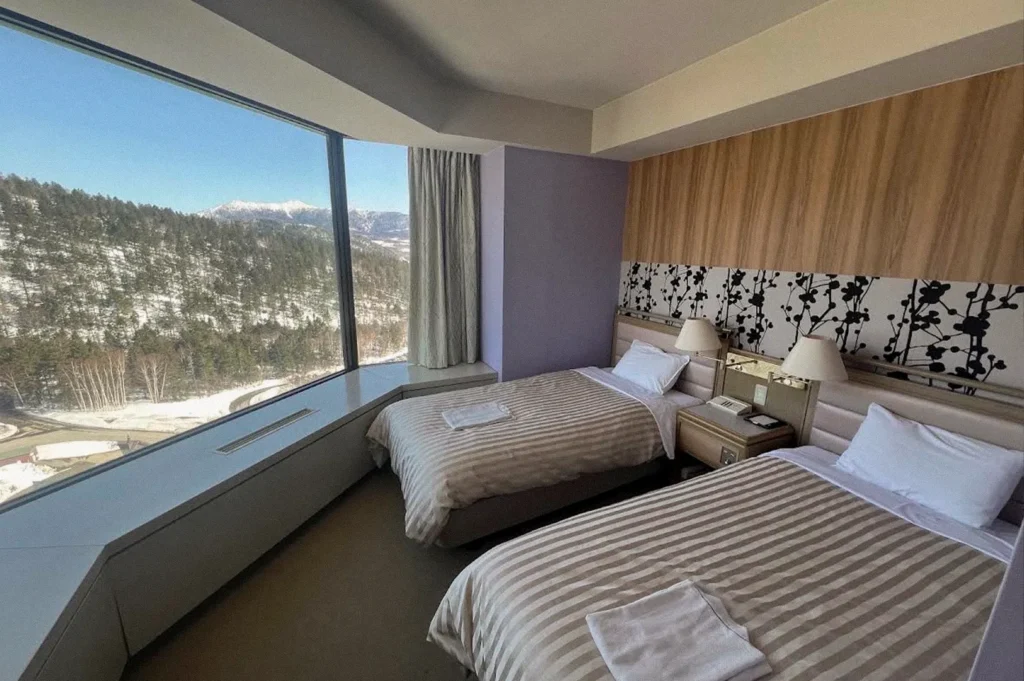
For a winter trip built around snow, Tomamu The Tower by Hoshino Resorts is a practical choice. It sits within Hoshino Resorts Tomamu in Shimukappu, central Hokkaido, and is located in the heart of the resort near its restaurant street and outdoor activity centre.
Getting there: Take a JR limited express train to Tomamu Station, then a free resort shuttle, about five minutes to The Tower. Tickets cannot be purchased at Tomamu Station, so buy them in advance.
The skiing: The ski area spans two mountains, with 29 courses and a longest run of 4,200 meters. The official resort describes the slopes as directly connected to its hotels. There are lessons for different levels and courses designed for children, which makes it a good fit for beginners and families. The 2026–2027 ski season is scheduled from December 1 to April 5.
Costs to plan for: Accommodation is generally booked separately from lift passes, rentals, and lessons. The resort offers packages that bundle a lift ticket, so compare those before booking each piece on its own.
Beyond the slopes: The resort has more than 20 restaurants. Activities include snowmobiling and the Ice Village, a small winter settlement of ice domes that appears only on cold nights. It is tentatively scheduled from December 20, 2026, to March 10, 2027. Mina-Mina Beach, an indoor wave pool, offers a warm break. In summer, the resort shifts toward the Unkai Terrace, where you may see a sea of clouds on the right morning.
Who it suits: families, beginner and intermediate skiers, and non-drivers who want everything in one place.
One honest caveat: Tomamu is not a convenient base for the rest of Hokkaido. Treat it as a dedicated stop of a few nights, then move on to Sapporo or elsewhere.
Restaurants and Local Dishes Worth Planning Around
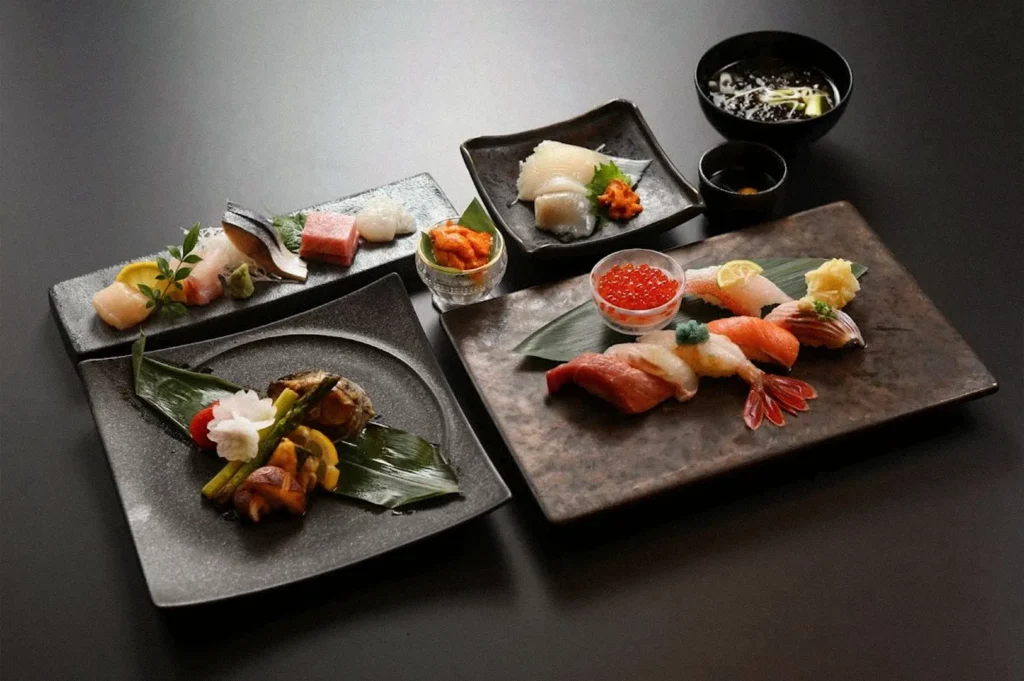
Hokkaido’s food is shaped by cold winters, cold seas, and good farmland. These are the places and dishes I would plan around.
Ramen Shingen (Sapporo): A well-known miso ramen shop, a short ride from the centre. Rich, warming bowls. Queues are common in the evening, so go earlier if you can.
Sapporo Beer Garden (Sapporo): Beside the Beer Museum, known for jingisukan, grilled lamb cooked on a domed pan at your table. Reservations are sensible, especially on weekends.
Masazushi (Otaru): A long-established sushi restaurant on Otaru’s sushi street, a calm place for a more considered seafood meal.
Forest Restaurant Nininupuri (Tomamu): A buffet restaurant within the resort, with tall windows facing the forest. It suits families after a full day outdoors.
For more casual eating, Nijo Market, Ramen Alley, and Asahikawa Ramen Village each gather several small businesses in one spot. They are easy to fit around sightseeing.
If you are craving for more Japanses food while back home in Singapore like me, you can check our best Japanese restaurant article.
After a cold afternoon in Sapporo, a bowl of miso ramen makes a practical dinner. Choose a shop close to your evening route rather than crossing the city for another queue.
And if Tokyo is also on your Japan itinerary, explore its late-night spots for a different side of Japanese dining, from cozy izakayas to lively drinking streets.
How to Plan a Realistic Hokkaido Trip
Transport shapes what to do in Hokkaido as much as season does. Public transport is available and car rental is also an option if you have plans to do a road trip around the island.
By train: JR limited express trains connect Sapporo with Asahikawa, Noboribetsu, Tomamu, and other major towns. Since March 14, 2026, all seats on Hokkaido limited express trains are reserved, so book ahead. The Hokkaido Rail Pass covers key routes, and regional passes such as the Sapporo-Furano Area Pass and Sapporo-Noboribetsu Area Pass may suit shorter trips.
About the bullet train: The Hokkaido Shinkansen does not reach Sapporo. It currently runs to Shin-Hakodate-Hokuto in the south, where you would change to a limited express.
By car: Renting a car makes Biei, Furano, and the lakes far easier, especially in summer. You will need a valid International Driving Permit or an accepted translation of your license. Winter is different. Roads can be icy, snowfall can reduce visibility, and daylight is short. If you are not used to snow driving, trains and resort shuttles are the calmer choice.
Beyond the Beaten Track: When to Add Eastern Hokkaido
If you have more time, eastern Hokkaido offers wide wetlands and quieter lakes. Lake Akan is home to an Ainu community, Akanko Ainu Kotan, where crafts and performance continue today. It is far from Sapporo, though. Save it for a second trip, or a longer one built around it.
Choose Less, Notice More
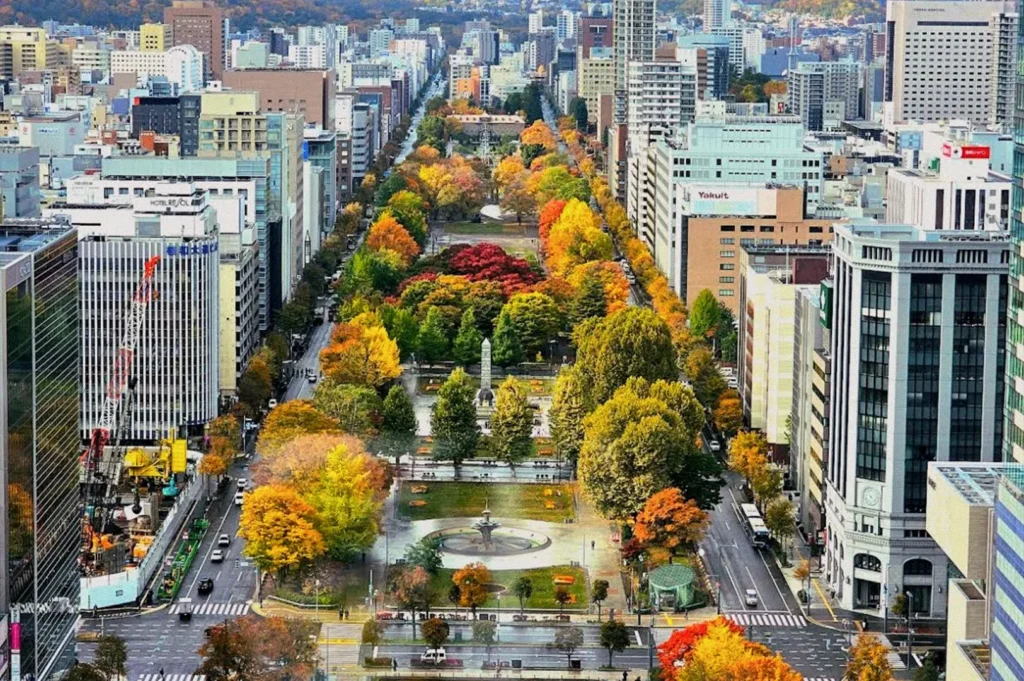
Hokkaido rewards people who leave room in their plans. The things to do in Hokkaido, Japan, could fill months, and no single trip will hold them all.
Pick a season. Pick two or three areas. Let the trains, the weather, and your appetite set the pace.
And when the cold comes in off the street, sit at the counter a little longer. The ramen will still be warm.