Samantha Duan
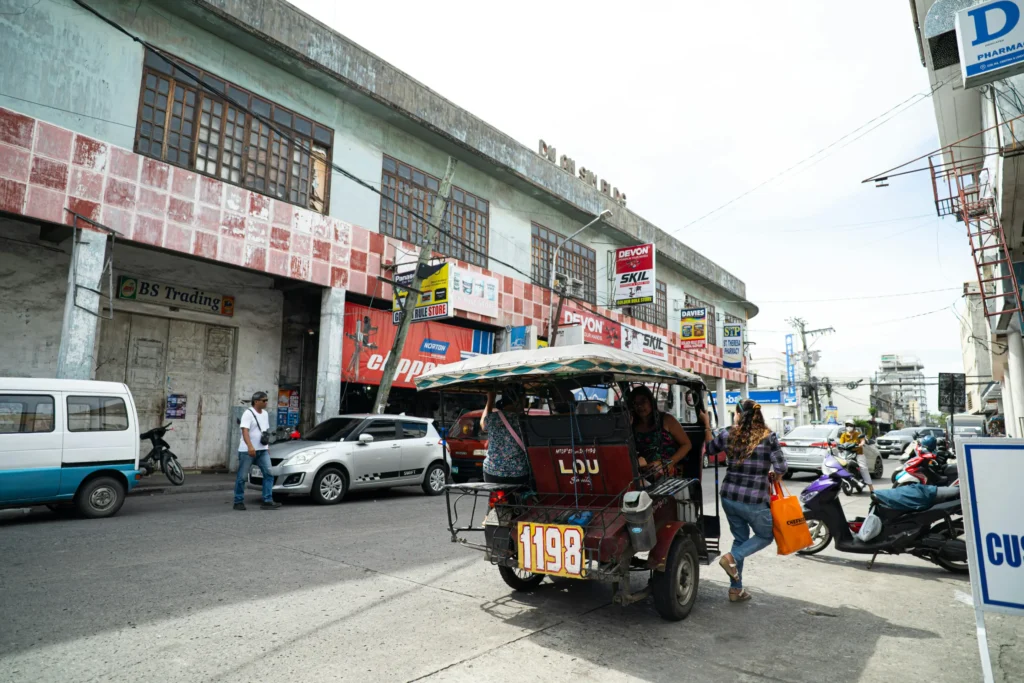
The air in the Philippines was heavy, thick with the scent of sea salt, crushed mango leaves, and the sharp tang of diesel exhaust. Distant karaoke bass thumped softly through the humid afternoon, mingling with the sudden, brief downpours that drummed against corrugated tin roofs. Sitting on the concrete steps of my Airbnb, I felt that familiar, quiet ache settling in my chest; the paradox of loving a place that wears its struggles so openly. I travel to be moved, but I always brace myself for the inevitable breaking.
She appeared on my second day, a girl of about eight with perpetually scraped knees and an oversized, faded basketball jersey. She lingered by the rusted iron gate, tracking my movements with dark, observant eyes. The metallic clink of coins in her pocket announced her before she even spoke.
“Change, miss?” she asked. Her voice was bright, lacking the practiced melancholy I had seen in other cities.
I reached into my bag, feeling the sudden, heavy guilt of my own mobility, and pressed a few silver pesos into her palm. I expected her to run off, but instead, she stayed.
It didn’t stop at coins. By day four, she wasn’t just waiting for pesos; she was waiting for me. She had decided my name was too formal, shortening it with a gap-toothed grin. “Sammie!” she would call out, running up the narrow street as I returned from the market.
We fell into a gentle, unspoken ritual. I would buy warm pandesal from the corner bakery, and we would sit together on the shaded steps. She wasn’t a tragic symbol of hardship; she was just a kid, vibrant and fiercely humorous. She told me animated stories about a legendary neighborhood stray dog that supposedly understood Tagalog, her laughter echoing against the cinderblock walls. As she talked, she would casually toss her gathered coins from one palm to the other—clink, clink, clink—a soundtrack to our afternoons.
I often wonder why I keep returning to places that crack me open this way. There is a profound, uncomfortable moral tension in passing out loose change, knowing perfectly well it doesn’t dismantle the towering systems that keep a child lingering at a tourist’s gate. Yet, in those humid afternoons, the coins weren’t a savior’s solution; they were simply an excuse to sit together. The joy of these connections, however, is always shadowed by the reality of my passport. I get to leave. The deep affection I felt for her was genuine, but my ability to walk away made it a luxury.
On my final morning, the tricycle idled at the curb, its engine sputtering through the morning heat. She stood by the gate, her posture lacking its usual bouncy energy. I crouched down to her eye level, pressing the very last of my silver pesos into her small, warm hand.
“Bye, Sammie,” she said softly, closing her fingers over the metal.
“Take care of yourself,” I whispered. The words felt horribly inadequate, small and hollow against the vastness of her future.
I climbed into the sidecar. As we pulled away down the dusty street, I watched her in the rearview mirror until she was just a blur of color. I couldn’t hear the clink of the coins over the roaring engine, but I could feel their exact weight in my own empty pockets—heavy with the things we leave behind, and the debts we can never quite pay.