The morning came in gray off the water, the kind of light that hadn’t decided what it wants to be yet.
I found the stall by following the steam. It rose from a pot near the curb, curling up into the salt air that Lima carries in from the sea even here, blocks from the shore. Tiled floor underfoot, worn pale in the middle from years of the same steps. Voices, low and unhurried. Somewhere behind me, a truck downshifted.
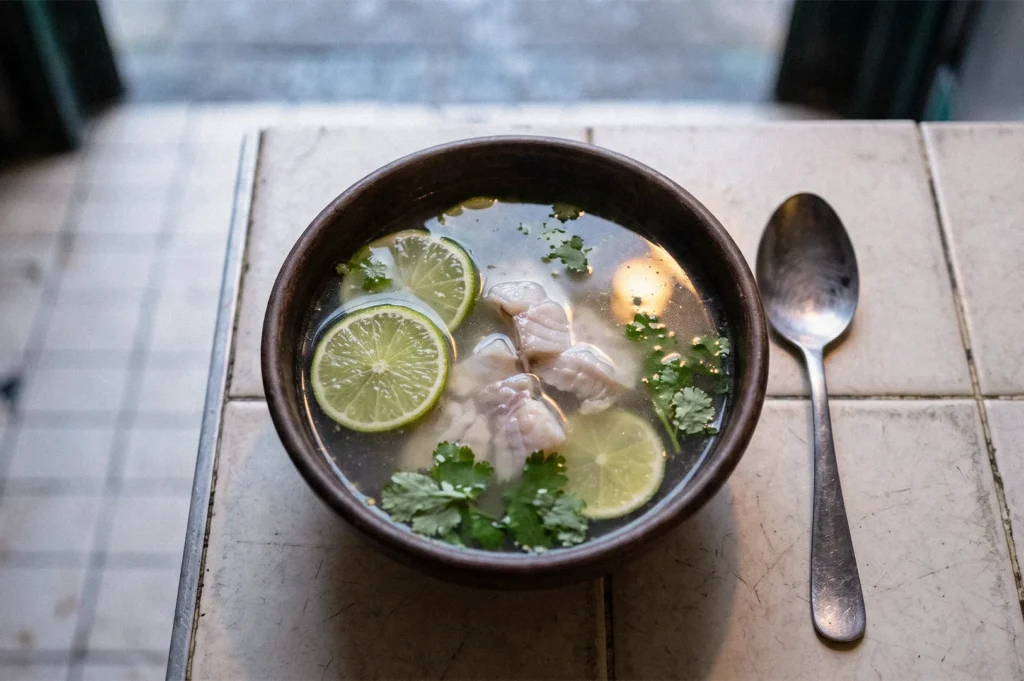
A woman ladled broth into a bowl and set it in front of me without ceremony. Fish, lime, something green and sharp. The citrus hit first, bright enough to wake you.
I ate slowly. She wiped the counter, refilled a jar, said something to a man reading a paper folded into quarters.
“You like it?” she asked, not really waiting for the answer.
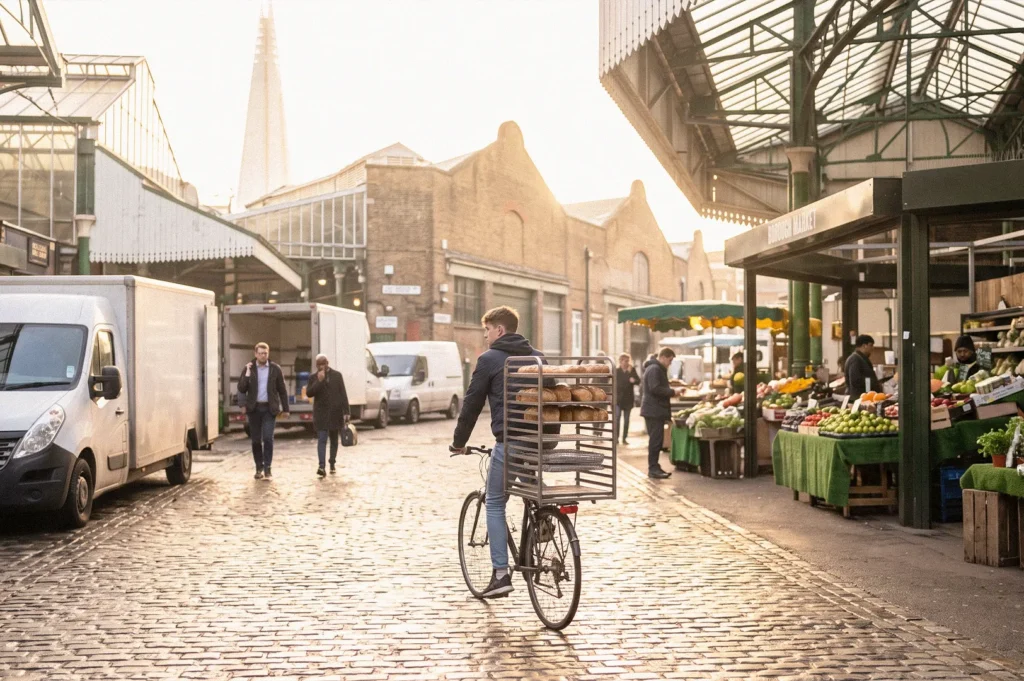
I said yes. I said I’d read that people came from all over now, for the food here, the same way hundreds of people flock to London’s Borough Market daily.
She shrugged. Not rudely. Just the shrug of someone who has heard this before and finds it a little funny.
“We’ve always eaten this,” she said. “My mother. Her mother.”
That was all. She turned back to the jar.
But something in the way she said it stayed with me. There was no pride in it, and no need for any. It was just true, the way the tide is true. This food wasn’t a discovery to her. It was breakfast.
I sat with that for a while.
It’s a strange thing, to watch the world call something extraordinary while the person holding the ladle calls it Tuesday. We arrive somewhere, taste something, and feel we’ve found it. As if it began the moment we noticed.
But the broth in my bowl had a longer memory than that. It carried the sea and the market and the hands of people I’d never meet. It was already whole before I sat down. It didn’t need me to name it.
Months later, back home, I came across a Global Dining Trends think piece on Lima, and it said the thing I’d been circling since that morning. That the city’s food rose not by looking outward for approval, but by looking down at what was already in its own hands. The ingredients. The migrations. The kitchens that never stopped cooking while the rest of us caught up.
I’d felt it before I had the words for it. That’s usually how it goes.
The woman at the stall wasn’t waiting for anyone to write about her broth. She was making it because it was morning and people needed to eat. The recognition came later, from outside, and it changed nothing about the way she held the ladle.
I finished the bowl. Set down the spoon.
Around me the street had begun to fill; a boy carrying bread, a woman unlocking a shutter, the man with the folded paper ordering a second helping of ceviche. The pot kept steaming. The day went on the way it had gone on long before I showed up to notice it.
I paid and stepped out into the light, which had finally decided to be morning.
And I keep thinking about it, even now. How much of what we call discovery is just us, arriving late.