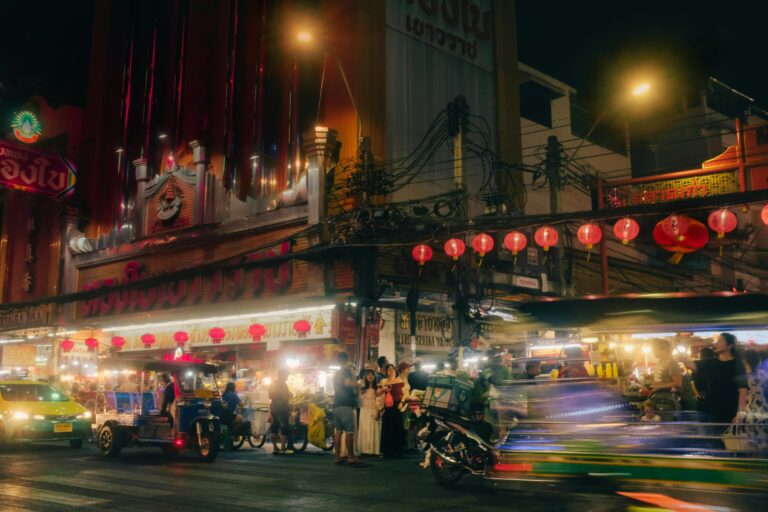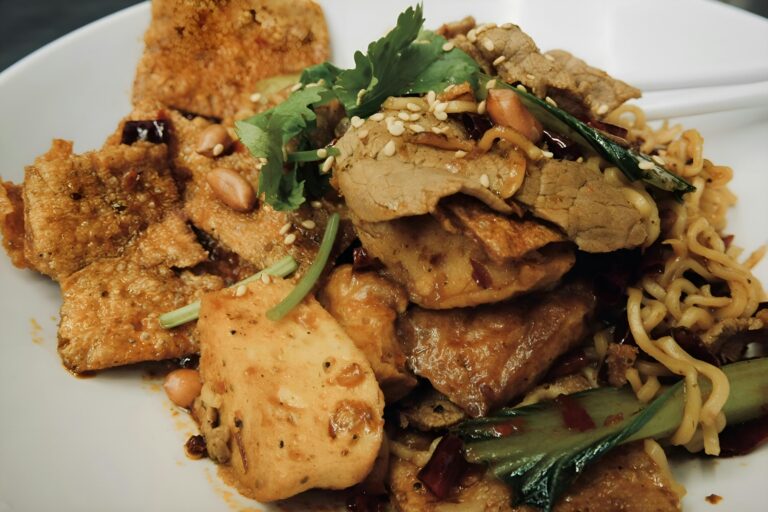
As golden hour settles over Beijing, the city’s culinary soul awakens. In the ancient hutong alleyways, steam rises from street-side woks, carrying the scent of star anise and sizzling garlic. The low hum of bicycles gives way to the murmur of evening diners gathering around weathered wooden tables. This is where Beijing whispers its culinary secrets, in recipes passed down through generations.
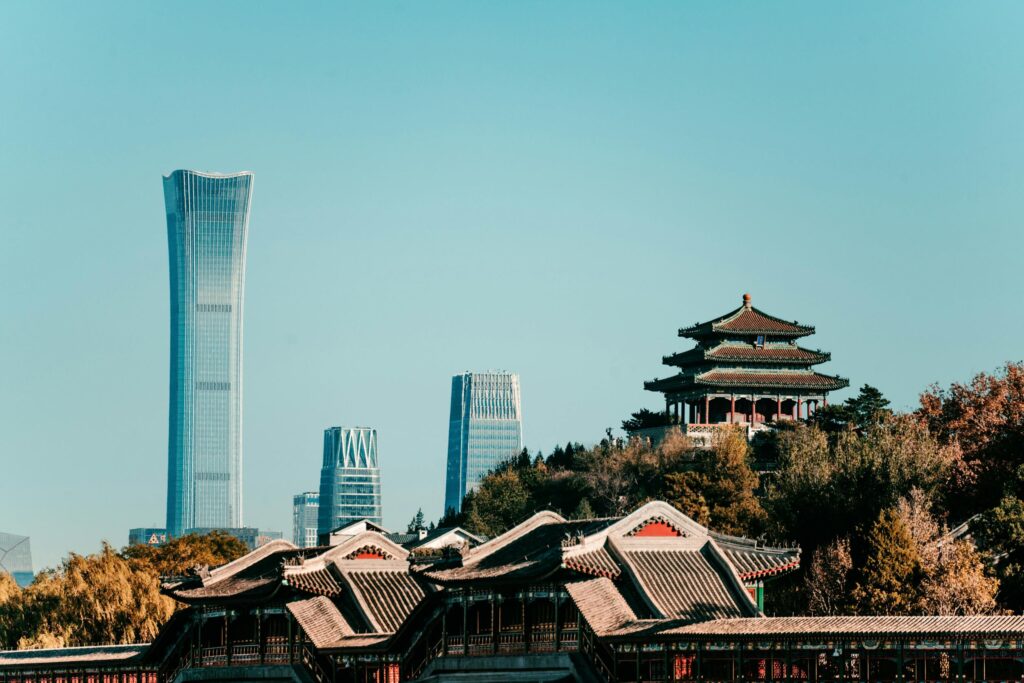
Across the city, gleaming glass-walled food halls near iconic landmarks like Tiananmen Square and the Forbidden City tell a new story with vibrant, modern flavors. This culinary exploration embraces the beautiful, delicious dance between old and new. As the capital, Beijing serves as a gateway to experiencing the country’s rich culture and history, offering travelers a unique introduction to China’s heritage.A journey through Beijing’s food scene is the heart of any authentic Beijing tour package or China tour. It’s an adventure that takes you from the quiet courtyards of the past to the buzzing marketplaces of the future, all within a single, magnificent city. As one of the top destinations in China and the world, Beijing offers tour package highlights that attract travelers from around the globe, showcasing the best of the country’s culture, history, and cuisine.Hutong Eateries: Where Time Stands Still
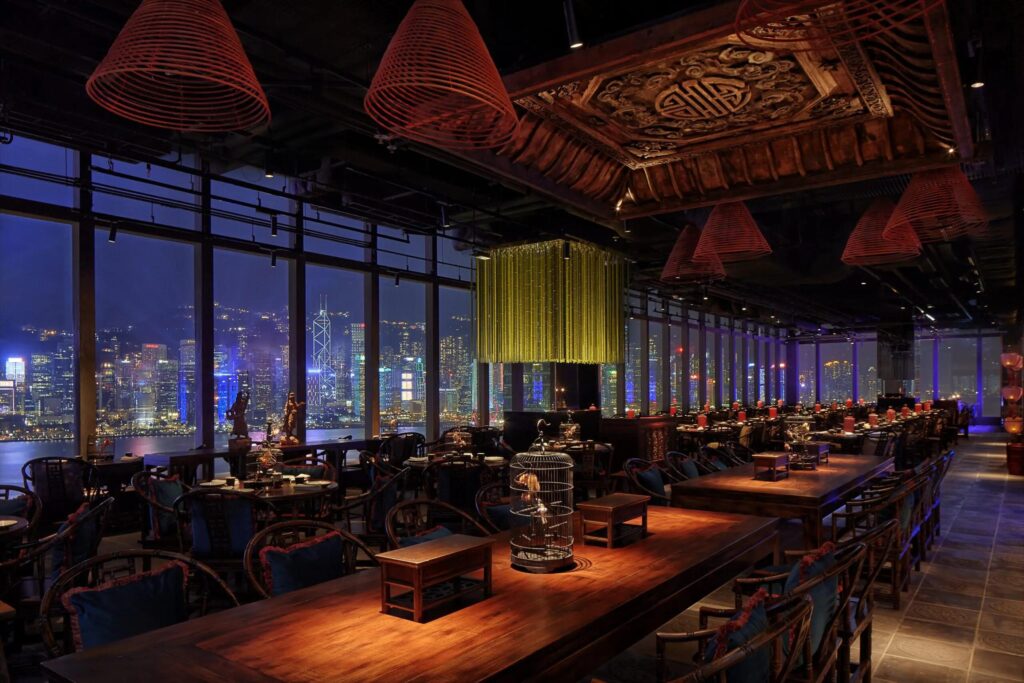
To truly understand Beijing’s heart, you must first get lost in its hutongs. These narrow, winding alleyways are the city’s historic arteries, and hidden within them are the kitchens that have nourished Beijing for centuries. Many of these alleyways and eateries have roots dating back to imperial times, offering a glimpse into the daily life and culinary traditions of China’s dynastic past. In neighborhoods like Nanluoguxiang or the Dashilar area near the magnificent Forbidden City, you will find small, family-run restaurants where time seems to slow down.
Here, grandmothers sit near open doorways, their hands moving with practiced grace as they roll out dumpling skins. The air is thick with the rich aroma of lamb hotpot bubbling away on a shared table or the savory depth of zhajiangmian, hand-pulled noodles coated in a dark, fragrant soybean paste. This is not just food; it is living history and a rich cultural heritage.One could remember the time they first saw the Peking duck arrive: like a ceremony, its crisp, mahogany skin crackling under the chef’s knife. Each perfect slice, served with delicate pancakes and slivers of scallion, is a testament to a recipe perfected over centuries. You’ll realize that dining in a hutong is an intimate affair, where you share in the simple joy of a meal made with love.This immersive experience is an essential part of any Beijing tour package or China trip, connecting you with the city’s authentic spirit, rich history, and unique local culture. Hutongs remain one of Beijing’s must-see attractions, offering a glimpse of the city’s charm and rich cultural heritage.In Square Forbidden City
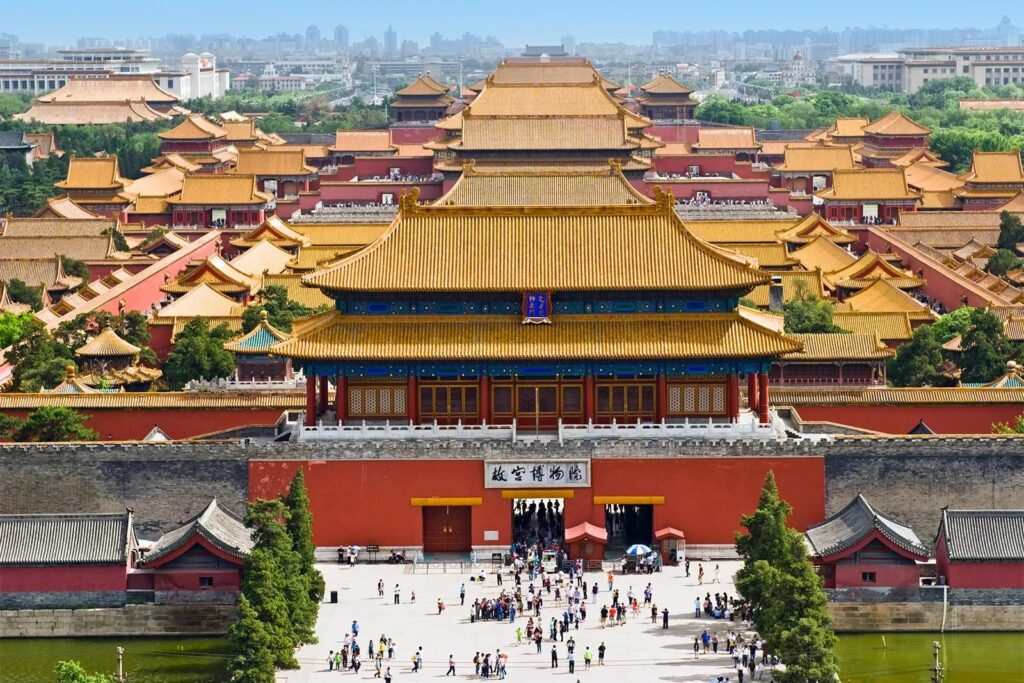
Nearby, foodie explorers like us find new delights just outside the moats and red walls of the magnificent Forbidden City. Within walking distance, we got to see sleek bistros and cafés reinterpret imperial flavors, offering dishes inspired by centuries-old palace cuisine: delicate shrimp dumplings and lotus root glazed with fragrant osmanthus syrup. It might seem overwhelming, but we would say that the best way to decide is look at each store, and somehow there’s going to be a place that’ll pull you closer.
The area also hosts iconic historical sites like the Temple of Heaven and other ancient temples, enriching your journey with spiritual and cultural depth. So, it’s not just looking around or having the best time with your friends, you get to have a front row seat to their culture. We remember feeling the spirit and colors as if they’re begging us to be one with them.As evening falls, soft lantern light brightens the hutong side streets, where chefs blend tradition with modern flair, making this an essential stop on any highly recommended Beijing tour package.This culinary scene offers a deeper understanding and comprehensive overview of Beijing’s rich cultural heritage and showcases the perfect blend of historical significance and contemporary innovation, inviting visitors to discover the city’s vibrant food culture and natural beauty.Modern Food Halls: Beijing’s Culinary Evolution
In my experience, visiting different places of Beijing also offers a moment wherein you get to watch a culinary evolution unfold basing on the restaurant you chose. You can find classic dishes with a modern twist, like a deconstructed jianbing (savory crepe) or craft cocktails infused with local ingredients such as osmanthus and Sichuan peppercorn, highlighting the natural beauty and flavors of the region. These venues also offer a range of services to visitors, including guided tastings, curated menus, and personalized recommendations to ensure a memorable and hassle-free experience.These food halls are a must-visit attraction for those who want to explore Beijing’s iconic landmarks and experience the city’s vibrant food scene at their own pace. Whether you are a local or a traveler on a Beijing tour package, these venues provide a tailored experience that combines the city’s deep culinary roots with its forward-looking spirit.With the guidance of a knowledgeable local guide, you can immerse yourself in the best of both worlds, traditional tastes and contemporary creations, making your visit to China’s capital an unforgettable journey. Many culinary tours of Beijing include stops at these modern food halls as part of their itineraries, allowing you to enjoy curated experiences within your chosen tour package.In Summer Palace
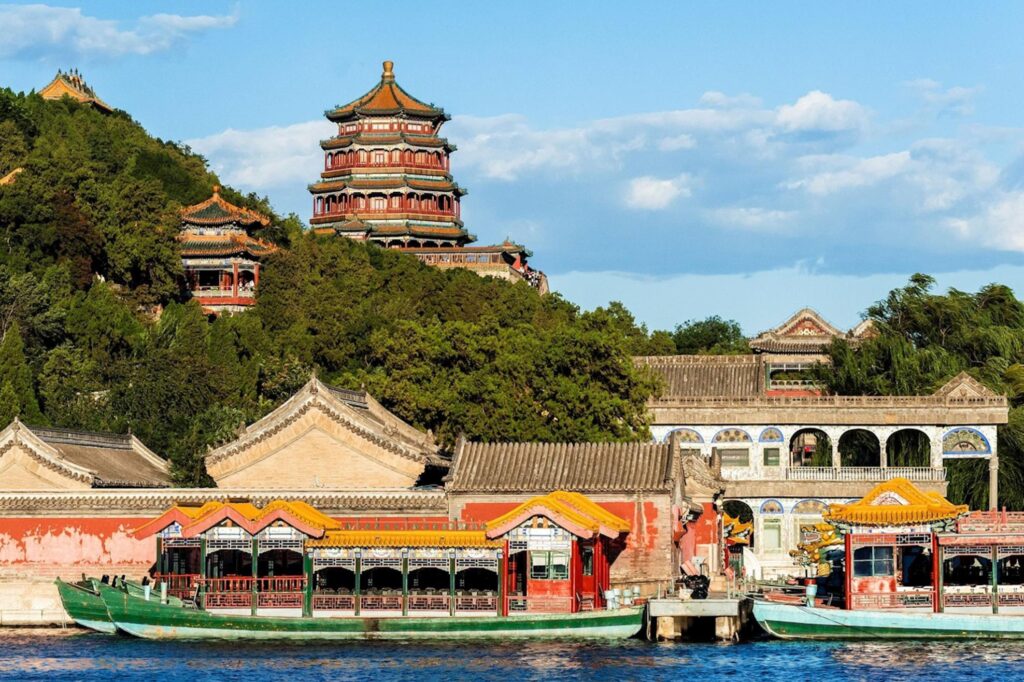
To the northwest, the grounds around the Summer Palace are home to serene teahouses and lakeside restaurants that invite long, leisurely meals. Here, after wandering through willow-draped pavilions, have a pause at a family-run spot offering homemade mantou (steamed buns) and freshwater fish flavored with ginger and spring onion. The whisper of bamboo leaves and distant laughter from paddleboats add to the sensory feast, making it the perfect setting for culinary exploration at a gentler pace.
Visitors can easily fit a visit to the Summer Palace and its nearby eateries into their travel schedule as it’s easy to navigate through taking the Metro line 4 to the North Gate, ensuring a balanced experience of sightseeing and relaxation. This serene beauty and natural landscape perfectly complement the rich Chinese culture and history found throughout the area.In Mutianyu Great Wall
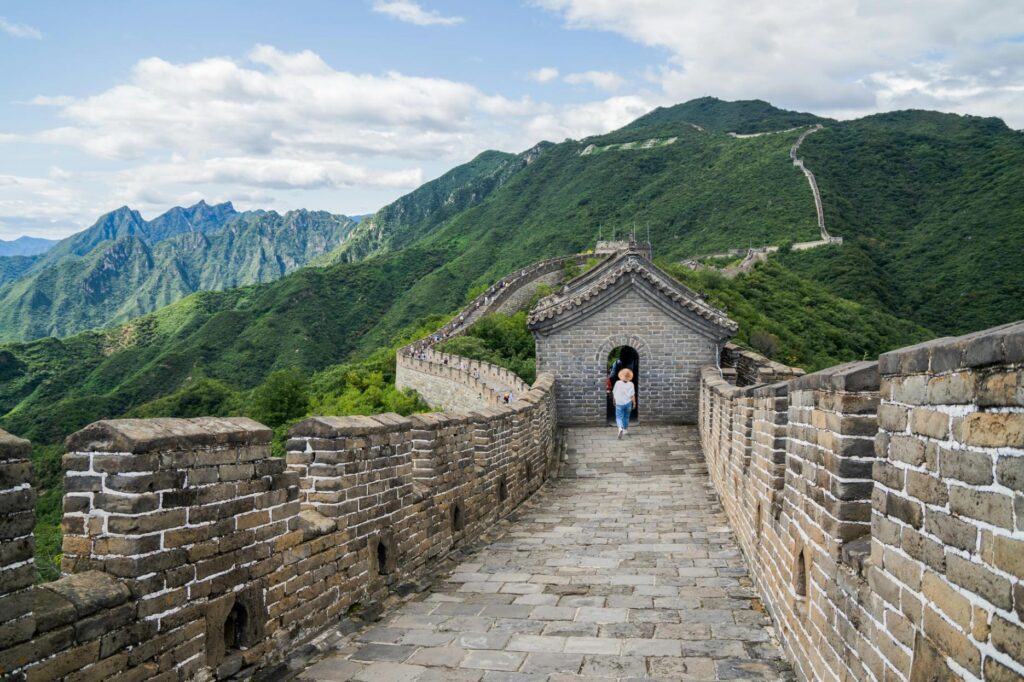
Your journey north to Mutianyu introduces a different side of Beijing’s tastes. After a morning hike along the storied Great Wall stones, a symbol of the country’s enduring legacy, treat yourself in a rustic village restaurant nearby. Locals believe that going around 6:30 to 7:00 AM in the morning through either shuttle buses or hiring a driver is the best way to visit. There’s also an option of using the cable car to reach the top of the hike, but it could cost around 120-180 RMB for a round trip.
In Mutianyu, wild mountain mushrooms, local trout grilled over open flames, and sticky rice steamed in bamboo come together in cheerful, communal meals that refuel weary travelers. Stories are exchanged over warm huangjiu (yellow wine), and the spectacular views of the Great Wall linger long after you’ve finished. This is perfect most especially for those who prefers a less-crowded part of the Great Wall.In Gubei Water Town
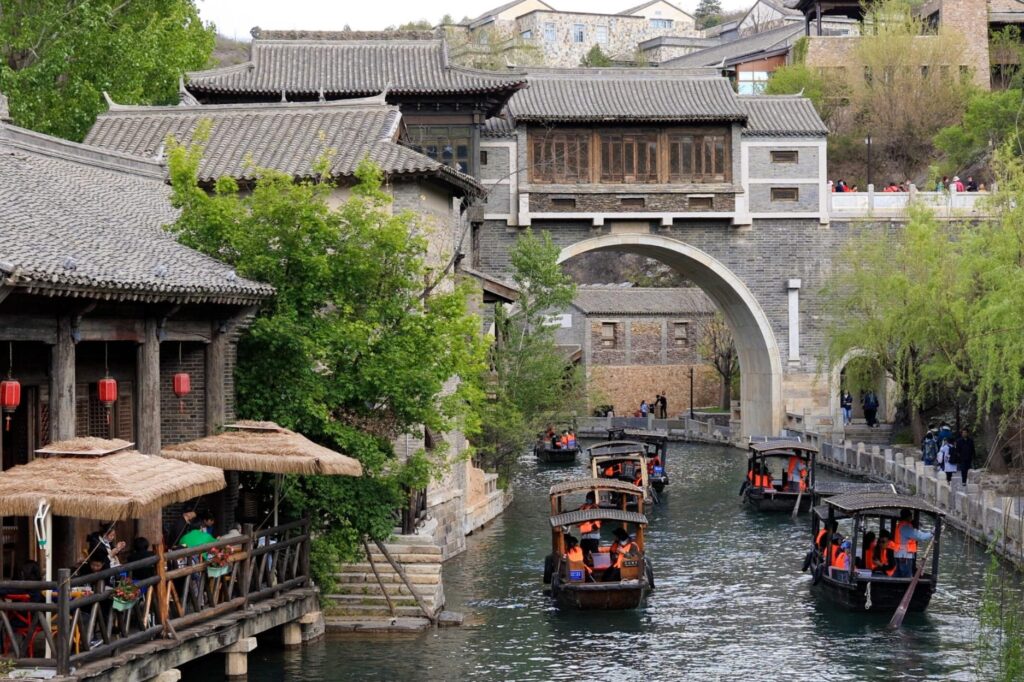
Travelling further, the charm of Gubei Water Town unfolds where canal-side eateries glow at dusk, it’s not called the “Venice of Beijing” for nothing. Here, the menus marry northern flavors and river bounty: smoked tofu, braised pork, and seasonal greens gathered from village gardens. A gentle breeze carries the aroma of caramelizing sugar from street-side candied hawthorn vendors.
Private tours often include exclusive dining experiences in this picturesque setting (so a private tour or a day tour really is your best shot for going to Gubei Water Town), allowing guests to enjoy slow dinners under the stars and local rice wine sipped beside lantern-lit canals.In Bird’s Nest
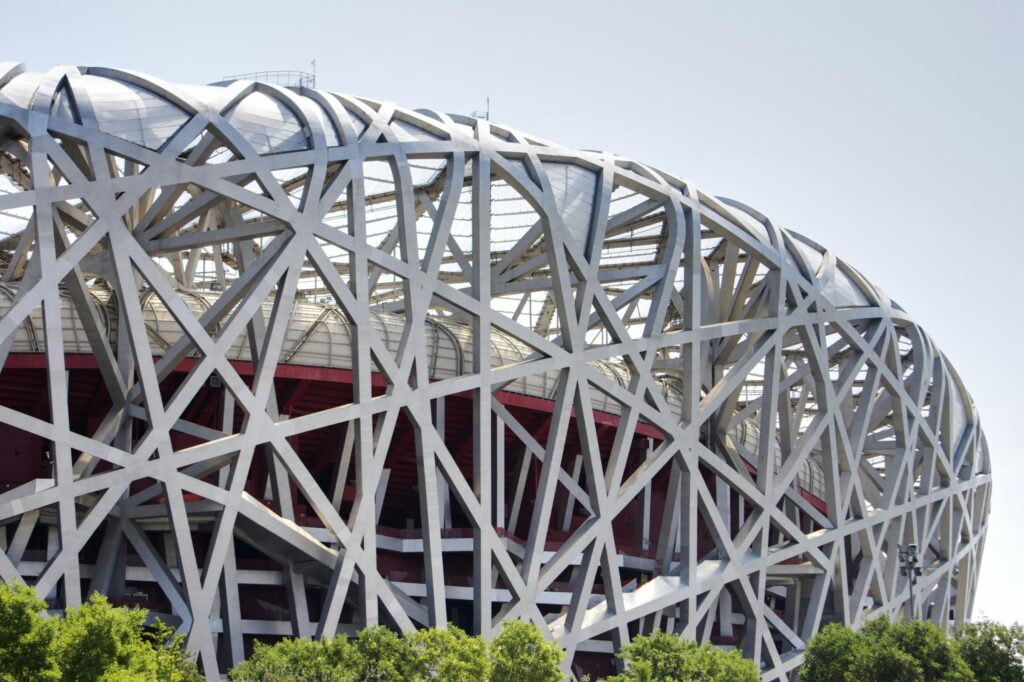
Modern Beijing culminates at the Olympian grandeur of the Bird’s Nest Stadium (16 minutes away from the Beijing Zoo), where expansive food courts buzz with excitement on event days and weekends. This is where you’ll find inventive street fare: jiaozi dumplings stuffed with vibrant vegetables, crisp duck wraps, and bubble tea shaded every color of the rainbow. These dishes could be found mostly in the nearby Xin’ao Shopping Mall which is a 20-25 minutes walk from the stadium.