In the vast metropolis of Tokyo, exclusive sushi bars offer intimate dining experiences far from tourist spots. These serene spaces feature master chefs crafting exquisite bites in the art of omakase, meaning “I’ll leave it up to you.” Rooted in the rich history of Edo Castle and present-day Tokyo’s sushi culture, omakase showcases the finest seasonal ingredients and expert craftsmanship.
Embarking on a quest for a hidden omakase experience is a true foodie adventure in Japan’s capital, Tokyo. It means trusting a sushi master, or itamae, to guide you through a seasonal journey of flavors and textures. These hidden gems offer a personal encounter with authentic Tokyo Japanese cuisine, showcasing the best ingredients from Tokyo Bay and beyond. They reveal the soul of Japanese hospitality and craftsmanship, reflecting the culinary beauty of Japan’s largest island. This guide helps you navigate the thrilling world of hidden sushi bars for an unforgettable omakase in Tokyo, Japan, one of the most populous cities and a vibrant center of Japan’s economy.
For a great omakase experience beyond Tokyo, check out this comprehensive guide to the best options in Singapore. Click here.
Why Look for Old Tokyo Hidden Sushi Bars? (And Not Top Attractions in Tokyo)
Discovering these hidden sushi bars in central Tokyo means exploring neighborhoods like Ginza, Shibuya, and the eastern half of the city, where the skyline blends modern office buildings with traditional Japanese restaurants. These intimate venues often echo the legacy of the Tokugawa shogunate and the imperial family, offering an authentic taste of Japan’s culinary heritage.
Whether you are a foreign visitor or a local, the experience of dining in these exclusive omakase bars is a top attraction in Tokyo, combining the city’s dense network of cultural sites, parks, and historic shrines such as Sensoji Temple and Meiji Shrine.
In Tokyo, Japan’s capital and renamed Tokyo after the Meiji Restoration, the omakase experience is not just about food; it’s about immersing yourself in a cultural event that celebrates the seasons, the artistry of sushi making, and the enduring traditions of Japanese dining.
From the delicate dishes crafted with rice and fresh fish to the elegant guest rooms of nearby hotels that cater to discerning travelers, Tokyo offers an unparalleled culinary journey. Prepare to be enchanted by the beauty, taste, and spirit of Tokyo’s hidden sushi bars, a true reflection of the city’s status as Asia’s most populous metropolis and a global hub of culture and cuisine.
What Makes a Sushi Bar “Hidden” in Central Tokyo?
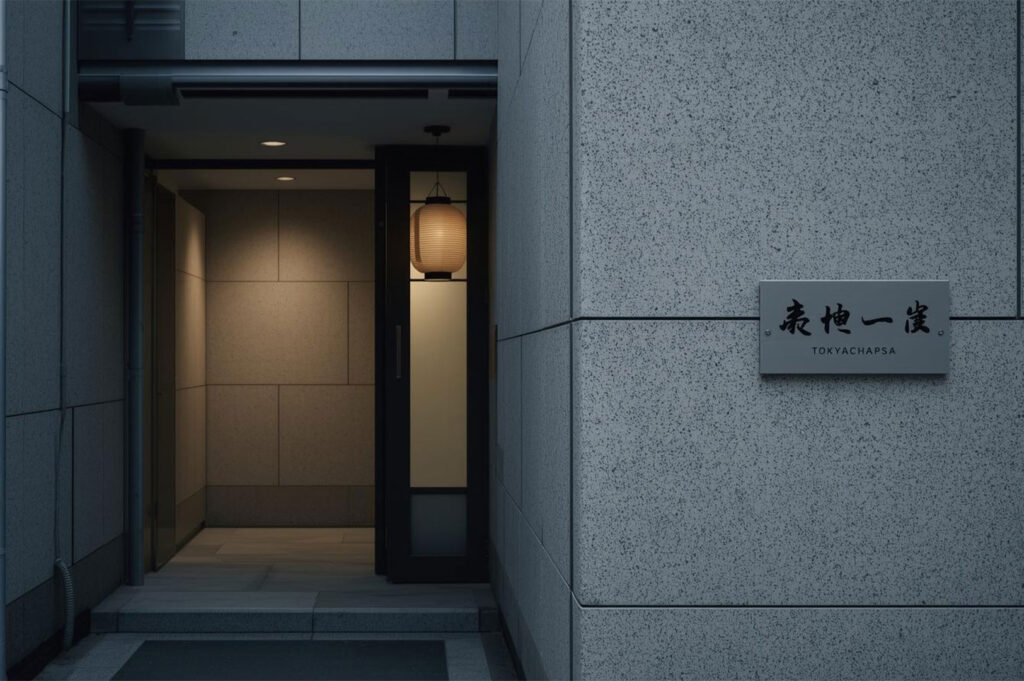
In a city as dense as Tokyo, “hidden” takes on a new meaning. It isn’t about secret passwords or unmarked doors in dark alleys, although sometimes it can feel that way. A hidden sushi bar is one that thrives on reputation and word-of-mouth rather than flashy advertising. Often, they are tucked away in the basements of unassuming office buildings, on the upper floors of residential blocks, or down quiet, narrow lanes in southern Tokyo or central Tokyo.
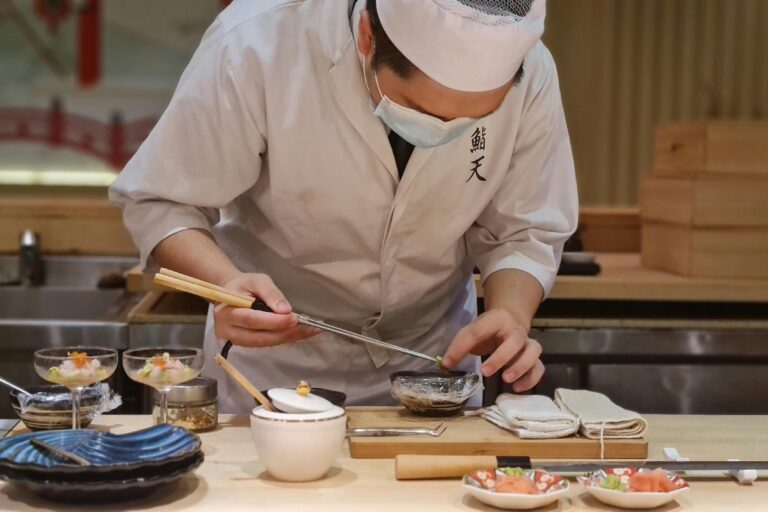
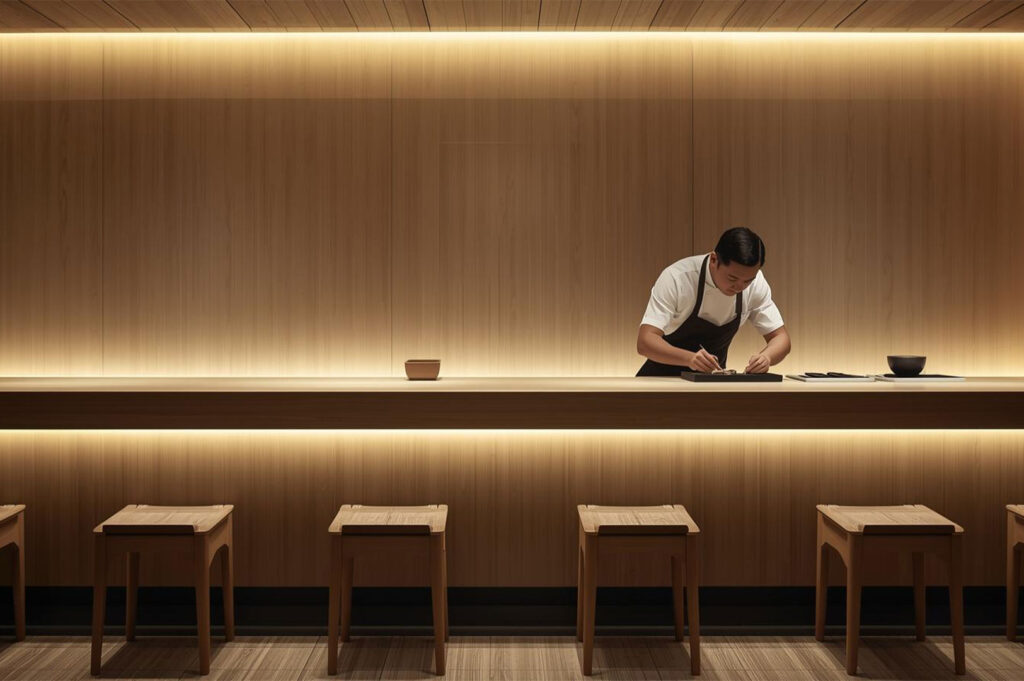
The culture of these establishments centers on intimacy. Most have a simple, elegant counter with six to ten seats, fostering a direct connection between the chef and guests for a personalized dining experience. The focus is on the quality of the food and the skill of the itamae.
Beneath the Destroyed Samurai: A Glass of History
These hidden gems often reflect the rich history of Tokyo, once a small fishing village known as Edo, evolving under the Tokugawa shogunate into the bustling eastern capital towns. Their menus showcase the best seasonal ingredients sourced from Tokyo Bay and beyond at night, including fresh fish delivered daily by trains from the Toyosu Market, Japan’s largest wholesale fish market.
Dining here is not just about sushi; it is an experience deeply connected to Tokyo’s culture, geography, and history, often set near landmarks such as Tokyo Station, the National Diet Building, or the historic Asakusa district.
While these bars may be discreet, they are part of the vibrant food scene that has thrived despite challenges like air raids during World War II and the rapid modernization of the city.
Understanding Omakase: The Ultimate Chef’s Choice Experience
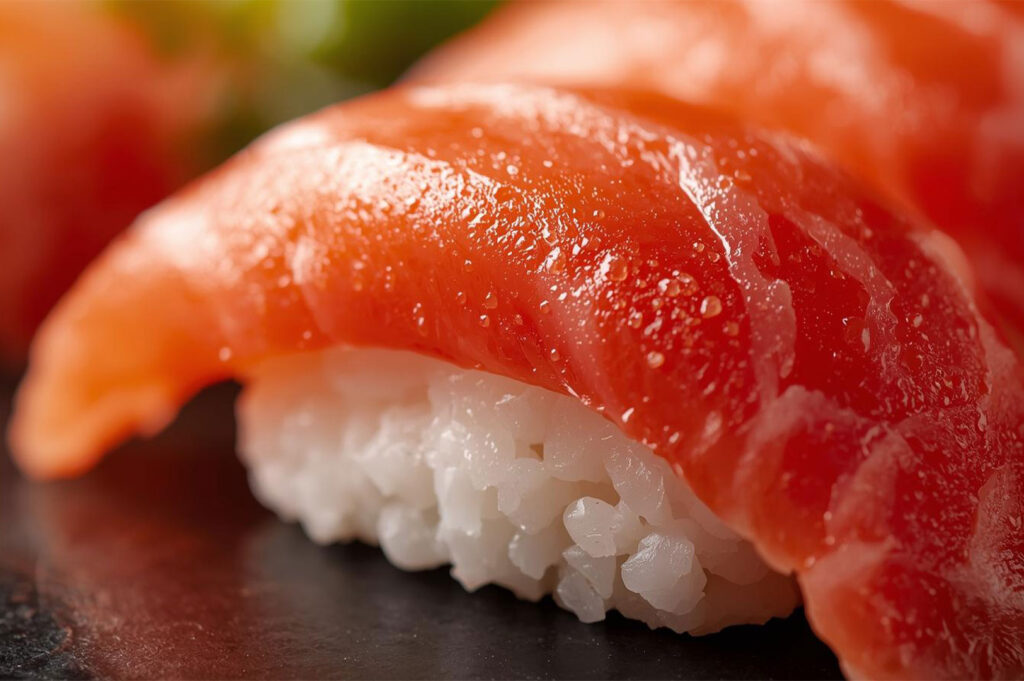
The term omakase represents the pinnacle of traditional Japanese dining in Tokyo, Japan. It is a meal format where you trust the chef to curate your entire experience without a menu. The itamae serves courses based on the best ingredients available that day, often sourced from markets like the famed Toyosu Market, Tokyo’s largest wholesale fish market.
An omakase meal is a carefully orchestrated performance rooted in the Edomae sushi tradition from old Tokyo (Edo). It starts with tsumami (small appetizers) like steamed abalone or grilled seasonal fish, followed by a progression of nigiri (hand-pressed form sushi). Each piece is crafted individually, seasoned with soy sauce or sea salt, and served immediately. The sequence moves from lighter white-fleshed fish to richer varieties like tuna, ending with specialties such as sea urchin (uni) or salt-water eel (anago).
Instead of a Kimono… Experience Heritage with Omakase
Experiencing omakase in central Tokyo offers a unique window into Japan’s capital’s culinary heritage, blending ancient times traditions with the vibrant, modern metropolis. Many hidden sushi bars are located near iconic areas such as Tokyo Station, Ueno, and Shibuya, creating a perfect combination of historic atmosphere and contemporary dining. This intimate dining style is a must-try for foreign visitors seeking an authentic taste of Tokyo’s renowned food culture.
The omakase experience also reflects Tokyo’s connection to the wider world, with head chefs often (but rarely) incorporating influences from foreign goods and ingredients while maintaining the essence of Japanese craftsmanship. Whether in the mid or west parts of the city, omakase dining is a celebration of Japan’s largest island’s rich bounty and Tokyo’s status as one of the most populous cities in the world.
How to Find Hidden Sushi Bars in Japan’s Capital
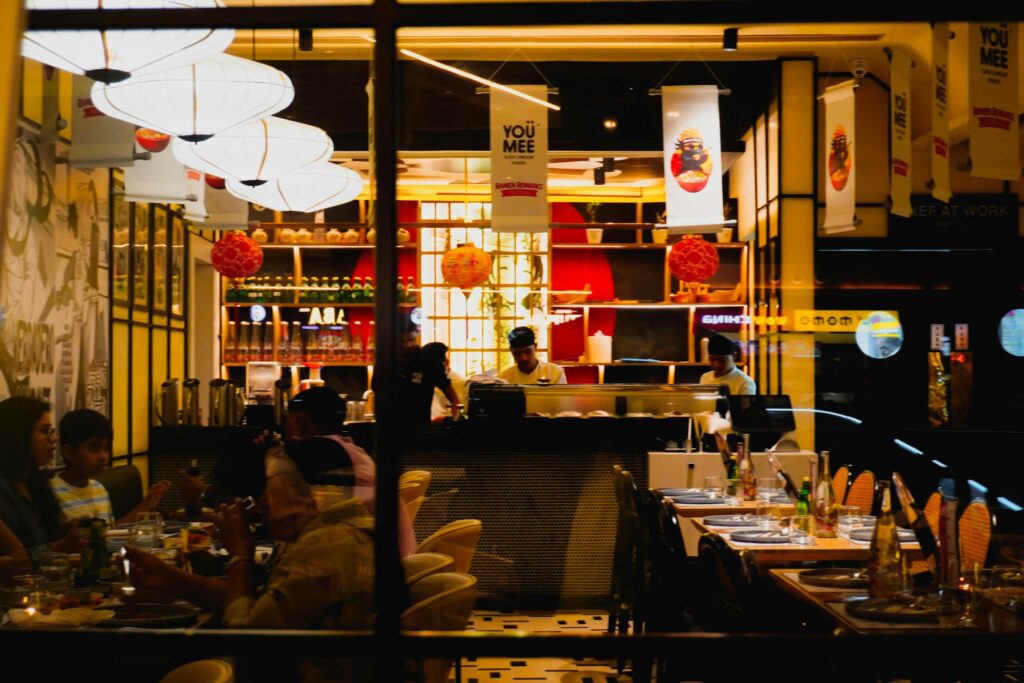
Locating and booking these exclusive sushi bars requires effort beyond a simple online search. Many are discreet, with little online presence or English-speaking staff. Strategies to find these hidden gems in Tokyo, Japan’s capital and one of the most populous cities, include:
- Hotel Concierge Services: High-end hotels near Tokyo Station and central Tokyo offer concierge assistance to help secure reservations at exclusive sushi bars. Provide your preferences and dates early.
- Local Foodie Friends: Recommendations from locals around Tokyo Bay can lead you to hidden gems off the tourist path.
- Third-Party Reservation Services: Platforms like Tableall or Pocket Concierge assist with booking top-tier omakase spots and overcoming language barriers.
- Explore Foodie Neighborhoods: Wander culinary hotspots like Ginza, Shibuya, or the eastern half of Tokyo to discover lesser-known sushi bars.
Keep in mind that spontaneity is rare in this dining scene. Reservations are almost always required, often weeks or months in advance. Using a map to explore these neighborhoods enhances your journey through Tokyo’s vibrant sushi culture, deeply tied to the history of Edo Castle and present-day Tokyo, Japan’s largest island’s bustling heart.
What to Expect in Populous Metropolis Omakase: Price Ranges and Dining Etiquette
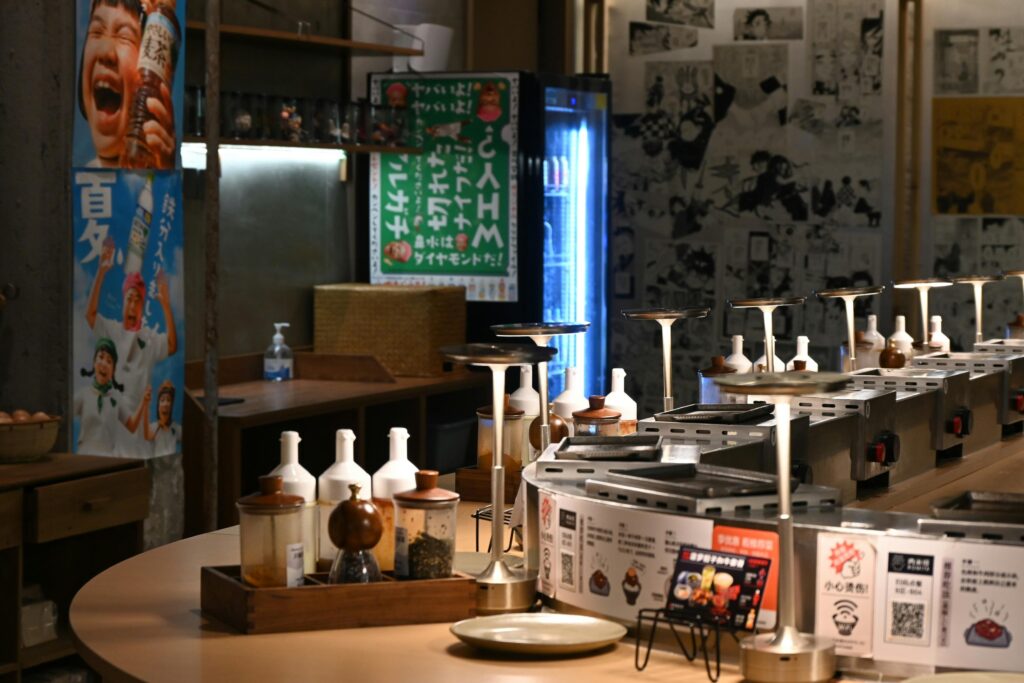
Dining at a high-end omakase sushi bar in Tokyo, Japan, is a significant investment, but it’s an unforgettable experience that embodies the essence of Japan’s capital culinary culture.
Price: An omakase dinner at a hidden sushi bar in central Tokyo usually starts around ¥20,000 ($180 USD) per person and can exceed ¥40,000 ($360 USD), excluding drinks. Lunch options may be more affordable for foreign visitors.
Reservations: Advance booking is essential, often requiring a credit card and strict cancellation policies with full charges for no-shows.
Dress Code: Smart casual is expected; avoid shorts, sandals, athletic wear, and strong perfumes that can affect sushi aromas.
Observing proper dining etiquette shows respect for the chef and tradition. This includes arriving on time, as meals start together, and following the chef’s guidance to enjoy each piece fully.
Best Neighborhoods for Hidden Sushi Experiences Around Tokyo
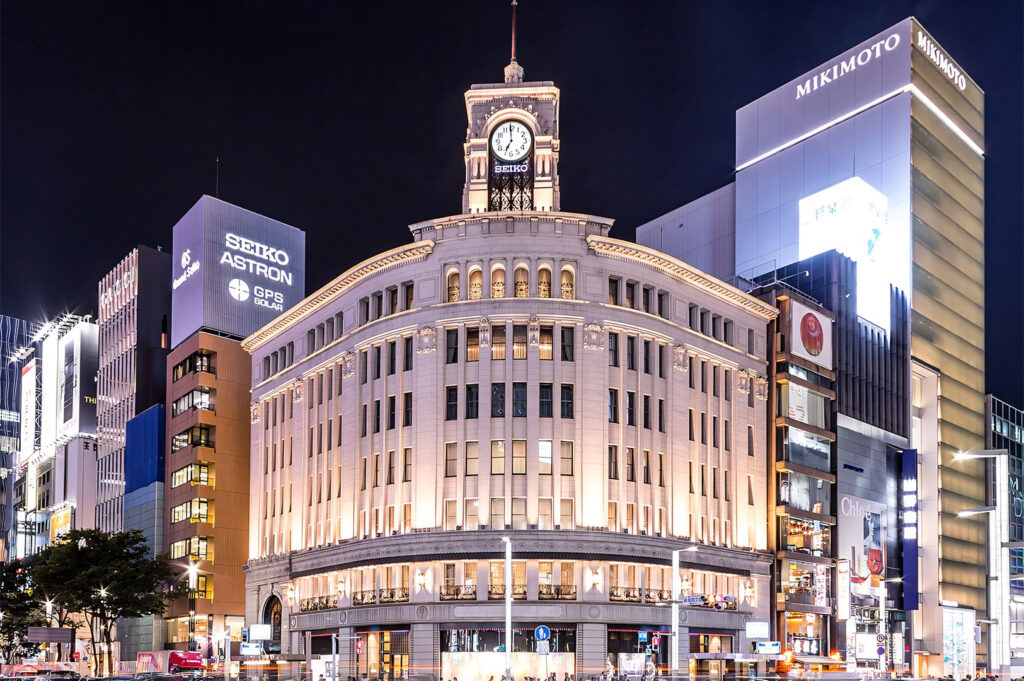
While great sushi is found throughout Tokyo, certain districts are hubs for high-end, hidden sushi bars essential to the Tokyo Japanese food scene.
Ginza: The luxury dining capital, with legendary and expensive sushi counters tucked in backstreets and basements, Ginza offers a formal omakase experience.
Nihonbashi: Historic old Edo center, Nihonbashi is home to traditional sushi bars with a classic ambiance.
Roppongi and Nishi-Azabu: Roppongi and Nishi-Azabu are modern, cosmopolitan neighborhoods featuring innovative sushi bars catering to Japanese and international guests.
Shinjuku Gyoen: Shinjuku Gyoen is a quieter, residential area near Shinjuku Gyoen National Garden, with respected sushi spots offering world-class quality without Ginza prices.
Tips for First-Time Omakase Diners in Tokyo Japan
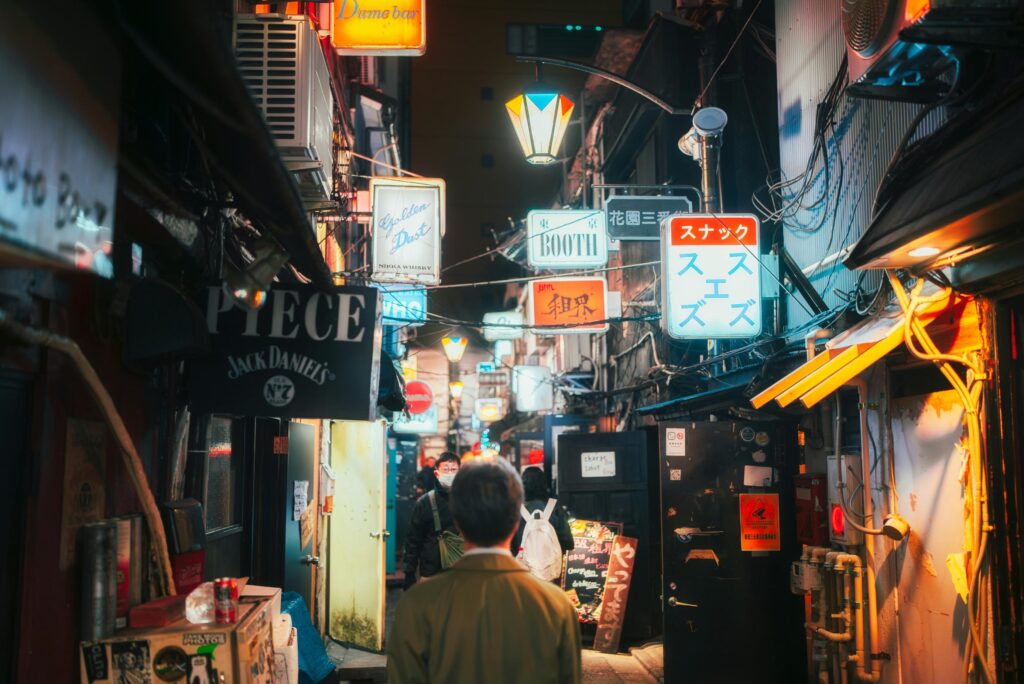
Your first high-end omakase experience can be intimidating, but these tips will help you enjoy it.
Communication: Even if you don’t speak Japanese, chefs often share the fish names. Simple words like “oishii” (delicious) or “arigato” (thank you) go a long way.
Dietary Restrictions: Notify your concierge or restaurant of allergies or restrictions when booking, not upon arrival.
Eating Sushi: Use chopsticks or fingers as the chef suggests. Eat each piece in one bite immediately.
Photography: Always ask before taking photos; some chefs forbid it.
Gratuity: Tipping is not customary and can be rude. The meal price includes service; sincere thanks are appreciated.
Embrace the Adventure of Japanese Omakase
Seeking a hidden sushi bar in Tokyo, Japan, is more than a meal, it’s a cultural journey into Japanese craftsmanship, seasonality, and hospitality. These serene spots offer an extraordinary dining experience that redefines sushi.
On your next trip to Tokyo, dare to explore beyond the obvious and enjoy an unforgettable omakase adventure.