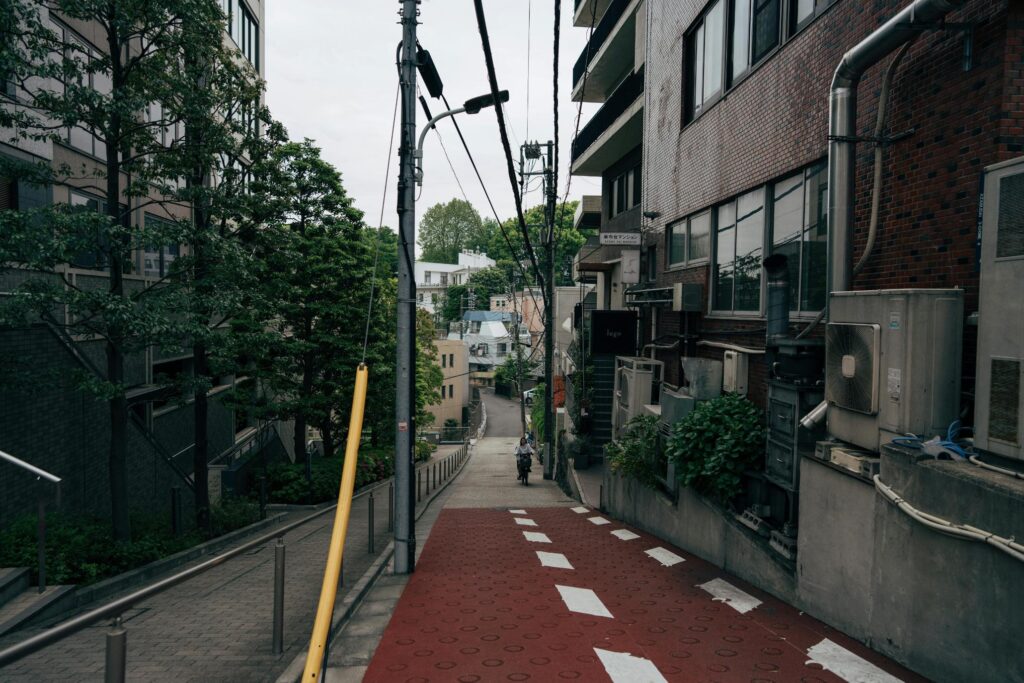
When you picture Tokyo, what comes to mind? The vibrant chaos of Shibuya Crossing or the dazzling skyline from Shinjuku’s office buildings? These iconic districts define modern Japan’s capital. But to truly experience this populous metropolis, venture beyond the tourist paths. I think hidden neighborhoods offer old shopping streets, pocket shrines, vintage shops, kissaten cafes, tiny bars, and slower residential corners that show a different side of Tokyo.
Instead of treating Tokyo as a checklist of landmarks, choose one neighborhood, walk slowly, eat locally, and let the side streets do the work. Ready to discover the Tokyo around the corner? Join as we explore off-the-beaten-path gems and free things to do in Tokyo.
Uncover Authentic and Central Tokyo: 6 5 Top Attractions and Districts to Explore
Forget the crowds for a day and dive into the unique atmosphere of these incredible Tokyo districts. Each offers a special window into the daily life and culture of this amazing Japanese capital. While Tokyo stands today as Japan’s modern metropolis, it rose to prominence after Osaka’s long history as the nation’s commercial and economic hub.Many of these neighborhoods are home to the world’s most unique cultural experiences.
1. Yanaka: A Step Back Into Old Tokyo
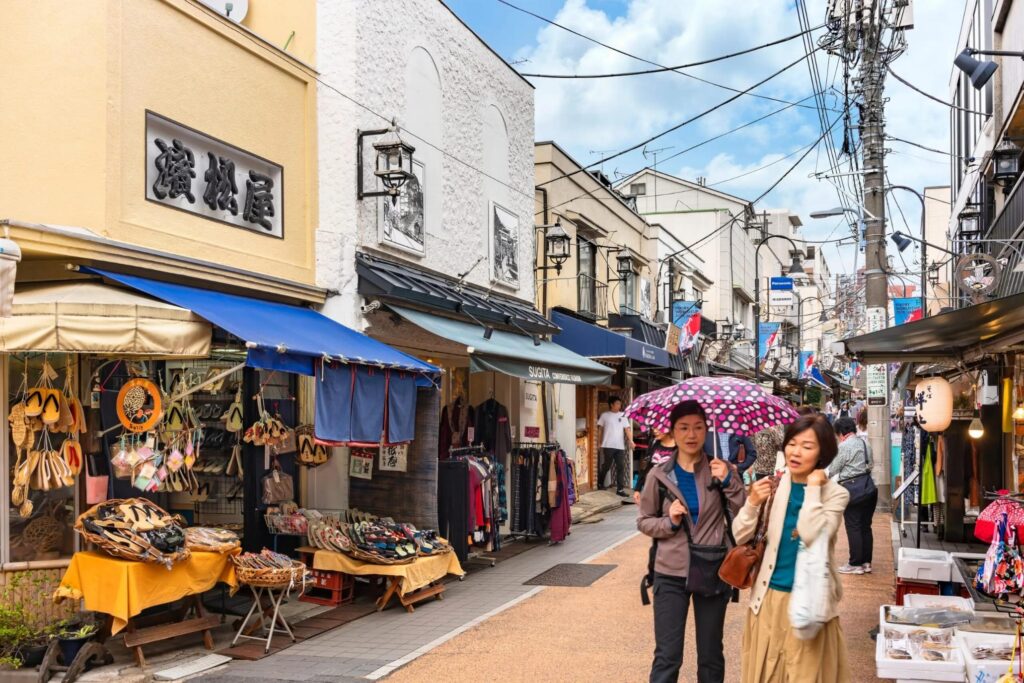
Yanaka feels like a world away from the futuristic Tokyo you see in magazines. This area miraculously survived the Great Kanto Earthquake and the air raids of World War II, preserving its pre-war, old-world charm. It’s one of the best places to experience a slower, more traditional side of present-day Tokyo.
Nearest Stations: Nippori, Sendagi, Nezu
What Makes Yanaka Special?
Yanaka is part of the “Yanesen” area (along with Nezu and Sendagi), known for its nostalgic atmosphere, or shitamachi. You’ll find narrow shopping streets, tiny temples, and a peaceful, residential feel. It’s a perfect escape for anyone seeking a glimpse of authentic Tokyo from ancient times and the Edo period, including remnants of Edo Castle’s influence.
Key Spots to Visit
Yanaka Ginza: This charming shopping street is the heart of the neighborhood. Lined with about 60 small shops, it’s a great place to sample local snacks like menchi-katsu (deep-fried ground meat cutlet) and browse for traditional crafts and Japanese cuisine.
Nezu Shrine: Technically in the neighboring Nezu district but a must-visit when in the area, this shrine features a stunning tunnel of vermilion torii gates reminiscent of Kyoto’s Fushimi Inari, highlighting the historical significance of the area.
2. Shimokitazawa: The Capital of Cool
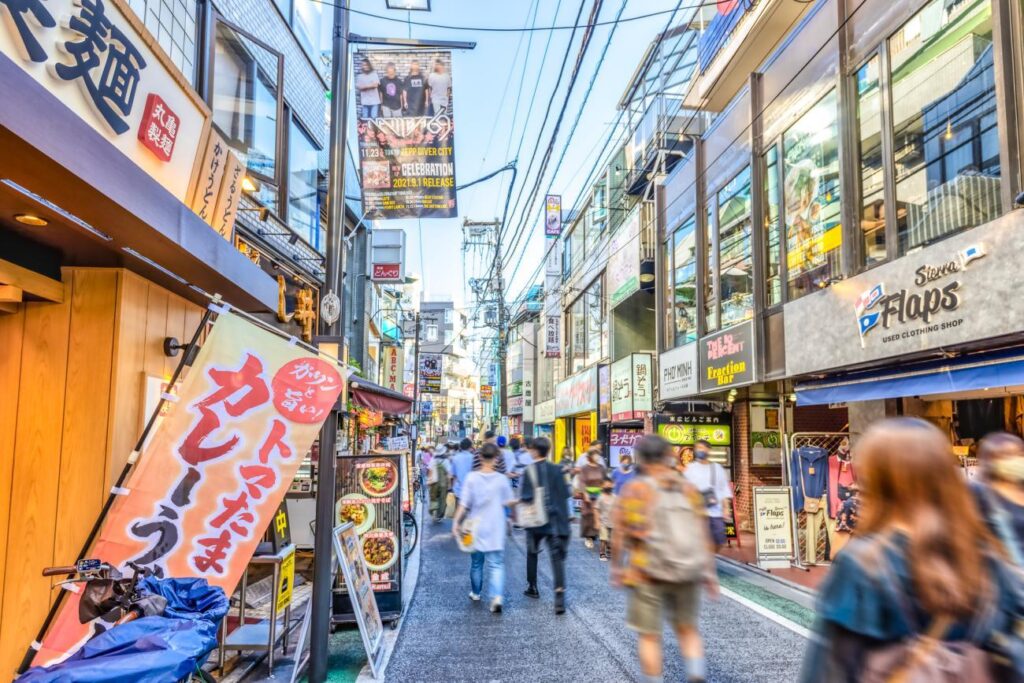
If vintage fashion, indie music, and quirky cafes are your scene, you will fall in love with Shimokitazawa. Located just southwest of Shibuya in southern Tokyo, this bohemian enclave is a magnet for Tokyo’s youth culture. Its labyrinth of narrow streets is packed with independent businesses inspired by Japanese culture, creating a vibrant and creative atmosphere.
Nearest Station: Shimokitazawa
What Makes Shimokitazawa Special?
Known as “Shimokita” by locals, this neighborhood is the undisputed center of Tokyo’s secondhand clothing scene. It’s a place in the map where individuality and creativity thrive, making it one of the most exciting hidden neighborhoods for style hunters and art lovers.
While Shimokitazawa is no longer a secret, but it remains one of Tokyo’s best neighborhoods for vintage shopping, small theaters, indie music, curry shops, and youth culture.
Key Spots to Visit
Vintage Shops: You could spend days exploring the thrift stores here. Some popular spots include New York Joe Exchange, Flamingo, and Haight & Ashbury. You’ll find everything from classic American denim to unique Japanese designer pieces.
New Station Area Development: For a newer side of Shimokita, pair vintage shopping with Bonus Track, Reload, or the station-area developments that have reshaped the neighborhood in recent years.
Bonus Track: This newer development is a collection of small, independent shops and eateries built under the train tracks, offering a relaxed community feel.
3. Koenji: Punk Rock and Retro Vibes
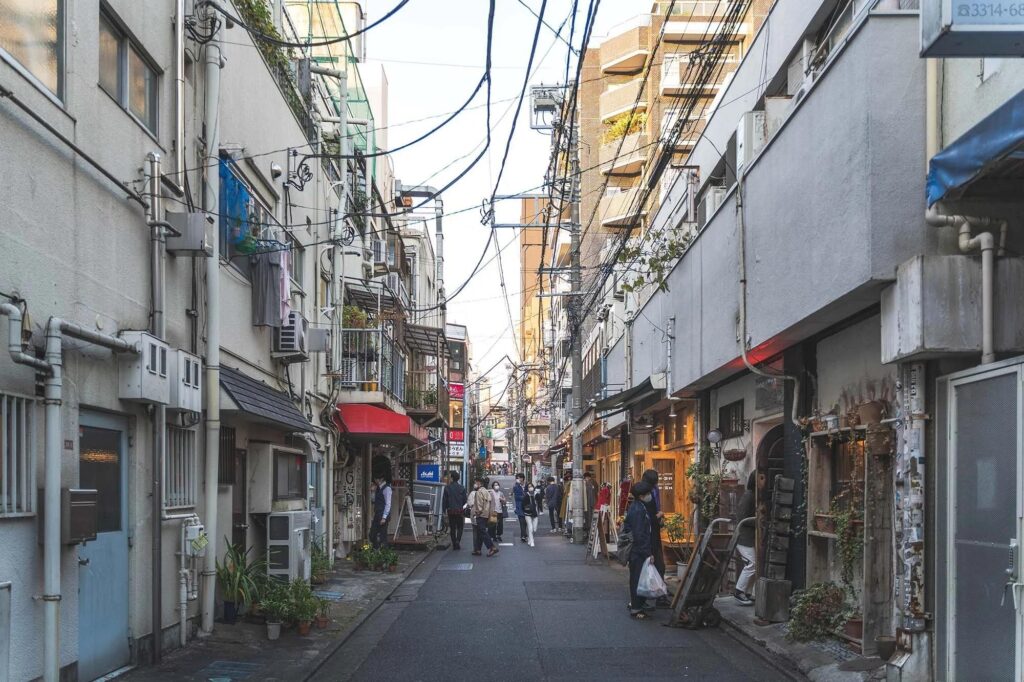
Just a few stops west of Shinjuku on the JR Chuo Line, Koenji offers a grittier, more alternative vibe than its fashionable neighbor, Shimokitazawa. Known for its punk rock history, countless night “live houses” (small music venues), and affordable vintage stores, Koenji is an off-the-beaten-path Tokyo treasure with a rebellious spirit.
Nearest Stations: Koenji, Shin-Koenji
What Makes Koenji Special?
Koenji has a strong counter-culture identity. It’s less polished and more eclectic, with a focus on music, community, and affordability.
Key Spots to Visit
Yakitori Alleys: Under the train tracks near the station, you’ll find a smoky, atmospheric collection of tiny yakitori (grilled chicken skewer) restaurants. It’s a perfect spot for a cheap and delicious local Tokyo dinner featuring Japanese cuisine.
Awa Odori Festival: If you visit Tokyo in late August, don’t miss this massive street dancing festival. It is one of Tokyo’s biggest summer dance festivals, so book early and expect heavy crowds around the station.
4. Kagurazaka: Tokyo’s Little Paris
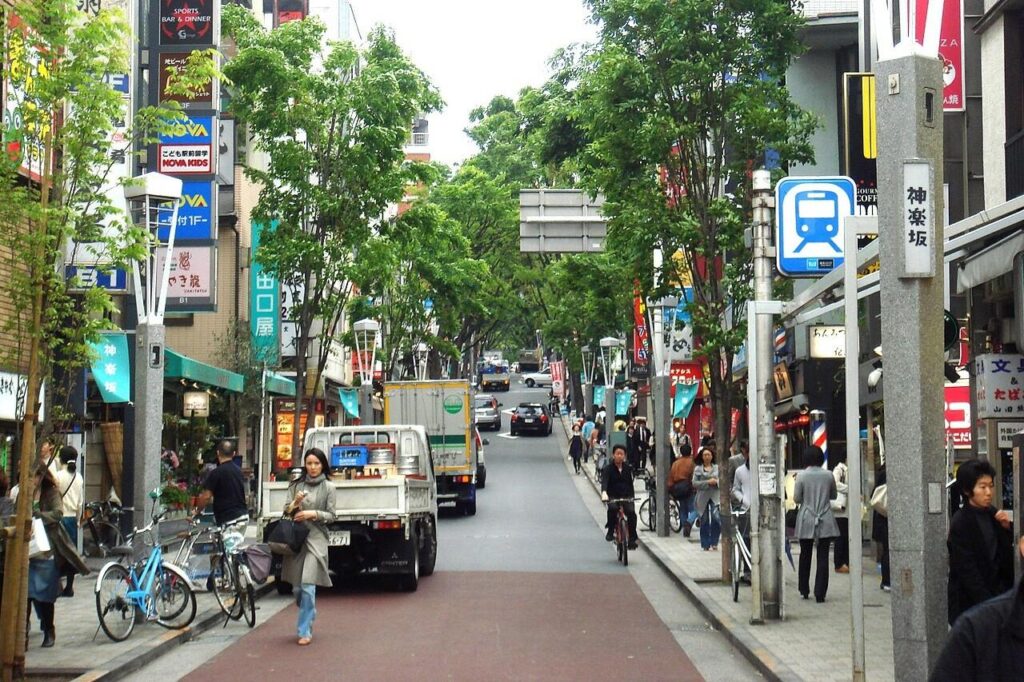
Walking through the main street of Kagurazaka, you might feel transported to a charming European lane. With stone-paved slopes, French bakeries, and high-end restaurants, this neighborhood offers a wide variety of dining options, from French bistros to traditional Japanese eateries, giving it an international yet deeply Japanese feel. Once a prominent geisha district, traces of this elegant past remain in hidden back alleys. Kagurazaka is also known for its sushi restaurants, where you can enjoy classic Edomae sushi and modern takes on this iconic Japanese dish.
Nearest Stations: Kagurazaka, Iidabashi, Ushigome-Kagurazaka
What Makes Kagurazaka Special?
The unique fusion of French influence and traditional Japanese heritage sets Kagurazaka apart. It’s a foodie paradise, known for its kaiseki (traditional multi-course) restaurants hidden in quiet ryotei (exclusive traditional restaurants).
Key Spots to Visit
Kagurazaka-dori: The main street is lined with cafes, bistros, and shops. It’s a pedestrian-only zone during lunchtime, making it perfect for a leisurely stroll.
Hyogo Yokocho: Explore the narrow, stone-paved alleys off the main street to find hidden restaurants and get a sense of old Tokyo.
5. Daikanyama: The Stylish Urban Oasis
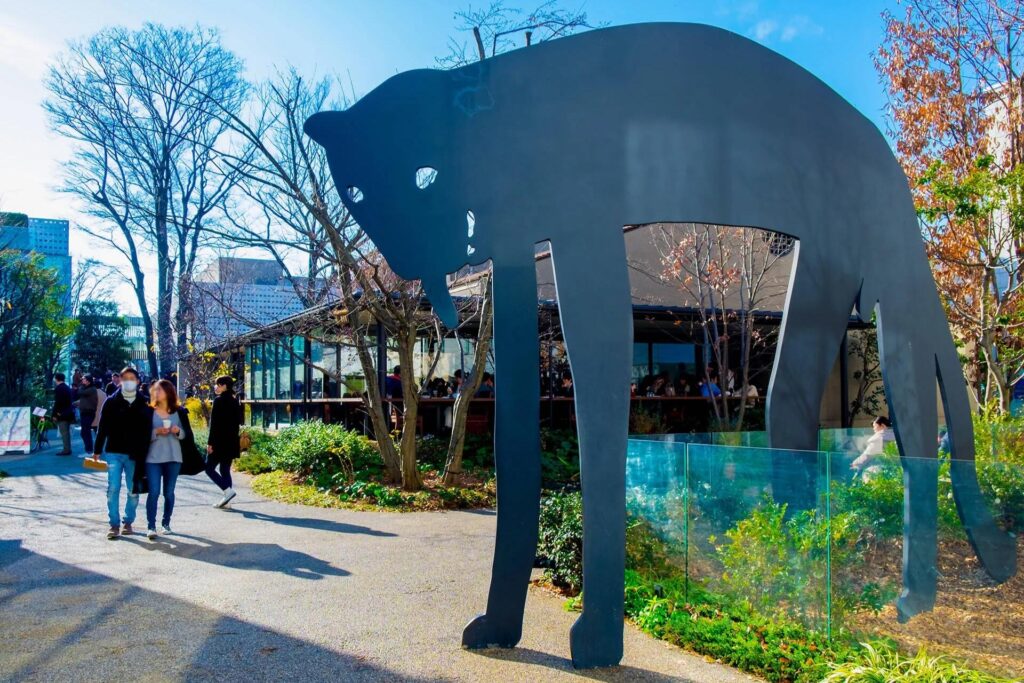
Often described as Tokyo’s version of Brooklyn, Daikanyama is effortlessly cool. This sophisticated neighborhood is home to high-end fashion boutiques, stylish embassies, and some of the city’s most fashionable residents. Daikanyama also offers boutique hotel options for travelers seeking a stylish stay in Tokyo. It’s less crowded than Shibuya but just as chic, offering a relaxed and upscale shopping experience.
Nearest Stations: Daikanyama, Ebisu, Naka-meguro
What Makes Daikanyama Special?
Daikanyama is all about curated style and design. The area is filled with low-rise buildings and green spaces, giving it an open and airy feel that is rare in central Tokyo. It’s the perfect place to spend a slow afternoon browsing unique shops and people-watching from a stylish cafe terrace.
Key Spots to Visit
Daikanyama T-Site (Tsutaya Books): This is more than a bookstore; it’s a cultural hub. Its three interconnected buildings are an architectural marvel, housing an incredible selection of books, music, and a beautiful lounge.
Log Road Daikanyama: A unique commercial space built on a former railway line, featuring cottages that house craft beer breweries, lifestyle shops, and cafes.
Before You Explore Tokyo: A Softer Way to See Japan’s Capital
Before you dive into the practical tips, it helps to remember that Tokyo is not just one city center. It is a layered, restless, camera ready capital made of many smaller pockets, each with its own rhythm. Long before Edo was renamed Tokyo, meaning “eastern capital,” this town grew from fishing roots into one of the world’s great cities on Honshu, Japan’s largest island.
Most people arrive through Narita Airport, jump onto public transportation, and head straight for the obvious stops: Ueno Park, Meiji Jingu, Tsukiji Market, the Sumida River, or the bright shopping streets around Ginza Line stations. Those places are worth seeing, especially for fresh seafood, Buddhist temples, vending machines, art gallery stops, western art, and the National Museum near Ueno Station.
But the surrounding area tells another story. Around Tokyo Prefecture, subway lines and public transit connect two groups of experiences: the famous landmarks everyone photographs, and the quieter neighborhoods where you find a tiny coffee shop, Chinese-inspired snacks, side streets after heavy rain, and everyday life unfolding without a schedule. That is where this guide begins: not with the first city everyone expects, but with the places around Tokyo that make the country feel personal.
Practical Tips for Exploring Hidden Neighborhoods and Attractions in Tokyo
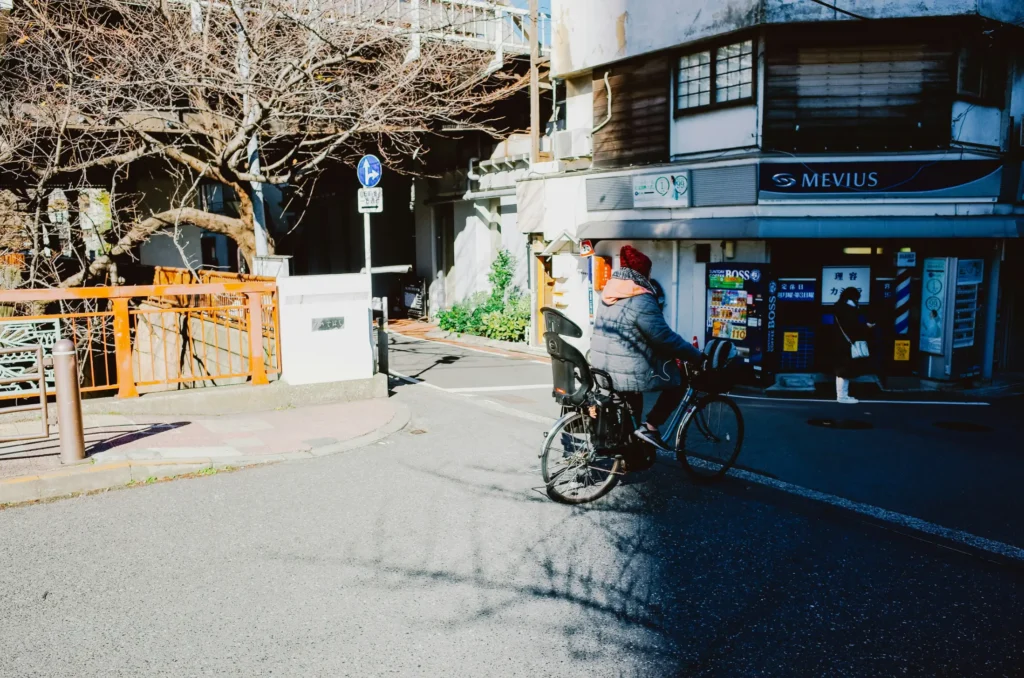
Ready to start your adventure exploring Tokyo’s hidden neighborhoods? Here are a few essential insider tips to help you make the most of your trip to Japan’s capital:
Get a Suica or Pasmo Card: For trains and buses, use Suica, Pasmo, Mobile Suica, Mobile Pasmo, or a tourist IC option like Welcome Suica. Availability of physical cards has changed in recent years, so check at the airport or major stations when you arrive, including major hubs like Tokyo Station known of the world’s busiest train station and the Narita Express.
Embrace Walking: The best way to discover the charm of local districts such as Asakusa, Ueno, and southern Tokyo is on foot. This also helps if you’re choosing to visit tourist attractions such as Tokyo Skytree, Mt Fuji, Ghibli Museum, Observation decks, historical sites, and historic temples. Wear comfortable shoes and be prepared to wander down interesting side streets, parks, and gardens.
Cash is Still Useful: While Tokyo is increasingly credit-card friendly, many smaller, independent shops and eateries serving authentic Japanese cuisine still prefer cash. Always carry some yen to eat at local restaurants and enjoy the best things Tokyo has to offer.
Respect Local Etiquette:
Best Time to Visit: Tokyo’s neighborhoods change with the hour, so plan around the mood you want. Visit Yanaka in the morning or late afternoon, Shimokitazawa from afternoon to evening, and Koenji later in the day for music, izakayas, and nightlife. Kagurazaka is lovely from late afternoon into dinner, while Daikanyama works best from late morning to afternoon. For coffee and calm streets, try Kiyosumi-Shirakawa from morning to afternoon, and save Sangenjaya for the evening.
With these insider tips, you’ll be ready to uncover Tokyo’s unique neighborhoods beyond the famous Shibuya and Shinjuku, immersing yourself in the rich history and vibrant culture of Japan’s largest metropolis.
Step Off the Beaten Path of Tokyo Japan
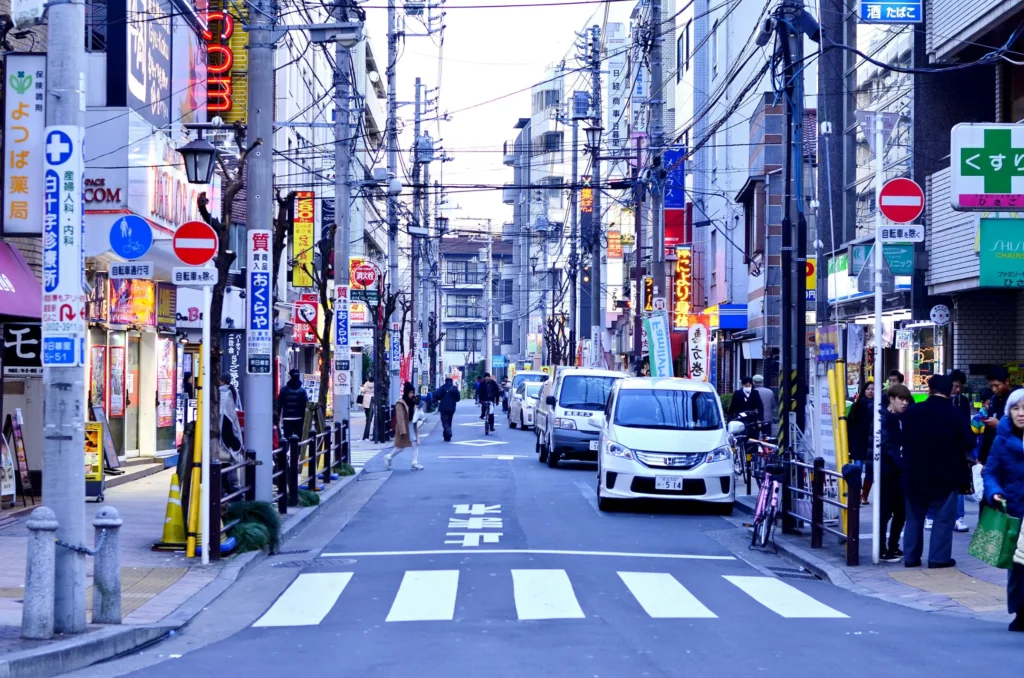
Shibuya and Shinjuku are essential experiences, but the true magic of Tokyo often lies in the places you discover in between. By taking the time to explore these hidden neighborhoods, you’ll gain a deeper appreciation for the city’s incredible diversity and culture. You’ll collect unique memories, enjoy amazing food, and see a side of Tokyo that many visitors miss.
So on your next trip, Bites and Travel dares you to get a little lost. Hop on a local train line, pick a neighborhood that piques your interest, and spend a day exploring. You will be rewarded with a more personal and authentic Tokyo experience.