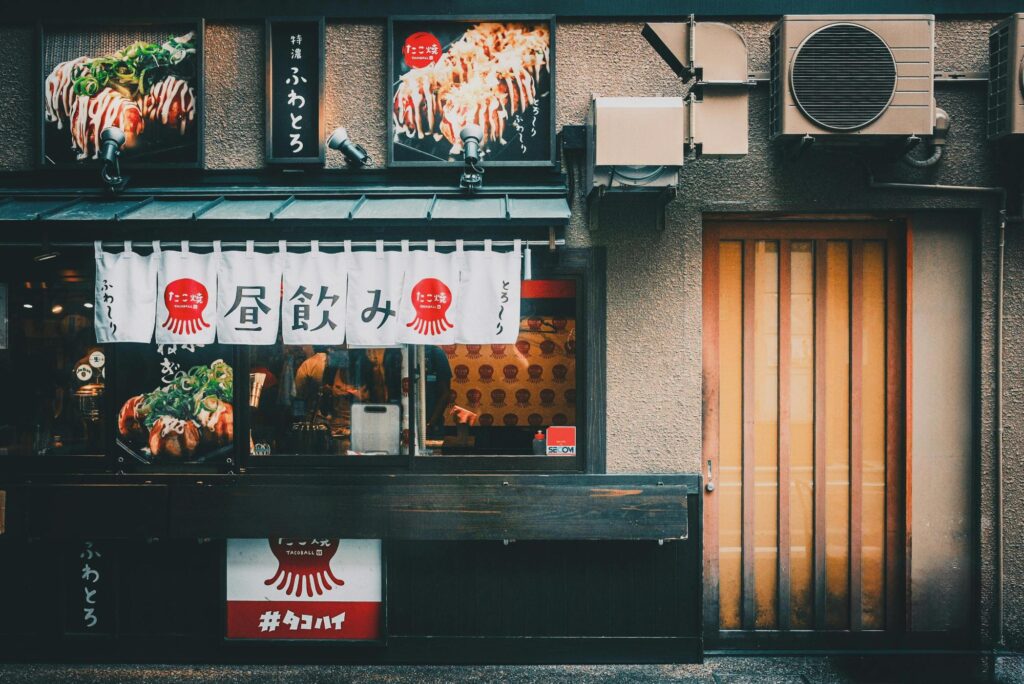
The sizzle of batter hitting a hot, cast-iron takoyaki pan. The flick of a master’s wrist, turning golden-brown, piping hot spheres with practiced speed. The irresistible aroma of grilled octopus and savory toppings wafting through a bustling Tokyo street. This is the magic of takoyaki, a beloved Japanese street food classic that, while often associated with Osaka, has a vibrant and unique culture right here in Tokyo Japan’s populous metropolis.
This is your Tokyo Takoyaki Trail, a journey into the neighborhoods where locals line up for their favorite authentic Japanese takoyaki. We are going beyond the famous intersections and into the heart of Tokyo’s classic street food culture. Get ready to discover hidden gems, learn how to order like a pro, and taste the crispy, gooey, and utterly delicious octopus balls that define this beloved snack. This is where locals actually eat.
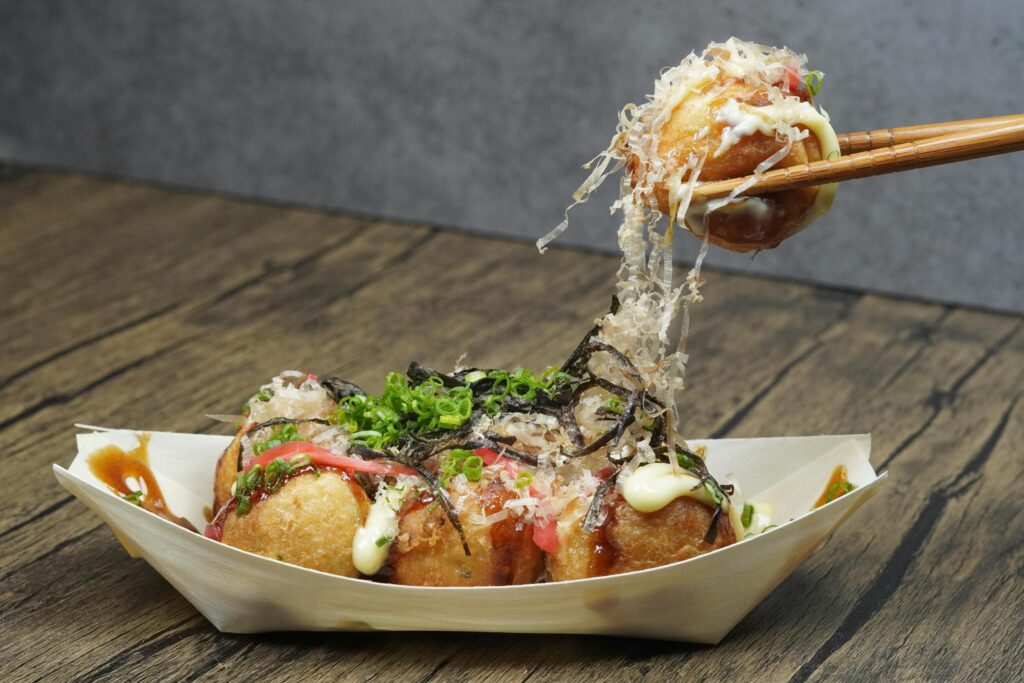
Takoyaki is a perfect example of Japan’s dynamic street food culture, blending traditional flavors with modern twists. Made from a batter often enriched with Japanese soup stock and panko breadcrumbs, these octopus balls are cooked on a specialized takoyaki pan to achieve a golden brown, crispy outer shell and a soft, creamy center. Served with savory takoyaki sauce, Japanese mayonnaise, bonito flakes, seaweed powder, and a side of pickled ginger, it’s a must-try street food when exploring central Tokyo or strolling through popular shopping streets like Nakamise Shopping Street near Sensoji Temple or the bustling stalls at Tsukiji Outer Market.
Whether you’re wandering the lively alleys near Tokyo Bay or exploring the Kanto region, this trail offers a taste of authentic Japanese food culture, far from tourist traps. Join us on a short walk through Tokyo’s neighborhoods to find freshly baked takoyaki alongside other classic Japanese street foods like rice crackers, fish shaped cakes filled with red bean paste or custard cream, and sweet potato snacks. Experience the true essence of eating street food in Japan’s largest island’s capital city.
What Makes Tokyo Takoyaki Special as Japanese Street Food?
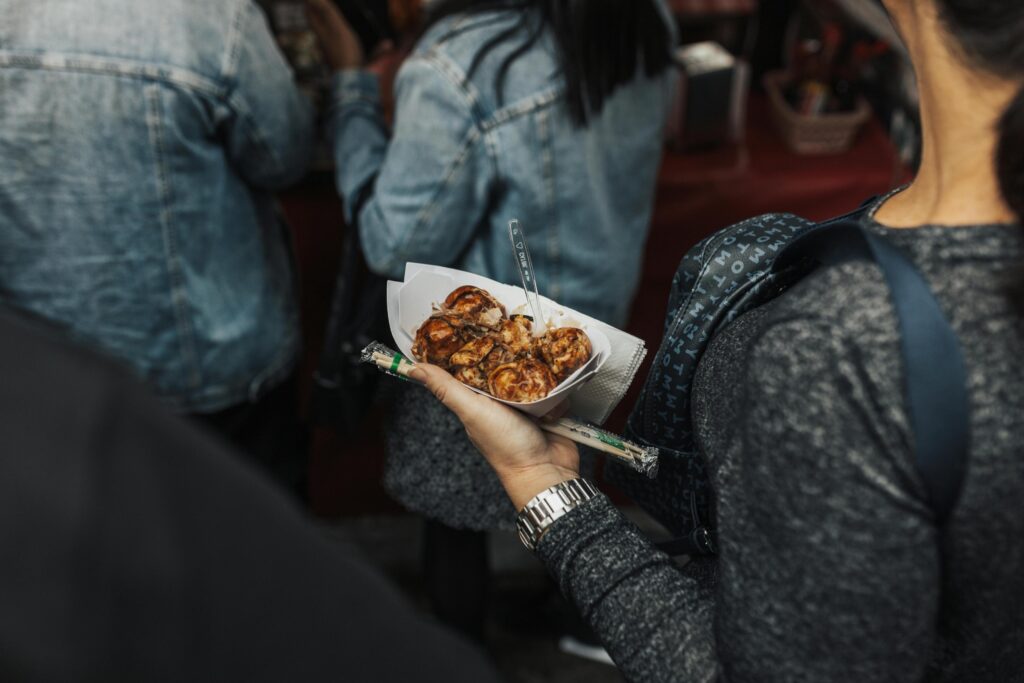
Takoyaki, which translates to “grilled octopus,” originated in Osaka in the 1930s and quickly became a nationwide sensation. While Osaka-style takoyaki is famous for its gooey, almost liquid center, the Tokyo Japan version often features a slightly firmer texture and a crispier outer shell. Tokyoites also love to experiment with toppings and fillings beyond the classic combination, incorporating unique flavors that reflect the city’s vibrant street food culture.
What do locals look for in great takoyaki? It comes down to a few key things. First, a generous piece of octopus in every ball, ensuring fresh fish quality. Second, a perfectly balanced batter made with Japanese soup stock that is flavorful but not too heavy, often enhanced with panko breadcrumbs for texture. Finally, the skill of the chef is crucial. Watching a takoyaki master at work is half the fun, as they effortlessly turn dozens of octopus balls at once on a specialized takoyaki pan, ensuring each one is cooked to golden brown perfection with the right amount of uncooked batter flowing to form a perfectly round shape.
This beloved street food is typically served piping hot and topped with savory takoyaki sauce, Japanese mayonnaise, bonito flakes, seaweed powder, and a side dish of pickled ginger. Takoyaki stands are a common sight near popular areas like Tsukiji Fish Market, Ameyoko Market, and Nakamise Shopping Street, offering easy access to locals and tourists alike eager to enjoy this classic street food snack in Japan’s largest city.
In present-day Tokyo, takoyaki continues to be a staple of Japanese street food culture, enjoyed by people of all ages. Whether you’re exploring the bustling streets near Tokyo Bay or wandering through the Kanto region, these crispy, golden-brown octopus balls are a must-try. They perfectly embody the fusion of traditional Japanese food and modern street food innovation, making them a delicious highlight of your Tokyo Japan culinary adventure.
The Local’s Route: Eating Street Food and Takoyaki in Tokyo

Ready to begin your Tokyo street food adventure? This trail will take you through some of the city’s most interesting neighborhoods, many of which you might recognize from our guide to “Hidden Tokyo Neighborhoods: Beyond Shibuya and Shinjuku.” Experience authentic classic Japanese street food as you explore these vibrant areas filled with street food stalls and local charm.
Gindaco (Multiple Locations, The Local Gold Standard)
Found across central Tokyo (Shibuya, Shinjuku, etc.), before you dive into the hidden gems, you need to know the benchmark. Gindaco is a popular chain, but it’s one that locals genuinely love. Their signature is “crispy outside, creamy inside.” They achieve this by deep-frying the takoyaki for a final finish, creating an addictive crunch. Using a specialized takoyaki pan, they craft octopus balls filled with tender octopus and a batter seasoned with Japanese soup stock, delivering a perfect balance of flavors.
Their classic takoyaki with savory takoyaki sauce, Japanese mayo, bonito flakes, seaweed powder, and pickled ginger is a must. They also offer seasonal variations like cheese and spicy cod roe (mentaiko) toppings.
Tempu (Shimokitazawa)
Located in the heart of Tokyo’s trendiest bohemian neighborhood, Shimokitazawa, Tempu serves takoyaki with a creative twist. This tiny, standing-room-only spot is famous for its unique salt and mayonnaise flavor, which forgoes the traditional brown sauce. It’s a lighter, more savory take on the classic, highlighting the natural flavors of the batter and fresh octopus.
The shio-mayo (salt and mayo) takoyaki is their claim to fame. It’s topped with green onions and a sprinkle of high-quality salt, allowing the flavor of the batter and octopus to shine through.
Ginza Fukuyoshi (Ginza)
Finding affordable Tokyo street food in the upscale Ginza district is a challenge, which makes Ginza Fukuyoshi a true local treasure. Tucked away on a side street, this stall serves classic, no-frills Japanese takoyaki that focuses on quality ingredients. It’s a taste of authentic street food amid luxury boutiques, with a batter made from a blend of fresh produce and Japanese soup stock.
They serve their takoyaki piping hot, with a perfectly creamy center. You can choose from a few different sauces, but the classic takoyaki sauce is the way to go here.
Takohachi (Koenji)
Koenji is known for its punk-rock vibe, vintage stores, and authentic local hangouts. Takohachi fits right in. This is a beloved neighborhood spot where you can grab a plate of takoyaki and a cold beer. The takoyaki here are large, fluffy, and generously filled, made with a batter enhanced by Japanese soup stock and served with traditional toppings including soy sauce and pickled ginger.
Besides the classic, they offer toppings like grated daikon radish with ponzu sauce (oroshi-ponzu), which provides a refreshing, citrusy contrast to the rich takoyaki.
Ehutei (Yanaka Ginza)
Yanaka Ginza is a charming, old-fashioned shopping street (shotengai) that feels like a step back in time. Ehutei is a humble stall that has been serving the community for years. Their takoyaki is a perfect example of traditional Japanese street food, made with care and served with a friendly smile. The batter is infused with Japanese soup stock and includes seasonal ingredients, giving it a rich umami flavor.
Ehutei prides themselves with classic takoyaki done right. The batter has a wonderful dashi flavor, and the pieces of octopus are always tender. It’s simple, comforting, and delicious.
How to Order Like a Local in Japan’s Capital

Ordering takoyaki is simple, even if you don’t speak Japanese. Here are a few tips to help you navigate the process.
- Choose Your Toppings: Most shops will ask about toppings. The standard combination is takoyaki sauce (similar to Worcestershire sauce), Japanese mayonnaise, powdered seaweed (aonori), and dried bonito flakes (katsuobushi).
- Useful Phrases:
- “Sumimasen” (Excuse me) – to get the vendor’s attention.
- “Kore o kudasai” (This one, please) – while pointing.
- “Hachi-ko onegaishimasu” (8 pieces, please). “Rok-ko” for 6 pieces.
- Payment: Street food is almost always cash only. Have small bills and coins ready. You typically pay when you order.
Insider Tips for the Ultimate Takoyaki (Octopus Balls) Experience
- The First Bite is Hot: Be careful! Freshly made takoyaki has a molten-hot center filled with piping hot octopus balls. Locals often poke a hole in the top to let some steam escape before taking a bite.
- Look for the Line: The best indicator of a quality takoyaki stall is a line of locals. If people are willing to wait, it’s probably worth it. These street vendors in Tokyo Japan serve some of the most beloved street food in the city.
- Pairing Suggestions: A cold beer or a chilled green tea is the perfect companion to a hot plate of takoyaki, a classic Japanese street food typically sold at street food stalls across the populous metropolis.
- Eat It There: Takoyaki is best eaten immediately while the outside is crispy and the inside is creamy. Find a nearby bench or standing area in popular shopping streets like Nakamise Shopping Street or near Tsukiji Outer Market to enjoy it at its peak, alongside other fresh seafood and Japanese food specialties.
Your Tokyo Takoyaki Adventure Awaits
The takoyaki trail is more than just a food tour; it’s a way to explore the real Tokyo Japan and immerse yourself in authentic Japanese culture. It’s an adventure that takes you into lively neighborhoods, down charming shopping streets, and right to the heart of the city’s incredible Japanese street food culture. Each street food stall has its own story and its own unique take on this beloved snack, made with fresh seafood and traditional ingredients like Japanese soup stock.
So, use this guide as your map, but don’t be afraid to wander. The next great Japanese takoyaki spot might be just around the corner, waiting to be discovered near popular areas like Tsukiji Market, Ameyoko Market, or close to iconic landmarks such as Tokyo Skytree. Happy hunting, and even happier eating!