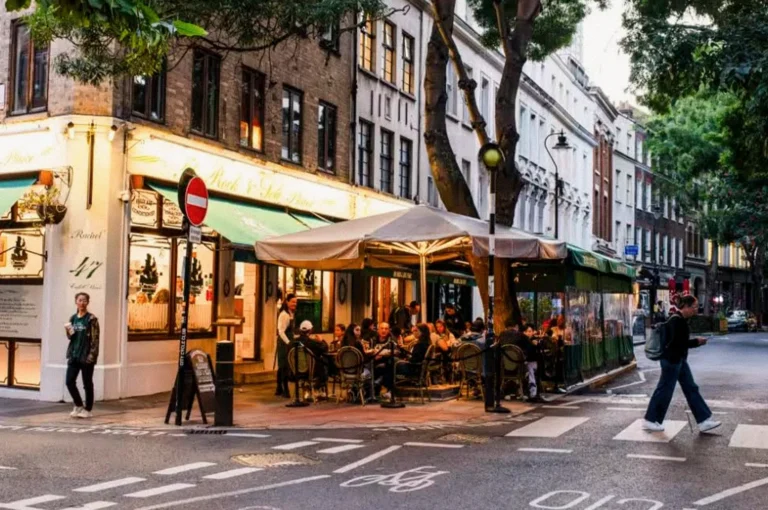
It usually hits you somewhere around six in the evening. The workday loosens its grip, the heat still clings to your collar, and Singapore begins its slow exhale into neon. You stand on a corner, phone in hand, stomach already thinking ahead, and ask the oldest question in the city: where to dinner?
Come sit with us for a moment before you decide. Because when you do not know where to go dinner, there is a quiet wisdom in choosing local. The familiar smell of woks firing, the clatter of plates, the steam curling above a metal bowl; these are the things that turn indecision into comfort.
Dinner in Singapore does not always need a grand plan. Sometimes the best dining experience begins with a Google Map search, a hungry walk, and the willingness to follow the scent of something good.
The Comfort of the Familiar: Introducing Maxwell Food Centre
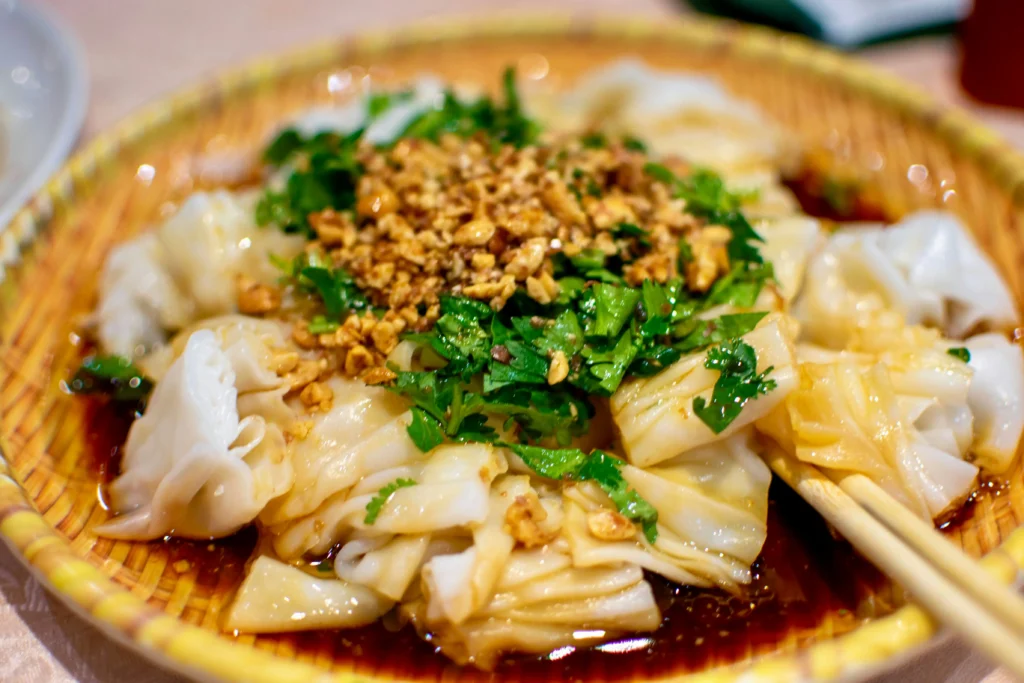
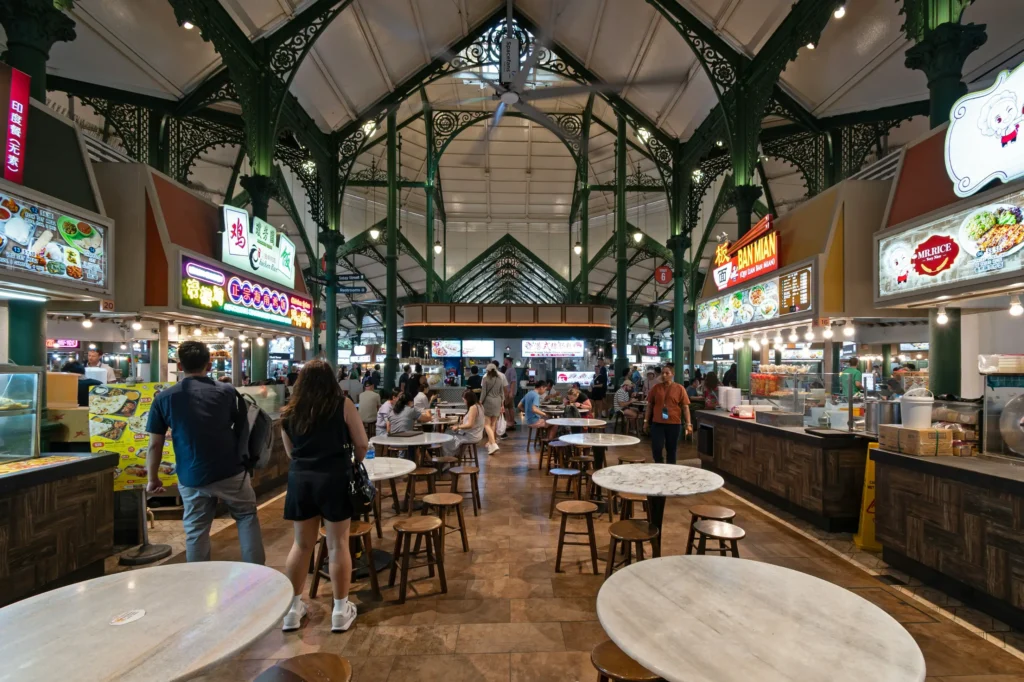
On nights like this, the hawker centres call first like the food at Fortune Centre. There is something honest about them. No reservation, no fuss, just shared tables, bright lights, and the friendly bark of an uncle asking what you want.
Maxwell Food Centre is where many diners go when the choice feels too heavy. You walk in, and the queue tells you everything. People will line up twenty deep for chicken rice, and they are right to. A plate of Hainanese chicken rice (poached chicken, fragrant rice cooked in stock, a small dish of chilli sauce on the side) rarely costs much, and it tastes like the best version of an ordinary day.
The chicken is silky. The rice glistens. The chilli wakes you up. Go before seven if you can, because the best hawker stalls sell out, and the auntie at the front may simply shrug and point you elsewhere.
This is the gift of hawker culture. You do not overthink. You follow your nose, watch where locals queue, and trust that the hands behind the counter have been doing this, in many cases, for three generations.
A City Told Through Bak Kut Teh, Chaw Kway Teow and More
The lovely thing about local dining is that no two meals need to taste the same. One evening you crave the smoky char of char kway teow, slick with dark sauce, studded with cockles, and tangled with bean sprouts. The next, you want hor fun under a silky gravy, or a spicy noodle soup that fogs your glasses and clears your head.
When the rain comes and you want something to hold onto, bak kut teh answers. The pork bones simmer for hours until the broth turns peppery and clean, white pepper sharp on the tongue, the meat falling away at the nudge of a spoon. Pair it with rice and a pot of tea, and you understand why diners linger.
There are smaller pleasures scattered across every hawker centre too. A plate of oyster omelette, crisp at the edges and soft in the middle. A slice of fish cake, springy and faintly sweet. A spoonful of minced pork tucked into noodles. Roast meats hanging behind glass, from char siu to duck, their lacquered edges catching the light. Fried chicken stacked hot and golden, waiting for someone who wants a comforting crunch. None of it is showy. All of it is delicious food made by people who care.
Local Dining When One Craving Becomes Many
Ask what to eat in Singapore, and the answer changes depending on the hour, the weather, and who is sitting across from you.
For breakfast, it may be Ya Kun Kaya Toast, where kaya toast arrives crisp and warm beside soft eggs and strong kopi. The sweetness of kaya, the steam rising from coffee, the simple rhythm of dipping toast into egg; this is an authentic taste of a city that knows how to begin gently.
By lunch, the appetite shifts. Nasi lemak brings coconut-rich rice, sambal, anchovies, egg, and sometimes fried chicken or fish. Roti prata tears apart in buttery layers, ready to be dragged through curry. Peranakan food offers deeper, slower pleasures: young jackfruit stewed with spice, rich gravies, and dishes that feel like they carry memory inside them.
By dinner, the city opens wider. Fresh seafood appears on the table. Chilli crab stains fingers with sauce. Fish is cooked simply or dressed with garlic butter. Beef is grilled, noodles are tossed, small plates are shared, and the meal becomes less about choosing one dish than letting the table fill slowly.
This is why Singapore restaurants can feel so generous. They give you a world of food without asking you to leave the island.
Neighbourhood Warmth After Dark
Some nights, though, you want walls and a fan and a table you can settle into. That is when the neighbourhoods come alive. Each location has its rhythm, its regulars, its hidden gems. And in every one of them, good food becomes habit. Habit becomes memory. Memory becomes the reason you return on your next visit.
Best Restaurants in Holland Village
In Holland Village, casual restaurants spill onto the street, and you can order small plates with refreshing drinks; perhaps lime juice over ice, or if you are feeling festive, a Singapore Sling at a nearby bar. Over in Jalan Besar, old shophouses hide quiet corners where coffee is strong, supper stretches late, and dinner feels wonderfully low-key.
Best Hawker Stalls in Kampong Glam
Kampong Glam glows golden at dusk, its lanes carrying the scent of grilled meat, curry, and spice. Casual eateries serve bold flavors until the night softens. In Little India, the air itself feels seasoned. A plate of curry with basmati rice, roti prata torn and dipped, vegetables cooked until tender, and the whole table sharing because that is simply how you eat here.
Best Dining in Orchard Road
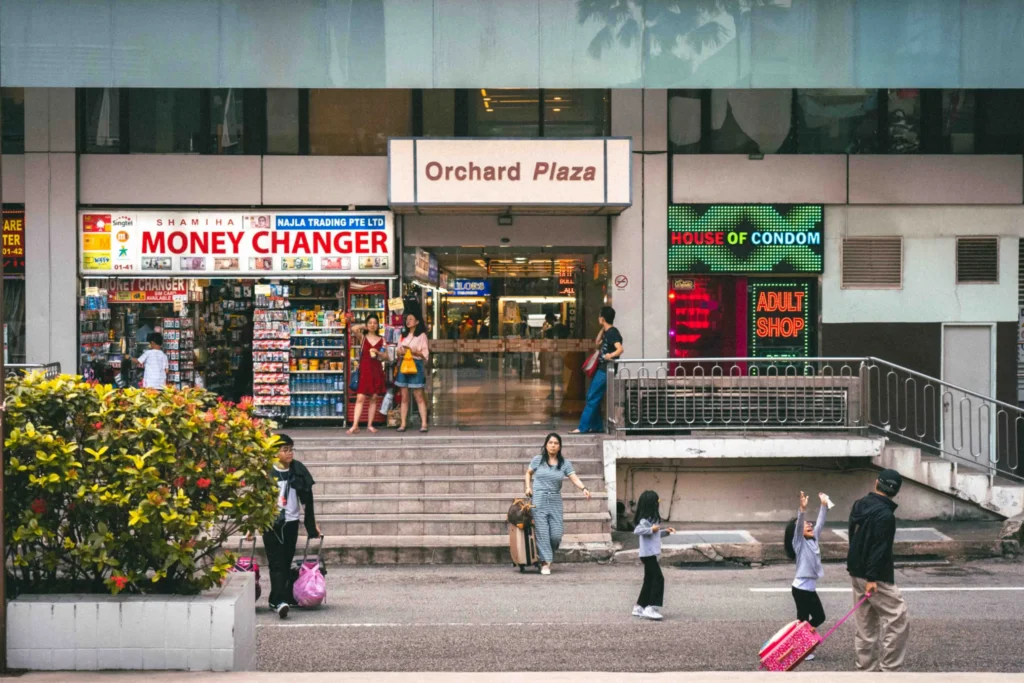
Orchard Road has its own version of dinner. Between malls and hotels, restaurants offer everything from quick meals to polished dining rooms, depending on how much time and appetite you have. Some are simple. Some are sleek. Some become a great restaurant not because they are famous, but because they fit the evening perfectly.
When the Best Singapore Restaurants Offer a Small Splurge
Of course, some evenings ask for more. Singapore restaurants at the higher end have earned their place too. Along Orchard Road, Marina Bay, and beyond, you will find some of the best Singapore restaurants offering polished rooms, careful service, and signature dishes that turn dinner into an occasion.
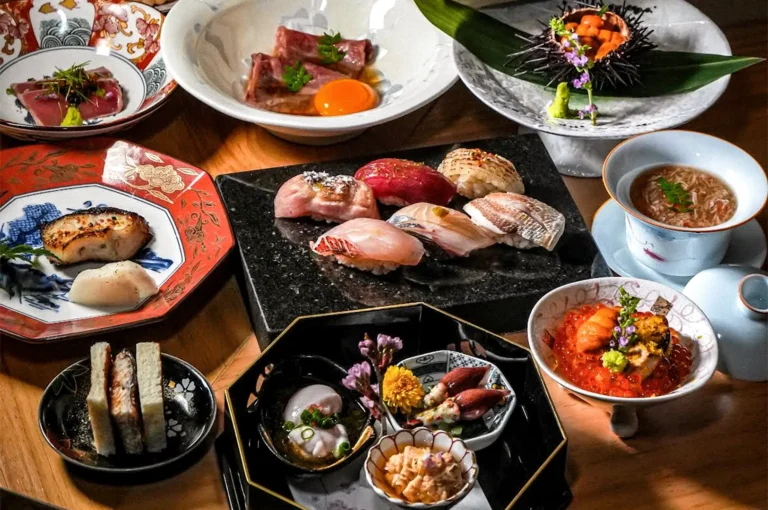
There are Michelin starred restaurants here as well, where dishes arrive like small works of art. Burnt Ends, with its open fire and a bar where you can watch beef, fish, and other ingredients cooked over flame, is one of those Michelin starred names that makes dinner feel theatrical.
It comes at an extra cost, naturally. But there is no shame in the occasional treat. The point is not that fine dining or the best restaurants are better than hawker stalls. It is that both belong to the same city, the same appetite, the same love of eating well.
A meal in Singapore can be a five-dollar plate of chicken rice or a carefully paced dinner in one of the best Singapore restaurants. Both can be delicious. Both can be memorable. Both can tell you something about the city.
A Love Letter to the Everyday Eat in Singapore
So why does local dining so often feel like the answer? Bites and Travel says it’s because it asks nothing of you but your hunger. It does not require planning or pretense. It meets you tired and lets you leave full, the street food vendors and hawker stalls holding the city’s heart in their ladles, knives, steamers, and woks.
This is our small love letter to everyday Singapore dinners: to shared tables, late suppers, aunties who remember your order, and unplanned meals that become the ones you talk about later. To the chilli sauce that makes a simple plate sing. To the fragrant rice that tastes like home even if you are only visiting. To the roast meats, noodles, curry, soup, and seafood that remind you how much a city can say through food.
When you do not know where to dinner, trust the familiar. Follow the steam, the queue, the open door, the bright stall light, the sound of plates landing on a table. And on your next visit, come hungry. There will always be a seat saved somewhere, and a plate worth waiting for.