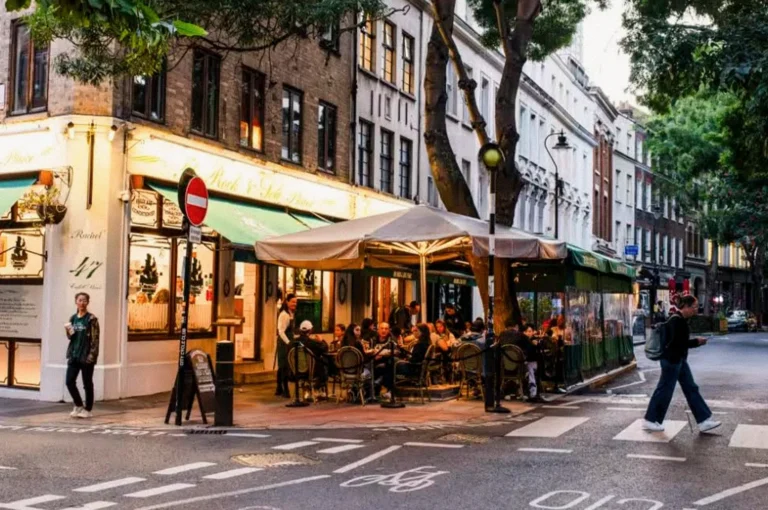
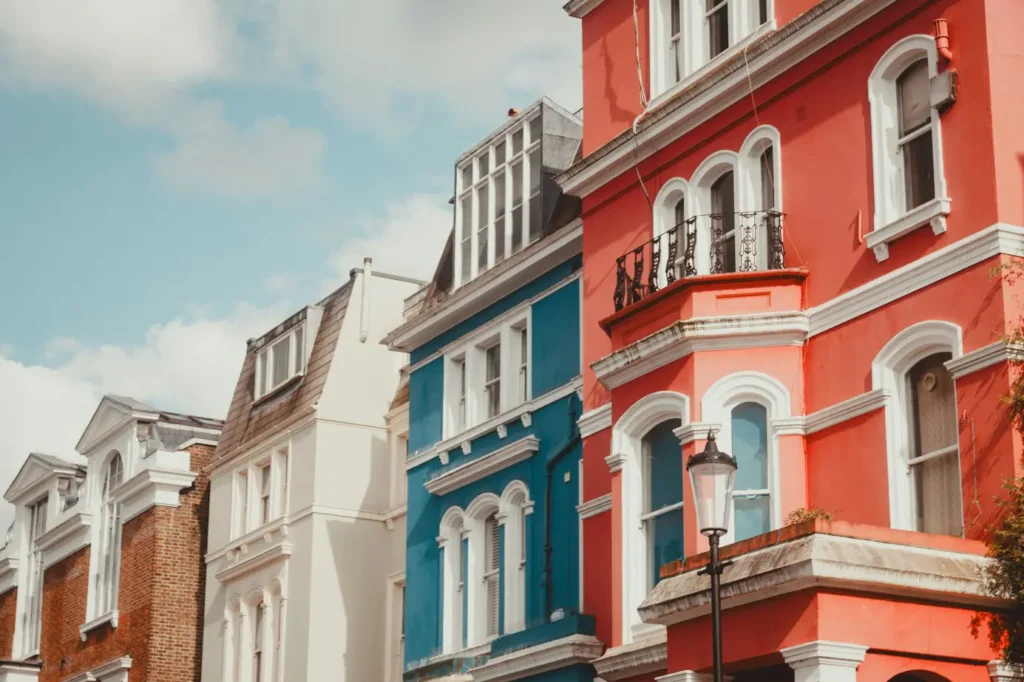
The light goes soft in Notting Hill near the end of the day, settling over pastel terraces as if it has decided to stay a little longer. Dusty pinks, faded greens, and buttery yellows hold the glow differently, each façade catching a slightly different version of the afternoon. Somewhere a door opens, a fork meets a plate, and the street feels briefly paused between moments.
This is a neighbourhood built on thresholds as of most of London like in this article. Every painted door feels like a quiet promise of something happening just out of sight. We came to step through a few of them, not to collect places or rank them, but to sit down, eat slowly, and see what each room would reveal.
You do not move quickly here. Notting Hill asks for a slower rhythm, the kind where you notice the steam on glass and the sound of ovens behind walls. So we followed that pace, one door at a time.
A Quiet Morning Behind the Bakery Door
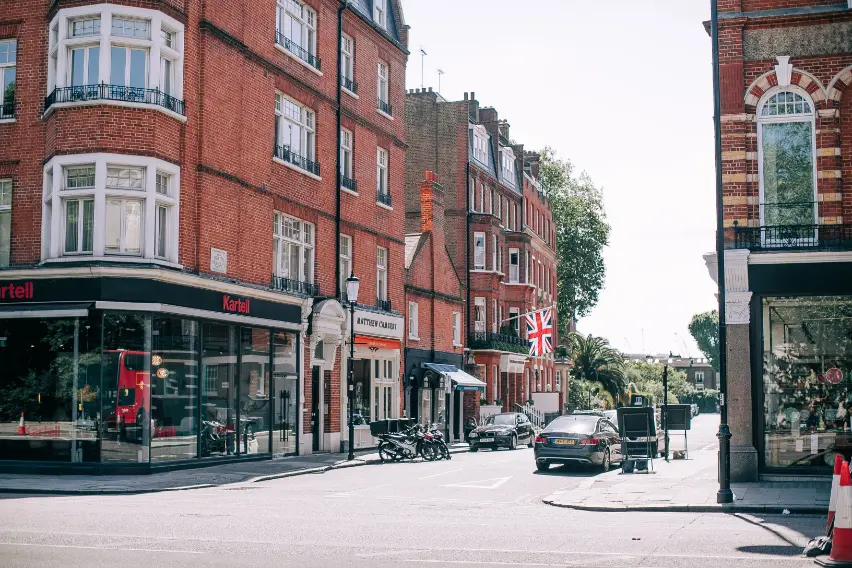
We began in the morning, when Notting Hill still feels half-asleep and bakeries are at their most honest. The air outside is cool, but inside the scent of butter and dough fills the room immediately, warm and grounding. Light filters through a side window and lands softly on wooden tables.
At the back of one small bakery off the main road, there is a table most people walk past without noticing. The oven sighs in the background, and flour hangs faintly in the air like a memory of everything that has been baked before. It feels like a room that belongs more to time than to place.
We ordered a cardamom bun and a coffee. The bun was still warm enough to soften the butter instantly, pulling apart in long, tender strands. The baker told us it came from a family recipe carried across countries, adjusted slowly over years.
We stayed longer than planned, watching people come and go from the front counter. Nothing rushed us, and nothing needed to. It was the kind of start that makes the rest of the day feel softer.
The Market Corner That Never Stands Still
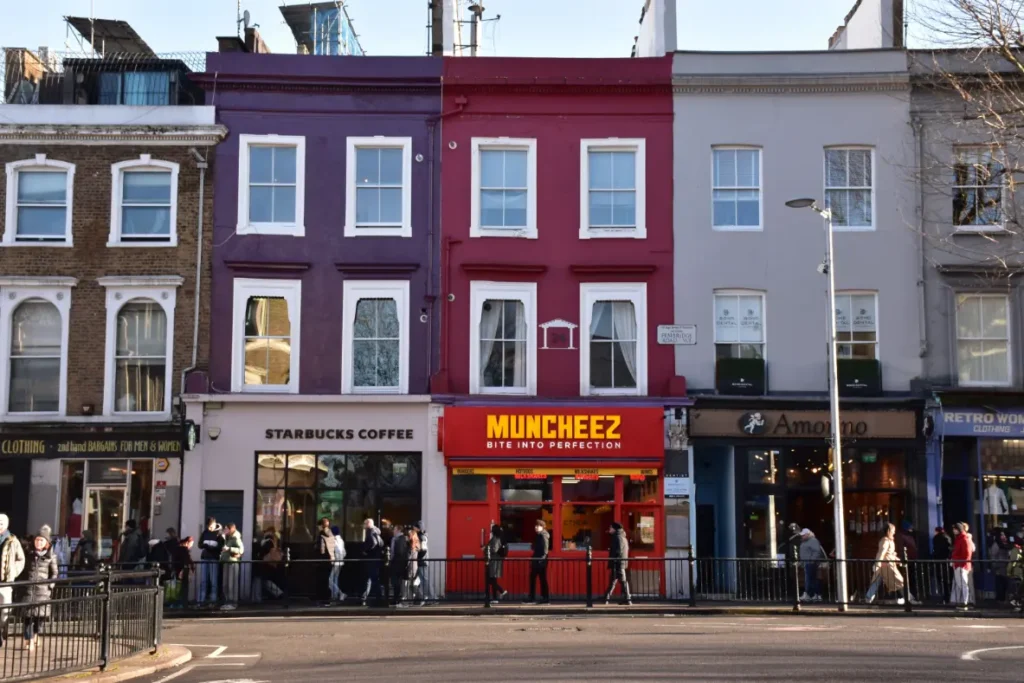
By mid-morning, Notting Hill shifts into movement. The streets fill with stalls, folding tables, and the sound of conversation layered over cooking oil and metal trays. It is no longer quiet, but it is alive in a different way, full of rhythm and colour.
At the corner of the market, food from different places comes together without trying to blend. Spices rise from one stall, fruit from another, and something fried appears just as you think you have taken it all in. It feels less like a market and more like a conversation happening in many languages at once.
We stopped for goat curry folded into warm roti, eaten standing on the pavement. The meat was slow-cooked until it gave way easily, rich and deeply spiced without being heavy. The stall owner barely looked up as he worked, only saying his father had once sold from the same spot.
We ate quickly but not carelessly, watching the street move around us. Saturdays are louder here, but even on quieter days the energy stays. It is the kind of food that does not need ceremony to feel complete.
Afternoon Light at the Window Café
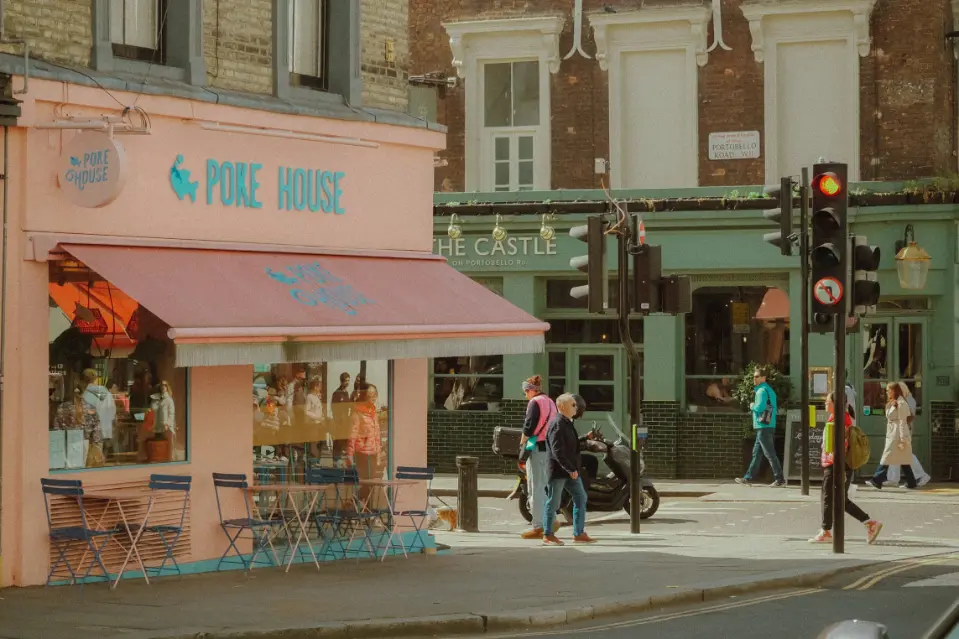
The afternoon in Notting Hill asks for stillness. There is a café tucked slightly away from the main flow where the windows fog softly at the edges and time seems to loosen its grip. Inside, the light is gentle, never harsh.
The café feels lived in rather than performed. A staff member mentioned she had worked there for years and could recognise returning faces even after long gaps. That detail stayed with us longer than the cake.
We stayed through one cup, then another half cup, without rushing to leave. The kind of afternoon that does not demand attention, only presence, is rare in a city like this.
A Small Staircase to Dinner
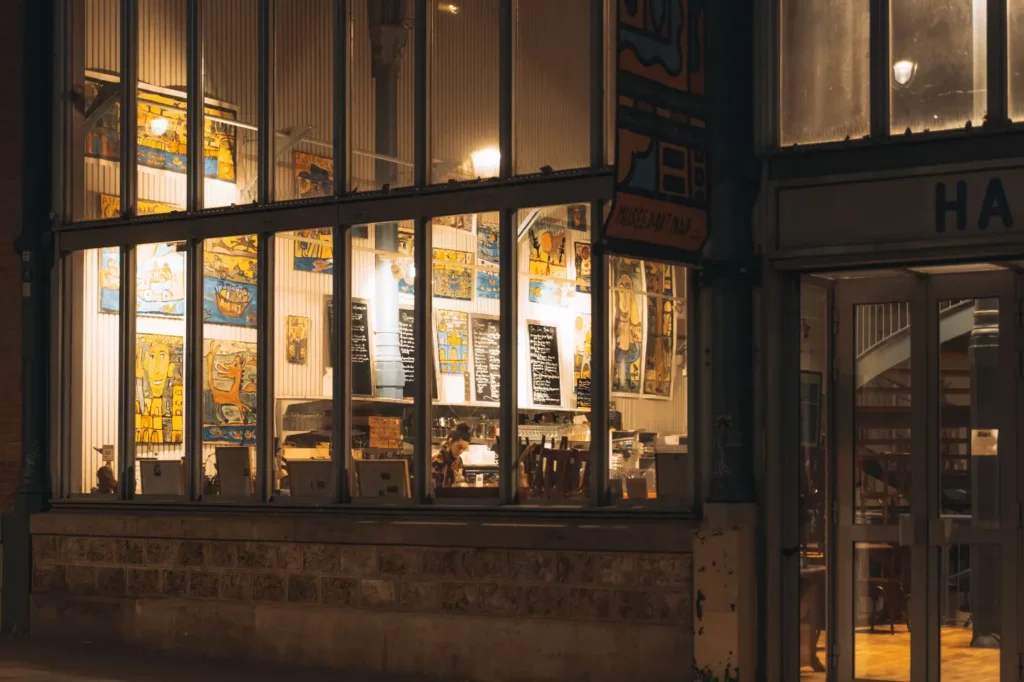
Dinner waited up a narrow staircase in a room that felt more like a home than a restaurant. The tables were close but not crowded, lit by candles that softened every edge. The sound of conversation folded into itself gently.
The food arrived without noise or explanation. A piece of fish with crisp skin and soft flesh underneath, roasted vegetables with edges just turning golden, bread placed simply on the table. Everything felt honest, shaped by season rather than statement.
The chef came out briefly between courses and spoke about cooking with family. The place was small, run with care rather than scale. It felt like a shared effort rather than a performance.
We ate slowly without thinking about it. The room encourages that kind of pacing, where time is measured by plates rather than clocks.
Closing the Doors Behind You
We walked back toward the station with the taste still lingering. Notting Hill always feels different when you leave it than when you enter it, as if the experience rearranges itself quietly behind you.
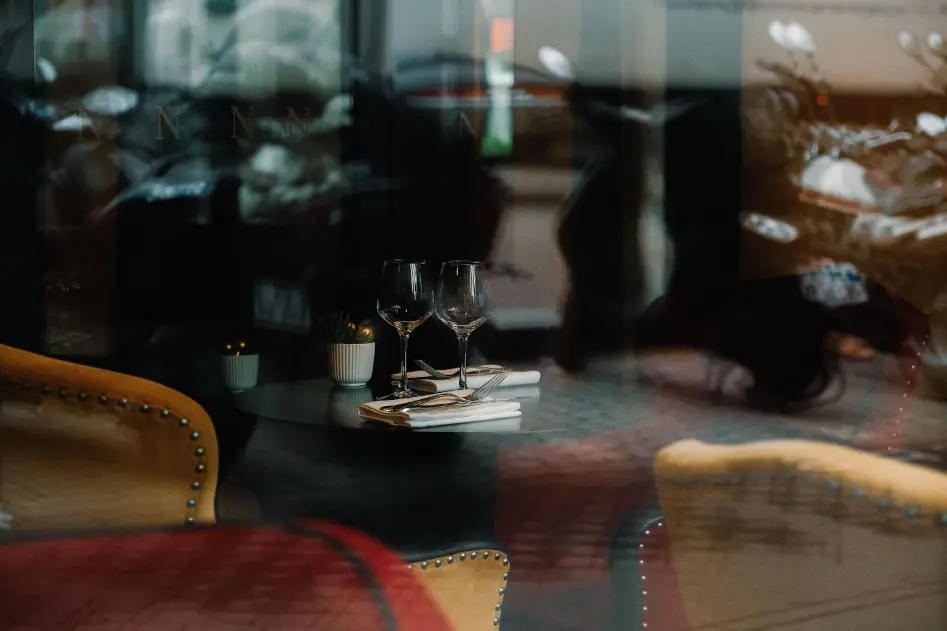
The street shows you painted doors and pastel façades, but the real memory sits inside the rooms. A bakery table, a market corner, a café window, a wine bar, a staircase dinner. Each one feels separate but connected through pace rather than place (like something we experienced when writing about this article).
You do not find them by rushing. You find them by slowing down enough to notice when a door feels slightly open. And once you do, the neighbourhood becomes something you move through differently.
The doors will still be there when you return.