
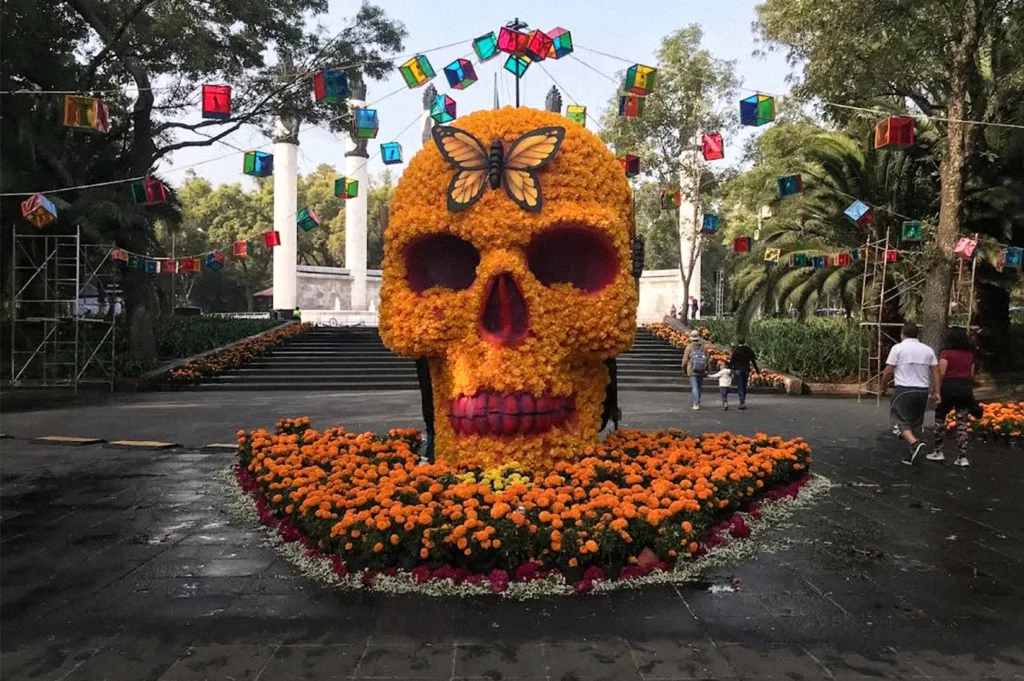
I fell for Mexico the way you fall for a song you didn’t know you’d been waiting to hear.
It happened fast. The heat pressing warm against my neck. The marigold orange of a wall I passed three times just to look again. Somewhere down the street, a radio played, and a boy sold something sweet from a cart, calling out prices in a language I only half-followed.
I kept thinking about Coco. Not the plot; the feeling. The film had prepared me for something, though I didn’t understand what until I was standing inside it. The color. The closeness. The way music seemed to live in the walls here, not on top of them. It wasn’t the Mexico of postcards. It was lived-in, worn soft at the edges, real.
I ducked into a small shop to buy shoes.
It was dim and close inside, the air thick with leather and the dust that gathers in places where the sun only reaches partway. Shelves leaned. Sandals hung from hooks. Outside, the street kept talking: horns, laughter, the scrape of a chair.
And in the corner sat a grandmother.
Her hands moved slowly over a strap she was mending, brown and steady, the hands of someone who had done this a long time. She was humming. Low, almost to herself. The melody curled through the shop like smoke, beautiful and a little broken, the kind of tune that seems to grieve something even before you know the words.
I didn’t recognize it. But it felt familiar, like something I’d heard once, half-asleep, in the dark of a cinema.
I tried on a pair. Simple leather, still stiff. And when she paused her humming to name the price, I asked.
“That song. What is it?”
She looked up. Her eyes were kind and tired at once.
“La Llorona,” she said.
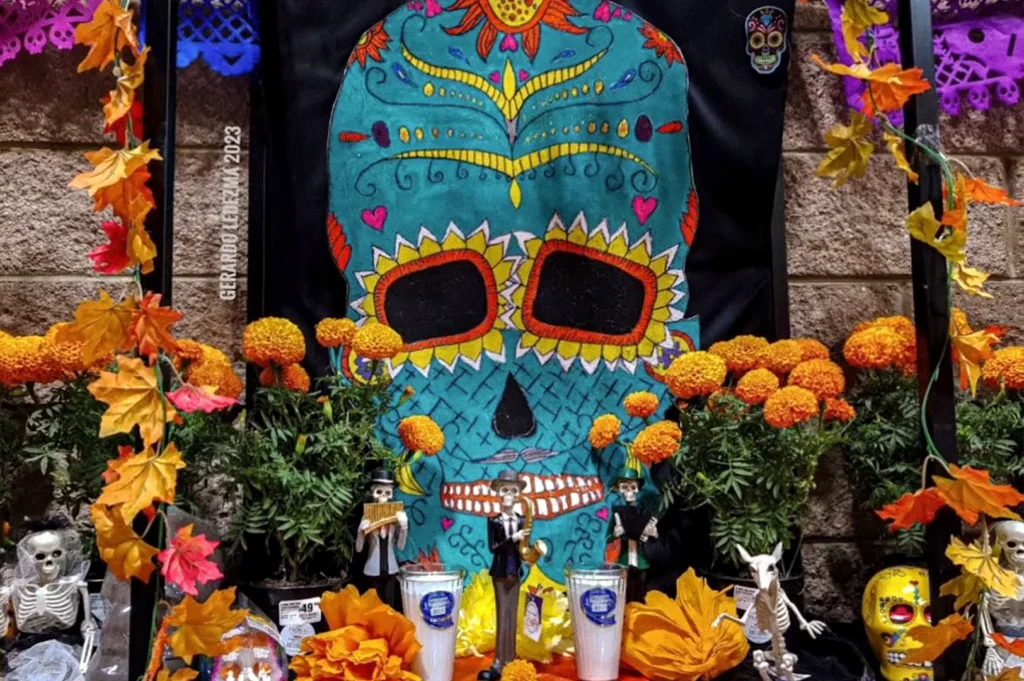
The shopkeeper, a younger man near the door, filled the quiet. The weeping woman, he explained. A mother who lost her children to the river. Now she wanders, still searching, still crying for them. “Ella no puede dejarlos ir,” the grandmother added softly. She cannot let them go.
She said it plainly. Not as a ghost story. As something closer to truth.
I paid for the shoes and didn’t leave right away.
I understood then what Coco had gotten right. Not the details: the marigolds, the candles, the names. Something underneath all that. The stubborn, aching way we keep our dead close. How remembering someone is its own kind of love, one that refuses to end just because a life did.
The grandmother went back to humming.
And I thought: grief is wonderful and disastrous in the same breath. It is love with nowhere left to go… so it stays, it circles, it hums in the corner of a shoe shop for the rest of your days.
That’s the danger of it. And the devotion.
I walked out into the bright noise of the street. The horns returned. The boy still called his prices. The heat found my neck again.
But behind me, growing fainter, the hum went on: the weeping woman, the searching mother, the song that will not let anyone be forgotten.
I carried it with me. I think I still do.