Otaru is known for its fresh seafood, and few dining experiences capture the appeal of Hokkaido quite like a sushi omakase. Overlooking the historic Otaru Canal, Otaru Masazushi Zenan offers diners a chance to enjoy Japanese seafood in a setting that brings together the charm of the canal district and the tradition of chef-selected sushi.
For our visit, we opted for the Omakase Course, leaving the selection of sushi to the chef. With seasonal ingredients at the heart of the experience, the course offers a different way to explore Hokkaido’s seafood beyond the usual sushi sets and rice bowls.
If you’re planning a visit to Otaru and considering a sushi meal near the canal, here’s what to know about Otaru Masazushi Zenan, from its omakase offerings and prices to reservations and practical details.
Where Otaru Masazushi Zenan Sits
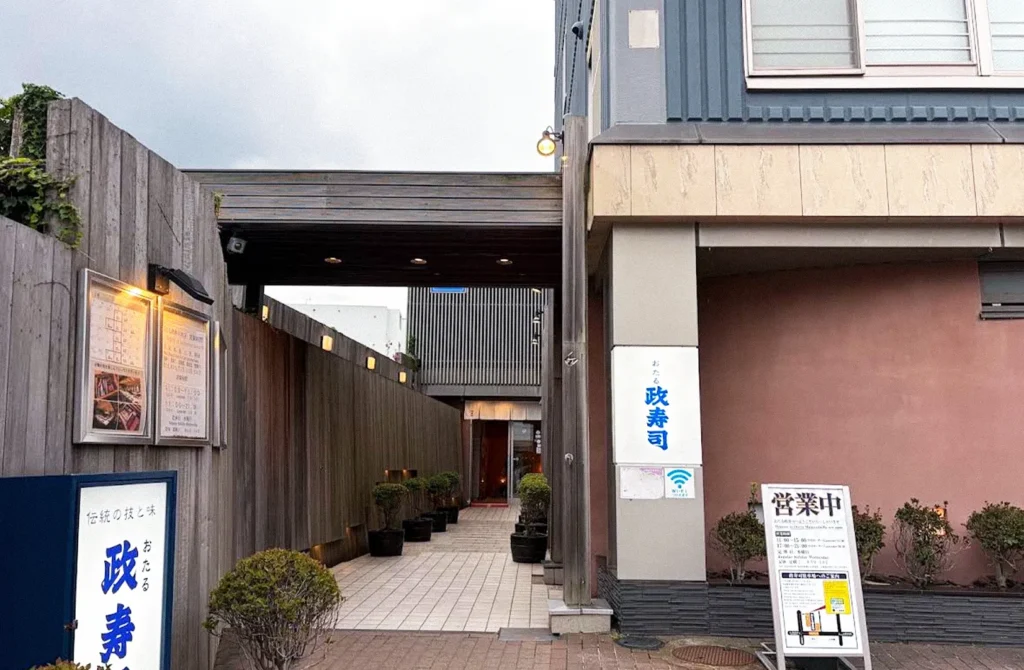
Located at 1-2-1 Ironai, near the historic Otaru Canal, Otaru Masazushi Zenan is part of the Otaru Masazushi group, with a setting that makes the surrounding canal district part of the dining experience.
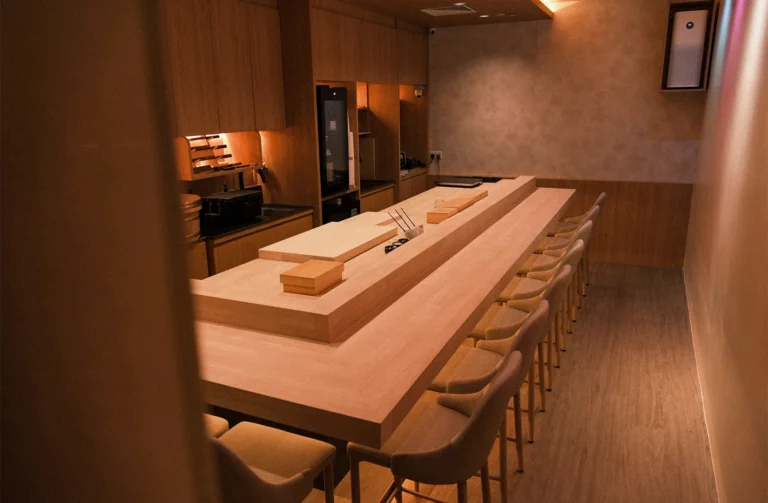
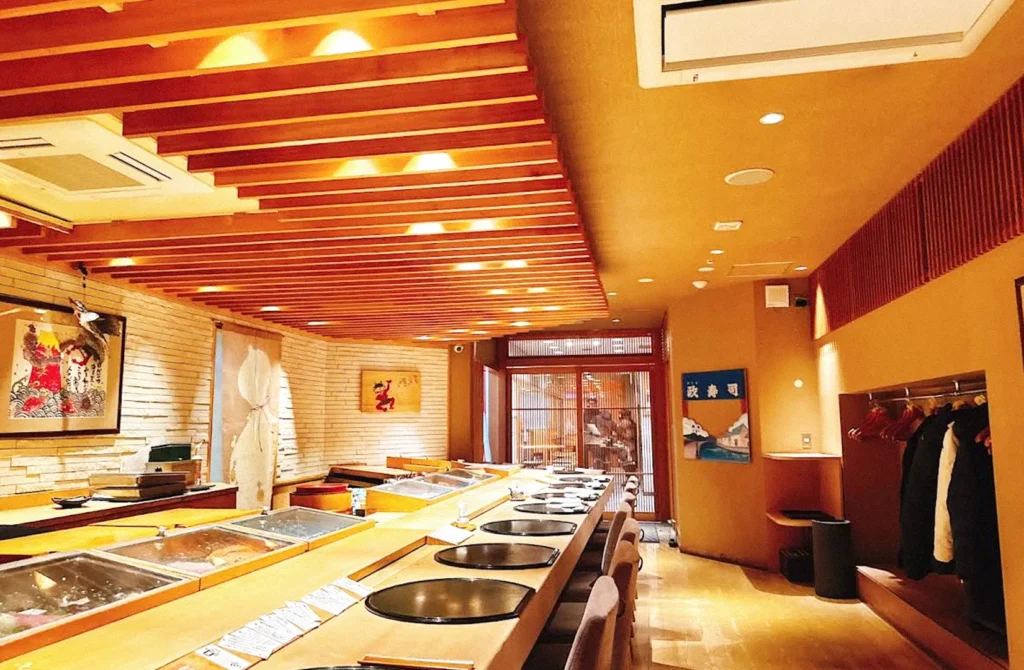
The canal was one of the reasons we chose this branch. Through the broad windows, the old canal district provides a scenic backdrop, while natural wood finishes and gentle lighting give the dining room a warm, welcoming feel.
Otaru is just one of the many destinations worth exploring in Hokkaido. If you’re planning a longer trip, check out our guide to Hokkaido attractions for more places to visit and experiences to include in your itinerary.
With seating for around 80 guests, Zenan is more spacious than an intimate sushi counter. The restaurant offers counter seats, regular tables, and private rooms for smaller groups, making it a practical option for couples, families, and larger parties. However, those looking for a quieter, more personal omakase experience may find the atmosphere different from that of a smaller, traditional sushi restaurant.
The Omakase Course
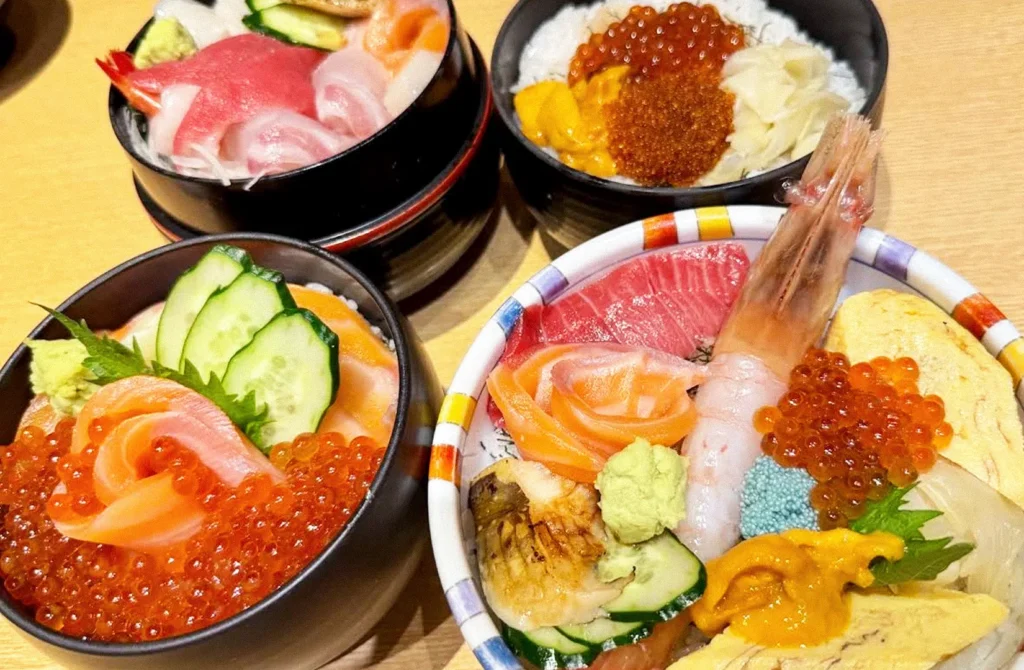
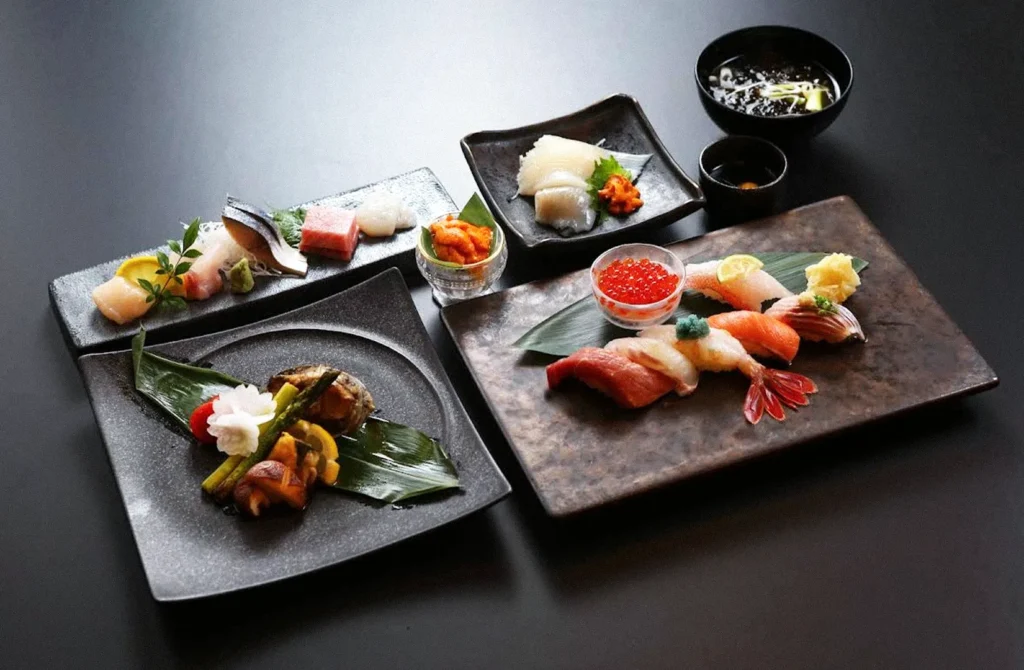
We decided to go with the Omakase Course at ¥15,400 per person, leaving the selection of sushi to the chef rather than picking individual pieces from the menu. For us, that was part of the appeal of ordering omakase. Instead of deciding what to eat next, we could let the chef take the lead.
Otaru Masazushi Zenan offers three counter courses, ranging from the Gensen Course at ¥13,200 to the Premium Course at ¥19,800. The Omakase Course sits between the two, making it an option for diners who want a chef-selected meal without going straight for the most expensive package.
Please note that the Gensen, Omakase, and Premium courses are available for counter seating only. If you prefer a table or window-side seat, check the restaurant’s other menu options and reservation plans before booking
Since the selection follows the seasons, the dishes can change depending on when you visit. That also means the experience may look a little different for the next person who takes a seat at the counter.
Getting to Know the Seafood
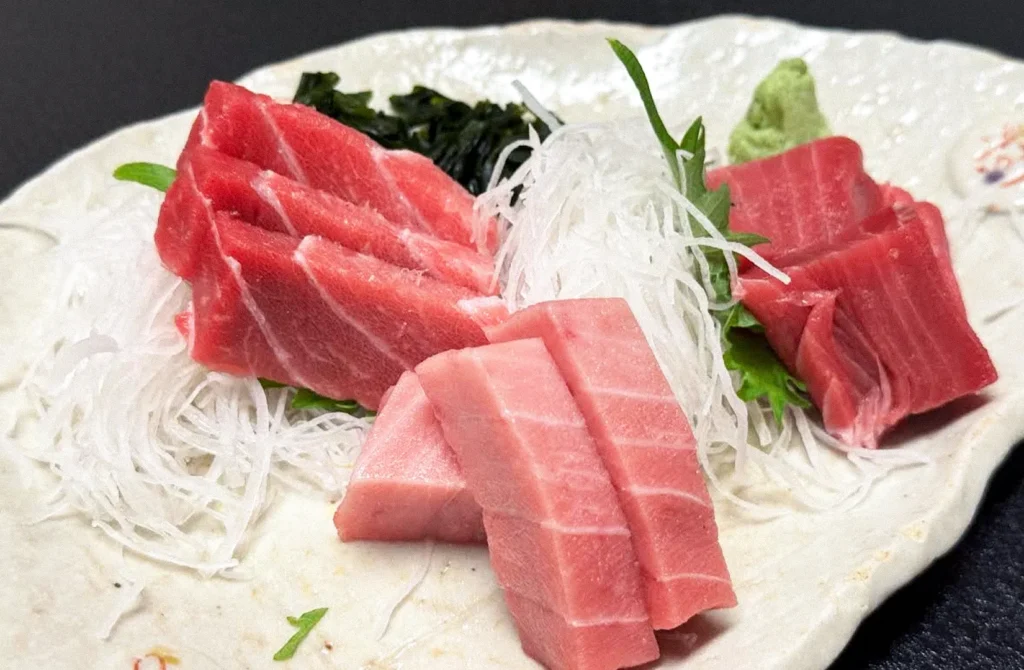
One of the things we appreciate about sushi is how much variety there is in something that can look deceptively simple. Different cuts of fish and types of seafood bring their own textures and flavours, which is part of what makes an omakase meal interesting.
Otoro, the fatty belly of tuna, is known for its rich, buttery texture. The uni or sea urchin, is creamier, with a distinctive briny sweetness. Both are popular choices for diners who enjoy richer seafood flavours.
Then there is botan ebi, a sweet shrimp prized for its delicate flavour, and hotate, or scallop, which has a naturally sweet taste and tender bite. Ikura, the bright orange salmon roe, offers something different altogether, with little bursts of salty flavour. Salmon is a familiar choice for its mild richness, while ika somen features squid sliced into fine, noodle-like strands.
Ika somen is particularly interesting to look out for at Otaru Masazushi, as other diners described a version served with sea urchin and quail egg sauce. It is a combination that brings together the delicate texture of squid and the richer flavours of its accompaniments.
Ordering in Another Language
If you’re visiting from overseas, ordering in Japanese can feel a little intimidating at first. Having food photos to refer to makes it easier to identify what catches your eye, while a translation app can help when you’re unsure about a dish’s name or ingredients.
We’d recommend keeping your phone handy and taking your time with the menu. You don’t need to know every Japanese seafood term before sitting down to enjoy sushi, and a little help with translation can make the process less daunting.
Waiting, and Booking
If you’re planning to visit Otaru Masazushi Zenan, we’d recommend checking your reservation options before heading over, particularly if you’re travelling with a larger group or hoping to sit by the window.
Walk-ins are possible, but availability depends on how busy the restaurant is, and reception may close early when the restaurant reaches capacity. Groups of five or more should arrange their visit in advance rather than rely on a same-day walk-in.
Reservations can be made through TableCheck, where you can review the available seating options, including counter seats, tables, and window-side seating. If the canal view is one of the reasons you’re visiting, pay close attention to the seating details before confirming your booking. Some reservation plans also require a credit card.
Hours, Prices, and Getting There
Before making the trip, it helps to know what to expect from the menu and the restaurant’s operating hours.
Otaru Masazushi Zenan serves lunch from 11:00 AM to 3:00 PM and dinner from 5:00 PM to 9:00 PM. Last orders are at 2:30 PM and 8:30 PM, respectively, and the restaurant is closed on Thursdays. Hours may vary during holidays, so it’s worth checking ahead.
There are options for different budgets, too. Rice bowls range from ¥2,420 to ¥3,080, while the kaisen chirashi is priced at ¥2,920. If you’re planning to make the meal a special occasion, the omakase courses range from ¥13,200 to ¥19,800 per person, including tax.
From JR Otaru Station, you can take a taxi for a short ride of around three to four minutes. Alternatively, the Chuo Bus Yamanote Line stops at Honkyoku-mae. If you’re driving, the restaurant has parking for nine cars.
What to Weigh Before You Go
Price. The courses are a real expense, especially for a family or a group.
Queues. Walk-ins may wait. Booking takes the guesswork out.
The tablet. It is mostly in Japanese. It is manageable, but worth knowing about.
The view. Not every seat faces the canal. If the water is why you’re coming, book a window-side table. Even then, check what your booking includes.
Intimacy. With around 80 seats and a location busy with visitors, Zenan is not a small, hushed counter. If you want a quiet room and a chef speaking only to you, this may not be it.
Is Otaru Masazushi Zenan Worth a Visit?
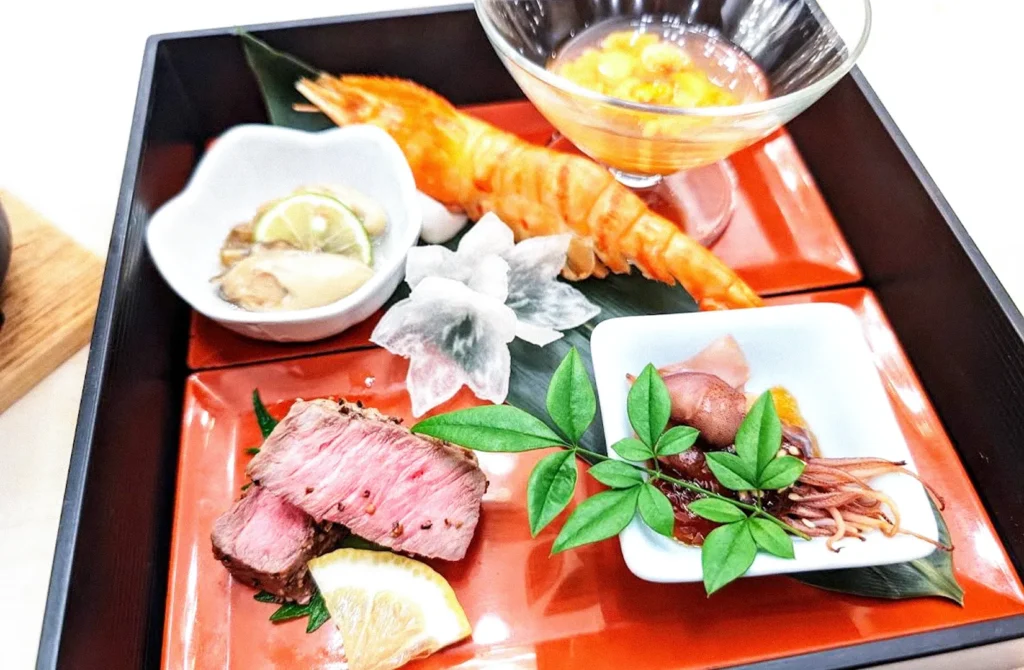
We’d recommend Otaru Masazushi Zenan to travellers who want to enjoy Hokkaido seafood while exploring the Otaru Canal area. Its location makes it a convenient stop during a day out in the historic district, while the menu offers flexibility, whether you’re after a simple rice bowl or a more elaborate omakase course.
The setting is another reason to consider it. With window-side seating, regular tables, and counter seats available, the restaurant caters to different kinds of dining occasions. Just keep in mind that its spacious dining room is a different experience from a small, intimate sushi counter, and the omakase courses come at a higher price point than a casual sushi lunch.
If you’re craving Japanese cuisine after returning to Singapore, you can explore our guide to Japanese dining spots for more places to enjoy sushi and other Japanese favorites closer to home.
For us, choosing the Omakase Course was a way to leave the decisions to the chef and make the most of our visit. If you’re planning a trip to Otaru and want to include a sushi meal near the canal, Masazushi Zenan is worth considering. We’d suggest checking the menu and booking details beforehand, especially if you’re hoping to enjoy the view from a window-side seat.