The city was still warm when I slid onto a counter stool. Outside, the evening pressed against the glass, that thick tropical heat that never quite lets go. Inside, it was quiet. A kettle somewhere. The soft brush of a knife against a board. A cup of green tea, warm ceramic under my palms, and the faint sourness of rice vinegar in the air.
The chef didn’t say much. He set a single piece of nigiri sushi in front of me, the rice still holding a trace of body heat, the fish cool against it. I ate it with my fingers. I forgot to take a photo.
That’s the thing about looking for the best sushi Singapore has to offer. The moments that stay with you rarely announce themselves. They are found in small details: the warmth of seasoned rice, the quiet confidence of a chef, the sweetness of fresh seafood, and the feeling that for a brief moment, you have travelled somewhere without leaving your seat.
Singapore’s sushi scene stretches from intimate counters serving traditional Japanese cuisine to modern Japanese restaurants where chefs bring new ideas to familiar flavours. So come sit with Bites and Travel. Let’s find the counter that’s right for you.
For the Tokyo Lunch Rhythm: Sushi To Sumi in Raffles Place
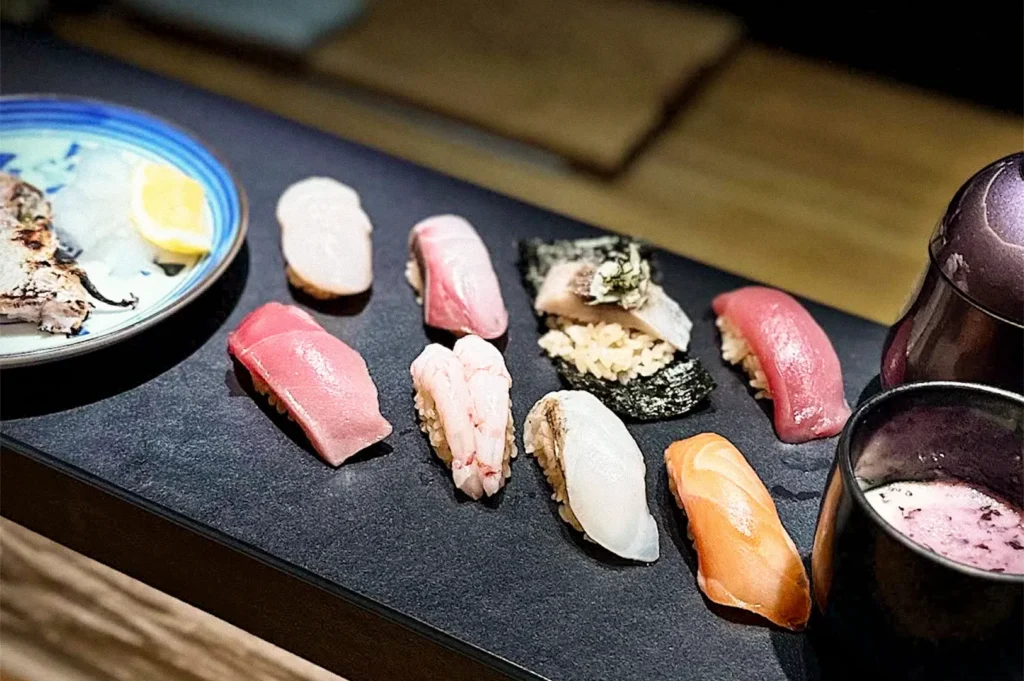
Some of us want sushi to slow us down. Others want sushi that fits into the day we already have. At Sushi To Sumi, the idea is different: bring Tokyo’s standing sushi culture, tachigui, into Singapore’s CBD and let diners experience serious sushi without the length of a traditional omakase.
This is sushi built around movement. You stand at the counter, watch the chef prepare each piece, and enjoy quality sushi within a 30–45 minute experience. The focus is not on a long list of japanese dishes, but on the essentials: carefully handled seafood, balanced rice, and the chef’s decisions based on what is best that day.
The menu changes with availability, highlighting high quality seafood, seasonal fish, and precise preparation. For diners who associate premium sushi with seafood markets like Tokyo’s Toyosu Market and Tsukiji Market, Sushi To Sumi offers a more direct connection between the ingredient and the plate. The experience is not about chasing a huge dishes range of donburi bowls, maki, tempura, or cooked options, it is about letting the fish lead.
The restaurant’s second identity comes from the “Sumi” in its name. Alongside sushi, the counter features binchotan grilled seafood, adding smoke and warmth to complement the freshness of the sushi. It gives the meal another layer beyond raw fish, without losing the focus on ingredient quality.
This is not the same category as casual sushi chains offering cheap sushi, sushi delivery, or quick convenience. It sits somewhere between everyday dining and the world of michelin starred restaurants: premium enough for sushi lovers who care about technique, but designed with the practicality of a CBD lunch in mind.
Sushi To Sumi for a Different Kind of Sushi Experience
For diners exploring Singapore’s sushi scene, the choice often comes down to what kind of meal you want. Some prefer established names with multiple locations across the island, while others seek a focused counter experience. You can see more from Sushi To Sumi’s article: Japanese Restaurant Raffles Place: A Guide to Eating Well in the CBD
Sushi To Sumi works especially well for solo diners, office workers, and anyone looking to enjoy premium sushi without committing to a long evening. Its format makes it suitable for a quick meal during the workday, while the evening service offers a slower pace with sake and charcoal-grilled seafood.
Unlike broader Japanese dining concepts around areas such as Raffles City Shopping Centre, Dempsey Hill, or Pasir Ris, Sushi To Sumi’s appeal lies in its focused approach. There are no distractions: just the chef, the counter, and the seafood.
For those who want a more relaxed introduction to premium sushi without the formality of a lengthy omakase set menu, Sushi To Sumi offers a different kind of Japanese dining experience: one where efficiency does not mean compromise.
For the Omakase Purist: Ashino in CHIJMES
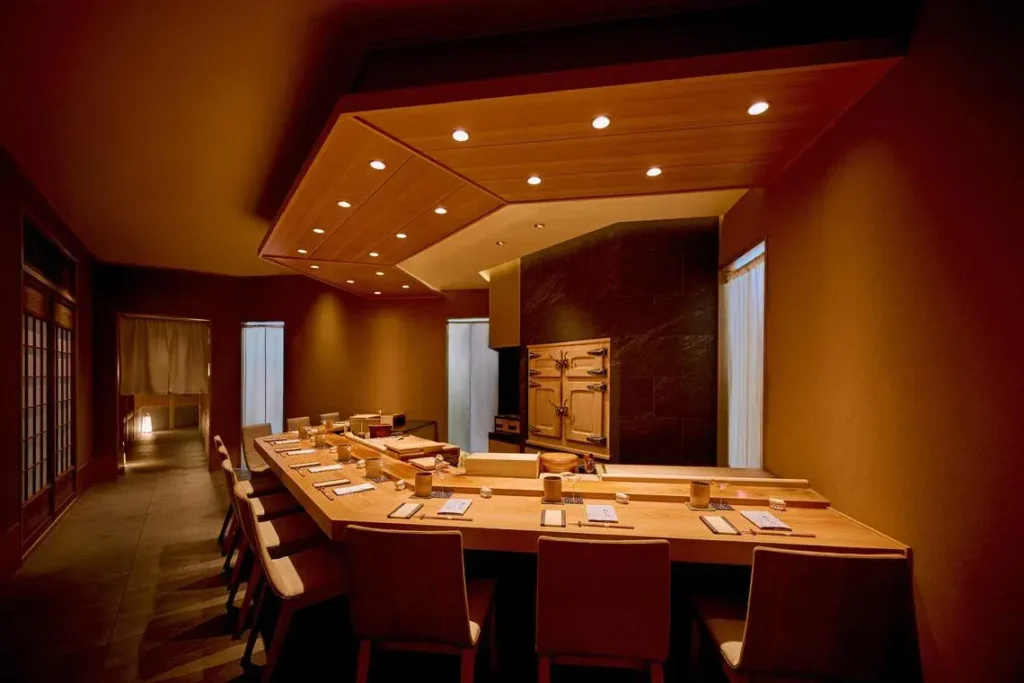
Some of us want to hand over the reins. Omakase means trusting the chef, letting them lead you through the night’s fish in the order they choose. At Ashino in CHIJMES, that trust runs deep. Chef Ashino works in a style called jukusei, the controlled ageing of seafood, coaxing flavour out of fish through time and temperature rather than chasing the freshest possible cut.
This is patient food. Aged tuna that tastes rounder, softer, more like memory than the sea. Silver-skinned fish cured with quiet intent. The rice, the shari, is treated with the same care as the fish, seasoned and kept just warm enough.
This is where edomae sushi philosophy comes alive; a style built around precision, preservation techniques, and respect for each ingredient. Instead of simply presenting raw fish, Ashino focuses on transforming seafood into something deeper.
A light dinner omakase menu here runs around $235++, and the pace is slow on purpose. Book early. It sits near City Hall MRT, about five minutes on foot, and it closes on Mondays.
Our Next Option: Sushi Yujo in Amara Singapore
If a full traditional counter feels like a lot for a first time, Sushi Yujo at Amara Singapore offers a gentler doorway. Chef Desmond Fong leads a warmer, more approachable omakase restaurant experience, one that folds in cooked courses, sea bream carpaccio, chawanmushi, and aburi sushi kissed by the torch.
Lunch omakase starts around $68 to $98, dinner from $148. Ask for the main counter seats rather than a private room. Watching each course come together is half the meal. It’s a short walk from Tanjong Pagar MRT.
For the Design-Loving Date-Night Foodie: Sen-ryo in ION Orchard
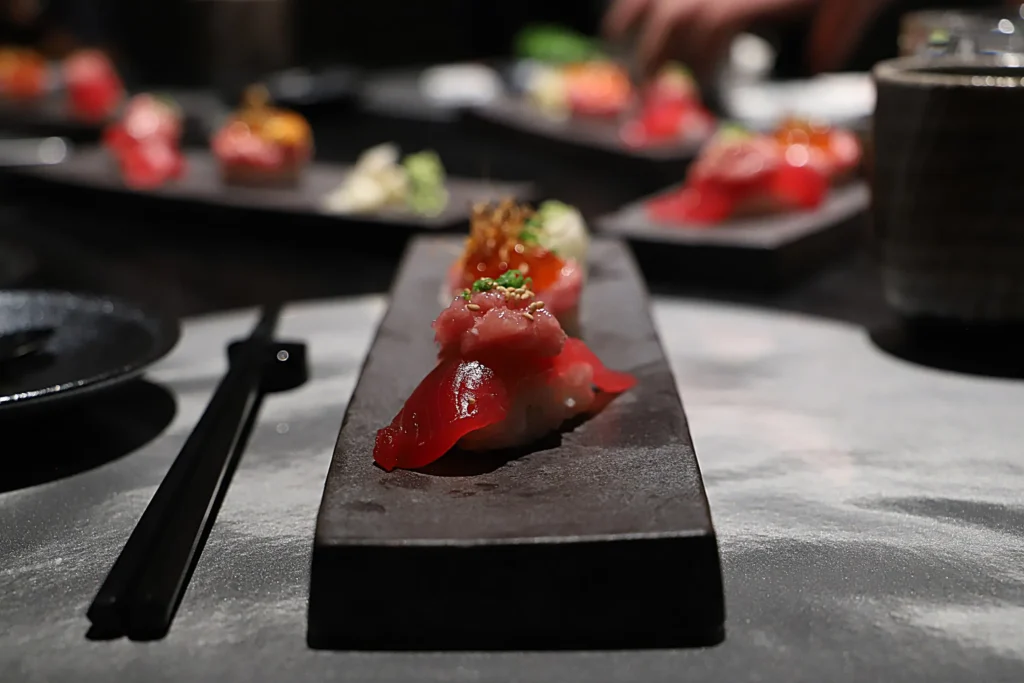
There are nights that ask for a little polish. Sen-ryo at ION Orchard is the kind of Japanese restaurant that suits a celebration without demanding one. The dining room is comfortable, the presentation careful, the seasonal nigiri and premium sashimi arriving like small gifts.
Among the many sushi restaurants in Singapore, Sen-ryo stands out for offering a polished introduction to Japanese dining without requiring a full omakase commitment. Its signature dishes highlight seasonal ingredients, premium seafood, and the balance that defines good Japanese cuisine.
It’s connected directly to Orchard MRT, open daily from around 11am to 10pm, and sits somewhere around $40 to $80 per person depending on how deep you wander into the premium seafood. The bill can climb quickly, so order with intention. Book the first lunch or dinner seating, when the room is calm and the seasonal fish hasn’t sold out.
This isn’t a hushed chef’s counter, and it doesn’t pretend to be. It’s a place to sit across from someone you like and let the evening stretch.
For the Value Hunter: Tomi Sushi in Novena
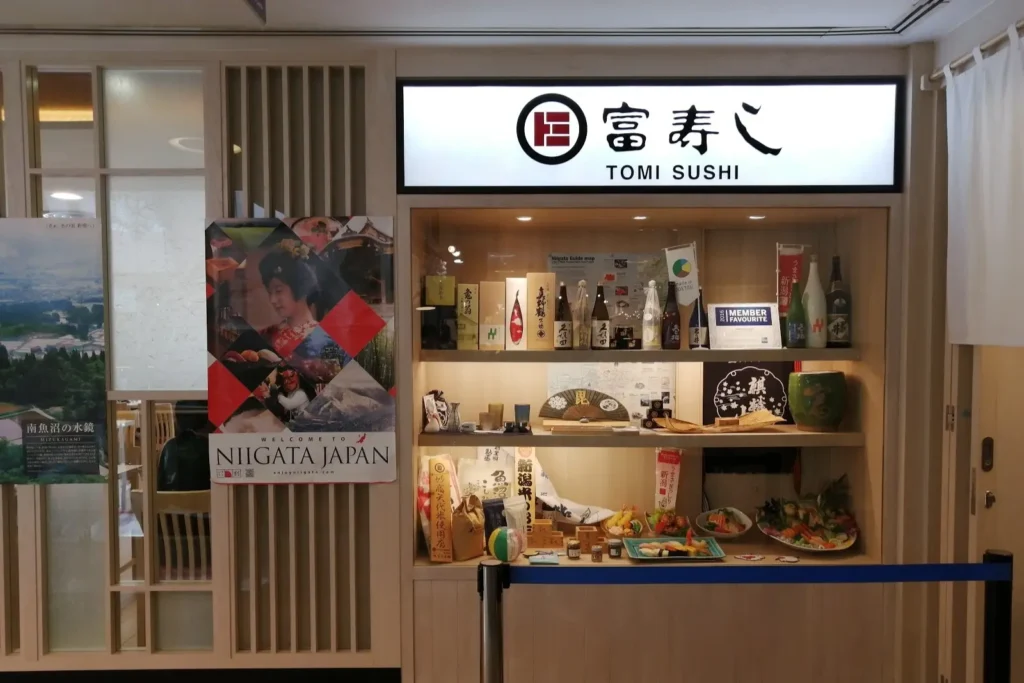
Good sushi doesn’t always need ceremony. Tomi Sushi in Novena has been quietly doing this since 1954, with roots in Niigata, Japan. There’s nothing theatrical here. Just properly made fresh sushi, fresh seafood, honest sets.
The interior feels a little dated, and I mean that kindly. It reminds me of a neighbourhood sushi shop rather than a mall showpiece.
For diners searching for authentic Japanese restaurants that focus on consistency rather than spectacle, Tomi Sushi remains a comforting choice. The menu reflects a straightforward approach to Japanese dining, with carefully prepared nigiri, sashimi, and sets that let the ingredients speak.
Sit at the counter if you can. Order the sushi sets rather than piecing together à la carte, which climbs faster than you’d expect. Pair it with a bowl of miso soup. Expect around $30 to $60 per person, and come on a weekday lunch when it’s easy to walk in. It’s two minutes from Novena MRT through the mall.
For the Value Hunter: The Sushi Bar in Ngee Ann City
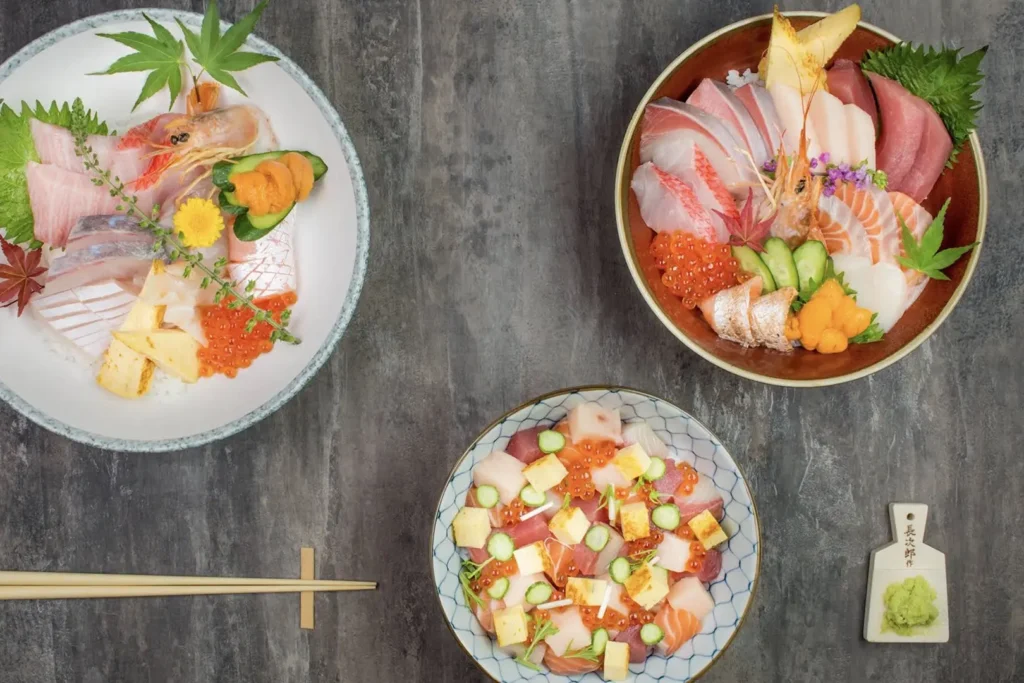
For sheer generosity, The Sushi Bar at Ngee Ann City leans into portion. Thick-cut salmon sashimi, a Kaisen Chirashi Don heaped with fish, a Salmon Ikura Don glistening with roe. For those who love seafood without the ceremony, this is where a simple meal becomes satisfying.
The Sushi Bar has become a familiar sushi bar for diners looking for generous servings of fresh sashimi, premium sashimi, and approachable Japanese favourites in the heart of Orchard.
Donburi runs around $27 to $33, the whole meal roughly $25 to $45. Start with the regular bowl size. It arrives larger than it looks. The service is functional rather than warm and the room gets busy, but the fish earns its place. It’s about a ten-minute walk from Orchard MRT.
For the Adventurous Palate: Sushi Sato in Dempsey Road
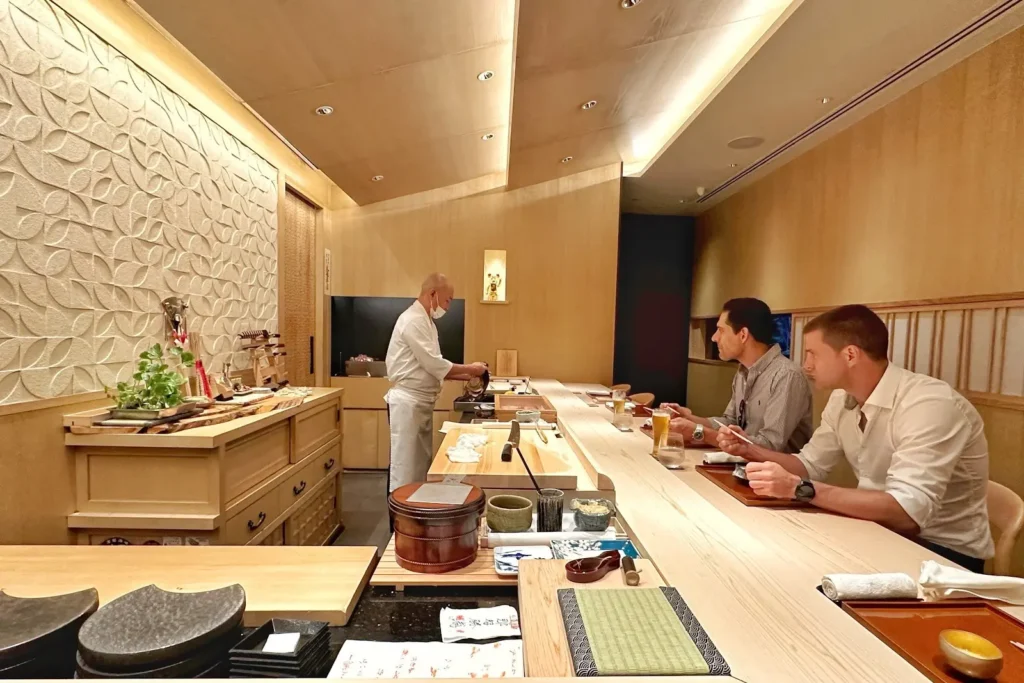
If you’re the kind who reads a menu and reaches for the unfamiliar, Sushi Sato is where patience, precision, and tradition meet. Sushi Sato focuses on a refined omakase experience where seasonal seafood and carefully selected premium ingredients take centre stage. Each course is built around what is at its best, from delicate assorted sashimi selections to beautifully prepared pieces of premium sushi that highlight the natural character of the fish.
The appeal lies in slowing down. A piece of fatty tuna, prepared with care, can reveal layers beyond richness. Fresh seafood flown from Japan, precise knife work, and thoughtful preparation come together to create exquisite sushi that rewards attention.
For diners exploring a deeper side of Japanese cuisine, Sushi Sato’s omakase sets offer a chance to experience sushi as craftsmanship rather than simply a meal. The lunch menu provides a gentler introduction, while the dinner menu is where the chef has more room to guide the journey.
How to Order Sushi Like a Local
A few small things, offered gently:
Dip the fish, not the rice, when you reach for soy sauce. The rice is already seasoned, and too much soy drowns the balance the chef worked into it.
With good nigiri sushi, you often won’t need extra wasabi. It’s already tucked between fish and rice.
Eat each piece soon after it’s set down. Sushi (may it be sushi roll or something else) is built to be eaten at that exact temperature, cool fish against faintly warm shari. Waiting to photograph it lets that moment slip.
At a counter, a quiet word with the chef goes a long way. Ask what’s good today. Let them guide you.
A good sushi meal is not only about the fish. It is about the rice, timing, technique, and the connection between diner and chef. And if you want to take a picture, a soft ask is always welcome.
Exploring Singapore’s Sushi and Japanese Food Scene Beyond the Classics
Singapore’s sushi journey goes beyond simply choosing between a sushi platter and individual pieces. Some diners prefer approachable options like Sushi Express, Genki Sushi, or Sushi Tei for a familiar meal, while others seek more refined experiences at places such as Sushi Jiro, Sushi Jin, Sushi Dan, Itacho Sushi, and Ganko Sushi, where technique and tradition take centre stage.
For those exploring different styles of Japanese dining, the experience can range from intimate sushi counters to the relaxed atmosphere of vibrant izakaya culture, including casual destinations like Japan Food Town where diners can explore different Japanese flavours in one setting. The appeal of sushi is its variety: from premium seafood-focused meals to accessible options with low prices, or even comforting dishes like soft shell crab and dessert to complete the experience.
As a writer and food lover, my advice is always, whether you are reading a detailed full review before visiting a restaurant near Millenia Walk or the UBS Building, the smallest details often reveal the difference between ordinary sushi and a meal built around exceptional quality. Efficient service, ingredient care, and consistency often shape the experience as much as the food itself.
Some restaurants may carry prestigious recognition, including a Michelin star, while others earn their reputation through years of consistency, loyal diners, and careful craftsmanship.
One Bite, One Journey: Understanding Singapore’s Fresh Sushi Culture
The search for the best sushi Singapore offers is not simply about finding the most expensive meal. It is about discovering the different ways Japanese food can be experienced.
Across the island, sushi restaurants range from casual counters serving affordable sushi to refined destinations offering premium omakase experiences. Some focus on traditional Japanese cuisine, while others bring a modern twist to classic techniques.
At the heart of memorable sushi is balance: fresh ingredients, carefully prepared rice, and seafood chosen at its peak. From delicate nigiri and sashimi to luxurious touches like sea urchin, every dish reflects the chef’s relationship with ingredients. Not to mention how many restaurants source seafood connected to Japan’s famous markets, including Toyosu Market, while adapting their menus around availability and seasonality, now that’s dedication.
So, whether you are searching for authentic Japanese restaurants, a relaxed sushi experience, or one of Singapore’s best Japanese restaurants for a special occasion, the journey always comes back to the same thing: a thoughtful meal made with care.
If you want to explore more on the Japanese cuisine that wraps around Singapore, check out our article: A Passport Through Japan: Flavors from the Best Japanese Restaurant Singapore.