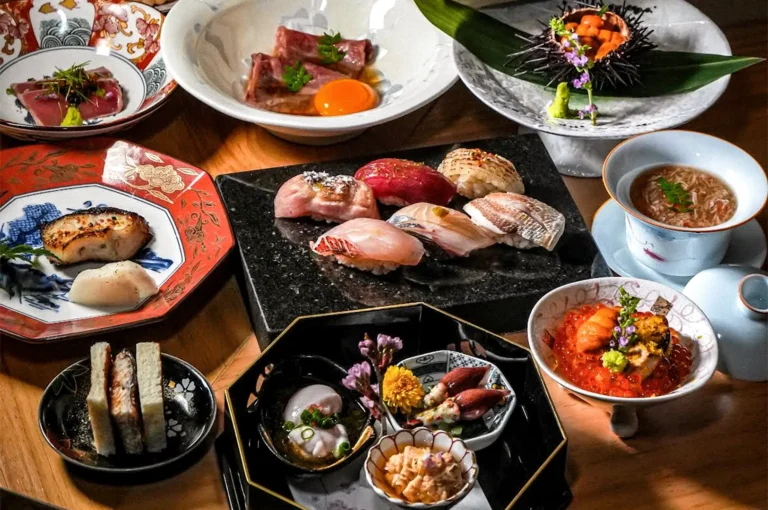
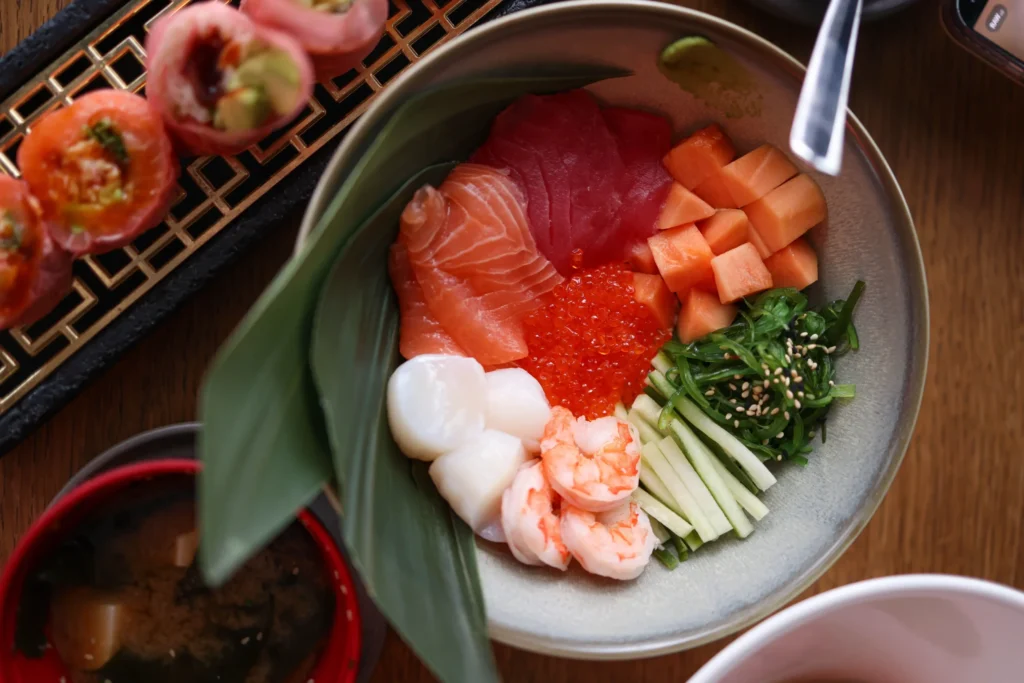
The bowl arrived just as the light was going soft. Late afternoon, the kind that turns everything a little golden, and there it was. Salmon roe catching the last of the sun, each bead glowing like something lit from within. Nobody rushed to photograph it. We just sat with it for a moment, the way you sit with something you know you’ll remember.
Then the first bite. Cool fish, warm rice, a small pop of salt. The room went quiet in the way good food makes rooms go quiet. Come sit with us. Let’s talk about the bowl.
The Meaning of “Scattered”
Chirashizushi (ちらし寿司), sometimes written as chirashi sushi, means scattered sushi. That’s the whole poetry of it, really.
Instead of pieces pressed and lined up in neat rows, the ingredients are simply laid across the rice. Scattered. Left to fall where they fall. There is a looseness to it, an ease, like a table set by someone who trusts the food to speak for itself.
In Japan, chirashi has long been a dish for gatherings. Girls’ Day. A birthday. A quiet Sunday when the family is all home. It isn’t showing off. It’s abundance offered gently, the sea and the season arranged in a single bowl.
Traditionally written as ちら し 寿司, this dish carries the feeling of celebration and togetherness. It is often associated with special occasions, where the beauty comes not from extravagance, but from the care behind each ingredient. That feeling stays with you long after the meal is gone.
Rice Is the Quiet Heartbeat
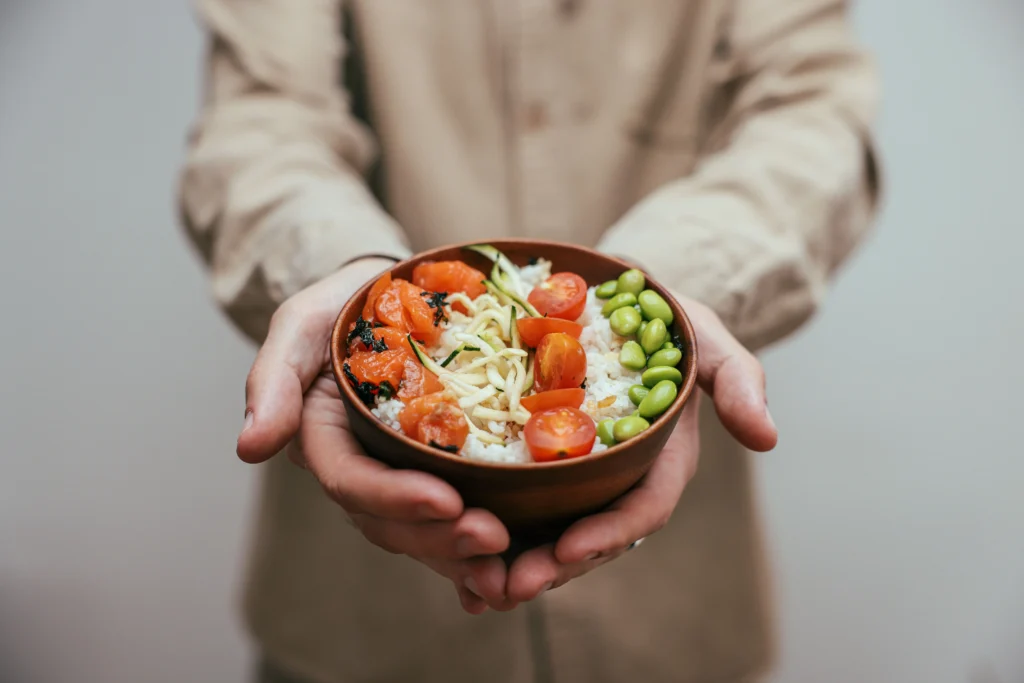
People come for the fish. But the rice is what holds it all together. Good chirashi begins with seasoned sushi rice, warm and just barely tangy. The seasoning matters. Sushi vinegar folded through the cooked rice while it’s still hot gives it that faint sweetness and edge, the thing that keeps a mouthful from feeling flat.
There is a difference you can taste. Plain rice or plain steamed rice is comfort on its own, soft and honest. Plain sushi rice carries a little more character, each grain glossed and lightly acid, built to sit beside raw seafood and hold its ground. Get the rice right and everything above it makes sense. Get it wrong, and even the finest sashimi feels a little lonely.
The Sea, Arranged Like a Small Tidepool: Raw Fish and the Essence of Chirashi Bowl
Look down into a good chirashi bowl and it reads like a tidepool at low tide. Raw fish, sliced with care. Fresh sashimi laid in soft folds. A piece of salmon belly, pale and rich, resting beside a slice of fatty tuna that almost dissolves before you chew. Some bowls come cubed, little jewels of cubed sashimi mixed through the rice. Others come thinly sliced, draped like ribbons.
A bowl may feature salmon sashimi, tuna, prawns, or seasonal seafood depending on the chef’s choice. Some versions include cooked seafood too: a poached prawn, a sweet fold of something grilled, or other delicious toppings that create contrast.
Not everything has to be raw. A little cooked fish finds its way in too, adding familiarity for diners who are still exploring Japanese seafood. Each ingredient earns its corner. You eat slowly here. You let each piece be itself.
Ikura, Roe, and the Spark of Salinity
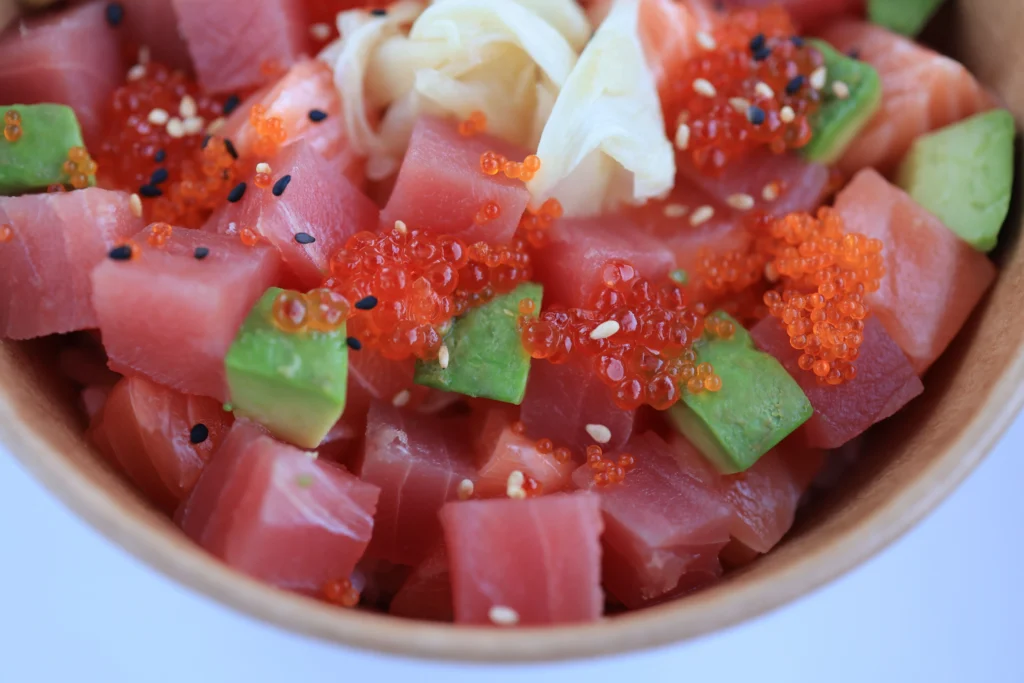
Then there’s the roe, and the small joy it brings. Salmon roe, ikura, those glossy orange beads that break against your teeth and release a clean burst of the sea. A proper ikura don leans into this, generous, almost shameless. Ikura salmon together in one bowl, a salmon ikura don, is the kind of thing you order when you want that particular thrill.
Flying fish roe is different again. Tinier, crunchier, a scatter of tiny sparks across the surface. It adds texture more than flavour, a quiet crackle underneath everything else. That first briny pop is hard to forget.
The Gentle Extras That Make It Feel Like Home
The extras are where a bowl starts to feel personal. Kinshi tamago, a shredded egg mixture cut into fine golden threads, laid across the top like sunlight. Soft shiitake mushrooms simmered until they carry their own quiet sweetness. Snow peas for color and a fresh snap. Thin slices of lotus root, all delicate holes and gentle crunch. A sprinkle of sesame seeds. A few shiso leaves, sharp and herbal. A little soy sauce on the side, and often a bowl of miso soup beside it, warm and grounding.
These are the parts that welcome everyone in. For picky eaters, or anyone unsure about raw fish, there is always something familiar here. The egg. The vegetables. The rice. Nobody leaves the table hungry, and nobody leaves feeling left out.
A Quiet Moment in the Kitchen
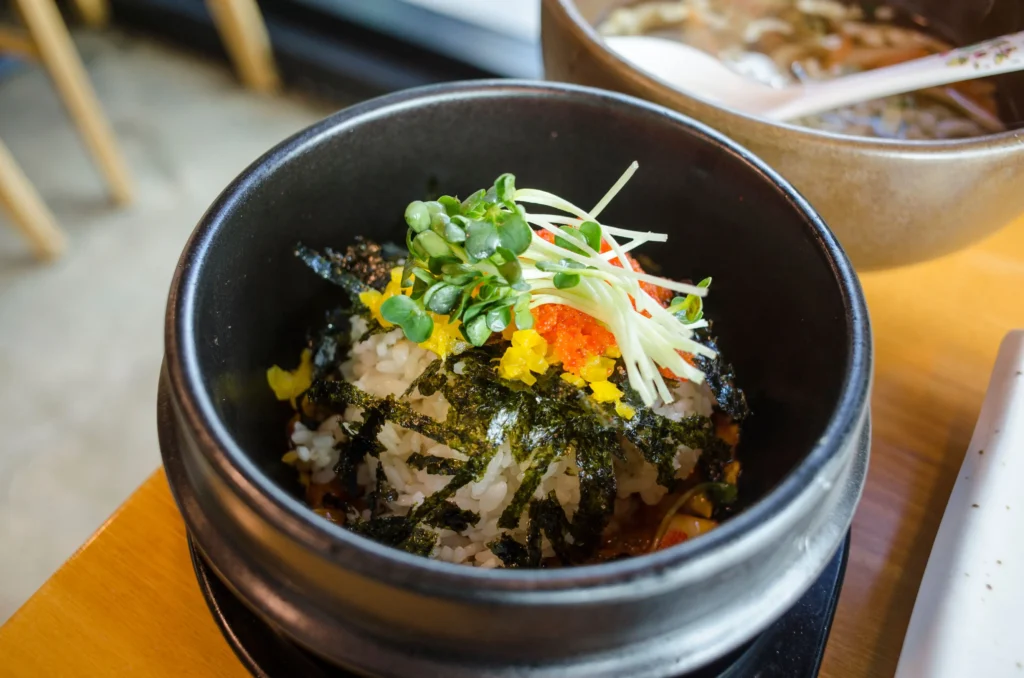
You can make this at home, if you want to slow your evening down. Start cooking the rice first, since it needs time to rest. Boil water in a small saucepan for the snow peas, just a quick blanch, then lay them on a paper towel to dry. Let the rice cool slightly before you fold in the sushi vinegar, gently, so the grains stay whole.
Prepare the toppings while the rice settles. Slice the fish. Thread the egg crepe (sometimes shredded egg crepe). Some cooks like to arrange the toppings ahead of time, lined up like a little palette, so the final assembly feels calm rather than frantic. No recipe card can teach the feeling of it. The scattering is yours to shape.
Then you serve chirashizushi in whatever bowl you love most, and you sit down, and you eat. Happy cooking, as they say. Some meals are as much about the making as the tasting.
Chirashi Don, Bara Chirashi, and Other Bowls You’ll Meet
Menus can be confusing at first. Here’s the gentle version. Chirashi don is the everyday cousin, more rice, more fish, meant as a complete meal. Unlike traditional chirashizushi, it is often served as a satisfying rice bowl designed for everyday dining.
Bara chirashi don comes with everything cubed and mixed through, so each spoonful holds a little of everything. Aburi salmon don brings the torch, the salmon seared just at the edges until it turns soft and smoky.
Kaisen don and kaisen chirashi don lean hard into seafood, a spread of the sea over rice. These bowls are popular in Singapore because they offer a generous seafood experience at relatively affordable prices compared with many sushi dishes.
Some restaurants offer a chirashi don fix for diners craving a quick Japanese seafood meal, while others create premium versions with seasonal ingredients. And now and then you’ll spot a name like chirashizushi shou, a house’s own take on the tradition, its own scattering. Don’t overthink the labels. Order the one that makes you curious.
Where to Find It
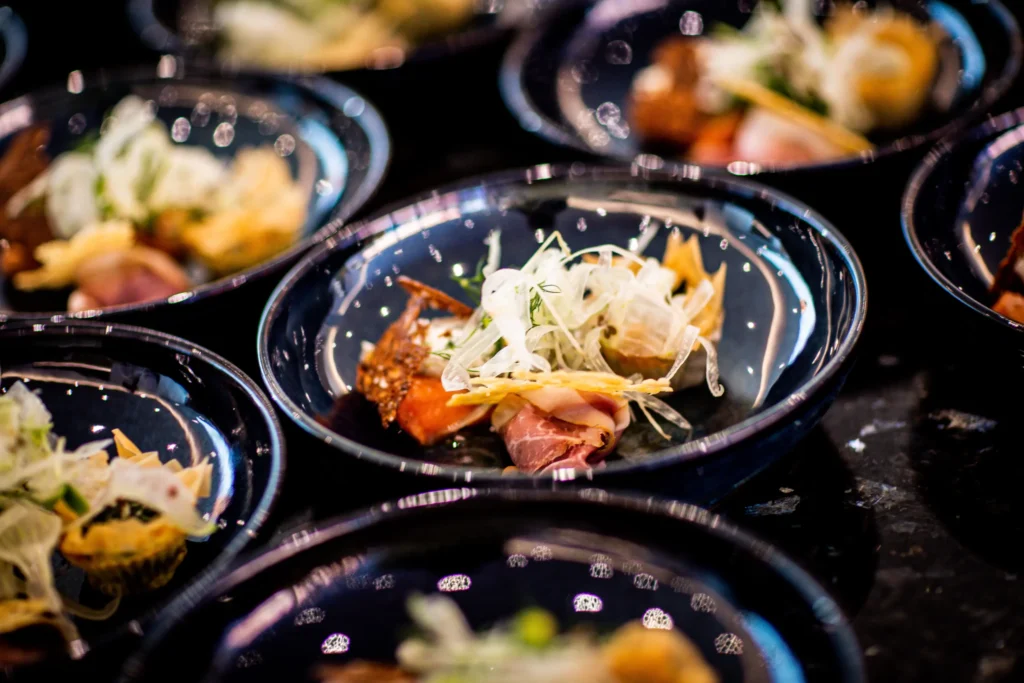
Chirashi lives in many kinds of rooms. You’ll find it in quiet Japanese restaurants tucked into malls, in casual spots serving Japanese food to the lunch crowd, and at the counter of a small sushi bar where the chef works within arm’s reach.
Many sushi restaurants now offer chirashi bowls because they are approachable for newcomers while still showcasing the quality of their seafood. Some places do hand rolls alongside, some just the one dish, done well.
A bowl like this doesn’t need a grand setting. Umi Nami over at Thomson Plaza is the kind of unassuming place where a good chirashi can quietly surprise you, the sort of neighborhood table you return to without quite planning to.
The best bowls rarely announce themselves. You just find them, and then you keep them.
A Scattering, After All
There’s something honest about a scattered bowl. It doesn’t arrange itself into perfection. It doesn’t ask to be admired. It offers what the sea and the season gave, laid across warm rice, and trusts you to find the beauty in it.
Abundance without excess. Color without noise. A meal that fills you and then, somehow, stays with you a while after. That’s the quiet gift of chirashi. Sit down. Take your time. Let the bowl scatter its small piece of the sea across your evening.