In the vast metropolis of Tokyo, exclusive sushi bars offer intimate dining experiences far from tourist spots. These serene spaces feature master chefs crafting exquisite bites in the art of omakase, meaning “I’ll leave it up to you.” Rooted in the rich history of Edo Castle and present-day Tokyo’s sushi culture, omakase showcases the finest seasonal ingredients and expert craftsmanship. Tokyo is one of those cities where you could eat sushi every day and still barely scratch the surface. Beyond the big-name sushi restaurants are smaller counters tucked inside quiet buildings, down side streets, and behind doors you might otherwise walk straight past.
Embarking on a quest for a hidden omakase experience is a true foodie adventure in Japan’s capital, Tokyo. It means trusting a sushi master, or itamae, to guide you through a seasonal journey of flavors and textures. These hidden gems offer a personal encounter with authentic Tokyo Japanese cuisine, whether you find them behind an unassuming door or tucked inside a building you might otherwise walk straight past.
For a great omakase experience beyond Tokyo, check out this comprehensive guide to the best options in Singapore. Click here.
Why Look for Tokyo Hidden Sushi Bars? (Instead of Top Attractions in Tokyo)
The search for the best sushi Tokyo has to offer doesn’t always lead to the restaurants with the biggest signs or longest queues. Some of the city’s more interesting counters are hidden inside unassuming buildings and quieter streets, relying more on reputation than flashy advertising.
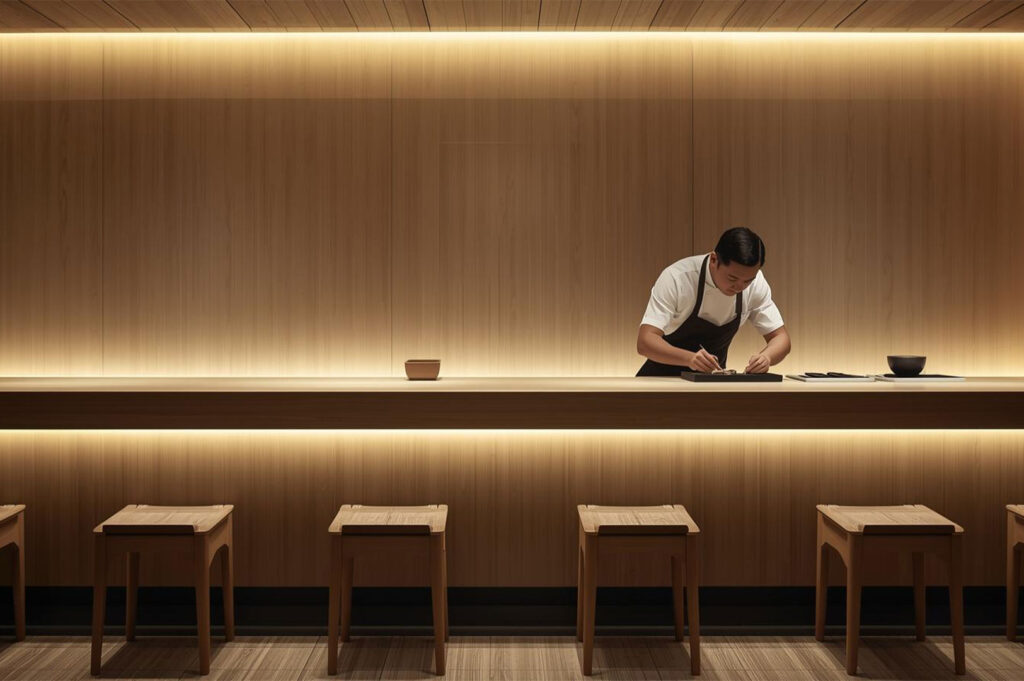
That smaller setup is part of the appeal. With only a handful of guests around the sushi counter, you get to watch each bite come together while the chef works through fresh seafood, rice, and whatever is best that day.
Sometimes the most memorable dining experience isn’t another attraction squeezed into the itinerary. It’s sitting at a counter, letting the chef take over, and seeing what lands in front of you next.
What Makes a Sushi Bar “Hidden” in Central Tokyo?
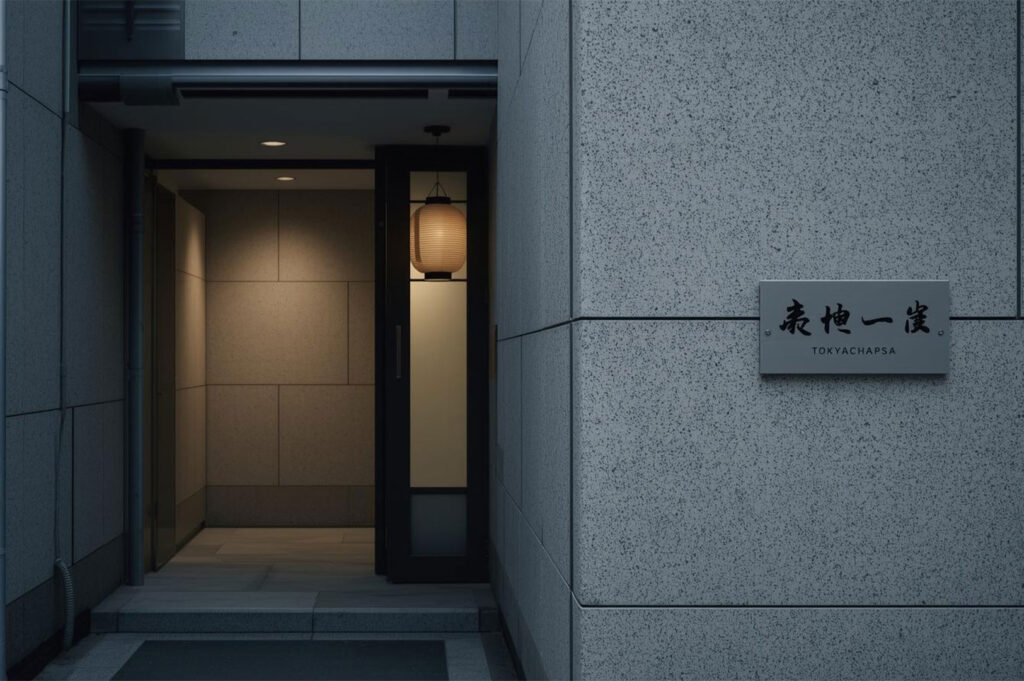
In a city as dense as Tokyo, “hidden” takes on a new meaning. It isn’t about secret passwords or unmarked doors in dark alleys, although sometimes it can feel that way. A hidden sushi bar is one that thrives on reputation and word-of-mouth rather than flashy advertising. You won’t find them on major tourist websites or with prominent signs on main streets. Often, they are tucked away in the basements of unassuming office buildings, on the upper floors of residential blocks, or down quiet, narrow lanes in southern Tokyo or central Tokyo.
The culture of these establishments centers on intimacy. Many have simple counter seating with only a handful of places, creating a direct connection between the chef and guests. That smaller setting makes the experience feel personal, with the focus on high quality sushi, seasonal ingredients, and some of the freshest ingredients available that day.
For diners with serious sushi cravings, finding one of these smaller counters is part of the fun. Some build such a loyal following that getting a reservation can be almost as memorable as the meal itself.
Best Sushi Tokyo: 5 Omakase Restaurants Worth Trying
Tokyo’s sushi omakase scene covers a surprisingly wide range of budgets. Whether you’re looking for the best omakase for a first experience or a serious fine dining splurge, there’s plenty to choose from.
These five restaurants approach Japanese cuisine differently, from nigiri-focused lunchtime options to longer menus with cooked dishes, seafood, vegetables, and seasonal ingredients.
Here’s the quick version before we get into each restaurant.
Sushi Restaurant | Area | Price | Best For |
|---|---|---|---|
Sushi HAN | Ginza | From ¥9,900 | First-timers and lunch |
Sushi Kinoshita | Nishi-Azabu | ¥38,500 | A serious splurge |
Sushi Himitsu | Akasaka | ¥26,500 | Seasonal omakase |
Sushidokoro Kuni | Nishi-Azabu | From ¥5,280 | Value |
Sushi Kitamura | Nishi-Azabu | ¥16,500 | Sushi plus cooked dishes |
1. Sushi HAN: An Easy Introduction to Omakase Sushi
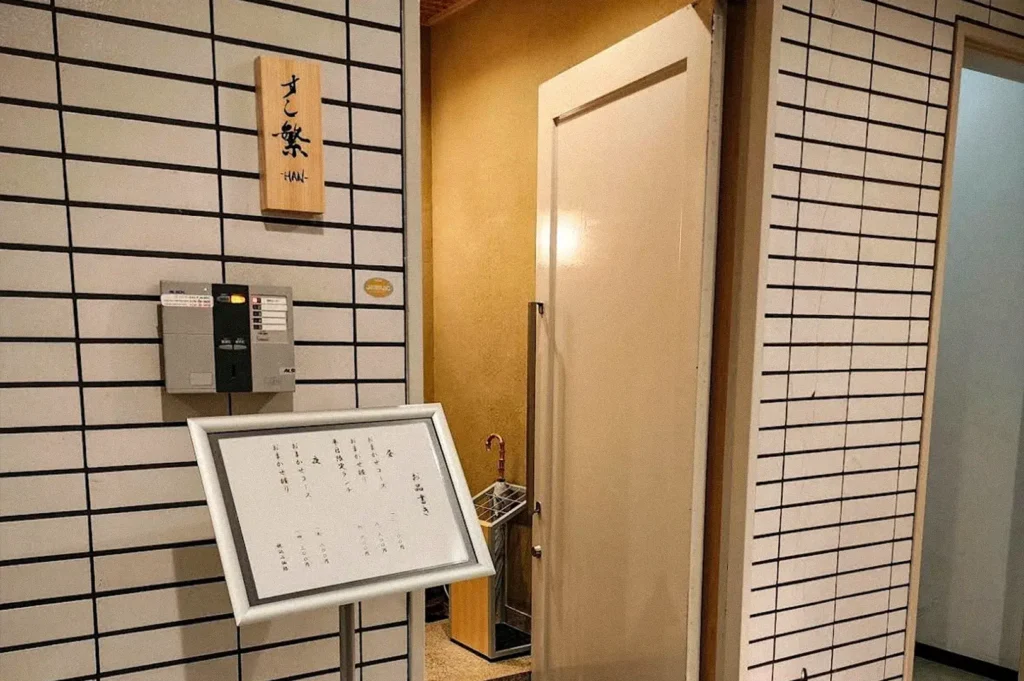
If you’re new to omakase sushi, Sushi HAN in Ginza is an easy place to start. Its lunch and dinner menu gives you a few ways into the experience, whether you want a nigiri-focused course or a longer introduction to Japanese cuisine with sashimi, cooked dishes, and vegetables.
Lunch starts at ¥9,900, making it one of the more approachable options on this list. If you prefer more variety, the longer courses offer a broader taste of Japanese cuisine, with sashimi, cooked dishes, and vegetables alongside the nigiri.
Lunch Omakase Nigiri: ¥9,900
Starter, 12 nigiri, maki, soup, and dessert.Lunch Omakase Course: ¥13,200
Starter, sashimi, four cooked dishes, 10 nigiri, tamagoyaki, maki, soup, and dessert.Dinner Omakase Nigiri: ¥16,500
Starter, 15 nigiri, soup, and dessert.Dinner Omakase Course: ¥22,000
Starter, sashimi, seven cooked dishes, 11 nigiri, tamagoyaki, maki, soup, and dessert.
Best for: First-time diners, lunch, and anyone who wants a few price points to choose from.
2. Sushi Kinoshita: Fine Dining for a Serious Splurge
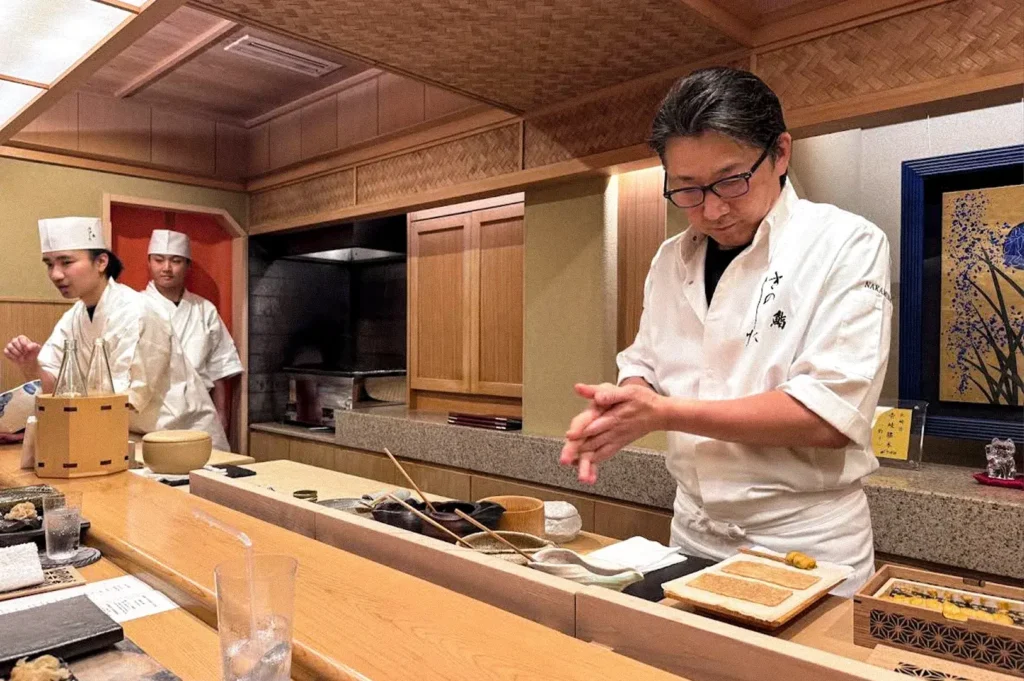
In Nishi-Azabu, Minato-ku, Sushi Kinoshita combines Edomae sushi with traditional Japanese cuisine, moving between seasonal dishes and nigiri throughout the meal. It’s one of three Minato-ku restaurants featured in this guide.
At ¥38,500 per person, this is firmly fine dining territory and one of our picks for a best omakase experience when the meal itself is the special occasion. Expect premium seafood and a menu shaped around the season.
Omakase: ¥38,500 per person
Private Room Omakase: ¥38,500 per person, for two to four guests.
Best for: Special occasions and diners ready to make sushi the big splurge of the trip.
3. Sushi Himitsu: Seasonal Ingredients Take the Lead
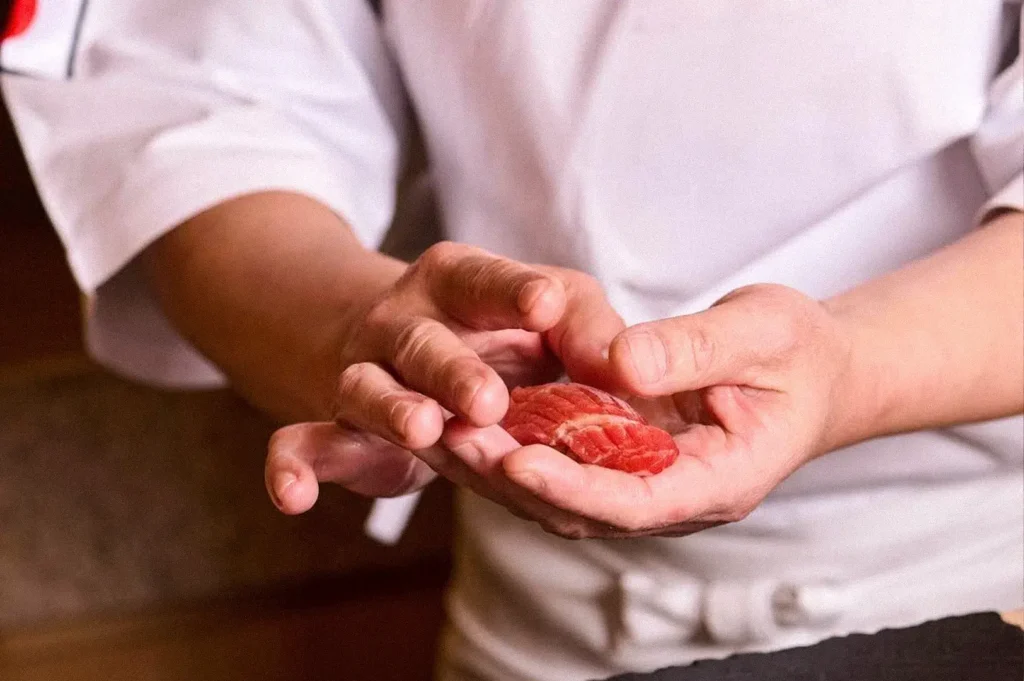
Sushi Himitsu in Akasaka keeps things straightforward with one main course built around seasonal otsumami and sushi.
Take your seat at the counter and let the chef decide what comes next. The emphasis on seasonal ingredients means the experience can change depending on what’s fresh at the time.
Omakase: ¥26,500
Wine: From ¥1,800 per glass.
Sake: From ¥1,200 per glass.
Best for: An intimate dinner and anyone who enjoys leaving the decisions to the chef.
4. Sushidokoro Kuni: Best Sushi Value Without the Huge Bill
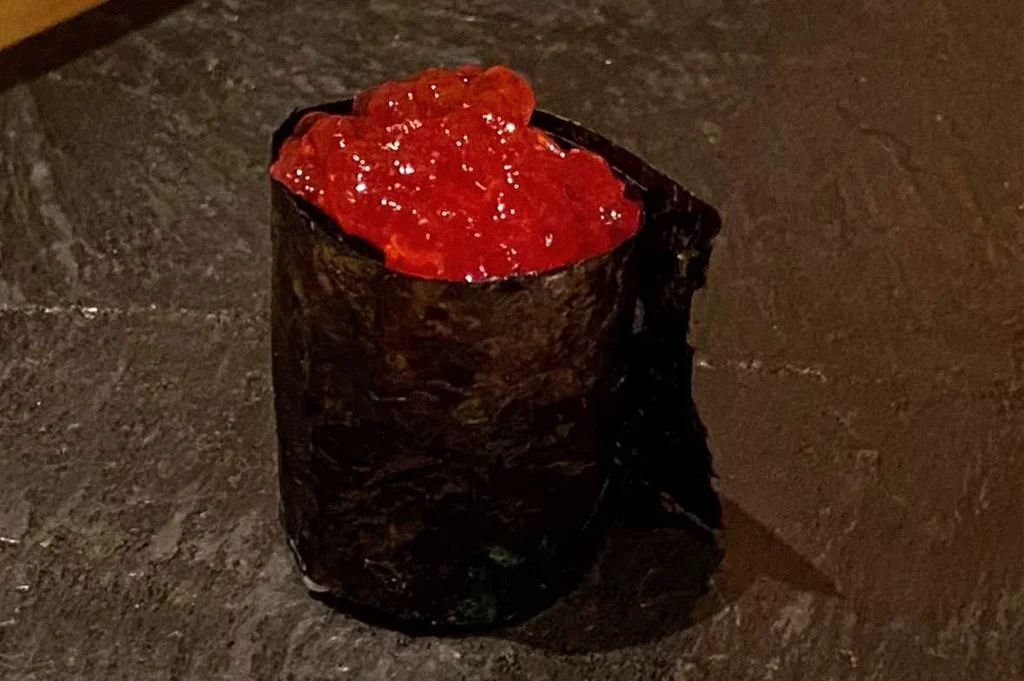
Not every search for the best sushi in Tokyo needs to leave your wallet trembling.
Sushidokoro Kuni starts at ¥5,280 for 11 pieces of nigiri and soup, making it the least expensive of our five picks.
If you’re hungrier, the longer courses add sashimi, grilled dishes, chawanmushi, and dessert.
Omakase Nigiri Misaki: ¥5,280
Eiraku Course: ¥8,800
Special Eiraku Course: ¥11,000
Best for: Value seekers and first-timers who want to enjoy sushi without immediately jumping into Tokyo’s luxury prices.
5. Sushi Kitamura: Japanese Cuisine Beyond Nigiri
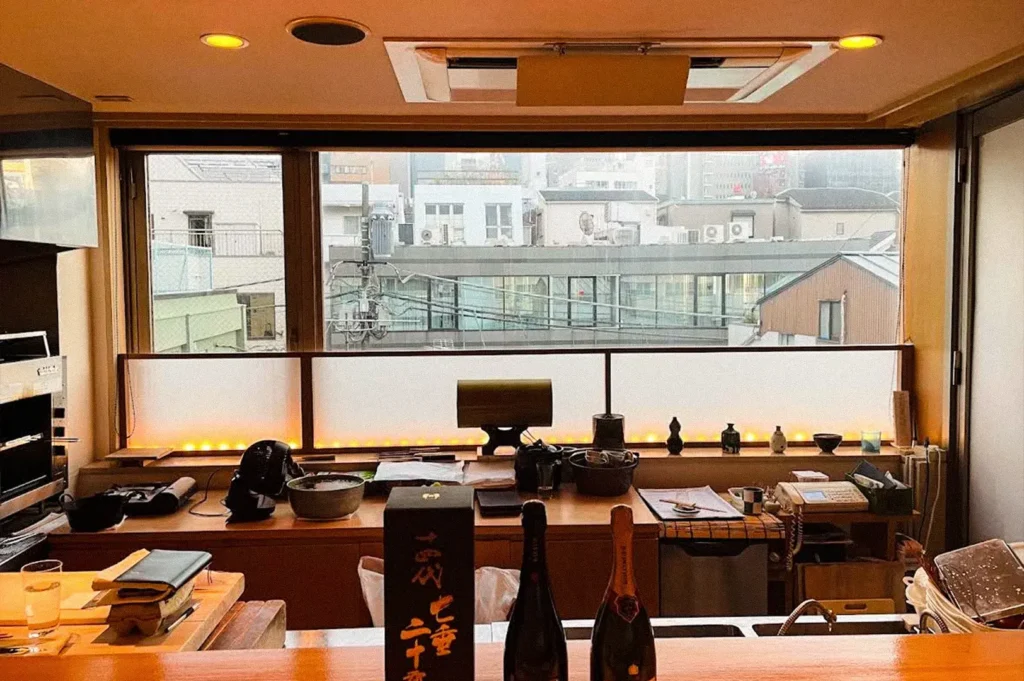
Sushi Kitamura is a good choice if you want more than a procession of nigiri.
Its ¥16,500 course includes seven dishes followed by 10 pieces of nigiri, bringing more variety to the table through cooked seafood, rice, and other Japanese dishes.
Highlights include sea urchin and egg rice made with Hokkaido uni and Ariake seaweed, domestic eel rice, and soy-marinated Aomori clams.
Omakase Course: ¥16,500
Includes: Seven dishes followed by 10 pieces of nigiri.
Best for: Diners who want sushi alongside a broader taste of Japanese cuisine.
Understanding Omakase: The Ultimate Chef’s Choice Experience
Omakase means leaving your meal in the chef’s hands. Instead of ordering from a large menu, you’re served a sequence based on what the chef wants to showcase that day.
A traditional sushi omakase may begin with small otsumami before moving into nigiri. Depending on the restaurant and course, you might encounter lighter seafood, tuna, tuna nigiri, uni, eel, vegetables, or cooked dishes such as tempura along the way.
You don’t need to be an expert to enjoy it. Trusting the chef and seeing what comes next is the point.
What to Expect From the Omakase Dining Experience
Omakase in Tokyo can range from a relatively approachable lunch to a serious fine dining splurge. Among our five picks, prices start at ¥5,280 at Sushidokoro Kuni and reach ¥38,500 at Sushi Kinoshita.
Before your reservation, keep a few basics in mind:
Book early: Smaller counters can fill quickly, particularly for dinner.
Check cancellation rules: Some restaurants may require card details or charge for late cancellations and no-shows.
Arrive on time: Courses are often served in sequence.
Skip strong perfume: It can interfere with the aromas of the meal.
Ask before taking photos: Policies vary between restaurants.
Follow the chef’s pace: Eat each piece soon after it’s served.
You don’t need to know every rule of Japanese dining. Be punctual, be considerate, and enjoy what the chef puts in front of you.
Tokyo can be a splurge, but it doesn’t always have to be. Among the five restaurants in this guide, prices start at ¥5,280 at Sushidokoro Kuni and reach ¥38,500 at Sushi Kinoshita, with several options in between. Lunch can also be a more approachable way to try the experience.
Price: Lunch options may be more affordable for foreign visitors.
Reservations:
Dress Code: Smart casual is a safe choice. Avoid strong perfumes or fragrances that could interfere with the aromas at the sushi counter.
Beyond that, arrive on time and follow the chef’s pace. Omakase is structured around each piece being served when it’s ready, so it’s best to eat the sushi promptly rather than letting it sit.
Best Neighborhoods for Hidden Sushi Experiences Around Tokyo
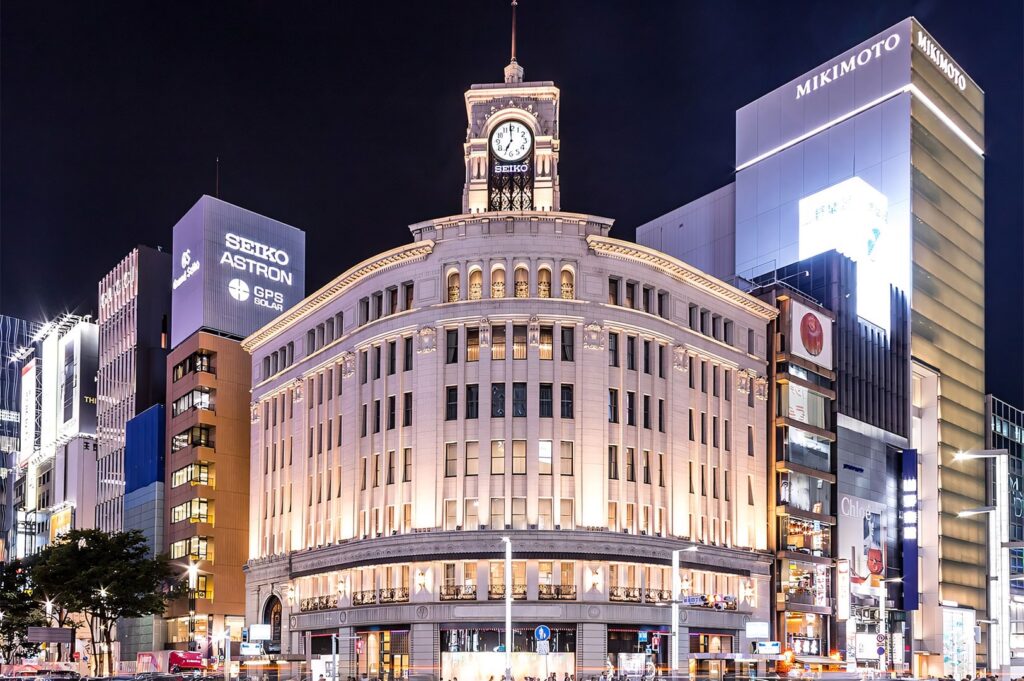
The five restaurants in this guide are spread across three central areas, so it helps to know where they fit into your Tokyo plans.
Ginza: Sushi HAN is our Ginza pick, located in Chuo-ku (Chuo City). With Ginza Station nearby, it’s convenient for lunch or dinner while exploring central Tokyo. If you’re spending more time around the area, Marunouchi Brick Square and the Toyo Rice Building are other useful landmarks to have on your map.
Nishi-Azabu: Three of our picks—Sushi Kinoshita, Sushidokoro Kuni, and Sushi Kitamura—are in Nishi-Azabu, Minato-ku. With several price points represented here, it’s the neighborhood to keep on your radar if omakase is a priority. You’ll also find plenty of restaurants and izakaya around the wider area if you’re planning a full night out.
Akasaka: Sushi Himitsu is our pick here. Its central location makes it easy to work into an evening without planning your entire day around one reservation.
Whichever area you choose, check your route before leaving. If you’re coming from somewhere like Shinjuku Station, give yourself enough time to find the restaurant—some of these smaller counters are surprisingly easy to walk past.
First-Time Omakase Tips: Etiquette, Reservations and Kid Friendly Dining
First omakase? You really don’t need to overthink it.
Communication: You don’t need perfect Japanese. A simple oishii (delicious) or arigato (thank you) goes a long way.
Dietary restrictions: Tell the restaurant when making your reservation, not when you arrive.
Eating sushi: Chopsticks or fingers are both fine for nigiri. Eat each piece soon after it’s served.
Photography: Always ask first.
Gratuity: Tipping isn’t generally expected in Japan.
Children: Check whether the restaurant is kid friendly before booking. Small counters may have age restrictions, and a kids menu shouldn’t be assumed.
Most importantly, follow the chef’s pace and enjoy the meal. You’re there to eat, not pass a sushi exam.
Manten Sushi, Kin no Dining and Sushi Ishijima: More Tokyo Names to Know
If your sushi cravings survive these five, Manten Sushi, Kin no Dining, and Sushi Ishijima are other names you may come across while researching the sushi Tokyo scene. Manten Sushi is another name worth comparing with your shortlist, alongside Kin no Dining and Sushi Ishijima.
Michelin Guide, Michelin Star and the Best Omakase in Tokyo
The Michelin Guide is also useful when researching Tokyo’s fine dining scene. Checking the Michelin Guide can help you discover established restaurants, although a Michelin star shouldn’t be your only reason to book. Even among Michelin star restaurants, the best omakase for you still depends on your budget, menu preferences, and the kind of dining experience you want.
Are Hidden Sushi Bars in Tokyo Worth Trying?
Absolutely. Sushi HAN is our approachable starting point, Sushidokoro Kuni offers the lowest starting price, and Sushi Himitsu puts seasonality front and centre. Sushi Kitamura is the pick if you want more cooked dishes, while Sushi Kinoshita is the one we’d save for a proper splurge.
Your favourite meal in Tokyo doesn’t necessarily have to be the restaurant with the biggest reputation. Sometimes it’s the intimate little counter behind a door you nearly walked straight past.
Take your seat, trust the chef, and see what comes next.