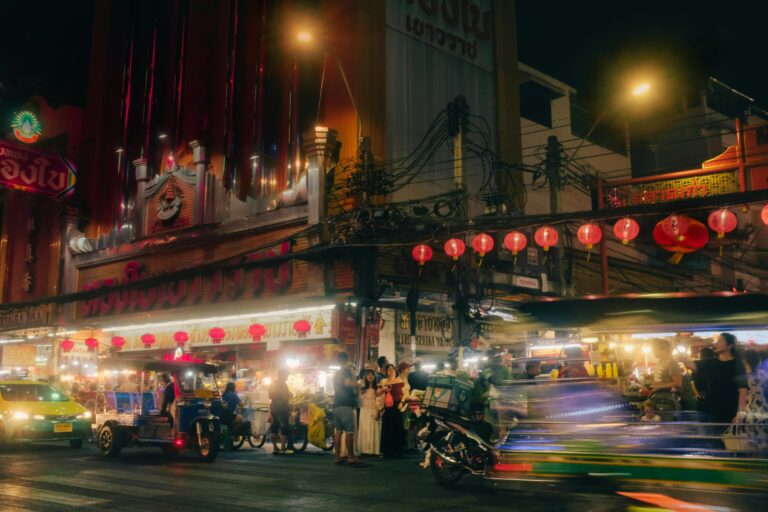
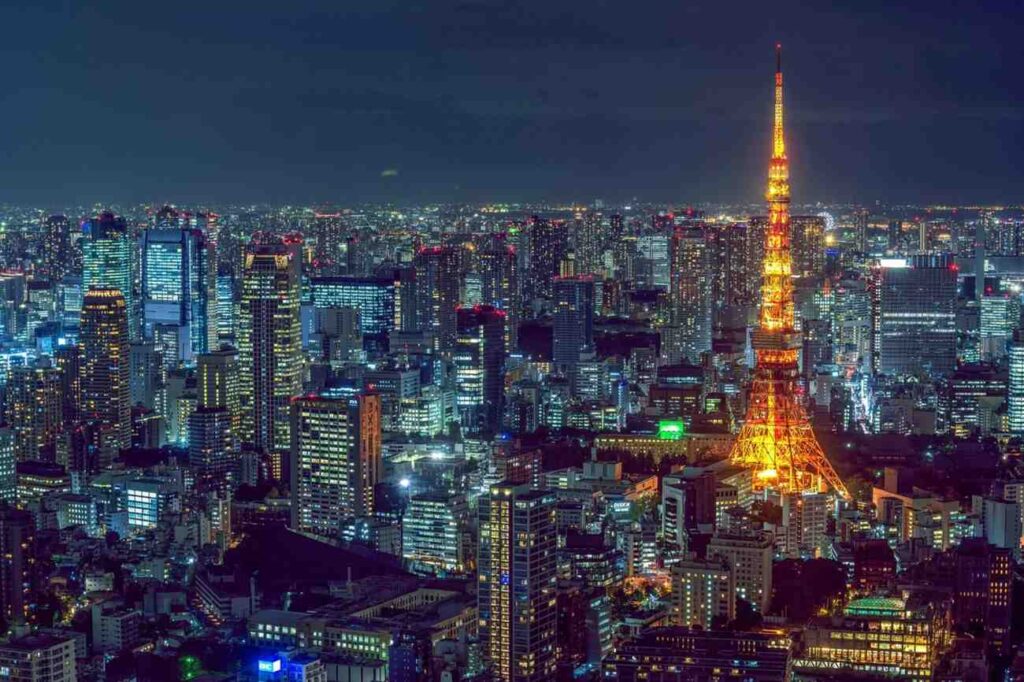
When the sun sets on Tokyo, Japan, the city’s diligent workforce sheds its daytime persona, and the electric energy of the Tokyo night scene begins to buzz. While tourists flock to Shibuya and the futuristic Shinjuku, the real heart of nighttime Tokyo beats in cozy izakayas and hidden bars where office workers, or “salarymen,” unwind. This world, away from polished tourist trails, offers genuine connection, delicious food, and boisterous laughter.
This guide unlocks that world, revealing the after-work culture defining Japan Tokyo nightlife. Forget mega-clubs; dive into narrow alleys lit by red lanterns, basement bars filled with lively chatter, and karaoke boxes echoing heartfelt ballads. Experience the city as a local, where Tokyo’s office workers truly come alive.The Culture of After-Work Socializing in Central Tokyo

To understand Tokyo night culture, you first need to understand the concept of “nominication.” It’s a Japanese portmanteau combining “nomu” (to drink) and “communication.” This isn’t just about grabbing a casual beer; it’s an integral part of Japanese business and social culture in Japan’s capital. After-work drinking sessions are where colleagues build bonds, bosses and employees speak more freely, and deals are often informally sealed.
This tradition creates a unique and vibrant nightlife scene that is most active on weeknights in central Tokyo. It’s a world where the lines between work and play blur in the most enjoyable way. For office workers in Tokyo Japan these evening rituals are a necessary release valve after a long day of disciplined work. It’s where hierarchies relax, professional masks come off, and true personalities emerge. Participating in this scene, even as an observer, offers a fascinating insight into the soul of modern Japanese society and the dynamic Tokyonight.The culture of nominication is deeply rooted in the history of Tokyo, a city that evolved from a small fishing village known as edo to the most populous city in the world and the eastern capital of Japan. The after-work socializing often takes place near Tokyo station and other business districts, reflecting the high concentration of office buildings and workers. This vibrant nightlife is part of what makes Tokyo night one of the top attractions in Tokyo for both locals and foreign visitors alike.Traditional Izakayas: The Heart of Office Worker Culture
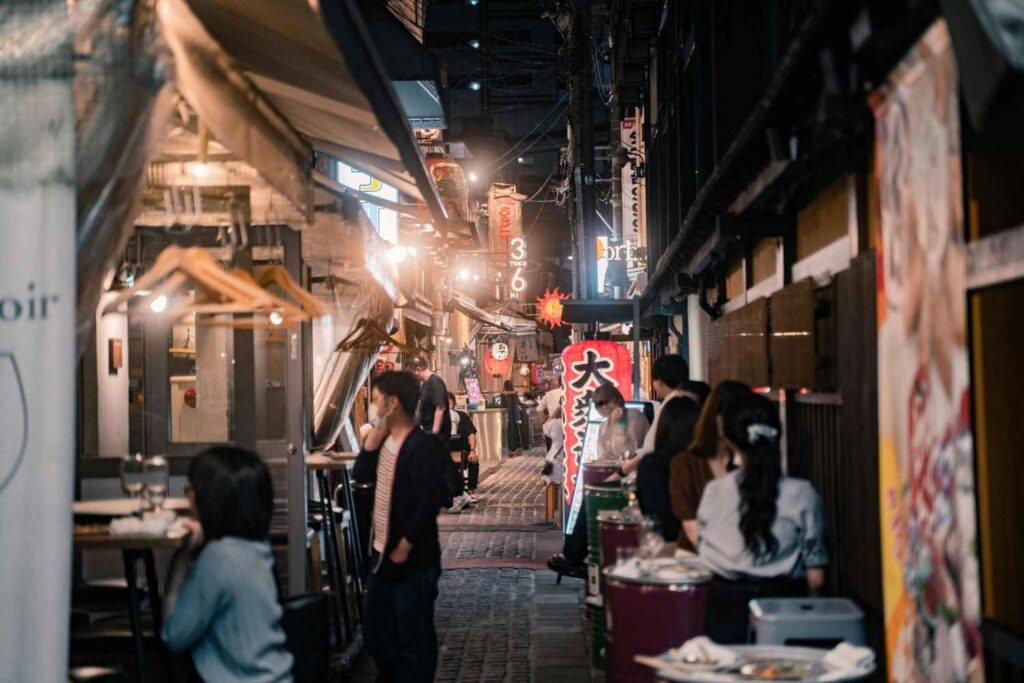
The izakaya is the quintessential Japanese pub and the true heart of after-work culture in Japan’s capital. These establishments are casual, lively, and serve a wide variety of small dishes alongside beer, sake, and shochu. An izakaya is not just a bar or a restaurant; it’s a comfortable “third place” between the office and home. The air is thick with the smell of grilled skewers, the sound of clinking glasses, and spirited conversation.
For an authentic Tokyo night experience, head to neighborhoods near central Tokyo where office buildings are plentiful. These areas come alive after 7 PM with salarymen loosening their ties and settling in for the evening.- Shimbashi: Often called “Salaryman Town,” Shimbashi is the holy grail of authentic izakaya experiences. The area under the JR train tracks is packed with tiny, rustic pubs, many of which have been around since ancient times.
- Yurakucho: Similar to Shimbashi, the area around Yurakucho Station, particularly under the Gado-shita railway tracks, is a maze of red lanterns and smoky grills. It’s a fantastic place to hop between different spots while enjoying traditional Japanese cuisine.
- Start by ordering a drink. A draft beer (“nama biiru”) is the standard opening move.
- Order a variety of small plates to share. Classics include yakitori (grilled chicken skewers), edamame, karaage (fried chicken), agedashi tofu, and sushi.
- It is customary to pour drinks for others at your table before pouring your own. When someone pours for you, hold your glass with both hands.
- Price Range: Expect to pay around ¥3,000 – ¥5,000 per person for a satisfying meal and a few drinks.
Standing Bars and Tachinomi: Quick Drinks on the Go
For a quicker, more casual Tokyo night experience, look for a tachinomi, or standing bar. These no-frills establishments are exactly what they sound like: small bars with no chairs where patrons stand while they drink and snack. They are incredibly popular with office workers looking for a quick drink before catching the train home or as a warm-up before a longer izakaya session.Tachinomi are often found inside or around major train stations, making them extremely convenient. The atmosphere is bustling and friendly. Since space is tight, it’s common to strike up conversations with neighboring patrons. It’s a fantastic way to have a brief but authentic interaction with locals. The prices are also very reasonable, with drinks and small snacks often costing just a few hundred yen each. Neighborhoods like Ebisu and Kanda are known for their excellent clusters of tachinomi.Karaoke Boxes: Letting Loose After Hours

Karaoke is not just a fun activity in Japan Tokyo; it’s a national pastime and a vital part of the after-work ritual. After a few drinks at an izakaya, it is very common for a group of colleagues to head to a karaoke box to continue the night. Unlike Western-style karaoke bars where you sing in front of strangers, Japanese karaoke involves renting a private room for your group.
These rooms come equipped with a karaoke machine, microphones, comfortable sofas, and a phone for ordering more drinks and snacks. It’s a private space where people can truly let their guard down, singing everything from Japanese pop hits to classic rock anthems with surprising passion. Major chains like Big Echo, Karaokekan, and Joysound can be found all over the city. Don’t be shy; even if you don’t know the songs, joining in with a tambourine or just cheering on your friends is part of the fun.Hidden Gems and Local Favorites in Japan’s Capital
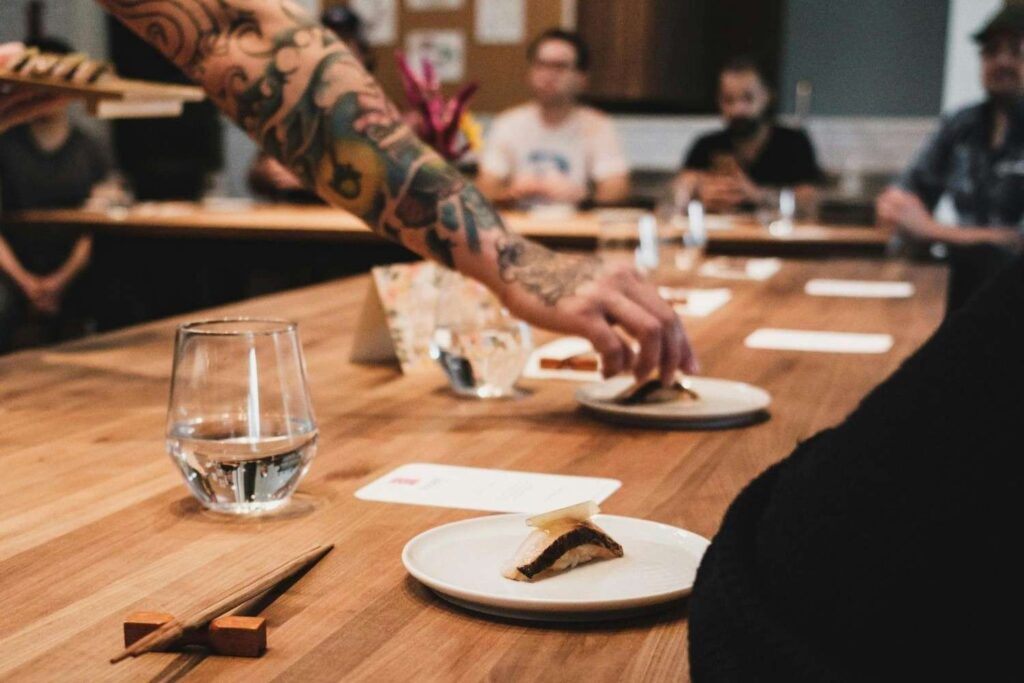
While Shimbashi and Yurakucho are epicenters of salaryman culture, every major neighborhood in Tokyo, Japan’s capital, has its own hidden spots that capture the essence of the city’s vibrant Tokyo night scene. To truly experience the city like a local and immerse yourself in Japan’s largest metropolis, you have to explore beyond the obvious.
- Omoide Yokocho (Memory Lane): Located on the west side of Shinjuku Station, this cramped network of alleys is a throwback to post-war Tokyo, surviving the air raids that shaped the city’s history. The tiny, smoke-filled stalls serve mostly yakitori and motsuyaki (grilled offal), offering authentic Japanese cuisine in an atmosphere steeped in historical significance. It’s gritty, atmospheric, and incredibly authentic.
- Golden Gai: Also in Shinjuku, Golden Gai is a preserved block of narrow lanes and tiny, ramshackle bars, some of which can only seat five or six people. While it has become more known to tourists, it still offers a unique Tokyo night experience. Be aware that some bars have cover charges or are for members only. This area reflects Tokyo’s resilience after the devastating air raids and maintains a nostalgic charm.
- Nonbei Yokocho (Drunkard’s Alley): Just a stone’s throw from the famous Shibuya Crossing, this tiny, lantern-lit alley feels like a time capsule amidst the bustling city. It’s home to a handful of minuscule bars, each with its own unique character, offering a cozy dining experience with a high concentration of locals. It’s the perfect antidote to the overwhelming modernity of Shibuya and a must-visit for those seeking a true taste of Tokyo’s after-hours culture.
Exploring these neighborhoods not only connects you with the authentic Tokyo night but also brings you close to top attractions in Tokyo, such as the nearby Imperial Palace, Edo Castle, and Sensoji Temple in Asakusa. These areas highlight the blend of ancient times and modern city life, underscoring Tokyo’s status as Japan’s capital and a populous metropolis in Asia.
For visitors planning their trip, November and October are ideal months to enjoy these vibrant scenes, with pleasant fall weather enhancing the experience. Whether you are near Tokyo Bay, southern Tokyo, or around Tokyo Station, these hidden gems offer free-flowing camaraderie and a warm welcome to foreign visitors looking to delve deeper into Japan’s economy and culture through its nightlife.
Don’t miss the chance to explore beyond the bright lights of Shibuya and Shinjuku, and discover the soul of Tokyo’s after-dark world, where the imperial family’s history, the legacy of the Tokugawa shogunate, and the modern pulse of Japan converge under the watchful gaze of Mount Fuji and the distant Ogasawara Islands.
Practical Tips for Joining After-Work Scene Around Tokyo
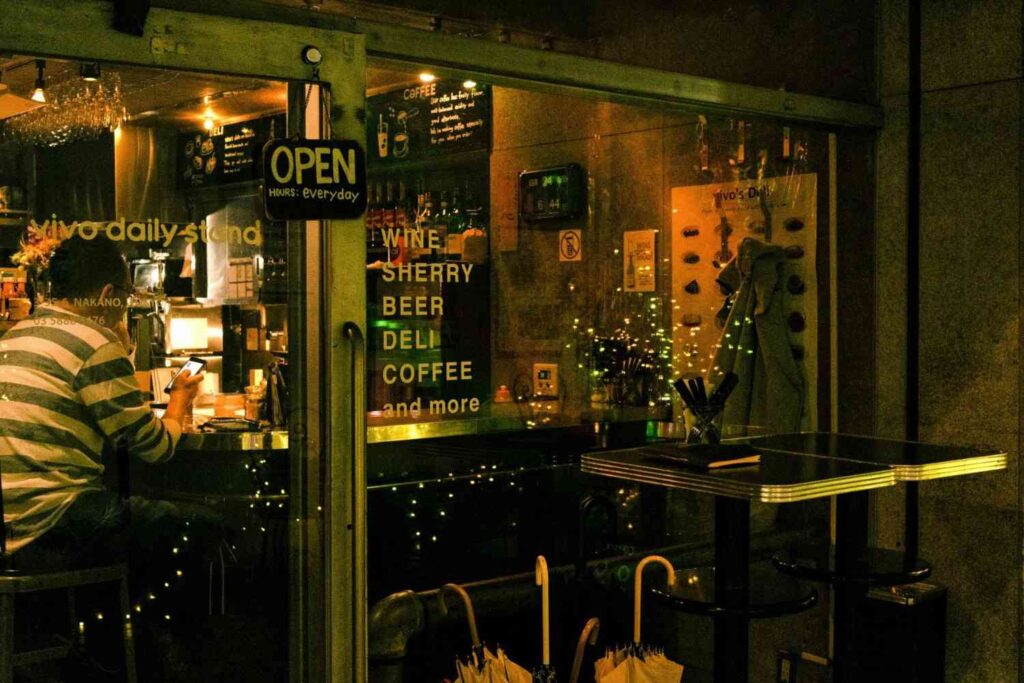
Diving into this world is incredibly rewarding. Here are a few tips to help you navigate it smoothly.
- Best Times to Go: The scene is most vibrant on weeknights, from Tuesday to Friday, starting around 7 PM.
- Finding the Spots: Look for red lanterns (“akachochin”) hanging outside, a sure sign of an izakaya. Don’t be afraid to explore basements or second-floor locations, as many great spots are hidden from street level.
- Helpful Phrases:
- “Sumimasen” (Excuse me) – To get a server’s attention.
- “Nama biiru o kudasai” (A draft beer, please).
- “Okanjo o onegaishimasu” (The bill, please).
- “Kanpai!” (Cheers!).
- Etiquette: When entering some traditional izakayas, you may need to remove your shoes. Place them in the provided lockers or shelves. Tipping is not customary in Japan.
Drink Up to Populous Metropolis
The true spirit of Tokyo night isn’t in bright lights or fancy clubs but in the camaraderie of izakayas, the quick chats at standing bars, and the joy of karaoke rooms. Here, the people of Tokyo Japan unwind and connect.
By joining this scene, you’re partaking in a cherished cultural ritual. So, be adventurous; follow the red lanterns, pull up a stool, and raise your glass. The most authentic Japan Tokyo experience of your trip could be waiting there. Kanpai!
For a deeper dive into Tokyo’s hidden dining gems, check out Hidden Sushi Bars in Tokyo Japan: An Omakase Experience Guide.