The evening heat had softened by the time I ducked into the quiet hush of a Japanese place off Orchard. Outside, the city hummed. Inside, the air cooled, and the first bowl arrived like a small tide coming in.
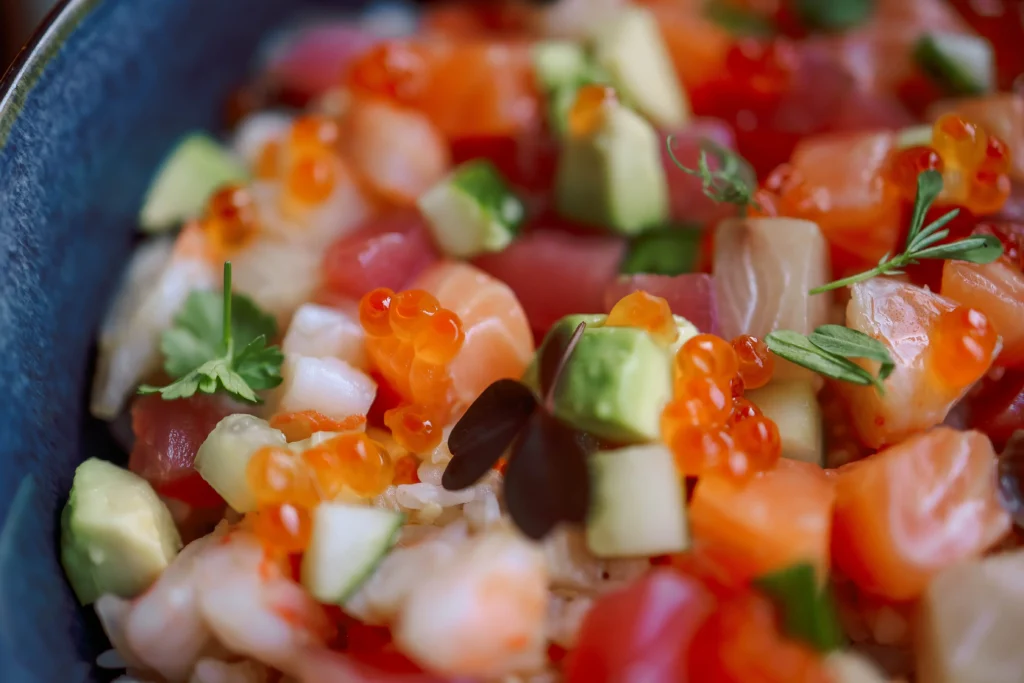
There it was. A scatter of fresh sashimi over vinegared rice, salmon roe catching the light like beads of glass. This is chirashi don at its most honest, a rice bowl that asks you to slow down and look before you eat.
I’ve chased chirashi don in Singapore for years now. Not for the photos, though the bowls are lovely. For the feeling. That first bite where cool raw fish meets warm, seasoned rice, and for a moment the day goes quiet.
For chirashi don lovers, there is something deeply comforting about this Japanese cuisine classic. Every bowl carries its own personality, from delicate slices of seafood to fresh cubes of fish arranged with care. So, come sit with Bites and Travel. Let’s wander from one bowl to the next.
What Makes a Chirashi Bowl Beautiful
Beauty here isn’t about arrangement alone. It’s the color of the fish, the confidence of the knife work, the way each slice looks freshly cut rather than tired. It’s balance.
And it’s the rice. People forget the rice. Fluffy Japanese rice, seasoned with just enough vinegar, served warm, does half the work in a good bowl. Premium ingredients matter, but so does that quiet foundation beneath them. A little soy sauce, a bit of interesting texture from something crunchy, and the whole thing sings.
Some bowls lean towards the traditional simplicity of chirashizushi shou, while others embrace modern Japanese food influences with toppings like sesame seeds, sesame sauce, mentaiko, and richer seafood combinations.
The Bowls We’re Chasing
Omoté, Thomson Plaza
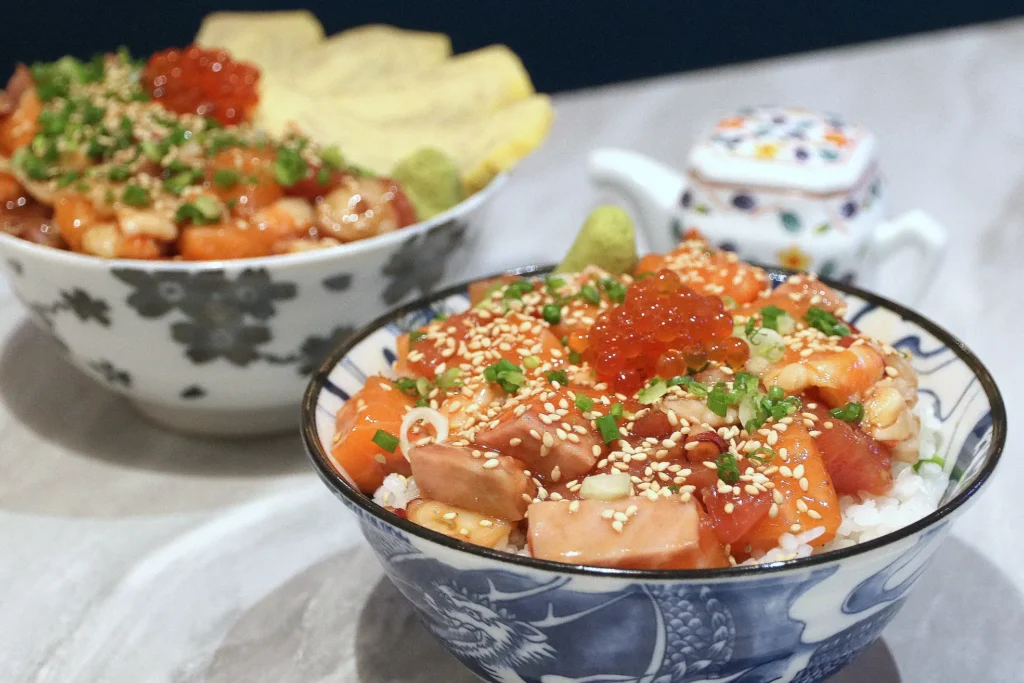
Omoté sits tucked inside Thomson Plaza, a short walk from Upper Thomson MRT. It’s casual, friendly, the kind of place where the queue moves and nobody rushes you once you’re seated.
This is bara chirashi don territory. The style leans sauce-forward, with cubed sashimi mixed right into the seasoned rice. The basic Omoté Chirashi starts around S$15.80, and for salmon lovers, the Salmon Booster Chirashi comes in near S$25.80.
The menu also appeals to diners who enjoy variations such as salmon avocado combinations, salmon mentaiko toppings, and bowls featuring mixed sashimi with bold Japanese flavours.
Groups can share the Super Mount Chirashi, roughly S$38.80. Expect diced sashimi, mentaiko, unagi, and generous salmon in its many forms. The generous portion makes it popular among diners who want a satisfying bowl without entering premium sushi pricing.
My Tip: Order the basic Omoté Chirashi first. The style is clearer before the sauces take over. Go on a weekday before noon to skip the crowd.
The Sushi Bar, Ngee Ann City
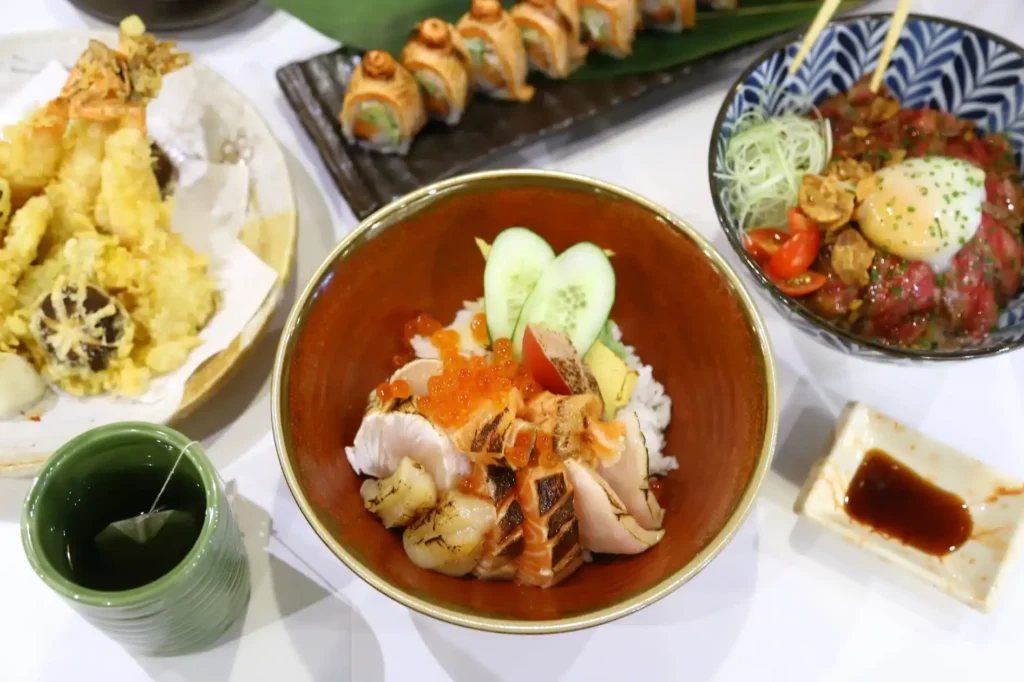
Up in Ngee Ann City along Orchard, The Sushi Bar keeps things simple and generous. No frills. Just thick cuts and a bowl that fills you up. The Kaisen Chirashi Don is the one to get, layered with salmon sashimi, tuna sashimi, swordfish sashimi, ikura, and surf clam.
For a sashimi fan who prefers quality cuts over heavy sauces, this is the kind of bowl that lets the seafood speak. The combination of fresh seafood, crab meat additions in selected dishes, and carefully prepared rice reflects the comforting appeal of Japanese food.
Prices sit around S$27.90 to S$31.90 depending on size, though the smaller size is already plenty.
My Tip: The space runs compact and the service is functional rather than warm. But the fish is fresh and thick, and that’s what people come back for. Aim for a late lunch or early dinner on a weekday, when the shoppers thin out.
Chirashi King Kong, Tanjong Pagar
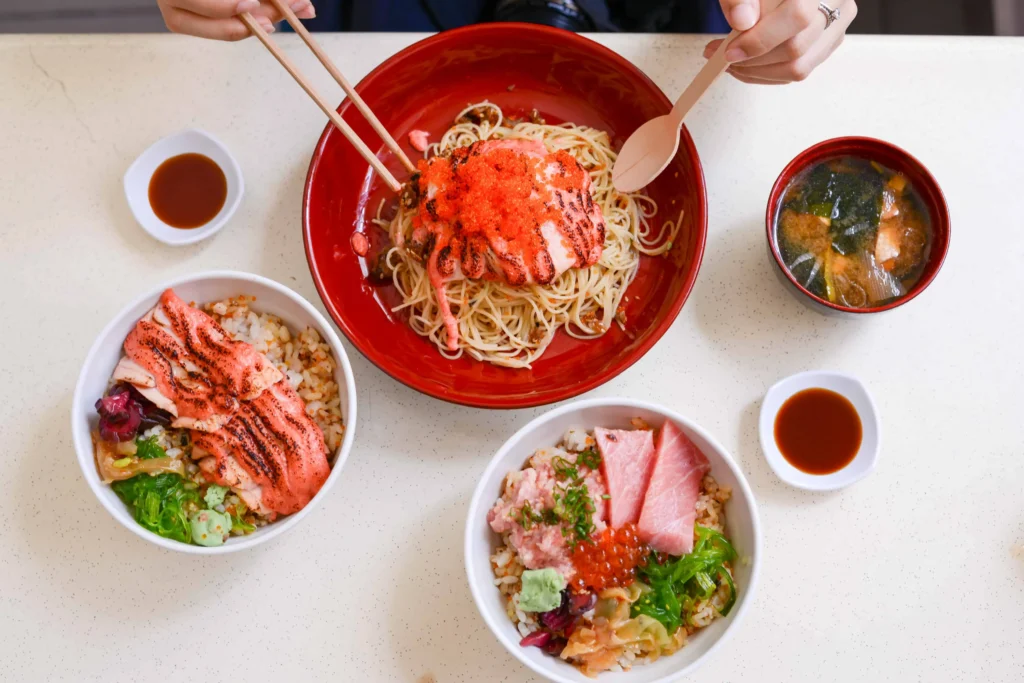
A few minutes from Tanjong Pagar MRT, this small spot called Chirashi King Kong does something different with the rice. Instead of standard sushi rice, they use truffle oil-infused mushroom rice. The savoury base becomes a character of its own. The signature Chirashi King Kong Bowl runs around S$14.90, and there’s an affordable Salmon Tuna Bowl near S$9.90, gentle on a CBD budget.
The truffle aroma is strong and the mentaiko sauce is generous. Skip the extra soy sauce here. The rice is already heavily seasoned, and adding more tips it toward salty.
For diners who enjoy a spicy chirashi don twist, this style of bold seasoning offers a different experience from traditional bowls. The addition of spring onions, sesame seeds, and sauces creates a more modern interpretation of chirashi.
My Tip: Seating is limited during lunch, so arrive before 11:45am or after the peak. If you prefer subtle, clean flavours, this one runs bold.
Koji Sushi Bar, Raffles City
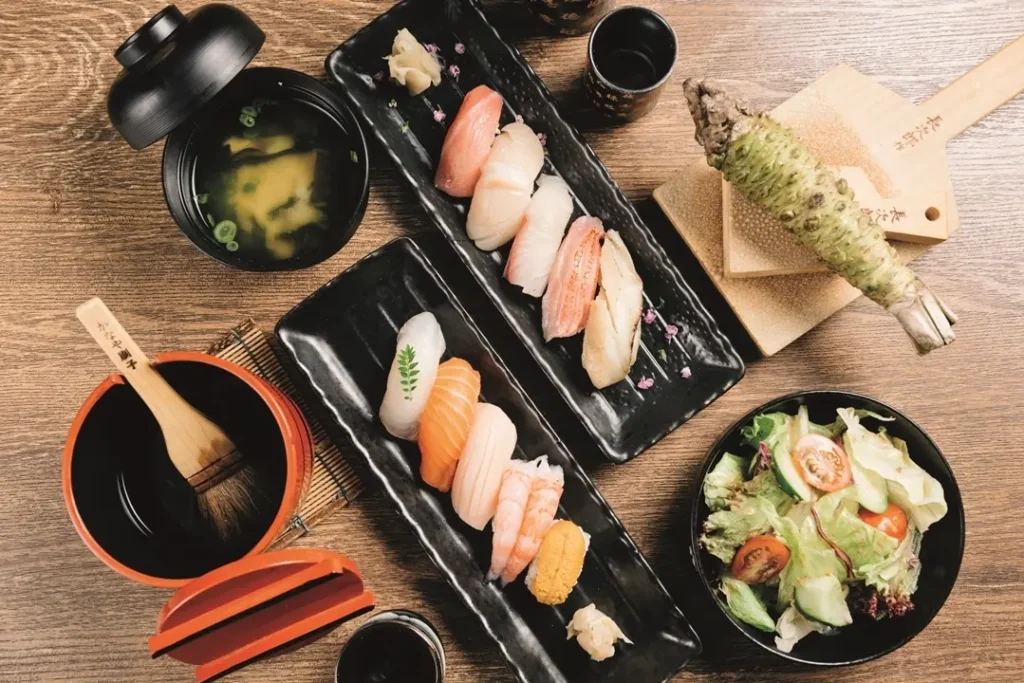
Koji Sushi Bar lives in Raffles City Shopping Centre, connected right to City Hall MRT. By day it’s a brisk, practical lunch spot. By night it drifts toward premium sushi and omakase.
The Chirashi Don, around S$22++, carries a strong fish-to-rice ratio and genuinely fresh fish. It’s built for the lunch crowd, efficient and satisfying, ideal if you care more about the seafood than a slow meal.
For those exploring Japanese cuisine beyond the usual sushi counters, Koji offers the quiet pleasure of a carefully assembled kaisen don, where each piece of fish has room to shine. The experience feels closer to a traditional Japanese food journey than a rushed office lunch.
My Tip: Come just after lunch opening for the calmest window. Lunch offers the best value; dinner leans expensive as the menu shifts upmarket. I’d also very much recommend this to solo diners.
Tanuki Raw, Orchard Central
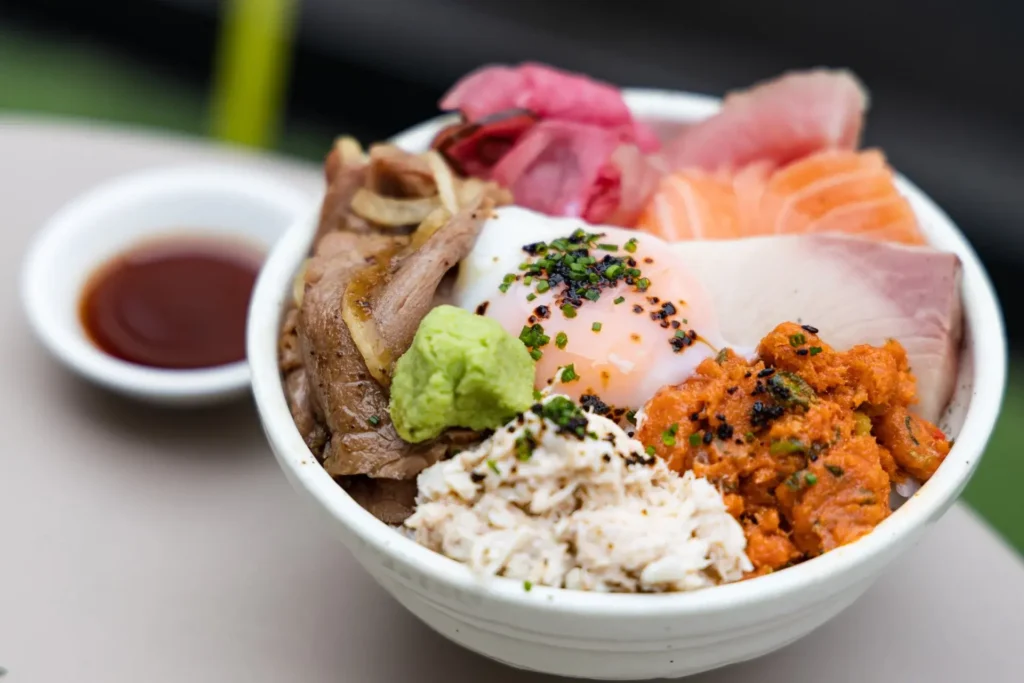
Tanuki Raw brings a livelier mood. Connected to Somerset MRT inside Orchard Central, it pairs chirashi with oysters, cocktails, and a social buzz.
The Four-Master Kaisen Chirashi Don is the showpiece: bluefin tuna, salmon, pink swordfish, yellowtail, and salmon roe together in one bowl. Prices run roughly S$25 to S$40 before drinks. Come for lunch or happy hour, when it’s calmer and the value is kindest.
For diners who love a modern Japanese twist, Tanuki Raw sits somewhere between a sushi bar and a casual dining escape. Its colourful seafood bowls, cocktails, and relaxed atmosphere make it especially appealing to groups looking for more than just a meal.
My Tip: Evenings get loud and service can slow when the crowd swells. But if you want chirashi with a drink in hand and good company, request a balcony-facing table. The Orchard view changes the whole evening.
Sen-ryo, ION Orchard
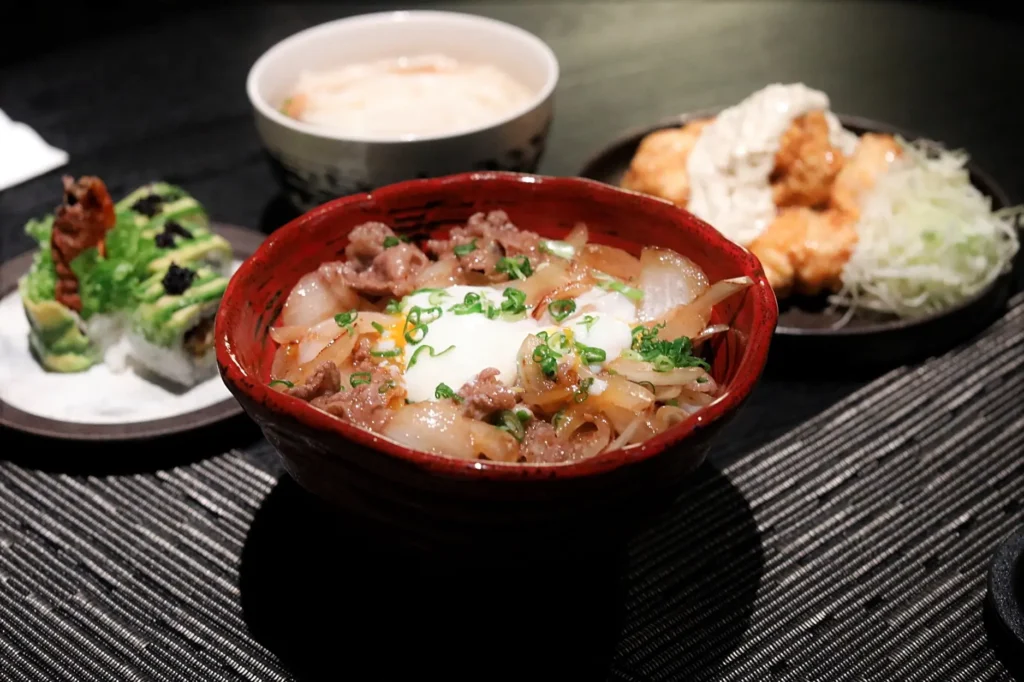
For the quiet occasions, there’s Sen-ryo at ION Orchard, connected to Orchard MRT. This is the most polished of the six. Premium chirashi don, refined presentation, seasonal seafood, and gentle uni additions. Expect around S$35 to S$60 per person, with professional service and a comfortable room that suits a celebration.
Among the premium offerings, diners may look towards options such as the premium kaisen irodori don, where colourful seafood selections are arranged with the precision expected from a refined sushi restaurant.
The appeal here is less about oversized portions and more about the quality of ingredients. Seasonal seafood, delicate slices of sashimi, sweet shrimp, and premium cuts such as kuro maguro create a bowl designed for slow appreciation.
My Tip: Portions are more measured than the casual specialists, and weekend reservations fill fast. Book ahead, and go on a weekday lunch or early dinner. If ION is full, the Suntec City branch often has more flexibility.
Other Chirashi Don Trails Worth Exploring
Singapore’s chirashi scene stretches beyond the six bowls above. For curious food explorers, places such as Sushi Tei continue to introduce diners to accessible Japanese cuisine with classic seafood rice bowls, while neighbourhood favourites around places like Bukit Timah Plaza and Far East Plaza offer their own quieter interpretations.
Some diners search specifically for more playful creations like the Kuro Maguro Guoco Tower, where premium tuna becomes the centrepiece of a dramatic seafood presentation. There are also hidden gems like Umi Nami, where seafood-focused Japanese dishes offer another reason to wander beyond the usual dining districts.
The joy of chirashi don is that every restaurant tells a slightly different story. One bowl may celebrate simplicity, another creativity, and another the luxury of exceptional seafood.
Choose Your Bowl
Not sure where to begin? Here’s a quiet way to decide.
If you like smoky edges: go for aburi salmon or an aburi salmon don, lightly torched at the surface.
If you love rich textures: look for salmon belly, fatty tuna, or bowls featuring premium seafood cuts that melt gently with every bite.
If you want briny pops: chase salmon roe, or a proper ikura don, even a salmon ikura don.
If you want bite-sized gems: bara chirashi and cubed sashimi, all mixed through the rice.
If you want comfort and sweetness: try combinations featuring salmon avocado, sweet shrimp, or even an unagi don alongside your seafood bowl.
If you want indulgence: premium chirashi with fatty tuna and those quietly luxurious premium ingredients.
There’s no wrong answer. Only the bowl that matches your mood.
A Few Things Worth Knowing
A little care makes any bowl better.
On soy sauce: dip the fish, not the rice. Drowning the bowl mutes the seasoning already worked into the vinegared rice. A light touch lets the fresh salmon and tuna speak.
On rice temperature: the best chirashi arrives with rice barely warm, not cold. That gentle heat against the cool sashimi is half the pleasure.
On sashimi grade seafood: in a casual Japanese eatery, this simply means fish handled and cut for eating raw, kept cold and fresh. You’ll taste it in the clean finish, in fish that tastes of the sea rather than the fridge.
On queues and budget: weekday lunches before noon are your friend. And affordable chirashi bowls do exist. The CBD spots prove a good rice bowl needn’t cost a fortune. Pair a smaller bowl with a side dish or a salmon aburi roll if you’re hungrier.
One Last Bowl
A bowl of chirashi is a small voyage. Sea and rice, light and salt, the quiet comfort of returning to a table you trust. Whether it’s a S$10 bowl near the office or a premium spread for a birthday, the pull is the same. That first bite. That pause.
I still don’t have a favourite. I have moods, and a bowl for each of them.
The best part of chasing chirashi don isn’t simply finding the freshest fish. It’s discovering the places, people, and small moments that make a city feel more familiar. After all, every great journey deserves a good meal waiting at the end.
For more articles on Japanese cuisine and dining, read up on our article: A Passport Through Japan: Flavors from the Best Japanese Restaurant Singapore.