Some meals begin long before you sit down. This one began weeks earlier, with a booking made in advance and a quiet wait that felt almost old-fashioned in a city that rarely slows.
I thought about it more than once in the days between. Not with hunger, exactly. More like anticipation, the kind that asks you to be patient before it gives you anything at all. That, I would learn, is the whole point.
At Ashino, waiting isn’t an inconvenience. It’s the first ingredient.
When Time Becomes the Chef
CHIJMES holds its own kind of stillness in the evening. The old chapel walls glow softly as the light drops, and the courtyard hums with a gentle after-work murmur. You walk past it toward something quieter. A small door. A short pause. And then the counter.
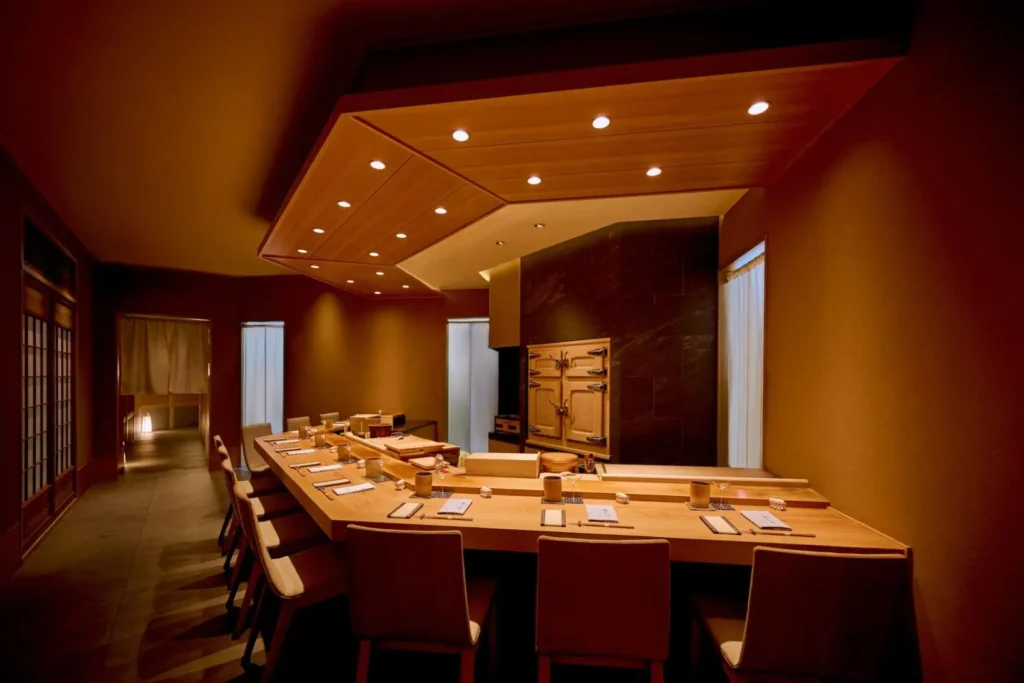
Ashino CHIJMES is not a large room. Around eight seats face the chef, close enough that you can hear the knife meet the board, close enough to watch hands move without hurry. The hush settles over you almost immediately. This is not a place for big groups or loud celebration. It asks you to lower your voice, to lean in, to pay attention.
You sit. Someone pours tea. The evening narrows to the width of the counter, and that feels right.
What It Means to Age Fish
Most sushi celebrates the fresh. The clean snap of fish just off the ice, bright and cool.
Ashino asks a different question. What happens if you wait?
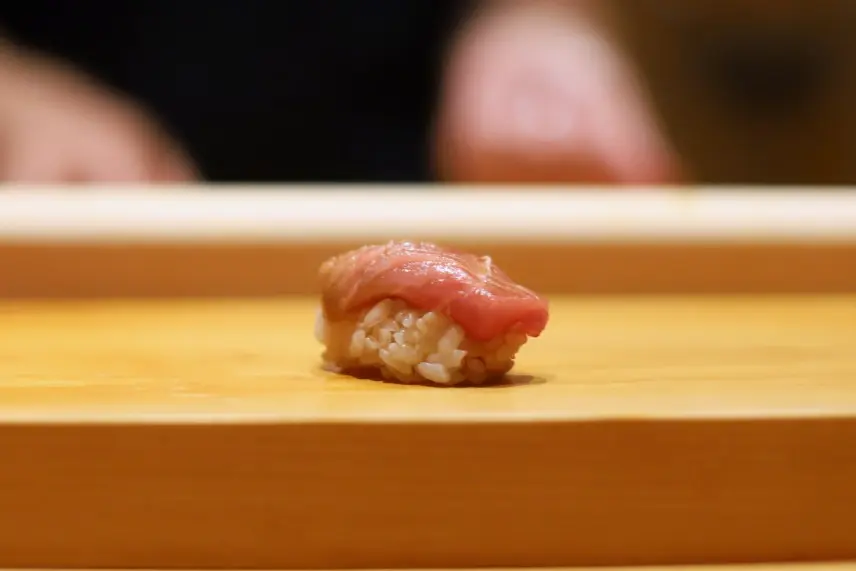
The restaurant is built around jukusei, the controlled aging of fish. Rather than serving seafood at its freshest, Chef Taku Ashino holds it, cures it, watches over its temperature, and lets time do slow work. Aging softens the texture. It deepens the flavour, drawing out a rounder, more concentrated umami that fresh fish hasn’t yet grown into.
It is patient cooking, if you can call waiting a kind of cooking. The fish becomes less about the sea it came from and more about the hands that held it, the days that passed, the quiet decision to let something ripen rather than rush it to the plate.
Time, here, is treated like an ingredient. And you taste it.
The Rarities Worth the Wait
The rice arrives strongly seasoned, more vinegared than you might expect, and it sets the tone for everything that follows.
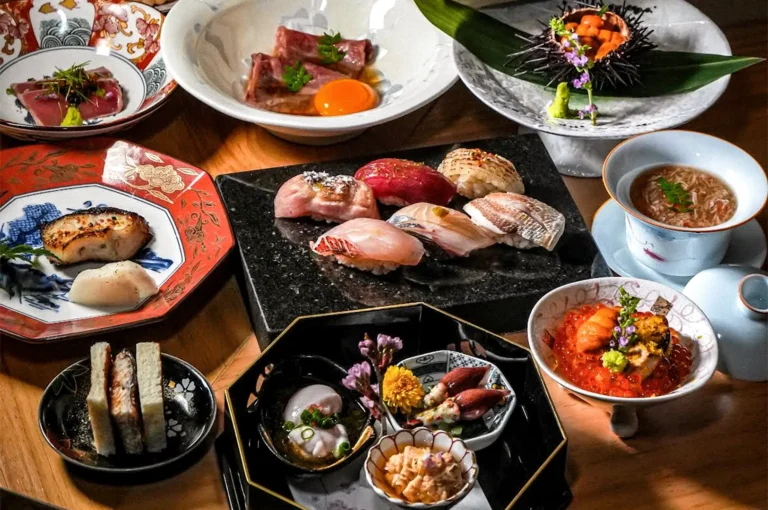
The meal opened with akami aged ten days, lean tuna that had lost its sharp edge and gained something deeper, almost savoury, pressed against that firm, tangy rice. Beside it came botan ebi aged three days, the prawn soft and quietly sweet, its texture turned tender by the waiting.
Then the pieces I keep thinking about.
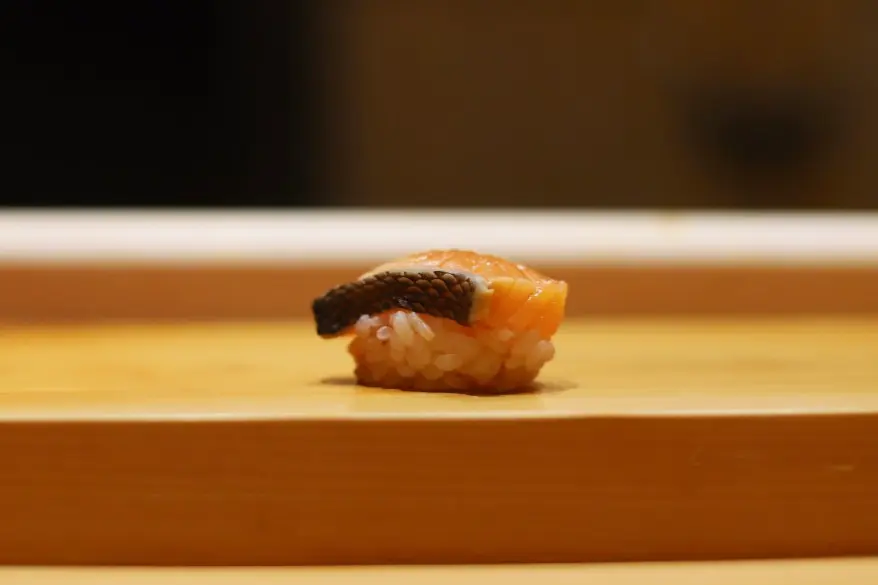
Isaki, a grunt fish, clean and delicate, its flavour coaxed forward rather than masked. Anago, sea eel, so soft it seemed to give way before I finished the bite, with a gentle sweetness that lingered. Take these slowly. There is nothing to hurry past.
The silver-skinned fish surprised me most. Sardines and mackerel, the sort of fish that can turn sharp and oily in lesser hands, arrived balanced and rounded, their strength held in check. This is where the craft shows itself plainly.
And then the unusual things, the reasons regulars return. Akoya clams, faintly briny and firm. Mehikari, a small fish you rarely see on a Singapore counter. Ashino sushi leans into these quiet rarities, and eating them feels less like a luxury and more like a small education in what the sea can offer when someone bothers to look further.
Dessert I did not expect to remember. Black sesame ice cream and a scoop of sea salt ice cream touched with sake, the bitterness and salt pulling against each other, ending the meal on a note that was cool and strange and lovely.
The Chef at the Counter
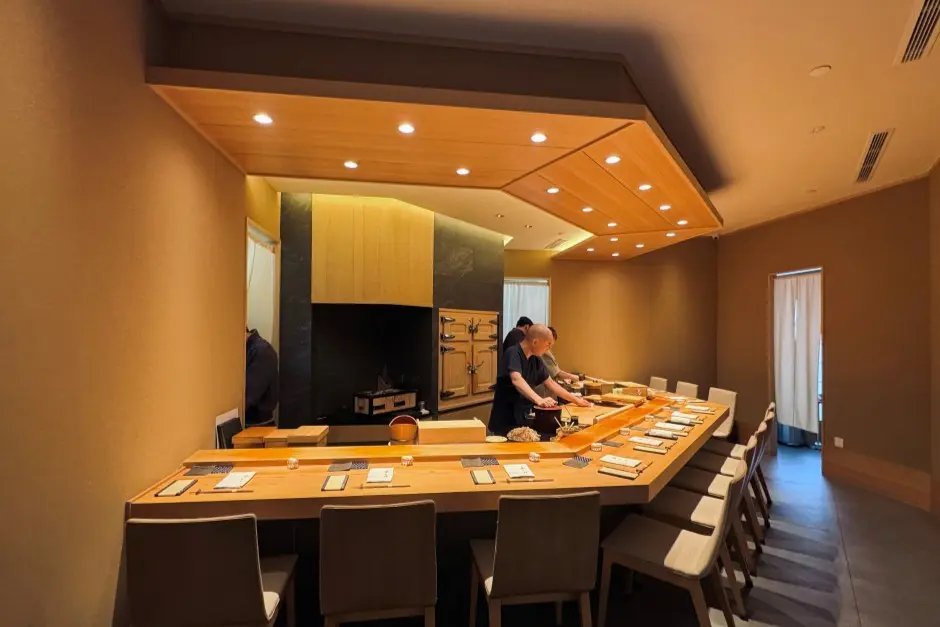
There is a rhythm to watching someone work like this. Chef Ashino moves without waste. A cut, a press, a piece set down in front of you, and now and then a few words about why this fish was aged and that one wasn’t. That explaining is part of the meal. You come to understand what you’re eating not through a menu, but through the person making it, an arm’s length away.
The intimacy is the experience. Not everyone will love it. It asks something of you, a willingness to sit quietly, to trust the chef, to let subtlety be enough. If you arrive expecting big luxury flourishes or generous heaps of premium seafood, this may feel restrained. It is meant to be.
I found the restraint moving. Your evening may differ, and that is honest to say.
A Little Patience Before the First Course
A few grounded things, offered plainly. Ashino Singapore is a small counter, so booking well ahead is essential. Seats have historically been hard to come by, sometimes weeks out, and walk-ins are unlikely to work. Plan for it the way you’d plan for anything worth waiting on.
Budget around S$300 to S$500 per person once you account for service, drinks, and the little extras. It sits at City Hall MRT, tucked inside CHIJMES in the heart of the city, easy to reach and easy to linger near afterward.
For a quieter seat, aim for a weekday lunch or an early dinner. This is a meal for sushi lovers, for the curious, for couples who want something intimate rather than showy. If you’re taking your first careful step into omakase and hoping to be dazzled by spectacle, you might start somewhere gentler and return here later, when subtlety feels like a gift rather than a puzzle.
The Sushi That Waits
I left thinking about time. How we rush most of our meals. How rarely we let anything ripen. How strange and quiet it felt to eat food that had been waiting for me, patiently, for days before I arrived.
That is the secret ingredient at Ashino. Not the rare fish, though the fish is remarkable. Not the technique, though the technique runs deep. It’s the waiting itself, the belief that some things are better for having been given time.
So if you go, go slowly. Book early, sit down, and let the counter hold your evening for a while.
The sushi has been waiting. It’s worth meeting it halfway.