For many diners, omakase has traditionally been associated with quiet evenings, sushi counters, and carefully paced dinners. It is often viewed as a special occasion meal, reserved for celebrations or milestone experiences.
However, that perception has started to change.
Across Singapore, omakase lunch Singapore experiences are becoming increasingly popular among diners who want to enjoy Japanese craftsmanship in a more accessible setting. A carefully prepared meal during the day offers a different rhythm. It is still guided by the chef, still shaped by seasonal ingredients, but it fits more naturally into everyday schedules.
For those beginning to explore the world of chef-led dining, understanding Omakase in Singapore can help explain why this style of Japanese dining has grown beyond traditional dinner settings.
Lunch omakase is not simply a shorter version of dinner. It represents a different approach to experiencing Japanese cuisine.
Omakase Lunch Singapore: A New Way to Experience Japanese Dining
The idea behind lunch omakase remains the same as traditional omakase dining.
The word omakase comes from the Japanese expression meaning to entrust the meal to the chef. Instead of selecting individual dishes from an à la carte menu, diners allow the chef to curate the progression based on ingredients, technique, and seasonality.
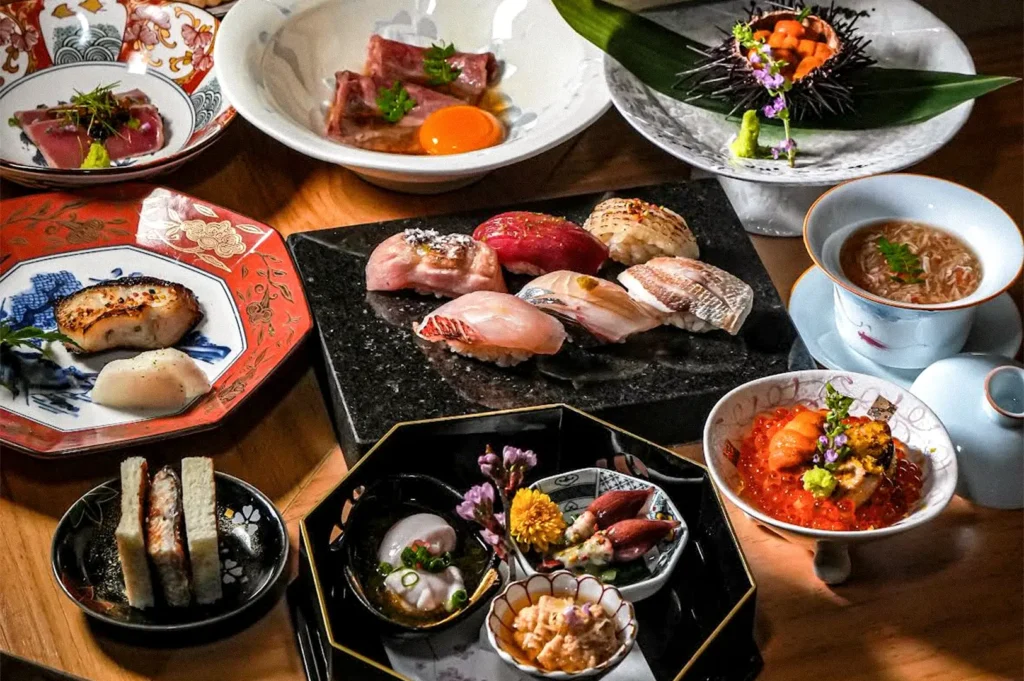
A typical omakase meal may include appetisers, sashimi, sushi courses, cooked dishes, soup, and dessert.
The difference during lunch is often the pace and structure.
Many restaurants design their lunch omakase menu to fit within a shorter dining period, making it suitable for professionals, first-time diners, or those who want to experience Japanese cuisine without committing to a longer evening meal.
This format has helped introduce more people to Japanese dining traditions.
Lunch Omakase vs Dinner Omakase: Understanding the Difference
The main difference between lunch omakase and dinner omakase is not simply the number of dishes served.
It is about the overall dining experience.
A dinner omakase is often designed as a more complete evening journey. Guests may spend more time at the counter, with additional courses and premium ingredients included throughout the meal.
A dinner omakase menu may feature:
premium seafood
seasonal sashimi
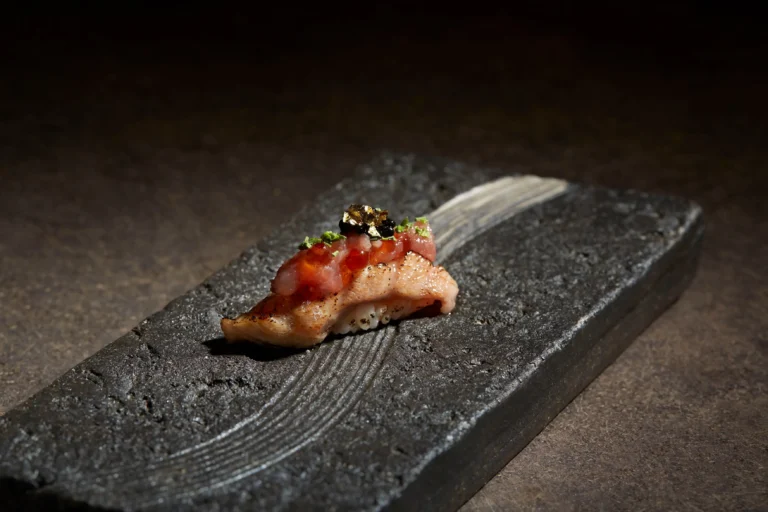
specialty nigiri sushi
cooked dishes
dessert courses
Lunch, meanwhile, tends to be more structured around efficiency while maintaining quality.
Many omakase menus during lunch focus on highlighting the chef’s style through selected courses rather than an extended progression.
For diners new to omakase, lunch can be a comfortable starting point.
It offers the same attention to detail, but with fewer barriers.
Japanese Omakase: How Seasonal Ingredients Shape the Meal
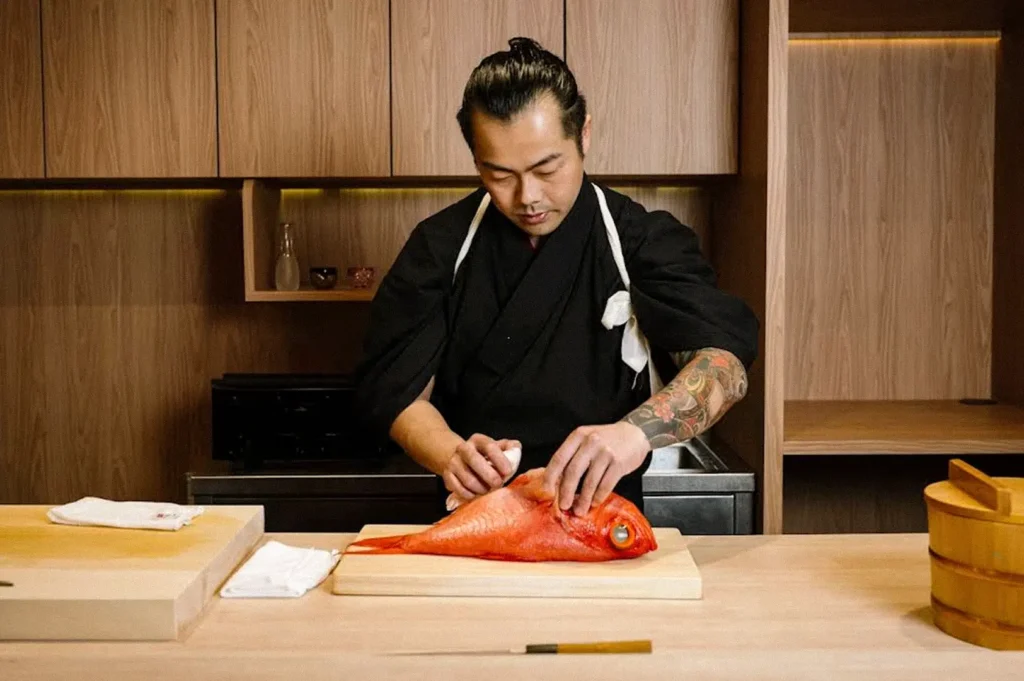
The foundation of Japanese omakase is trust.
That trust comes from allowing the chef to select ingredients based on what is best at that moment.
Seasonality plays an important role in Japanese cuisine. Seafood availability changes throughout the year, and chefs often adjust their menus according to what arrives fresh.
This may include seasonal fish, premium seafood, or ingredients sourced according to specific regions and seasons.
A well-prepared omakase course is not simply a collection of expensive ingredients. It is a carefully considered sequence.
The temperature of the sushi rice, the preparation of the fish, and the order of the dishes all contribute to the final experience.
This is why two visits to the same restaurant can feel different.
The menu changes because the ingredients change.
Japanese Omakase Restaurant: What Should First-Timers Expect?
Visiting a Japanese omakase restaurant for the first time can feel unfamiliar.
Unlike a regular Japanese restaurant, where diners choose dishes themselves, omakase requires a different mindset.
The chef curates the meal.
Guests are encouraged to pay attention to:
the preparation process
the timing between courses
the balance of flavours
the relationship between ingredients
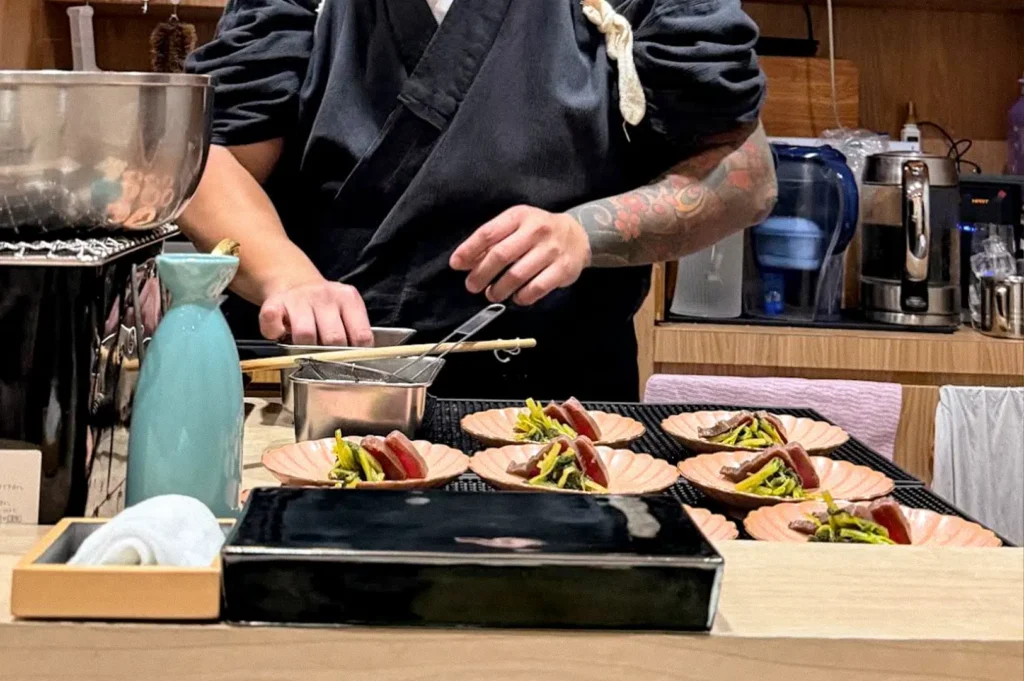
At many sushi-focused restaurants, counter seating allows diners to observe the chef preparing each dish.
Watching a chef prepare nigiri, slice sashimi, or adjust sushi rice temperature adds another layer to the dining experience.
For first-timers, it is also helpful to inform the restaurant about dietary restrictions before the meal begins.
A little preparation allows the chef to create a smoother experience.
Japanese Cuisine Beyond Dinner: Why Lunch Omakase Works
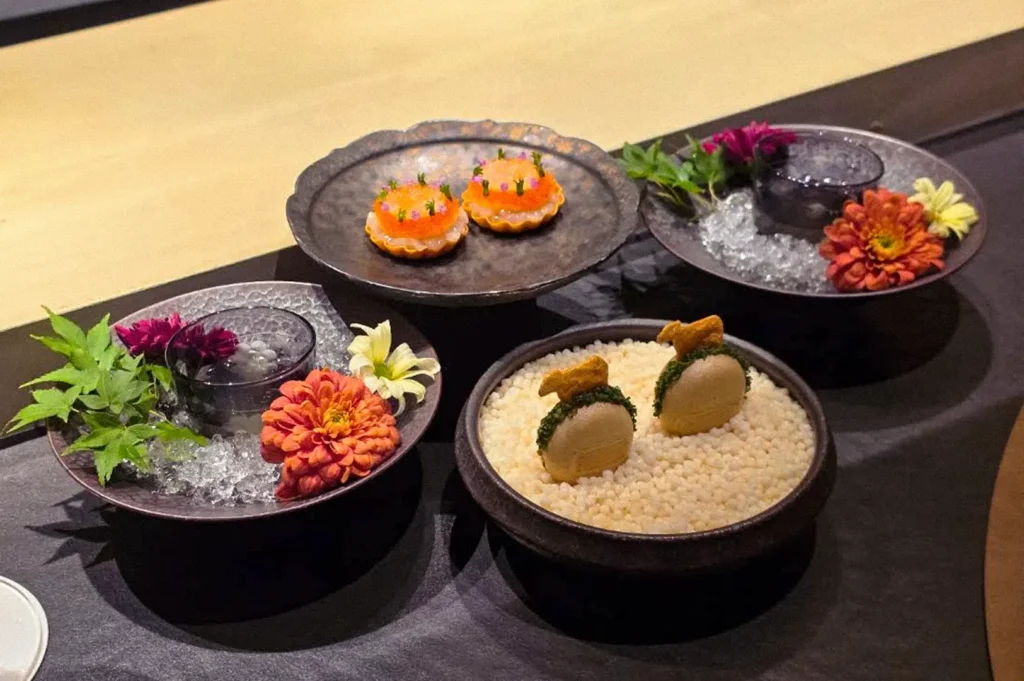
One reason omakase lunch has grown is because it fits modern lifestyles.
Singapore’s dining culture is fast-moving. Many diners want memorable experiences, but they also need flexibility.
Lunch omakase offers a balance.
It allows guests to experience:
carefully selected ingredients
chef preparation
seasonal menus
Japanese dining traditions
without necessarily dedicating an entire evening.
The battle for the Best Omakase in Singapore continues, as more restaurants explore how to present Japanese craftsmanship in different formats.
From premium dinner experiences to accessible lunch sets, Singapore’s omakase scene continues to expand and evolve.
International Plaza and Cuppage Plaza: Accessible Omakase Experiences
Location has also played a role in making omakase more accessible.
Areas such as International Plaza and Cuppage Plaza have become familiar names among diners exploring Japanese restaurants in Singapore.
These locations attract office workers, residents, and visitors looking for quality Japanese dining in convenient areas.
The growth of omakase restaurants in these spaces shows that chef-led dining is no longer limited to luxury destinations.
It can exist within everyday dining districts.
The Intimate Dining Experience Behind Omakase
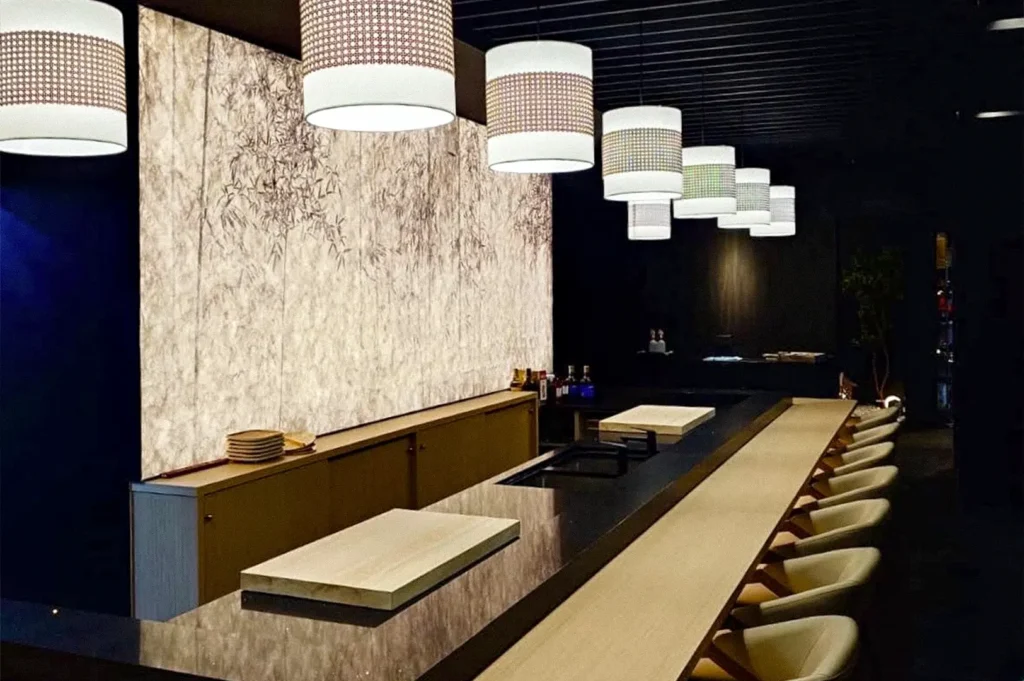
At its heart, omakase remains about connection.
The intimate dining experience created at a sushi counter allows diners to understand the chef’s approach more closely.
Every dish has a reason.
A seasonal appetiser introduces the meal. Sushi highlights ingredient quality. Cooked dishes create contrast. Dessert provides closure.
This structure creates a complete dining experience rather than simply a meal.
For many diners, this is what makes omakase memorable.
It is not only about what is served.
It is about how the meal unfolds.
Why Lunch Omakase Singapore Is Worth Exploring
The rise of lunch omakase Singapore reflects a broader change in how people experience Japanese cuisine.
Omakase is no longer only an evening indulgence. It has become a way for more diners to appreciate Japanese techniques, seasonal ingredients, and chef-led dining during the day.
Whether visiting a sushi counter in Orchard, exploring restaurants around Tanjong Pagar, or discovering Japanese dining options near Cuppage Plaza, lunch omakase provides an approachable introduction to this tradition.
The experience remains rooted in the same principles:
Respect for ingredients.
Trust in the chef.
Attention to detail.
Enhancing Your Lunch Omakase Experience
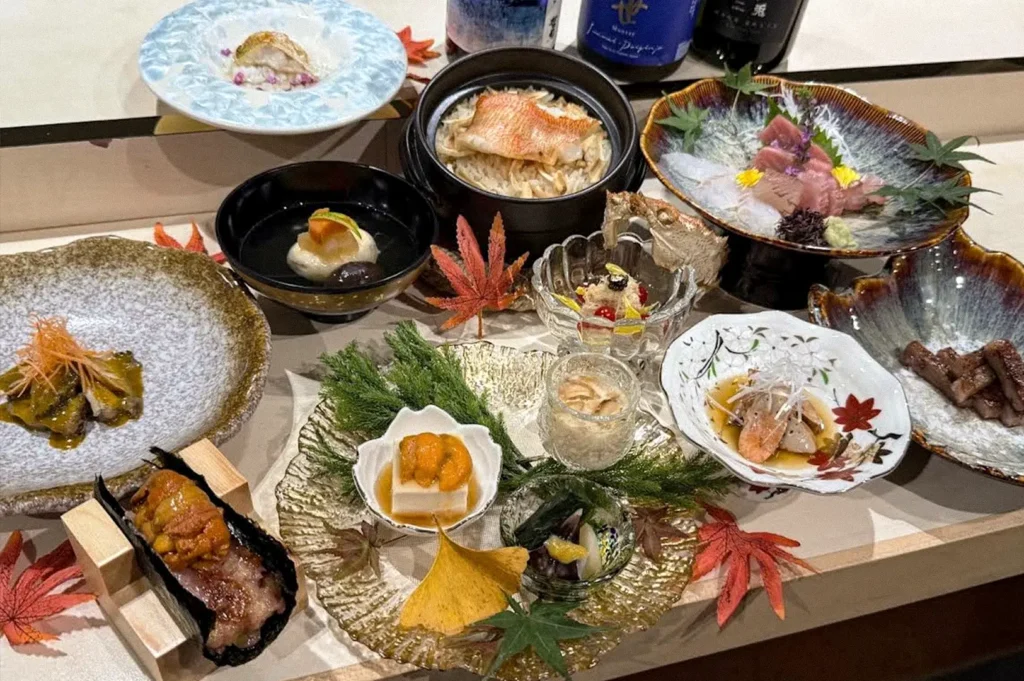
To fully appreciate the artistry of an omakase lunch, diners should consider the importance of the freshest ingredients, including seasonal sushi and seafood sourced from reputable markets. The inclusion of hot dishes and miso soup within the meal provides a harmonious balance that complements the sushi courses.
Engaging with the chef at the dining table enriches the experience, offering insights into the preparation techniques and the story behind each dish. This personal interaction is a hallmark of the Japanese dining style and elevates the gastronomic journey.
Pairing the meal with traditional green tea or sake can further enhance the flavors and provide a more authentic experience.
What to Look for in a Quality Omakase Lunch
A proper omakase lunch should feature omakase sets that showcase the freshest ingredients, including seasonal tasting menu based selections and original dishes crafted with precision. The balance between sushi and hot dishes is crucial to maintain a good balance throughout the meal.
The progression of courses should offer a gastronomic journey that surprises and delights, often including specialties such as fatty tuna, sea urchin, and golden eye snapper.
Attention to detail in the preparation of sushi rice, knife work, and ingredient pairing reflects the chef’s mastery and respect for the craft.
The Role of Seasonal Ingredients in Omakase Lunch
Seasonal sushi is at the heart of a memorable omakase lunch. Chefs rely on the freshest seasonal ingredients to create menus that evolve daily, reflecting the best catch from markets like Toyosu Market in Japan.
This commitment to seasonal tasting menu based selections ensures that diners enjoy the finest ingredients available, from delicate sashimi to expertly prepared nigiri.
Incorporating seasonal vegetables and hot dishes also adds depth and variety, enhancing the overall dining experience.
Conclusion
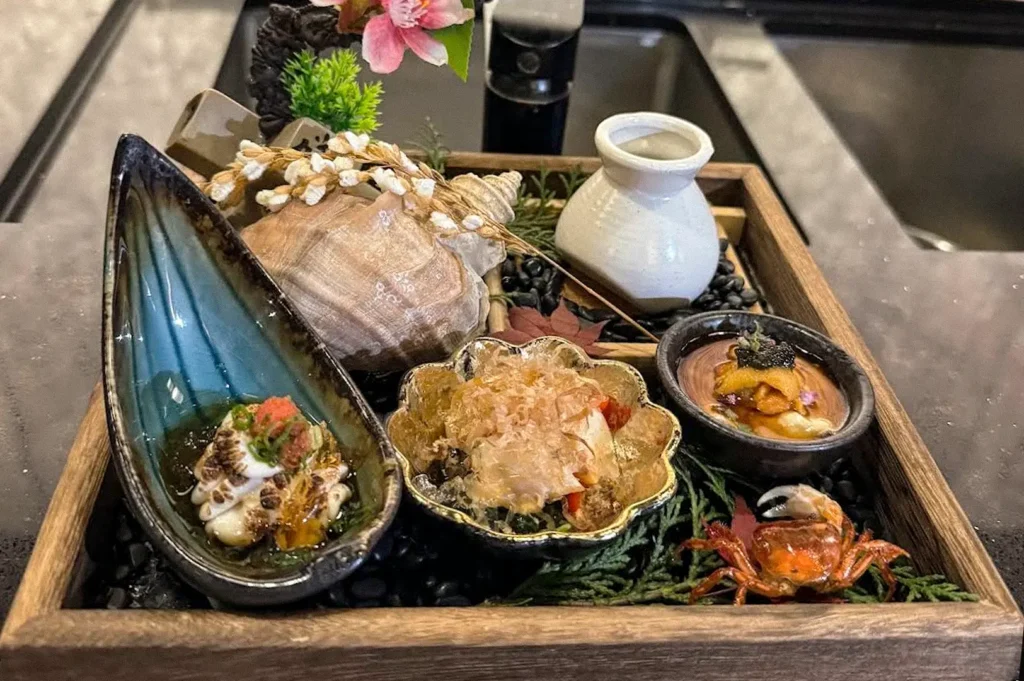
Exploring omakase lunch in Singapore offers an excellent opportunity to experience the finest ingredients, original dishes, and the artistry of sushi craftsmanship within a more accessible and flexible dining format. With a focus on the freshest ingredients, seasonal tasting menu based selections, and the intimate Japanese dining style, lunch omakase provides a gastronomic journey that is both satisfying and memorable.
Whether you are new to omakase or a seasoned enthusiast, the evolving lunch omakase scene in Singapore invites you to discover the good balance between tradition and innovation, all within the convenience of midday dining.