You find it the way you find most things worth keeping, by accident, or by someone’s quiet tip.
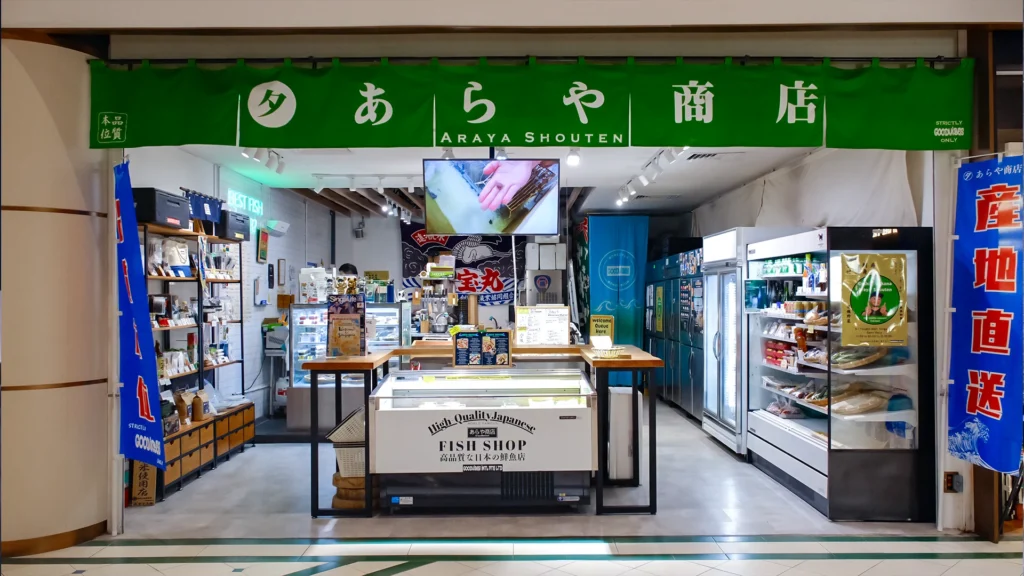
Down in Tanglin Mall‘s basement, past the escalator hum and the cool wash of air-conditioning, there is a small counter where the sea has come to sit. Araya Shouten doesn’t announce itself. It waits.
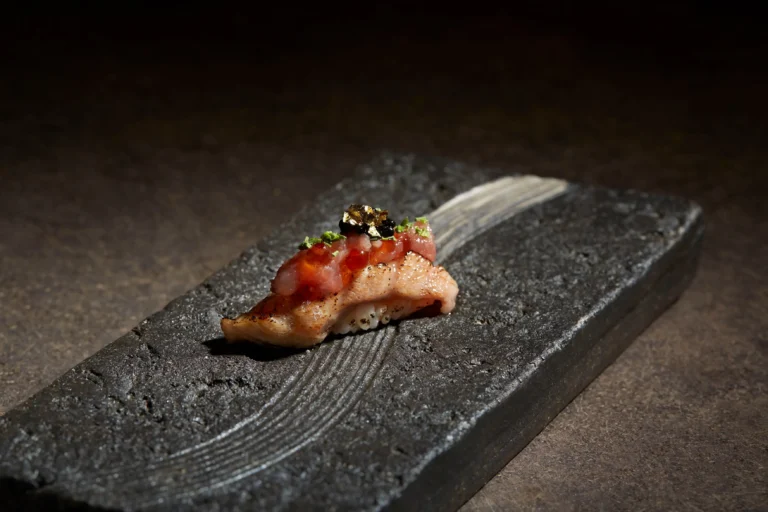
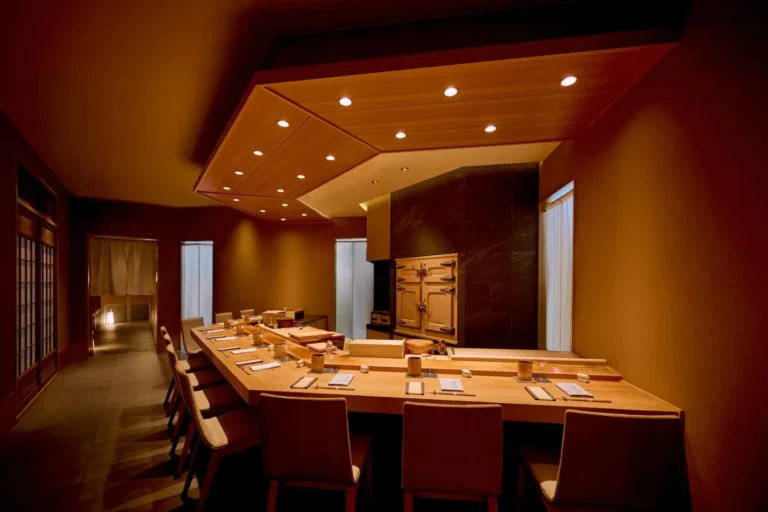
And when you stand at its sister company’s standing sushi bar, elbows near a stranger’s, you catch it all at once: the glint of fresh seafood behind glass, the warm breath of just-cooked rice, the clean sting of soy sauce, and the slow, deliberate motion of a knife setting a slice of fish onto white grain.
Outside, Singapore rushes. In here, it slows to the pace of one man’s hands.
The Bowl That Carries Two Shores to Two Counters
As an own shop that’s not entirely for sitting down and eating, the chirashi don they sell arrives without fanfare. No plating theatre, no flourish. Just a bowl, and everything the sea decided to give that morning.
The rice sits warm underneath, seasoned lightly, still holding a little heat. On top, the sashimi is arranged like a small tide pool: ribbons of tuna, deep and mineral; slices of white fish with a faint sweetness; and the sea urchin (the uni) soft as something you’re not supposed to touch, tasting of cold water and salt and the memory of a shoreline you’ve never walked.
You add a whisper of soy sauce. Not much. The fish doesn’t need saving. It only needs to be met. The first bite does that thing good food does. It quiets you. The tuna is cool against the warm rice, the textures shifting slice by slice, and for a moment you forget the mall above, the queue behind, the phone in your pocket you never reached for.
This is a dish that tastes like it travelled a long way to reach you. Because it did.
Katte Don, Made Personal
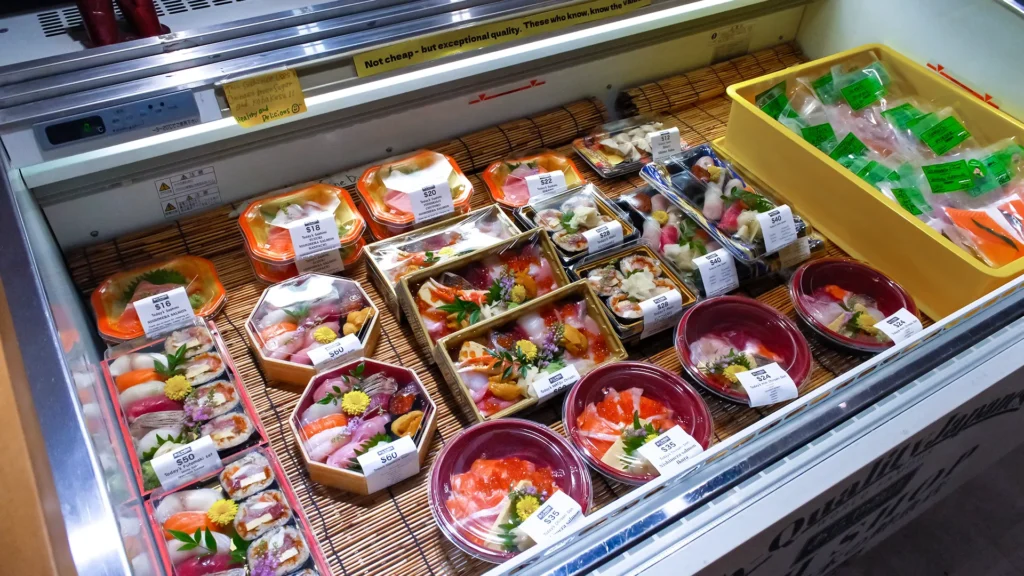
Araya Shouten also sells katte don, and this is where the meal becomes yours. Katte don means you choose. From the day’s catch laid out before you, you build your own bowl with your own raw seafood toppings, slice by slice. More tuna. A little uni. A piece of something you’ve never tried because Araya-san nodded toward it.
There’s a small joy in this. The raw seafood toppings aren’t hidden behind a menu. They’re right there, glistening, honest. You point. He plates. The bowl becomes a record of what you were curious about that day.
Practical tip: If it’s your first visit, start with the chirashi don to taste the range, then return for katte don once you know what you love.
From Hokkaido to Singapore
Behind the counter is Hokkaido native Yuichiro Araya, Araya-san, a man shaped by cold water and northern ports.
He grew up close to where the fish come in, in a place where seafood isn’t a trend but a way of living. His wife, Seiko Araya, moves through the space as a steadying presence, the other half of the journey. Together they carried something from Japan and set it down, carefully, in Singapore.
The leap wasn’t reckless. When the Singapore offer came, this port city made a strange kind of sense; one island of water people speaking to another. Seiko Araya will tell you, in her quiet way, that it felt less like leaving home and more like extending it.
Markets, Ports, and their Seafood Supplier
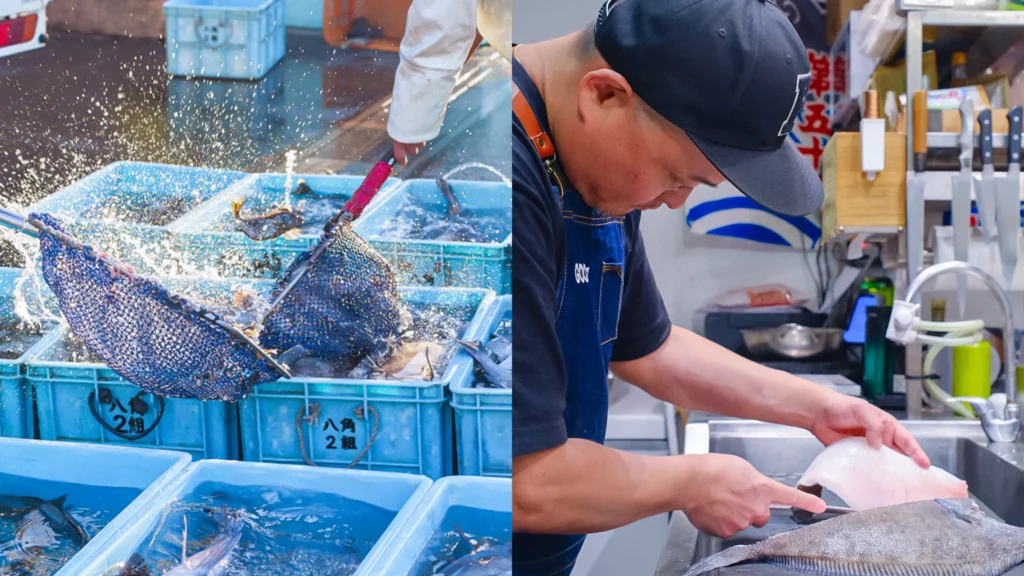
Every bowl here is tethered to Japan’s famous markets. Araya-san learned the rhythm of the old Tsukiji Market before it moved to the current Toyosu site. Tokyo’s Toyosu Market is a living engine, a place where fishery ports and smaller fisheries and various suppliers all feed into the same pre-dawn hum. He knows these suppliers by name. He knows which boat, which coast, which day.
This is the part diners rarely see: the fishmonger’s world of catch and cold boxes, of flesh and blood and guts handled not with squeamishness but with respect. A whole fish is a life. You honour it by wasting nothing and by cutting it right.
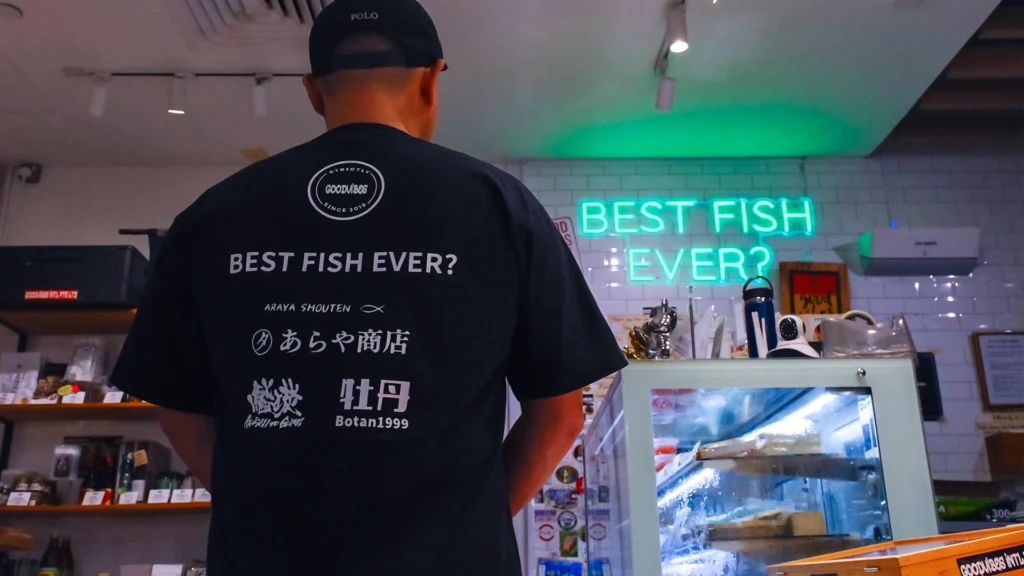
That ethos runs deeper than the shop. Araya Shouten is tied to an own seafood import business: a company called Goodvibes Intl, built with three other investors, that acts as a seafood supplier to Japanese restaurants across the city. Their first major client opened the door; more business followed. The seafood import business is the tide behind the counter. The shop is where you finally see the water.
An Unexpected Place in Tanglin Mall
It is, undeniably, one unexpected place. You expect craft like this near Marina Bay Sands, under bright lights, at a high premium. Instead it lives in Tanglin Mall’s basement: a quiet corner with two counters and the steady flow of lunch customers who’ve learned the way.
The shop proves something simple: that a store doesn’t need spectacle to matter. At lunch, the bar performs its own small choreography, knife, fish, rice, bowl, nod, and the room fills with people who came for the food and stayed for the calm.
Where It Sits in the Sushi Conversation: Michelin Starred Restaurants
You’ll hear Araya Shouten mentioned in the same breath as the city’s more decorated tables, the Michelin starred restaurants, the names people trade like currency.
It’s fair to place it in that conversation. The sourcing that supplies Michelin starred kitchens is the same current that runs through here. Sushi Kimura (often named among Singapore’s finest for its craft) sits in that broader ecosystem of quality that Araya-san’s suppliers help feed.
Not to mention their own standing sushi bar: Sushi To Sumi in Raffles Place, its Araya Shouten’s sister restaurant, and it carries the same ideology: the same reverence, a humbler room.
Practical Notes Before You Go
Come at lunch, a little before the rush, when the wares are freshest and the counter is calm. Opening hours can shift, so check ahead before you make the trip.
Ordering is simple. Let Araya-san guide you, or point to what catches your eye. If you’re paying, Japan Pay is handled with the ease of a place used to travellers moving between two countries.
Don’t expect a grand production. Expect a good dish, served plainly, by people who care.
Many Shores, One Bowl
I left thinking about how far a slice of fish travels: from a northern port, through markets and cold boxes and careful hands, to a basement counter on a warm island afternoon.
The best journeys don’t always need a plane. Sometimes they arrive in a bowl, quietly, tasting of a sea you’ve never seen.
Pull up to the counter. Say yes to whatever’s freshest. Let the water find you here.