
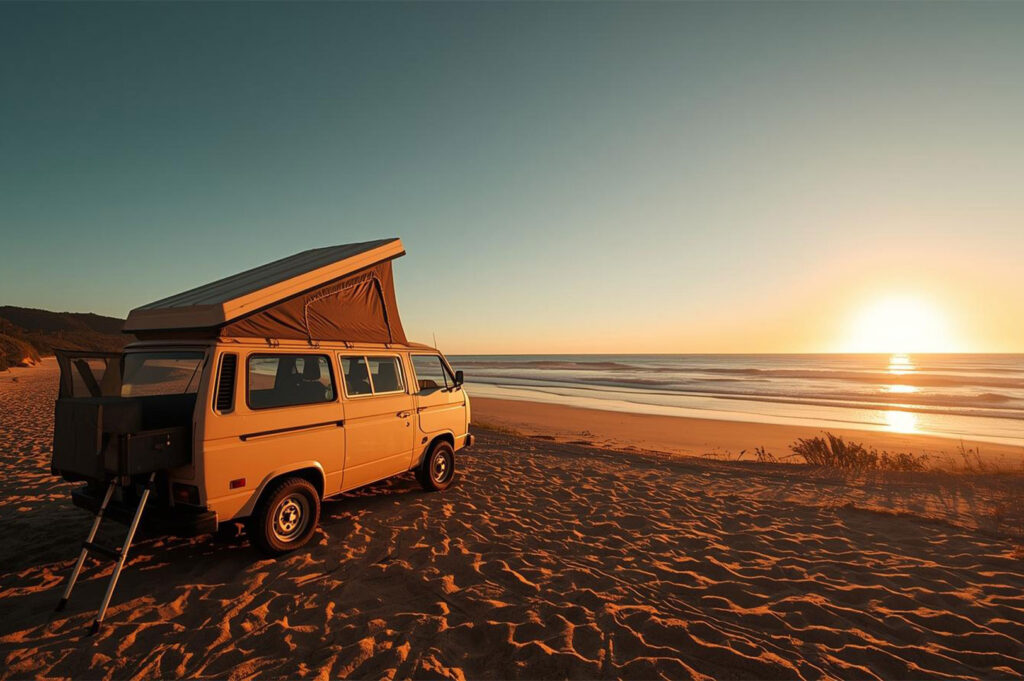
There’s a certain magic that comes with tracing your finger across the map of Australia. This vast and diverse land, part of the world’s smallest continent, stretches from the Indian Ocean in the west to the Pacific Ocean in the east, encompassing the Australian mainland and its external territories. It’s a place where vibrant coral reefs along the northeast coast give way to rust-colored deserts like the Great Victoria Desert and lush rainforests near the Great Dividing Range. To truly grasp its size and diversity, you have to see it from the ground up.
An Australian road trip is more than just a vacation; it’s an adventure across the Commonwealth of Australia that promises sun-drenched beaches, close encounters with unique wildlife, and the ultimate freedom of van life. From South Australia’s wild coastline and New South Wales surf towns to Queensland’s tropical beaches and Western Australia’s remote reef country, each region offers its own unique charm.
Imagine waking up to the sound of crashing waves on a deserted beach along the Sunshine Coast, spotting koalas in the eucalyptus forests of New South Wales, and ending your day under stars in the vast Outback. This is the experience awaiting you when exploring mainland Australia by road. This guide from Bites and Travel covers planning your route, finding the best wildlife spots, and mastering life on four wheels.
Planning Your Australian Road Trip
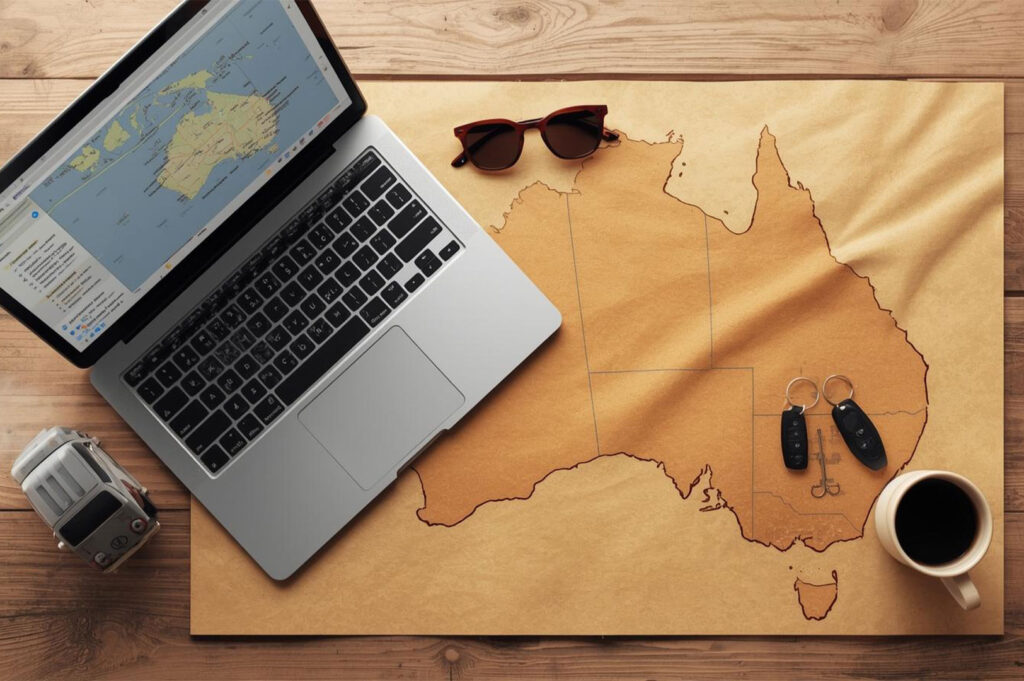
A journey of this magnitude requires some thoughtful planning. Deciding where and when to go is the first step in crafting your perfect adventure.
When to Go and What to Rent
First and foremost, your choice of vehicle is crucial. Campervans are popular for van life Australia, combining transport and accommodation. Companies like CamperMate, WikiCamps Australia, Hipcamp Australia, and more, offer options from basic vans to fully equipped motorhomes. Alternatively, rent a car and stay in motels or Airbnbs for more comfort.
Sketching Your Route
Don’t try to see the whole country in one go. Australia is huge, and driving distances can be deceiving. Pick one or two regions to explore thoroughly. Or better yet, here are the best routes depending on the time that you have available:
For 3-5 Days: Great Ocean Road
For 7–10 days: Sydney to Byron Bay or Brisbane to Cairns
For 2–3 weeks: Sydney to Cairns East Coast route
For 10–14 days: Perth to Exmouth / Coral Coast
For 2 weeks: Tasmania loop
For 3–4 weeks: Perth to Broome or Adelaide to Darwin
Also be mindful of the weather. For northern Queensland, the Northern Territory, and the Kimberley, the dry season is usually the easiest road-trip period. The wet season can bring flooding, road closures, cyclones, and difficult driving conditions.
Not to mention that road-trip costs are more volatile now, as we know, currently, fuel prices has gone up and it can be the biggest expense in an Australian road trip. Especially on long routes or in remote regions. So, budget for higher regional prices, fill up before long stretches, and use fuel-price apps to compare stops.
Must-Visit Beach Destinations Across the Australia Map
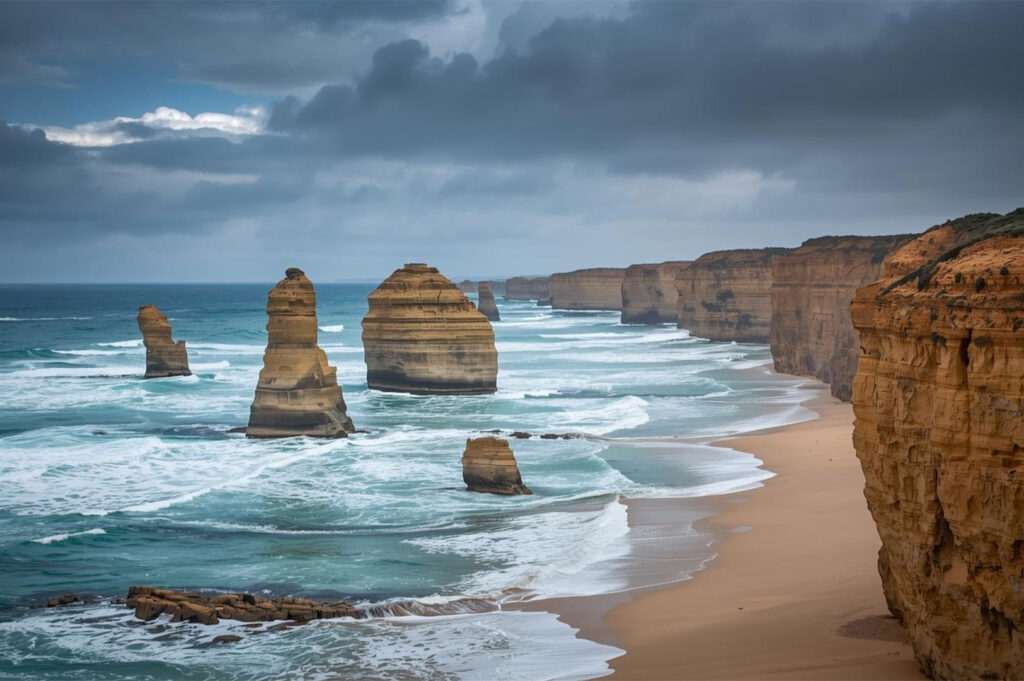
No exploration of Australia’s coastline is complete without sinking your toes into its world-famous sands. From iconic surf spots to secluded coves, these beaches make any coastal road trip unforgettable, as the map shows some of the most spectacular coastal destinations across the Australian continent.
The Great Ocean Road’s Dramatic Coastline
This legendary route in Victoria, along the south coast near the Great Dividing Range and the Eastern Highlands, is a must-do for any road tripper. While the Twelve Apostles rock formations are the main draw, the beaches here are wild and beautiful.
Bells Beach: Famous in the surfing world, this beach is home to the Rip Curl Pro surf competition. Even if you don’t surf, watching the pros tackle the massive waves is a thrill.
Apollo Bay: A wide, crescent-shaped beach that serves as a great base for exploring the Otway National Park and nearby plant species unique to the region.
Queensland’s Tropical Paradise
The sunshine state boasts some of the most idyllic Australia beaches, nestled along the northeast coast near the Great Barrier Reef and Coral Sea Islands, with warm turquoise waters and pure white sand.
Noosa Main Beach: One of the few north-facing beaches on the East Coast, its calm waters are perfect for families and beginner surfers. It’s just steps away from the chic Hastings Street on the Sunshine Coast.
Cape Tribulation: Where the Daintree Rainforest meets the Great Barrier Reef. The beaches here are raw and untouched, offering a unique chance to experience two World Heritage sites at once.
Western Australia’s Remote Beauty
The west coast offers a different kind of beach experience, with rugged landscapes and incredible marine life along the Indian Ocean. This side of the map of Australia feels wild and untamed.
Wharton Beach: Wharton Beach is one of those hidden gems nature lovers should not miss, with bright white sand, turquoise water, and peaceful coastal scenery near Esperance. If your itinerary allows two weeks in Western Australia, wait till you see how this quiet stretch compares with the country’s more famous natural wonders.
Turquoise Bay: Turquoise Bay is a dream stop for beach lovers, snorkelers, and anyone looking for travel inspiration from Tourism Australia-worthy scenery. Set near Ningaloo Reef, it offers clear water, native wildlife, and one of the most beautiful coastal drives in the country.
These beaches, scattered across the states and territories including New South Wales (NSW), Queensland, South Australia, Western Australia, and Tasmania, showcase the diverse coastal beauty of Australia.
Exploring these coastal gems gives you a true sense of Australia’s vastness, where two thirds of the population live near the coastlines along the Indian and Pacific Oceans. Whether it’s the highest mountain views near the Great Dividing Range or the serene sands of Tweed Heads and the Gold Coast, the Australian coast offers endless adventure and unforgettable memories.
A Small Bite: This 2026, Bate Bay in Sidney was named Australia’s best beach for 2026 by Tourism Australia beach ambassador Bard Farmer, after being judged against criteria including natural beauty, unique landscapes, facilities, access, parking, and overall atmosphere.
Koala Spotting and Ethical Wildlife Tour Encounters
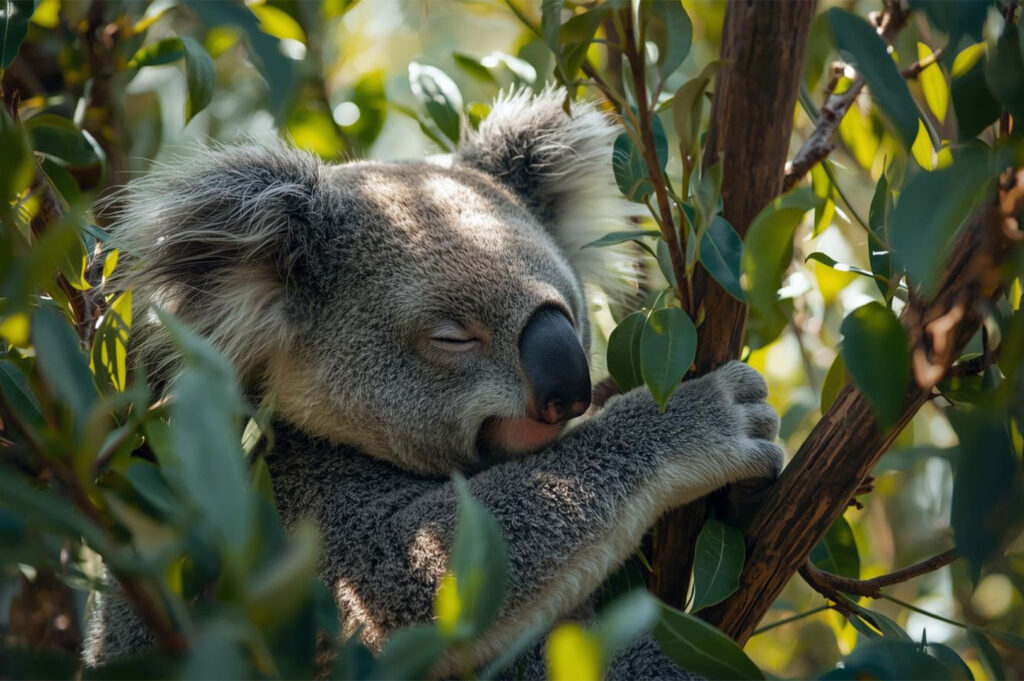
An Australian road trip offers incredible opportunities to see the country’s unique fauna. Seeing koalas in Australia, dozing in a gum tree, is a highlight for many travelers.
Where to Find Koalas in the Wild
While you might get lucky spotting them anywhere along the east coast, some areas offer a better chance.
Magnetic Island (Queensland): This island off the coast of Townsville has a large and healthy koala population. The Forts Walk is a great track for spotting them while enjoying historic ruins and coastal views.
Noosa National Park (Queensland): The coastal walking tracks here are not only stunning but also a popular habitat for koalas. Keep your eyes peeled as you walk between the main beach and Sunshine Beach.
Ethical Wildlife Viewing
Koalas are vulnerable and, in some regions, endangered, so wild sightings should be treated as a privilege rather than a guarantee. Whether you’re exploring spectacular national parks, taking coastal drives near Phillip Island or Kangaroo Island, or planning long drives through the red earth and arid landscape of the Red Centre, keep your distance, stay on marked tracks, and never feed native wildlife. Choose sanctuaries that support rescue or conservation work, and avoid driving at dawn or dusk when animals are most active.
Essential Road Trip Tips for Australia: Familiarizing States and Territories
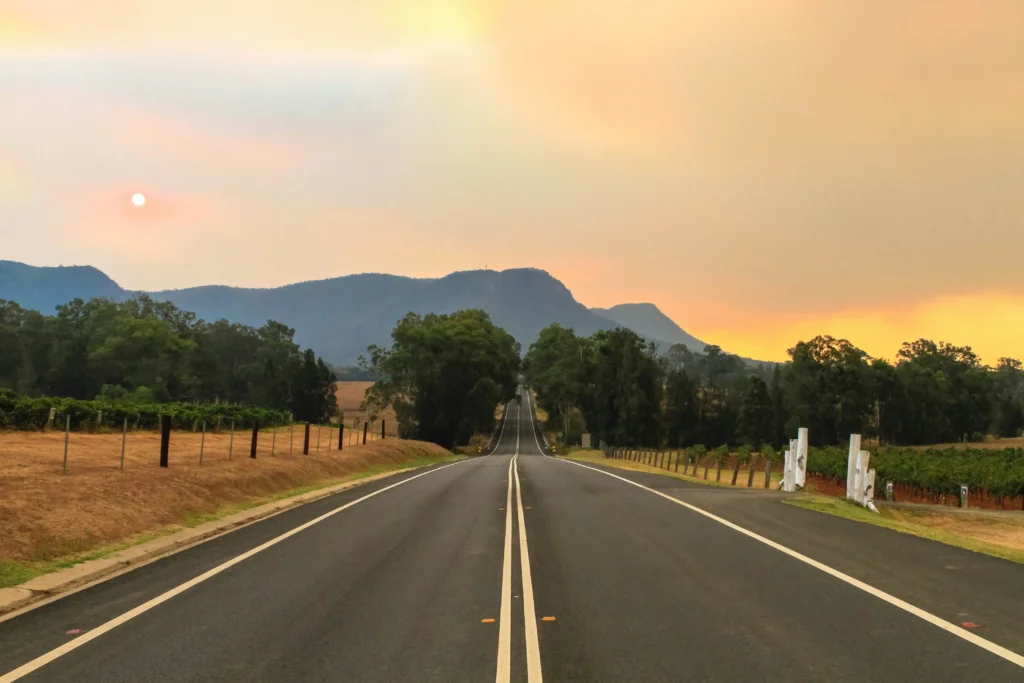
Navigating Australia’s vast map comes with long distances, changing weather, and remote stretches, so a little planning goes a long way.
Driving and Road Conditions
Australians drive on the left side of the road. Outside major cities, roads can stretch long and straight with minimal traffic, from the Nullarbor Plain and Gibb River Road to the red landscapes near Alice Springs, Lightning Ridge, and the Flinders Ranges. Rest often, plan fuel stops, take care on winding roads, and avoid driving at dawn or dusk when wildlife is most active.
Fuel, Supplies, and Connection
Fuel stations can be far apart in remote areas, especially around Kakadu National Park, Katherine Gorge, Carnarvon Gorge, and long Outback routes. Fill up whenever possible, carry extra water and snacks, download offline maps, and consider a Telstra SIM for wider coverage.
Beach and Weather Safety
Not every beautiful beach is safe for swimming. Swim between the red and yellow flags, check Beachsafe or local surf updates, and watch for rips, stingers, crocodile warnings in northern Queensland, and unpatrolled beaches near places like Moreton Island, Wineglass Bay, or remote coastal drives.
Van Life and Overnight Stops
Freedom camping is restricted in many parts of Australia. Use official campsites, caravan parks, national park campgrounds, or verified free-camp listings, whether you’re near Phillip Island, the Bellarine Peninsula, Hunter Valley, or the Grand Pacific Drive. Avoid sleeping in random streets or beach car parks unless signs clearly allow it.
Best Seasons and What to Book Ahead
The Great Ocean Road and Loch Ard Gorge are best from spring to autumn, the East Coast and Byron Bay in spring or autumn, Tropical North Queensland in the dry season, Tasmania’s Great Eastern Drive in summer or early autumn, and Outback routes in cooler months. For an adrenaline pumping tour or weekend escape, book campervans, national park campsites, fine dining stops, island ferries, reef tours, and popular caravan parks ahead.
Open Your Regional Map and Say Hi to Australia!
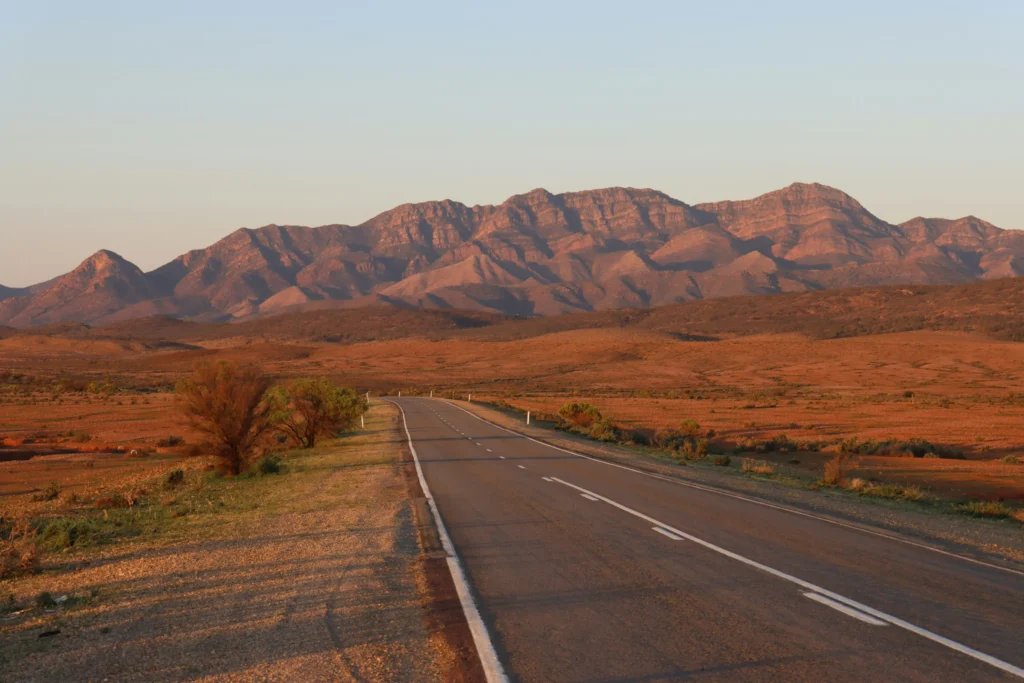
A road trip across the map of Australia is a soulful journey filled with moments like sunsets over the Twelve Apostles, spotting koalas, and waking up in new beautiful places. Experience freedom on the open road, diverse landscapes, and endless horizons. Pack your bags, download your maps, and start your unforgettable adventure.
For more destination guides, travel tips and planning, visit Bites and Travel!