The cold woke me before anything else did.
Up here, in the New England Highlands of New South Wales, mornings arrive slow and silver. Frost held the paddocks outside my window, and when I cracked it open, the air came in sharp enough to catch in my chest. Eucalyptus underneath it. Woodsmoke somewhere down the road. A magpie warbling its long, liquid song into the stillness, then falling quiet.
I made coffee first. I always make coffee first.
The kettle rattled and steamed while I stood at the glass, watching the sun climb over the tablelands. The light here does something particular in the cold months; low and gold, laying itself across the stiffened grass until the whole world looks newly made. I wrapped both hands around the cup and waited for the warmth to reach my fingers.
I had no real plan. That was the plan.
The Slow Morning
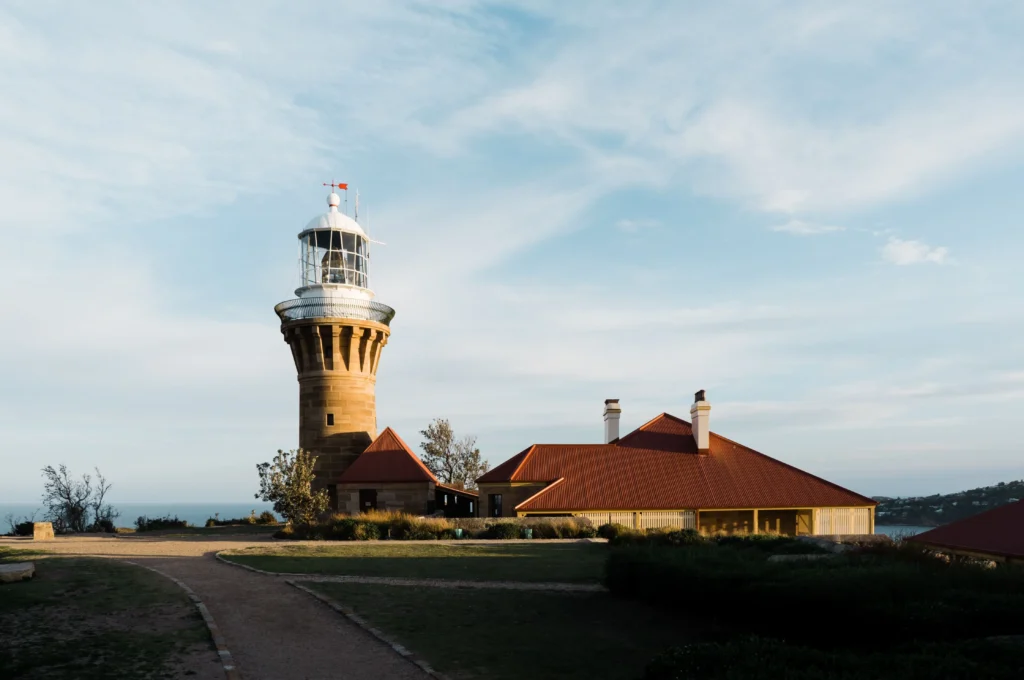
If you come up this way (and it’s a long drive, five or six hours from Sydney, or a short flight into Armidale) do yourself the kindness of stopping at a lookout before anything else.
I drove out along a quiet road while the mist was still lifting off the gullies**. The tablelands roll gently up here, higher than you’d expect, and the altitude keeps the air thin and clean.** I pulled over where the land fell away into a valley, cut the engine, and just listened. Gravel under my boots. Wind moving through the gums. A currawong, somewhere, calling to another.
This is Anaiwan Country, held and cared for across a span of time that makes a weekend visit feel like a single breath. I stood in it as gently as I could.
By mid-morning the cold had made me hungry, and hunger led me (as it usually does) to a bakery.
It was a small one on the edge of town, the kind with fogged windows and a doorbell that chimed each time someone pushed in from the cold. I ordered a meat pie, because it was that kind of morning. It came out blistering hot, the pastry shattering at the first bite, the inside dark and peppery and rich. I ate it standing at a bench by the window, watching my own breath and everyone else’s fog the glass.
A woman beside me was buying scones for a church morning tea. She caught me eyeing the tray and smiled.
“Still warm,” she said. “Get one before they’re gone.”
So I did. Split it open, watched the steam rise, spread it thick with jam and cream. It tasted like somebody’s grandmother had made it. Maybe somebody’s had.
An Afternoon in the Country Towns
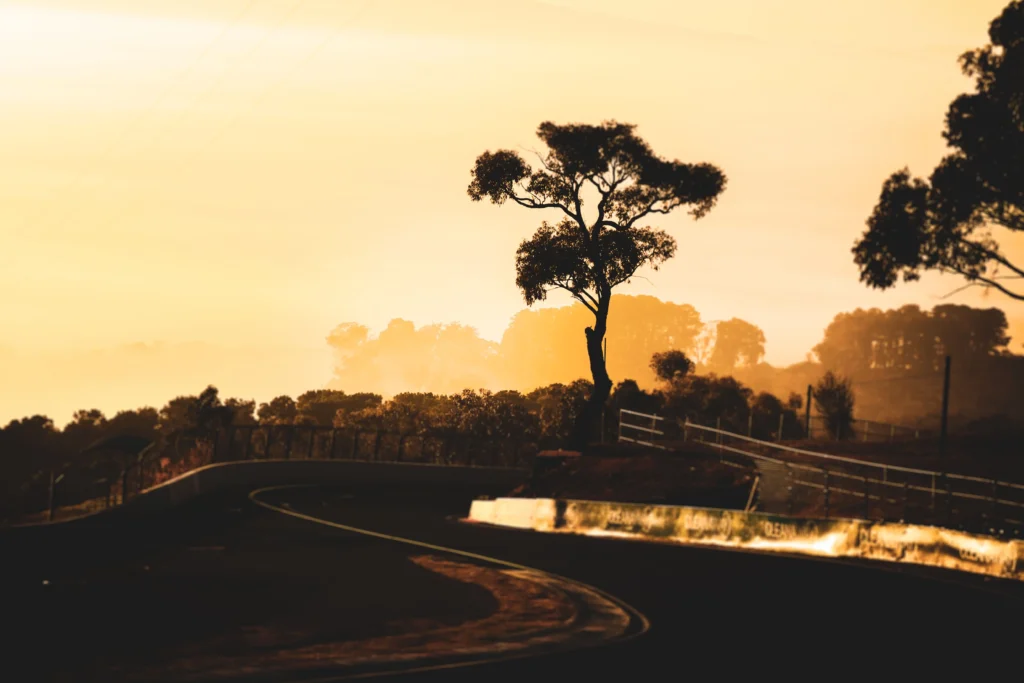
By early afternoon I’d drifted south into Uralla, a small heritage town that seems to hold its breath in the sun.
The main street felt unhurried in a way that’s hard to fake. Old verandahs cast lace-like shadows across the footpath. A dog dozed in a doorway. A screen door clacked somewhere, and the smell of roasting coffee slipped out from a café and mixed with the cold, dry air.
I ducked into an antique store because the window had caught me: a jumble of old tins, chipped teacups, a shelf of yellowed paperbacks. The man behind the counter didn’t rush me. When I finally asked about a brass compass I’d been turning over in my hands, he told me where it had come from, roughly, and who might have carried it once. I don’t think he expected to sell it. I don’t think that was the point. I bought it anyway. It sits on my desk now, pointing vaguely north.
Lunch was at the pub, because in these towns the pub is where the day gathers itself.
Wide floorboards worn smooth. A fire going in the corner. The low murmur of locals who all seemed to know each other, and the barman by name. I ordered a steak (local beef, raised on the tablelands not far from where I sat) and it came simple and honest, charred at the edges, tender through the middle, a heap of chips and a wedge of lemon I didn’t need but appreciated anyway.
I ate slowly. There was nowhere I had to be. Two older men at the bar argued gently about the football. The fire ticked and settled. Rain started up outside, soft against the windows, and nobody made any move to leave.
What the Highlands Gave Back
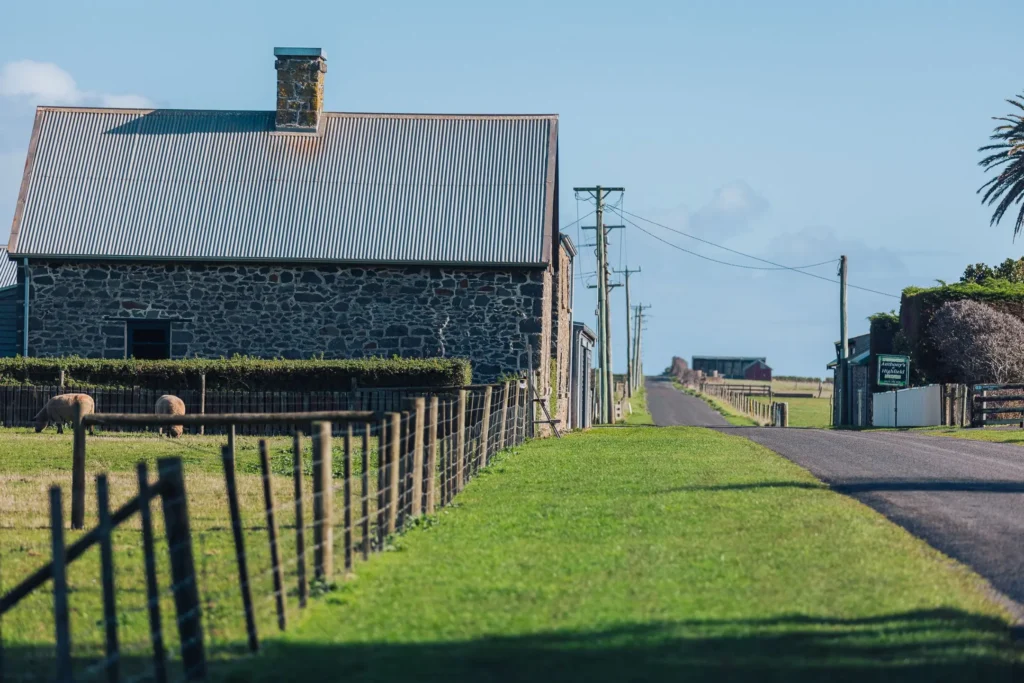
A word, if you’re planning your own drive: pack layers, and more than you think. The tablelands can turn bright and biting in the same hour, and the cold up here is patient, it settles into you slowly.
Come in autumn, when the introduced trees around Armidale and Uralla turn gold and copper. Or come in winter, for the frost and the woodsmoke and that low, tender light. If you’ve got the time, take the long way down along Thunderbolts Way, where the country opens and folds and opens again.
Either way, leave room for the things you didn’t plan. Those are usually the ones that stay.
By late afternoon the rain had eased, and I drove back through the tablelands as the sun dropped low. The paddocks went gold. The gums threw shadows long as rivers. I passed a farmer closing a gate, and he lifted two fingers off the steering wheel of his ute in that country wave, and I gave it back without thinking.
I keep returning to the small things. The shatter of pie pastry. The steam off a scone. A stranger telling me about a compass he didn’t need to sell. The particular quiet of a town that isn’t performing for anyone.
The highlands didn’t hand me a revelation. Nothing so neat. They just gave me back my slowness; a day spent noticing rather than rushing, tasting rather than photographing, belonging, briefly, to a place that asked nothing of me.
That’s the thing about these in-between places. They don’t shout. They leave the fire lit and the kettle warm, and trust that you’ll find your way in.
So come up, when the city gets loud. Bring your layers. Take the long road.
We’ll keep a seat by the fire.
If you want more of our thoughts on our favorite bites and travels, check out our article on the best chirashi don in Singapore!